How to Choose a Wholesale Refrigeration Compressor Supplier for Export Orders
A practical procurement checklist for overseas buyers comparing wholesale refrigeration compressor suppliers for export orders, replacement stock, and projects.
For overseas distributors, service companies, and cold-room contractors, choosing a wholesale refrigeration compressor supplier is not only a price decision. A compressor may be ordered for urgent equipment repair, regional spare parts inventory, supermarket refrigeration, air-conditioning service, or a cold-room installation project. If the model is wrong, the documents are incomplete, or the packing fails during transport, the landed cost becomes far higher than the quoted unit price.
A reliable supplier should help buyers reduce procurement risk across the full order cycle: model selection, brand comparison, stock confirmation, export packing, shipping documents, refrigerant compatibility, and after-sales support. This is especially important for companies buying mixed compressor models from several brands, because the supplier must understand both commercial sourcing and technical matching.
The checklist below is designed for refrigeration spare parts distributors, AC compressor wholesalers, repair teams, and engineering installers that purchase compressors for export markets.
1. Evaluate the Supplier’s Brand Range and Model Coverage
A strong wholesale refrigeration compressor supplier should offer enough brand and model coverage to support different customer segments. Overseas buyers often serve a mixed market: domestic refrigerators, light commercial cabinets, air-conditioning units, condensing units, cold rooms, and industrial refrigeration systems. One brand or one compressor type rarely covers all demand.
Check the compressor categories available
Before placing a trial order, confirm whether the supplier can support the compressor types your market frequently uses, such as:
- Hermetic compressors for refrigerators, freezers, display cabinets, and small commercial equipment
- Rotary compressors for air-conditioning and heat pump applications
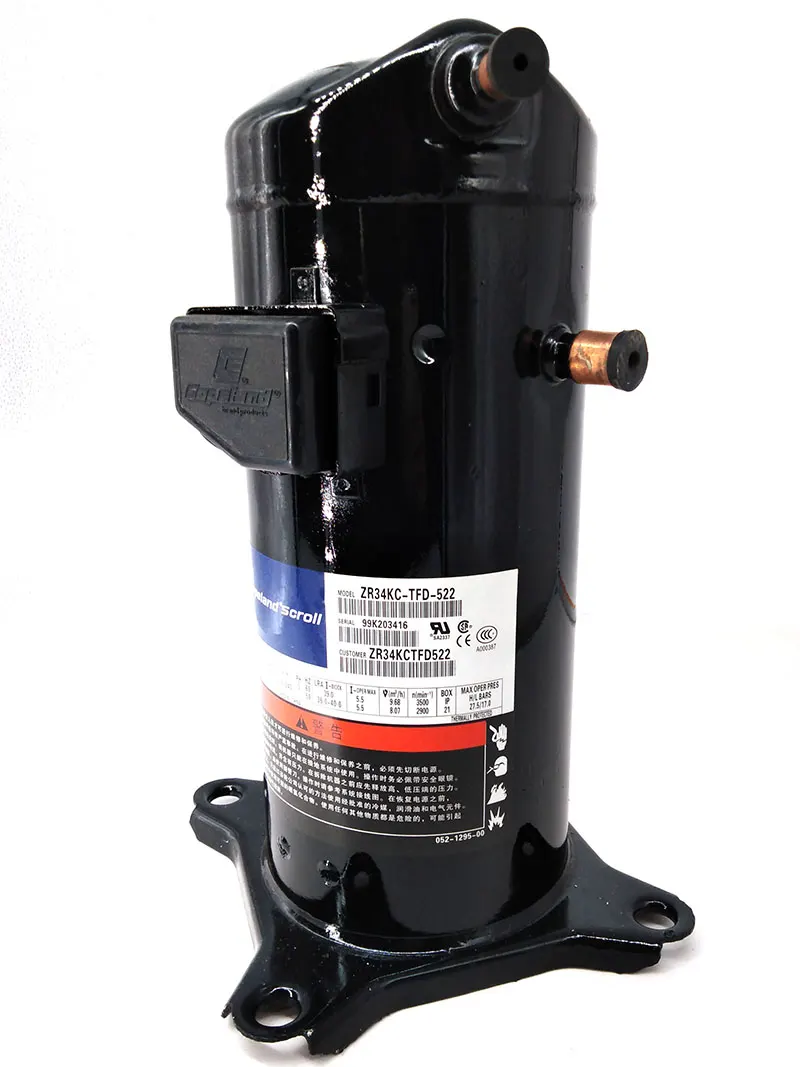
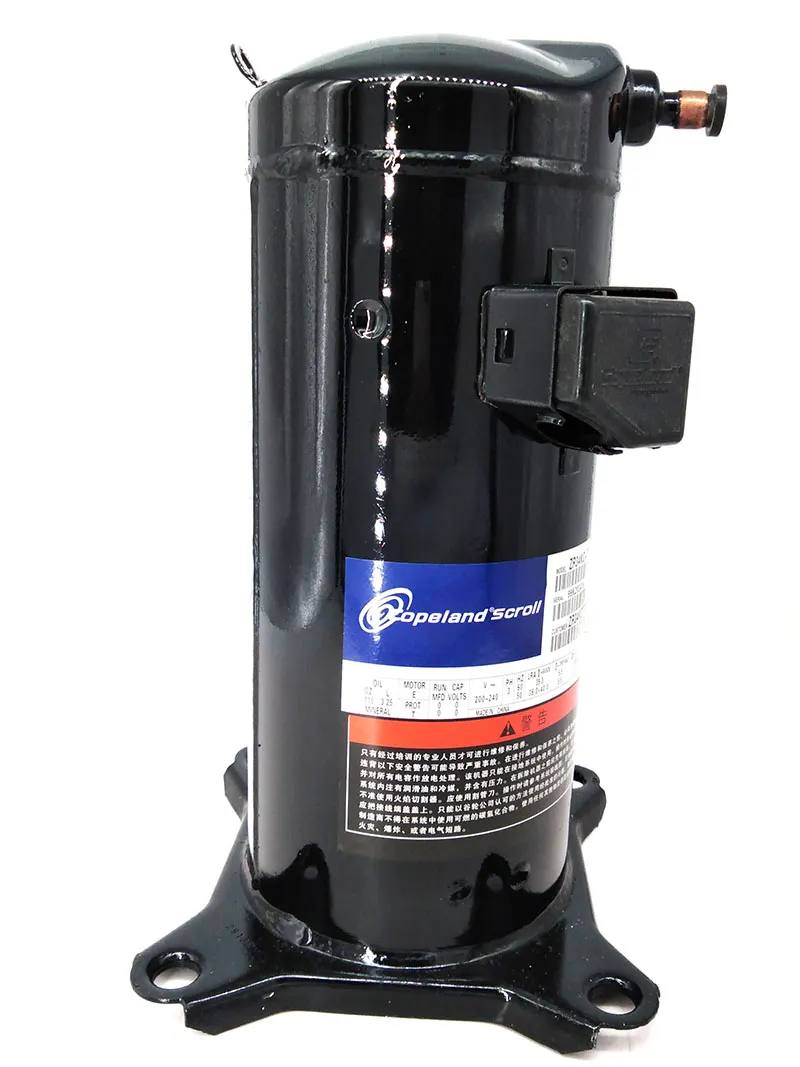
- Scroll compressors for commercial air-conditioning, refrigeration, and light industrial systems
- Semi-hermetic compressors for cold rooms, food processing, and commercial refrigeration
- Screw compressors for larger refrigeration and HVAC systems, when applicable
- DC inverter or variable-speed compressors for selected modern equipment
The right range depends on your customer base. A refrigeration spare parts distributor may need broad coverage of small hermetic and commercial compressors. A cold-room installer may care more about semi-hermetic, scroll, and condensing unit matching. An AC compressor wholesaler may focus on rotary and scroll models for specific air-conditioning capacities.
Confirm brand positioning and alternatives
A multi-brand compressor supplier can be valuable when it can provide both international brands and domestic alternatives. This helps buyers manage different price levels, customer expectations, and availability issues. However, the supplier should not simply offer substitutes without explanation.
When comparing brands or alternatives, ask for:
- Full model number and product photos
- Voltage, phase, and frequency
- Refrigerant compatibility
- Cooling capacity or displacement reference
- Application type: low, medium, or high temperature where relevant
- Starting component requirements for hermetic compressors
- Oil type, if applicable
- Cross-reference notes when replacing another model
For export orders, model accuracy matters more than a broad catalogue. A supplier that can clearly identify compressor models and explain matching differences is safer than one that only sends a price list.
2. Verify Genuine Parts, Model Availability, and Technical Matching
Compressor procurement often involves replacement orders. Buyers may receive a damaged compressor model from a technician, a partial nameplate photo, or an old equipment list from an installer. A qualified compressor supplier for export should help identify the correct model and warn buyers when a direct replacement is not recommended.
Genuine products and traceable supply
Genuine compressors are essential for distributors and repair companies that must protect their reputation. Problems caused by counterfeit, refurbished, or improperly stored compressors can lead to warranty disputes and customer loss.
Practical verification steps include:
- Request clear photos of the compressor nameplate and packaging before shipment
- Confirm whether the unit is new, unused, and in original packaging where applicable
- Check that model numbers on the compressor, carton, and invoice match
- Ask whether accessories, terminal covers, mounting parts, or electrical components are included
- Avoid vague descriptions such as “compatible type” unless a substitute is clearly agreed
For mixed-brand orders, the supplier should be transparent about product condition and origin. If a model is an equivalent replacement rather than the exact original model, that should be stated before payment.
Stock availability and discontinued models
Refrigeration compressor buyers often face urgent demand, especially when a supermarket cabinet, walk-in freezer, or production cold room is down. A supplier that advertises many models but cannot confirm stock quickly may not be suitable for emergency replacement business.
Ask the supplier to confirm:
- Current stock status and quantity
- Production or procurement lead time for out-of-stock models
- Whether the model is active, limited, or discontinued
- Possible replacement models if the original is no longer available
- Whether partial shipment is possible for urgent items
For distributors building inventory, it is useful to classify models into fast-moving, slow-moving, and project-based stock. Your supplier should help identify which models are normally available and which require advance ordering.
Technical matching support
Technical support is one of the clearest differences between a trading-only seller and a capable refrigeration compressor distributor. Compressors are not interchangeable based on horsepower alone. Voltage, refrigerant, application temperature, displacement, oil type, motor type, and system design all affect suitability.
When requesting a quotation, provide as much information as possible:
- Existing compressor model and brand
- Equipment type and application
- Refrigerant used in the system
- Power supply: voltage, phase, frequency
- Evaporating and condensing temperature conditions, if known
- Required cooling capacity or system capacity
- Photos of the nameplate and installation environment
The supplier should be able to flag obvious risks, such as a refrigerant mismatch, wrong voltage, unsuitable application range, or missing electrical accessories. For engineering projects, installers should involve qualified refrigeration engineers for final selection, but supplier-side screening can prevent many procurement errors.
3. Review Export Packing, MOQ, Pricing, and Logistics Readiness
Export compressor orders face more handling than domestic shipments. Compressors may move through warehouse loading, trucking, port handling, sea freight, customs inspection, and local distribution after arrival. Good export packing reduces damage, oil leakage risk, carton collapse, and customer complaints.
Packing standards for export orders
Packing should match the compressor type, shipment method, and order size. Small hermetic compressors may be packed in original cartons and consolidated on pallets. Heavier semi-hermetic or screw compressors may require wooden cases, reinforced bases, or additional protection.
Key packing questions include:
- Is the compressor shipped in original factory packaging?
- Are cartons palletized for sea freight or warehouse handling?
- Are heavy units fixed to prevent movement during transport?
- Is moisture protection used when needed?
- Are wooden packages compliant with import requirements where applicable?
- Can the supplier provide packing photos before shipment?
For mixed orders, label clarity is also important. Each carton or pallet should be easy to match with the packing list. This helps distributors receive goods faster and avoid internal stock errors.
MOQ and mixed-model ordering
Minimum order quantity can significantly affect overseas buyers. A large MOQ may be acceptable for fast-moving refrigerator compressor models but unsuitable for expensive semi-hermetic compressors or low-demand replacement units.
A practical wholesale refrigeration compressor supplier should be clear about:
- MOQ by model or brand
- Whether mixed models can be combined in one shipment
- Price differences between sample, small batch, and container orders
- Lead time for each model in a mixed order
- Whether spare parts, accessories, or starting components can be shipped together
For new buyers, a mixed trial order is often more useful than a large single-model purchase. It allows the distributor to test local demand, packaging quality, documentation accuracy, and supplier communication before scaling up.
Pricing and landed cost
The cheapest compressor quotation is not always the lowest-cost option. Overseas buyers should compare the complete landed cost and risk profile. A slightly higher unit price may be justified if the supplier provides accurate models, export-ready packing, complete documents, and dependable technical communication.
When comparing quotations, check whether the price includes:
- Original accessories or required starting components
- Export carton, pallet, or wooden case charges
- Domestic delivery to the port or forwarder warehouse
- Documentation fees, if any
- Brand-specific packaging or labeling requirements
- Handling for mixed-model consolidation
Clarify trade terms before confirming the order. Whether the purchase is EXW, FOB, CIF, or another term, both parties should understand who is responsible for local delivery, customs clearance, freight, insurance, and destination charges.
4. Confirm Documentation, Compliance, and Refrigerant Requirements
Export orders depend on accurate paperwork. Missing or inconsistent documents can delay customs clearance, create extra port charges, and damage the buyer’s relationship with local customers. A supplier experienced in compressor export should understand common documentation needs and prepare consistent information across invoices, packing lists, and shipping documents.
Export documents to confirm early
Document requirements vary by destination market and shipment method, but buyers commonly need:
- Commercial invoice
- Packing list
- Bill of lading or air waybill
- Certificate of origin, if required
- Product specification or datasheet, when needed
- Photos of goods and packing before shipment
- Brand or model confirmation documents, when applicable
The model number, quantity, weight, package count, and consignee information should be consistent across documents. For distributors reselling to multiple customers, accurate model details also support internal inventory management.
Refrigerant and regional compliance
Refrigerant compatibility is a critical buying point. Compressors are designed for specific refrigerants or refrigerant families, and using the wrong compressor can cause poor performance, oil return problems, overheating, or system failure.
Buyers should confirm:
- The refrigerant listed for the compressor model
- Whether the compressor is suitable for the target application temperature
- Oil type compatibility with the refrigerant
- Whether the model is intended for the buyer’s voltage and frequency
- Whether local regulations restrict certain refrigerants or equipment types
Different markets may have different rules on refrigerants, labeling, safety, and import documentation. The supplier should provide product information, but the importer is usually responsible for confirming destination-market compliance. Distributors and installers should pay close attention when serving markets transitioning from older refrigerants to newer alternatives.
Electrical and application details
For export orders, electrical mismatch is a common and costly mistake. A compressor ordered in the wrong voltage or frequency may be unusable in the destination market. Always check the complete electrical specification, not just the compressor model family.
Important details include:
- 110V, 220V, 380V, 400V, or other voltage requirements
- Single-phase or three-phase operation
- 50Hz or 60Hz frequency
- Starting method and required electrical components
- Protection devices or overload requirements
- Application range: low temperature, medium temperature, high temperature, air-conditioning, or heat pump
For replacement orders, never assume that a similar capacity model will work. A correct replacement should match the system’s refrigerant, application range, electrical supply, and installation conditions.
5. Assess Communication, After-Sales Support, and Long-Term Fit
A supplier may perform well on a single quotation but still be difficult to work with for repeat export orders. Overseas distributors need consistent communication, accurate order handling, and practical after-sales support. This is especially important when the buyer is managing several customer requests at the same time.
Response quality matters
Good supplier communication is specific and verifiable. Instead of only sending a price, the supplier should confirm the exact model, brand, quantity, lead time, packing method, and payment terms. If a model is unavailable, a professional supplier explains the situation and offers a technically reasonable alternative when possible.
Look for signs of reliable communication:
- Clear confirmation of model numbers and specifications
- Fast response to stock and lead-time questions
- Willingness to provide product and packing photos
- Practical support for mixed-brand quotations
- Transparent explanation of substitutes or equivalent models
- Written confirmation of key order details before shipment
For distributors, this reduces time spent correcting errors and helps maintain customer confidence.
After-sales handling
Compressors can be damaged during transport, incorrectly installed, or fail due to system conditions unrelated to manufacturing. A realistic after-sales process should define what information is needed when a problem occurs.
Before ordering, ask the supplier how it handles:
- Transport damage claims
- Missing accessories or wrong model shipments
- Warranty communication procedures
- Required photos, videos, or installation information
- Serial number or nameplate verification
- Technical feedback for suspected compressor failure
A responsible supplier will not promise that every issue is automatically covered. However, it should have a clear process for checking claims and communicating with the buyer.
Long-term supplier fit
For overseas refrigeration businesses, the best supplier is often one that can support stable repeat purchasing rather than only one-time spot buying. A long-term compressor supplier should understand your market’s voltage standards, common refrigerants, preferred brands, fast-moving models, packing expectations, and documentation requirements.
Before building a larger cooperation, evaluate the supplier through a trial order or several small orders. Track performance in areas such as:
- Quotation accuracy
- Model matching accuracy
- On-time preparation
- Packing quality
- Document consistency
- Responsiveness after shipment
- Ability to support urgent replacement demand
Over time, this creates a more efficient procurement channel for distributors, repair companies, and project installers.
Procurement Checklist for Export Compressor Buyers
Use this checklist when comparing a wholesale refrigeration compressor supplier for export orders:
- Brand range: Can the supplier provide the brands and compressor types your market needs?
- Genuine supply: Are products new, traceable, and clearly identified by model number?
- Model availability: Can stock, lead time, and discontinued status be confirmed quickly?
- Technical matching: Can the supplier check refrigerant, voltage, application, and capacity requirements?
- Packing: Is export packing suitable for sea freight, air freight, or consolidated cargo?
- MOQ: Can mixed models be ordered without excessive stock pressure?
- Documentation: Are invoice, packing list, shipping documents, and certificates prepared accurately?
- Refrigerant compliance: Is the compressor suitable for the system and destination market requirements?
- Logistics: Are trade terms, delivery point, package size, and shipment timing clear?
- After-sales: Is there a defined process for damage, wrong shipment, or technical claims?
Choosing the right refrigeration compressor distributor is about reducing uncertainty. A capable supplier helps overseas buyers source the correct models, protect goods during export transport, and support downstream customers with reliable technical and commercial information. For distributors and service teams, that reliability can be as important as the compressor price itself.
FAQ
What should overseas buyers check before choosing a wholesale refrigeration compressor supplier?
Buyers should check brand range, genuine product traceability, model availability, technical matching ability, export packing, MOQ, documentation, refrigerant compatibility, logistics terms, and after-sales support. These factors help reduce the risk of wrong models, shipping damage, customs delays, and customer complaints.
Why is technical matching important when buying refrigeration compressors for export?
Compressors are not selected by horsepower alone. The correct model must match the refrigerant, voltage, phase, frequency, application temperature, capacity requirement, oil type, and system design. Technical matching helps prevent poor performance, installation problems, and premature compressor failure.
Can a compressor supplier provide alternative models if the original model is unavailable?
A qualified supplier may suggest an alternative, but it should clearly state that it is a substitute and provide technical details for comparison. Buyers should verify refrigerant, electrical specification, application range, capacity, and installation requirements before accepting any replacement model.
What documents are commonly needed for refrigeration compressor export orders?
Common documents include a commercial invoice, packing list, bill of lading or air waybill, and certificate of origin if required by the destination market. Buyers may also request product photos, packing photos, datasheets, or model confirmation documents for customs and inventory control.
How can distributors reduce risk when ordering compressors from a new supplier?
Distributors can start with a mixed trial order, request photos of products and packing, confirm all model numbers in writing, clarify MOQ and trade terms, and review document accuracy after shipment. Tracking supplier performance across several orders is the best way to judge long-term reliability.
Buyer Next Step
Move from research to sourcing with a category shortlist, relevant product examples, and a quote request channel.