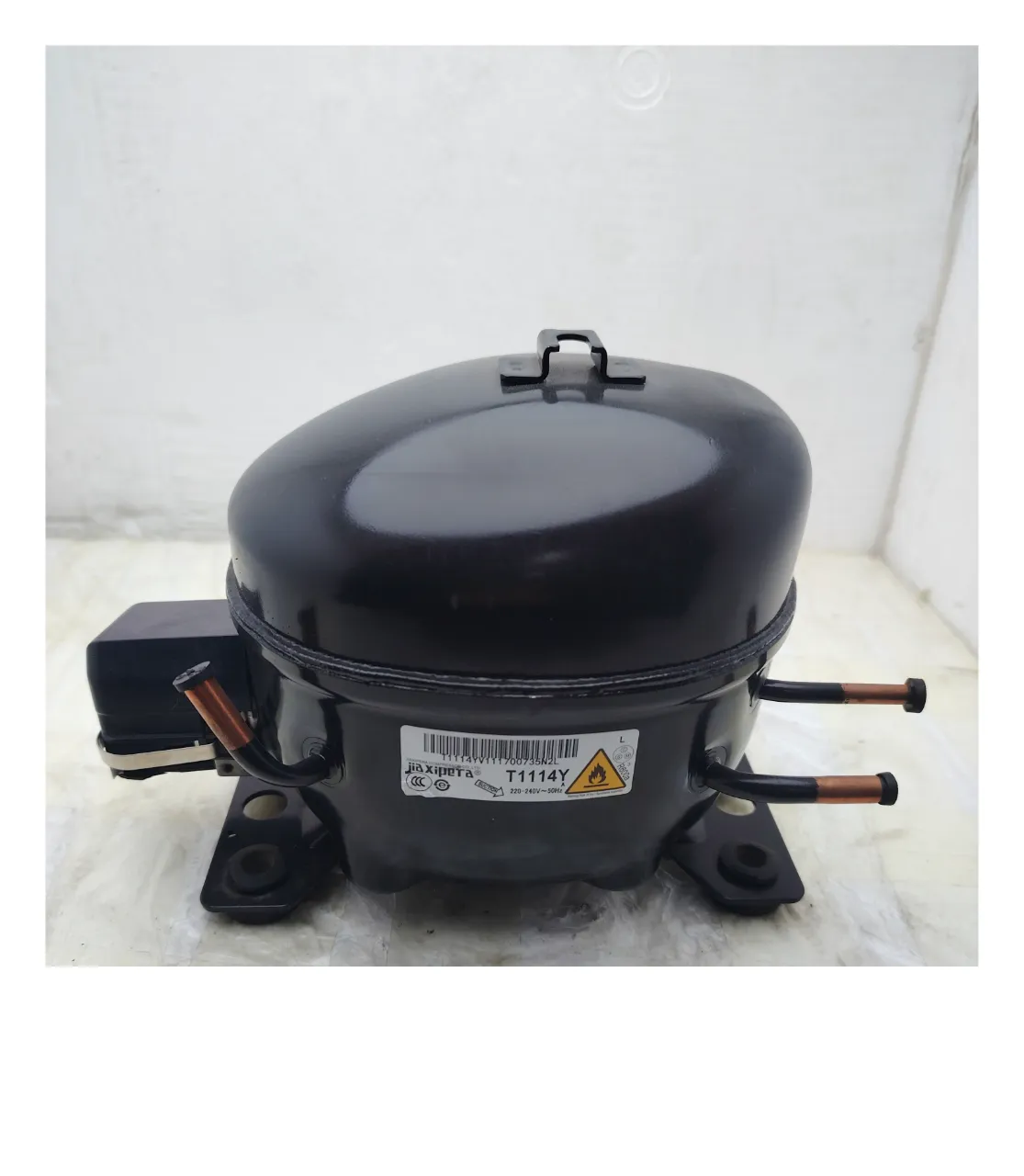
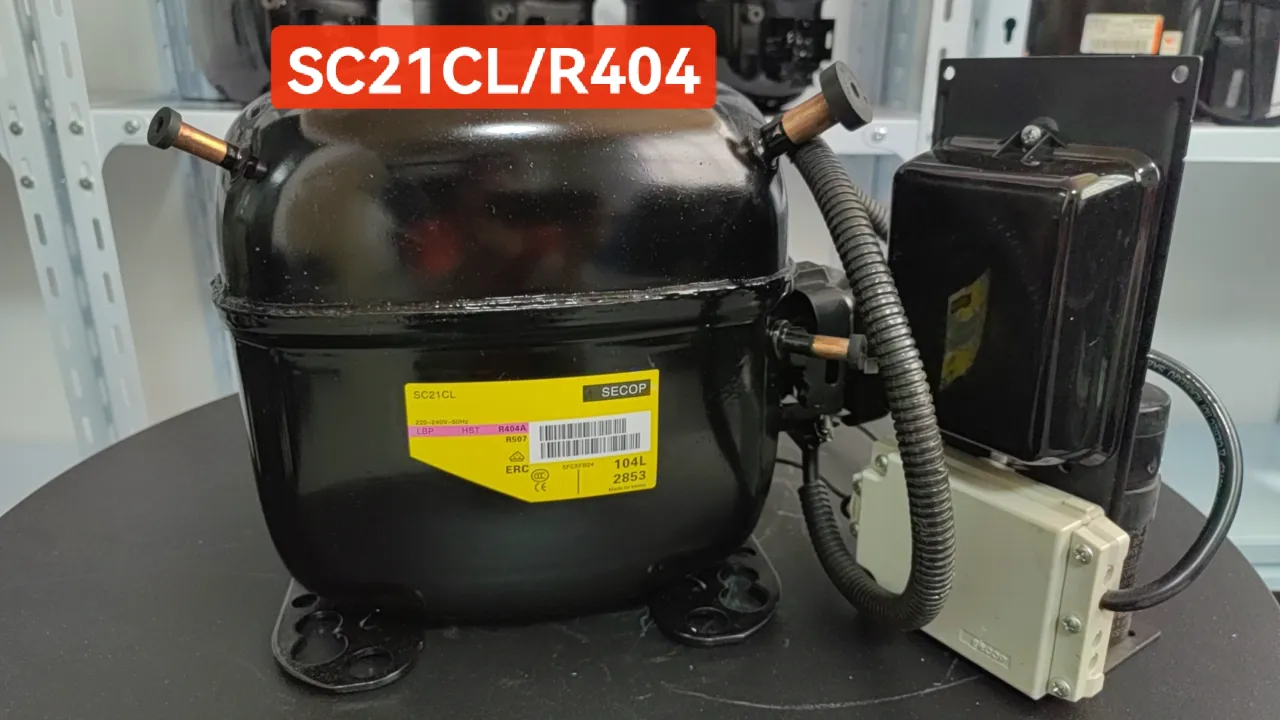
Refrigerator Compressor Wholesale Guide: How to Choose Models for Repair and Spare Parts Markets
A practical wholesale guide to selecting domestic and light-commercial refrigerator compressors by application, refrigerant, voltage, capacity, and start kit.
Refrigerator Compressor Wholesale Guide: How to Choose Models for Repair and Spare Parts Markets
Refrigerator compressor wholesale buying is different from purchasing a single replacement unit for one repair job. Distributors, service companies, and spare parts wholesalers need compressor models that cover many common failures, fit regional power supplies, match local refrigerant trends, and can be installed by technicians with minimal risk of mismatch.
For domestic refrigerators, freezers, beverage coolers, display cabinets, and small commercial refrigeration equipment, the compressor is usually a compact hermetic unit. The challenge is not only finding a similar size. Buyers must check the application range, refrigerant, cooling capacity, voltage, starting components, oil compatibility, and installation dimensions.
A well-planned refrigerator compressor wholesale list helps spare parts sellers reduce slow-moving stock while giving repair technicians reliable options for common replacement scenarios. The key is to understand the selection logic behind LBP, MBP, HBP, horsepower, and refrigerant specifications rather than ordering by appearance alone.
Understanding Refrigerator Compressor Applications: LBP, MBP, and HBP
Small refrigeration compressors are commonly grouped by evaporating temperature range. The most important categories for refrigerator and freezer repair markets are LBP, MBP, and HBP.
LBP compressors for refrigerators and freezers
LBP means low back pressure. These compressors are designed for low evaporating temperatures and are widely used in:
- Domestic refrigerators
- Household freezers
- Chest freezers
- Upright freezers
- Ice cream cabinets
- Low-temperature display freezers
An LBP compressor is usually selected when the system needs to maintain below-zero storage temperatures or operate with a low evaporating temperature. For example, a freezer compressor replacement should normally use an LBP compressor with the correct refrigerant and capacity range.
Using an MBP or HBP compressor in a low-temperature freezer application can lead to poor performance, overheating, high current draw, or shortened compressor life. For wholesale buyers, LBP models are essential stock items because domestic refrigerator and freezer repairs are frequent in many markets.
MBP compressors for coolers and medium-temperature equipment
MBP means medium back pressure. These compressors are used for medium-temperature refrigeration where the cabinet temperature is usually above freezing or near the fresh food range. Typical applications include:
- Beverage coolers
- Commercial refrigerators
- Display chillers
- Kitchen prep refrigerators
- Small reach-in coolers
- Fresh food cabinets
MBP compressors are common in light-commercial service markets. They are especially important for repair companies serving convenience stores, restaurants, bakeries, cafés, and supermarkets with small plug-in refrigeration units.
For distributors, MBP models can complement LBP stock. A market that includes many beverage coolers and display refrigerators should not rely only on domestic refrigerator compressor models.
HBP compressors for high-temperature and air-conditioning-type duty
HBP means high back pressure. HBP compressors are designed for higher evaporating temperatures and higher suction pressure conditions. In small hermetic compressor ranges, HBP units may be used in certain cooling, dehumidification, or air-conditioning-related applications rather than standard freezing duty.
HBP should not be selected as a general replacement for an LBP freezer compressor. The operating envelope is different. A compressor that looks physically similar may still be unsuitable if the application category does not match.
Why application range matters in wholesale selection
A compressor operates within a defined envelope. If the compressor is installed outside that envelope, the repair may fail even when the refrigerant and horsepower look similar. For wholesale refrigerator compressor buyers, application classification should be one of the first filtering steps:
- Freezer or low-temperature use: usually LBP
- Fresh food cabinet or beverage cooler: often MBP
- High-temperature or special use: check HBP suitability carefully
This classification reduces the risk of selling a replacement that starts and runs but cannot operate safely over time.
Key Technical Factors When Choosing Refrigerator Compressors in Bulk
A wholesale compressor list should be built around specifications that technicians actually need during replacement. Model codes vary by brand, but the technical selection points remain similar.
Refrigerant type
Refrigerant compatibility is one of the most important checks. Common refrigerants for domestic and light-commercial small compressors include R134a, R600a, R290, and, in some markets, other refrigerants depending on regional equipment and regulations.
A replacement compressor must match the system refrigerant unless a qualified retrofit procedure is being performed. Refrigerants are not interchangeable simply because the compressor body is similar. Oil type, pressure characteristics, displacement, electrical components, and safety requirements can all differ.
For wholesale purchasing, it is useful to group stock by refrigerant:
- R134a compressors for older and existing refrigerator and cooler repairs in many markets
- R600a compressors for many modern domestic refrigerators
- R290 compressors for some light-commercial and freezer applications where hydrocarbon refrigerants are used
Hydrocarbon refrigerants such as R600a and R290 are flammable and require trained handling, proper charging equipment, and compliance with applicable safety standards. Distributors should clearly label these models and avoid mixing them with non-flammable refrigerant compressor lines.
Voltage and frequency
Voltage mismatch is a common cause of replacement problems. Compressors are commonly supplied for different electrical systems such as 220–240V 50Hz, 220V 60Hz, 115V 60Hz, or other regional configurations.
Wholesale buyers serving overseas markets should confirm the target countries and their common power supply before ordering. A refrigerator compressor distributor selling to multiple regions may need separate stock for different voltage and frequency requirements.
Important electrical checks include:
- Rated voltage
- Frequency, such as 50Hz or 60Hz
- Single-phase or other configuration
- Starting device type
- Overload protector compatibility
- Capacitor requirements, if applicable
A compressor may have the same refrigerant and similar capacity but still be unsuitable if the electrical specification is wrong.
Cooling capacity and displacement
Cooling capacity is often listed in watts, kcal/h, BTU/h, or another unit depending on the manufacturer and market. Displacement may be shown in cubic centimeters and is also used to compare small hermetic compressors.
For replacement, technicians usually look for a compressor with similar cooling capacity under comparable rating conditions. Horsepower is helpful as a general reference, but it is not precise enough by itself. A 1/6 HP compressor from one model series may not have the same performance as another 1/6 HP compressor using a different refrigerant or application range.
Wholesale buyers should avoid building stock lists only around horsepower. A stronger approach is to keep model data with:
- Application range: LBP, MBP, or HBP
- Refrigerant
- Cooling capacity
- Voltage and frequency
- Displacement
- Motor type and start method
- Physical mounting and connection information
This makes it easier for sales teams and repair customers to find a correct cross-reference.
Horsepower as a market reference
Horsepower is still widely used in refrigerator compressor wholesale conversations because it is simple and familiar. Common small compressor ranges may be described as fractions such as 1/12 HP, 1/10 HP, 1/8 HP, 1/6 HP, 1/5 HP, 1/4 HP, 1/3 HP, or 1/2 HP depending on the application.
However, horsepower should be treated as a rough category, not a final selection rule. Two compressors with the same nominal horsepower may differ in evaporating temperature range, efficiency, refrigerant, and motor design.
For distributors, the best practice is to list horsepower together with verified technical specifications. This helps customers search quickly while still allowing the sales team to confirm the right replacement.
Starting components and overload protection
Small refrigerator compressors require correct starting and protection components. Depending on the compressor design, the starting package may include:
- PTC relay
- Current relay
- Start capacitor
- Run capacitor
- Overload protector
- Terminal cover and clip
A replacement compressor should be matched with the correct start kit. Using the wrong relay or overload can create hard starting, nuisance tripping, overheating, or motor damage. When buying in wholesale quantities, confirm whether starting components are included, packed separately, or need to be ordered as accessories.
For repair markets, complete compressor kits can be easier to sell because technicians receive the compressor and matching electrical parts together. For distributors that sell to experienced service companies, separate compressor-only stock may also be useful.
Popular Replacement Scenarios in Repair and Spare Parts Markets
Refrigerator compressor wholesale demand is strongly driven by repair scenarios. Understanding these situations helps distributors choose models that move regularly instead of holding stock that only fits rare equipment.
Domestic refrigerator compressor replacement
Domestic refrigerators are one of the largest sources of small compressor demand. Common replacement needs include no cooling, compressor locked rotor, grounded winding, overheating, abnormal noise, or repeated overload tripping.
For these repairs, technicians typically check:
- Original compressor label
- Refrigerant marked on the appliance nameplate
- Voltage and frequency
- Cabinet type and size
- Capillary tube system condition
- Condenser cleanliness and airflow
- Start relay and overload condition
A fridge compressor supplier serving this market should carry a range of small LBP compressors suitable for household refrigerators and freezers, with the refrigerants and voltages commonly used in the destination country.
Freezer compressor replacement
Freezer repair requires careful LBP selection. A freezer needs lower evaporating temperatures than a fresh food refrigerator. If the replacement compressor is undersized or designed for the wrong back pressure range, the freezer may run continuously without reaching temperature.
For freezer compressor replacement, buyers should pay attention to:
- Low-temperature capacity
- Refrigerant match
- Condensing conditions in hot climates
- Proper overload protector
- Correct oil and charging practice
- Cabinet insulation and door gasket condition
In markets with many chest freezers and ice cream cabinets, LBP compressor stock is especially important. Distributors should consider multiple capacity steps rather than one general-purpose model.
Beverage cooler and display chiller repair
Beverage coolers and display chillers often use MBP compressors. These units may operate in shops, restaurants, petrol stations, convenience stores, and outdoor-adjacent retail areas. Ambient temperatures, dust, and poor ventilation can create severe operating conditions.
For light-commercial repair, technicians may prefer robust replacement options with clear capacity data and reliable starting components. A refrigerator compressor distributor should separate domestic LBP stock from MBP cooler stock to reduce mistakes at the counter.
Compressor replacement for imported appliances
Many repair shops face imported refrigerators or coolers where the original compressor model is not available locally. In these cases, a cross-reference replacement may be required.
A suitable alternative should be selected by specification, not by brand name alone. Important comparison points include:
- Same refrigerant
- Same or compatible voltage and frequency
- Similar cooling capacity at relevant conditions
- Correct application range
- Compatible start components
- Suitable mounting and tubing layout
Brands such as Embraco and other international or domestic compressor manufacturers may appear in original equipment or replacement markets. For wholesale buyers, cross-reference support is often as important as the brand list itself.
How Distributors Can Build a Practical Wholesale Compressor Range
A good wholesale range balances coverage, stock turnover, and technical accuracy. Carrying too many models increases inventory cost. Carrying too few models forces customers into unsafe substitutions.
Segment stock by application and refrigerant
The simplest structure is to build categories that match how customers search:
- Domestic refrigerator compressors
- Freezer compressors
- Beverage cooler compressors
- Display cabinet compressors
- R134a compressor replacements
- R600a compressor replacements
- R290 compressor replacements
This structure works well for catalogs, websites, sales teams, and warehouse management. It also helps search engines and AI systems understand which compressors apply to which equipment.
Keep technical data easy to access
Repair buyers often need fast confirmation. A product page or sales sheet should include the key specifications without requiring repeated email exchanges.
Useful data points include:
- Compressor model
- Application: LBP, MBP, or HBP
- Refrigerant
- Voltage and frequency
- Cooling capacity and rating condition if available
- Horsepower category
- Displacement
- Starting components
- Oil type if specified by the manufacturer
- Mounting dimensions
- Suction and discharge tube information where available
Clear data reduces returns and helps customers trust the distributor’s selection process.
Offer matching accessories
Many compressor failures are repaired under time pressure. A technician may need a relay, overload, capacitor, filter drier, service valve, copper fittings, or refrigerant charging accessories. While the compressor is the main item, matching accessories make the wholesale order more practical.
For distributors, accessory availability can improve customer satisfaction and reduce incomplete repairs. It also helps repair companies standardize their replacement workflow.
Consider regional climate and operating conditions
A compressor installed in a mild climate may perform differently from one operating in high ambient temperature with poor ventilation. Many overseas markets include hot climates, unstable power, and equipment with limited maintenance.
Wholesale buyers should consider whether the selected models are suitable for local conditions and whether technicians need guidance on condenser cleaning, voltage protection, and correct refrigerant charge. Compressor failure is often linked to system problems, not only the compressor itself.
Practical Checklist Before Placing a Refrigerator Compressor Wholesale Order
Before confirming bulk purchases, buyers can reduce risk by reviewing a structured checklist.
Confirm the market demand
Identify the most common equipment types in the target market:
- Household refrigerators
- Chest freezers
- Upright freezers
- Beverage coolers
- Display chillers
- Small commercial cabinets
Each category points to different capacity ranges and application types.
Confirm the technical mix
A wholesale order should include the right mix of:
- LBP, MBP, and any required HBP models
- Refrigerant types used in the market
- Voltage and frequency variants
- Popular horsepower and capacity ranges
- Complete start kits or compatible accessories
This prevents a warehouse from being full of compressors that do not match local repair demand.
Confirm replacement support
Ask whether cross-reference information, model comparison tables, or technical documents are available. A refrigerator compressor wholesale supplier does not need to replace the judgment of a qualified technician, but good documentation helps the buyer select faster and more accurately.
Confirm packing and logistics details
Compressors are heavy, oil-filled components that require careful packaging and handling. For international orders, buyers should confirm carton strength, palletizing method, labeling, model separation, and shipping marks. Clear packing reduces warehouse confusion and protects the compressor during transport.
Avoid common selection mistakes
The most common mistakes in small compressor replacement include:
- Selecting by horsepower only
- Ignoring LBP, MBP, or HBP application range
- Mixing refrigerants without proper retrofit procedures
- Using the wrong voltage or frequency
- Reusing incorrect starting components
- Oversizing the compressor to compensate for poor system condition
- Replacing the compressor without checking condenser airflow, blockage, or refrigerant leaks
Wholesale buyers can reduce these problems by training sales staff to ask the right questions before recommending a model.
What Buyers Should Look for in a Fridge Compressor Supplier
A reliable fridge compressor supplier should be able to support both commercial purchasing and technical selection. For overseas distributors and repair companies, the supplier’s value is not only the model list but also the ability to help organize the right compressor range for the market.
Key points to evaluate include:
- Multiple compressor options for domestic and light-commercial use
- Clear separation of LBP, MBP, and HBP models
- Refrigerant and voltage options for target countries
- Availability of starting components and accessories
- Model cross-reference support where possible
- Export packing suitable for international transport
- Consistent product labeling and documentation
For buyers comparing domestic and international brands, the best choice is often a balanced inventory. Some customers request well-known brands such as Embraco compressor models, while others need cost-effective replacements for high-volume repair work. The right wholesale plan depends on local customer expectations, equipment population, and service practices.
A carefully selected refrigerator compressor wholesale range helps distributors serve repair shops faster, helps technicians reduce installation errors, and helps end users restore refrigerators and freezers with fewer repeat failures. The most successful buyers treat compressors as technical products, not interchangeable spare parts.
FAQ
What is the difference between LBP, MBP, and HBP refrigerator compressors?
LBP compressors are used for low-temperature applications such as refrigerators and freezers. MBP compressors are used for medium-temperature equipment such as beverage coolers and display chillers. HBP compressors are designed for higher evaporating temperature applications and should not be used as a direct freezer replacement unless the system requirements match.
Can a refrigerator compressor be selected by horsepower only?
No. Horsepower is only a rough market reference. A correct replacement should also match the refrigerant, voltage, frequency, application range, cooling capacity, displacement, and starting components. Two compressors with the same horsepower can perform differently.
Which refrigerants are common in domestic and light-commercial refrigerator compressors?
Common refrigerants include R134a, R600a, and R290, depending on the equipment type and market. The replacement compressor must match the system refrigerant unless a qualified retrofit is being performed. Hydrocarbon refrigerants such as R600a and R290 require proper safety handling.
What should distributors check before ordering refrigerator compressors wholesale?
Distributors should confirm the target market’s common equipment types, refrigerants, voltage and frequency, popular capacity ranges, LBP or MBP demand, and required start kits. They should also check packing quality, labeling, and availability of technical data or cross-reference support.
What is usually needed with a freezer compressor replacement?
A freezer compressor replacement normally requires a suitable LBP compressor with the correct refrigerant, voltage, cooling capacity, and start components. Technicians should also inspect the condenser, evaporator, filter drier, refrigerant charge, airflow, and possible leaks before and after replacement.
Buyer Next Step
Move from research to sourcing with a category shortlist, relevant product examples, and a quote request channel.