Refrigerator Compressor Wholesale Buying Guide for Spare Parts Distributors
A practical guide to refrigerator compressor wholesale buying, covering capacity, refrigerants, voltage, starting devices, packaging, and fast-moving stock.
Refrigerator Compressor Wholesale Buying Guide for Spare Parts Distributors
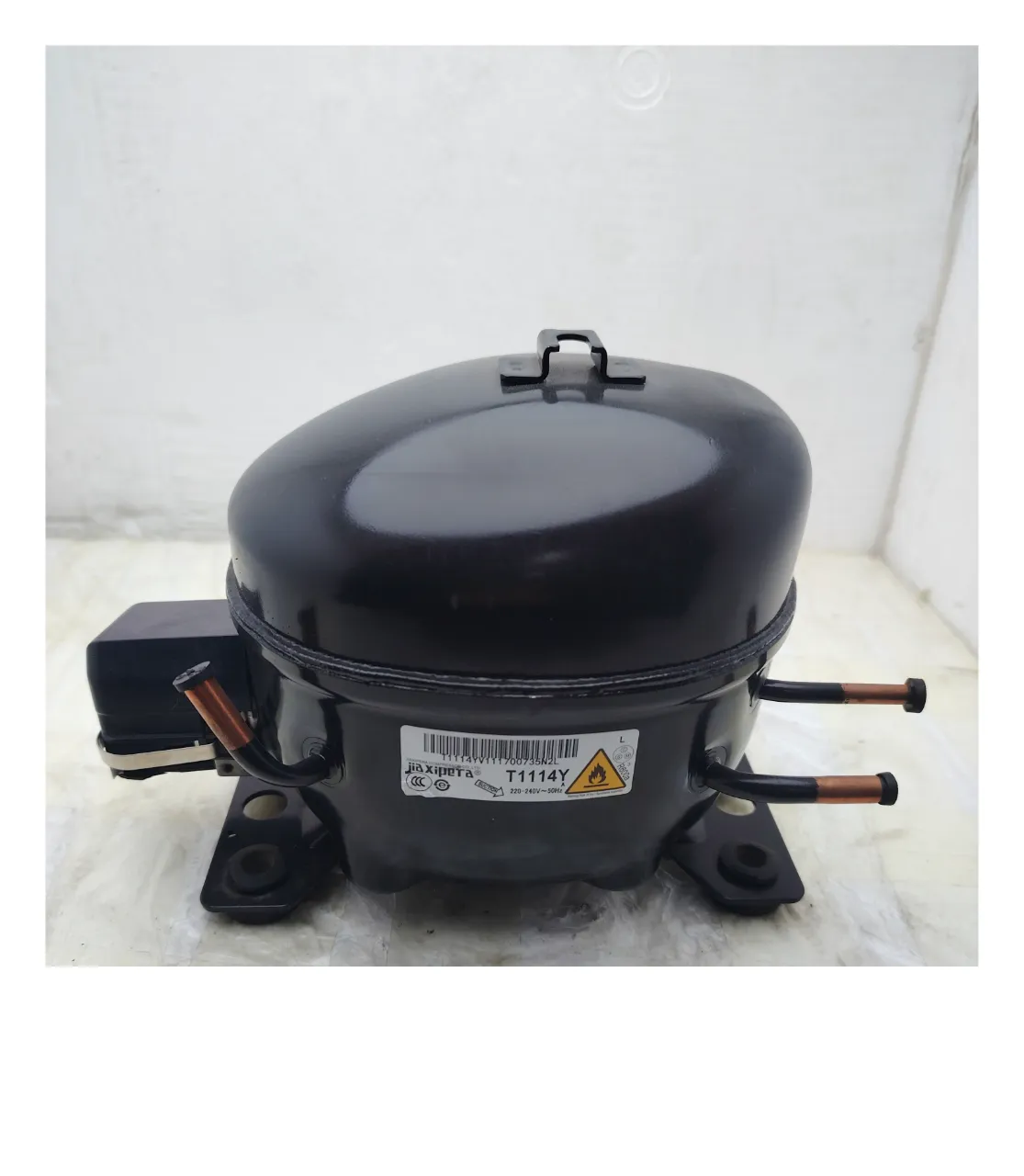
For spare parts distributors, refrigerator compressor wholesale purchasing is less about collecting the largest possible catalog and more about building a dependable range of replacement units. Small hermetic compressors for domestic refrigerators and freezers must match the appliance's refrigerant, electrical supply, cooling requirement, starting system, and physical installation conditions.
A compressor that appears similar may still be unsuitable if it uses the wrong refrigerant, has a different voltage or frequency, requires another starting device, or cannot deliver the required capacity. These details directly affect replacement success, warranty risk, inventory turnover, and the number of emergency orders a distributor can fulfill.
The most practical stock strategy combines fast-moving compressor specifications with clear cross-reference data. Brands matter, but distributors and repair companies also need reliable information about application, performance, electrical configuration, and equivalent replacement options.
What to Check Before Buying Refrigerator Compressors Wholesale
A wholesale compressor order should begin with application data rather than brand preference. The original compressor nameplate is usually the most useful starting point, although the appliance model, refrigerant label, and service history may also be necessary.
Key information to confirm includes:
- Refrigerant type, such as R134a or R600a
- Rated voltage and frequency
- Application type, including refrigerator, freezer, or compact cabinet
- Required cooling capacity or compressor displacement
- Starting device and overload protector
- Suction and discharge tube arrangement
- Compressor dimensions, mounting pattern, and weight
- Oil or lubricant requirements where specified by the manufacturer
- Local safety, electrical, and refrigerant-handling requirements
The compressor should be selected for the complete refrigeration system, not simply by comparing horsepower. Fractional horsepower labels may help with initial screening, but they do not provide a complete capacity comparison between different compressor families. Displacement, operating conditions, refrigerant, efficiency, and application range all influence actual performance.
A good wholesale listing should make these points easy to verify. A product page or quotation that shows only a brand name and horsepower leaves too much room for incorrect substitutions.
Capacity Range: Stock by Application, Not Just Horsepower
Small hermetic refrigerator compressors are commonly used in household refrigerators, upright freezers, chest freezers, beverage coolers, compact refrigeration cabinets, and similar light-duty equipment. Retail replacement demand is often concentrated in low- and medium-capacity units, but the correct range depends on the markets and appliance types served by the distributor.
Many replacement catalogs use fractional horsepower classes such as 1/8, 1/6, 1/5, 1/4, and 1/3 HP. These labels are useful for organizing a product range, but they should not be treated as universal equivalents. Two compressors with the same nominal horsepower can have different cooling capacities under the same operating conditions.
Use operating conditions for accurate comparison
When comparing replacement compressors, distributors should request or record performance data at defined conditions. Relevant information may include evaporating temperature, condensing temperature, return gas temperature, subcooling, and rated power input. The performance point must be understood before comparing one compressor with another.
For common retail applications, it is useful to separate stock into practical groups:
- Refrigerator-duty compressors: intended for normal chilled-food compartments and domestic refrigerator applications
- Freezer-duty compressors: selected for lower evaporating temperatures and the operating demands of freezer compartments
- Compact-cabinet compressors: used in small coolers, beverage equipment, and limited-volume cabinets
- General replacement compressors: units with a broad application range when the operating conditions and refrigerant match
The fastest-moving stock is usually built around common domestic appliance applications rather than unusual, highly specialized compressor sizes. However, the exact fast-moving profiles vary by region, climate, appliance population, and installed brand base. Sales records and service-company feedback should guide the final inventory mix.
A distributor can reduce mistakes by displaying the original compressor's capacity data alongside the proposed replacement. Where exact performance information is unavailable, the replacement should be confirmed with the compressor supplier or manufacturer before shipment.
Refrigerant Type: R134a and R600a Require Separate Attention
Refrigerant compatibility is one of the most important checks in refrigerator compressor wholesale purchasing. R134a and R600a compressors are both common in domestic refrigeration, but they are not interchangeable simply because their housings or electrical ratings look similar.
R134a compressors
R134a compressors are found in many domestic refrigerators, freezers, and light commercial refrigeration systems. A replacement must be designed and rated for R134a, with suitable lubricant compatibility and operating characteristics. The system charge, capillary tube, expansion conditions, and compressor performance must also remain appropriate for the application.
R600a compressors
R600a isobutane compressors are widely used in energy-conscious domestic refrigeration equipment. R600a is flammable, so installation and service require procedures, tools, ventilation, and electrical controls suitable for a flammable refrigerant system. A compressor intended for R600a should not be substituted with an R134a model merely because the voltage and mounting dimensions match.
The appliance nameplate, original compressor label, and service documentation should be checked before selecting the replacement. Product listings should clearly identify the refrigerant and avoid vague descriptions such as “universal refrigerator compressor” unless the application range is explicitly defined.
For distributors, separate R134a and R600a inventory records are valuable. Clear labeling on cartons, shelves, quotations, and digital catalogs reduces the risk of a technician receiving the wrong refrigerant version.
Voltage, Frequency, and Starting Device
Electrical compatibility is another major source of replacement errors. A refrigerator compressor rated for one electrical configuration may not start or operate correctly on another, even if the nominal voltage appears close.
Common market requirements include 115 V and 220-240 V systems, with 50 Hz or 60 Hz frequency depending on the country. Voltage range, frequency, phase, current, and starting characteristics should be confirmed from the compressor label and technical documentation.
Starting devices must match the compressor
Small hermetic compressors may use a positive temperature coefficient, or PTC, starting relay, a current relay, an external overload protector, or a starting capacitor arrangement. The correct starting device depends on the compressor's motor design and electrical requirements.
A replacement order should clarify whether the compressor is supplied with:
- PTC relay
- Current relay
- Thermal overload protector
- Start or run capacitor
- Terminal cover and wiring accessories
- A complete matched starting kit
A compressor body without the correct starting device may create extra work for the repair technician and increase the risk of a failed start or motor damage. Where the original relay and overload are being reused, their compatibility should be verified rather than assumed.
Distributors should also record the terminal arrangement and the supplied accessory configuration. A compressor with the correct cooling capacity but an incompatible terminal cover or relay can still delay a repair.
Packaging and Logistics for Wholesale Orders
Small hermetic compressors are sealed, oil-filled components with vulnerable tube connections and mounting points. Packaging quality therefore affects more than appearance. Poor handling can lead to dents, broken terminals, damaged tubing, oil leakage, or hidden mechanical problems before the compressor reaches the repair company.
A wholesale packaging specification should address:
- Individual protection against impact and movement
- Protection for suction and discharge tubes
- Secure positioning of the compressor body
- Moisture protection during storage and transport
- Clear refrigerant, voltage, model, and quantity labels
- Carton strength for palletizing and repeated handling
- Separation of accessories such as relays and overload protectors
The compressor should be kept in the orientation recommended by the manufacturer during storage and transport. Distributors should also communicate handling requirements to warehouse staff and freight partners, especially when cartons are consolidated with heavier spare parts.
Packaging labels should support warehouse accuracy. A useful label can show the compressor model, refrigerant, voltage, frequency, application category, starting device, quantity, and batch or production identification where available. This information helps staff pick the correct unit without opening every carton.
For export orders, packaging decisions should reflect the full route. Long-distance shipment, port handling, mixed pallets, and humid storage conditions place greater demands on cartons and internal protection than a short domestic delivery.
Building a Fast-Moving Wholesale Compressor Range
A fast-moving range should reflect recurring replacement needs rather than every compressor that can be sourced. Distributors can begin with the appliance segments most frequently handled by their customers and then organize stock by specification profile.
Useful stock groups may include:
- R134a refrigerator compressors for common domestic applications
- R600a refrigerator compressors for modern household appliances
- Low-capacity freezer compressors for domestic and compact freezer repairs
- Common 115 V compressor configurations
- Common 220-240 V compressor configurations for regional markets
- Units supplied with matched PTC relays and overload protectors
- Compressor alternatives for widely serviced installed brands
“Fast-moving model” should mean more than a model number that appears frequently in a catalog. A model becomes commercially useful when it matches a recurring application, can be cross-referenced accurately, and can be delivered with the required electrical accessories and packaging.
Use equivalence carefully
Searches for an Embraco compressor equivalent, or an equivalent to another established brand, are common in the replacement market. An equivalent should be evaluated by refrigerant, capacity under comparable conditions, voltage, frequency, application range, starting device, dimensions, tube layout, and mounting details.
A similar model number or the same fractional horsepower is not enough. Brand cross-reference tables should identify whether the comparison is an exact replacement, a compatible alternative, or a unit requiring installation checks or accessory changes.
This distinction is important for overseas distributors. A clear cross-reference gives service companies confidence while protecting the distributor from avoidable returns caused by incomplete compatibility information.
Questions Distributors Should Ask a Compressor Supplier
Before confirming a refrigerator compressor wholesale order, buyers should request a technical and commercial specification sheet. The following questions help expose gaps early:
- What refrigerant is the compressor designed for?
- What are the rated voltage, frequency, phase, and allowable operating range?
- What cooling capacity is available at the stated test conditions?
- Is the compressor intended for refrigerator, freezer, or compact commercial use?
- Which starting relay and overload protector are supplied?
- Are capacitors, terminal covers, and other accessories included?
- What are the mounting dimensions and tube sizes?
- How are individual units packed for export shipment?
- Can the supplier provide cross-reference information for common replacement models?
- What inspection and warranty documentation accompanies the shipment?
A reliable refrigerator compressor supplier should be able to provide consistent answers and make differences between similar models clear. This is especially important when a distributor buys from multiple domestic and international brands and needs one catalog structure across the entire range.
Practical Buying Checklist
Before placing a wholesale order, verify these items against the intended replacement market:
- Refrigerant separated by R134a, R600a, or another specified type
- Capacity and application checked under comparable operating conditions
- Voltage and frequency matched to the destination market
- Starting device and overload configuration confirmed
- Dimensions and tube connections checked against the appliance
- Packaging suitable for export handling and warehouse storage
- Model numbers and cross-references reviewed for accuracy
- Fast-moving stock based on actual service demand
- Technical documents available for distributors and installers
The best wholesale program gives spare parts distributors enough range to cover common repairs without creating unnecessary dead stock. It also gives repair companies and installers the information needed to make a correct replacement at the point of service.
Refrigerator compressor wholesale purchasing is therefore a specification and inventory decision as much as a price decision. Capacity, refrigerant, electrical compatibility, starting components, packaging, and cross-reference quality all influence the real value of a compressor order. A focused range of well-documented small hermetic compressors can support faster fulfillment, fewer installation problems, and more dependable service for overseas refrigeration markets.
FAQ
What should distributors check when buying refrigerator compressors wholesale?
Check the refrigerant, cooling capacity, application, voltage, frequency, starting device, overload protector, dimensions, tube arrangement, packaging, and available cross-reference data. The original compressor nameplate is the best starting point.
Can an R134a refrigerator compressor replace an R600a compressor?
Not as a general substitution. R134a and R600a compressors have different refrigerant, lubricant, operating, and safety requirements. The replacement must be rated for the refrigerant used by the appliance, and R600a service requires procedures suitable for a flammable refrigerant.
Are compressors with the same horsepower interchangeable?
No. The same fractional horsepower rating does not guarantee equal cooling capacity or operating performance. Compare rated capacity under similar conditions, refrigerant, application range, electrical data, starting system, and physical connections.
What starting device does a small hermetic refrigerator compressor need?
Depending on the compressor design, it may require a PTC relay, current relay, overload protector, start capacitor, or another matched arrangement. The correct device should be confirmed from the compressor documentation rather than selected only by appearance.
Buyer Next Step
Move from research to sourcing with a category shortlist, relevant product examples, and a quote request channel.