Refrigeration Compressor Replacement Guide for Overseas Buyers
A practical compressor replacement guide for distributors, repair companies, and cold-room contractors comparing application, refrigerant, voltage, capacity, and fit.
Refrigeration compressor replacement is not a simple model-to-model purchase. For overseas buyers, the correct choice depends on the application, refrigerant, power supply, cooling capacity, mounting layout, connection sizes, oil type, and real brand availability in the destination market.
This is especially important for refrigeration spare parts distributors, repair companies, and cold-room installers who often need to replace failed compressors quickly while controlling freight cost and avoiding return risk. A compressor that looks similar on paper may still create problems if the electrical specification, displacement, refrigerant compatibility, or pipe connection does not match the original system.
A good refrigeration compressor replacement guide should help buyers answer one practical question: what information is needed before confirming a replacement compressor, whether the preferred brand is Copeland, Bitzer, Danfoss, Tecumseh, Embraco, Panasonic, GMCC, Highly, Secop, or another available option?
What Changed in Compressor Replacement Purchasing
Replacement buying has become more complicated because the refrigeration market is no longer centered on a few standard refrigerants and local model numbers. Overseas buyers now deal with mixed installed equipment, regional voltage differences, discontinued compressor models, refrigerant transitions, and variable brand availability.
For distributors and service companies, this creates three common challenges:
- The original compressor model is no longer available or has a long lead time.
- The customer asks for a lower-cost equivalent but cannot provide full technical data.
- A compressor model cross reference gives several options, but the buyer must judge which one is suitable for the actual system.
OEM replacement tools and brand-specific cross references are useful, but they are usually built around one manufacturer’s product range. Overseas buyers often need a neutral, multi-brand purchasing approach because they may source from several compressor brands depending on stock, price, application, refrigerant, and delivery schedule.
A replacement compressor should be selected by system requirements rather than by brand name alone. The brand matters, but the operating envelope and installation details matter more.
Step-by-Step Compressor Replacement Checklist
Before asking for a quotation, collect as much information as possible from the old compressor, the refrigeration unit, and the site conditions. A complete request saves time and reduces the risk of selecting the wrong compressor.
1. Identify the Application
Start with the refrigeration application. Compressors are designed and rated for different operating conditions, so the same horsepower label can mean very different performance in different systems.
Common applications include:
- Display cabinets and beverage coolers
- Reach-in refrigerators and freezers
- Supermarket refrigeration equipment
- Ice machines
- Cold rooms and walk-in freezers
- Condensing units
- Air-conditioning systems
- Heat pumps
- Transport or special refrigeration equipment
The key distinction is temperature range. A medium-temperature compressor for chillers or cold rooms is not automatically suitable for low-temperature freezer operation. Low-temperature applications require compressors that can operate safely at lower evaporating temperatures and higher compression ratios.
When possible, provide the evaporating temperature and condensing temperature. If those are not available, describe the application clearly, including product temperature, ambient conditions, and whether the system is for cooling, freezing, or air-conditioning.
2. Confirm the Refrigerant
Refrigerant compatibility is one of the most important checks in commercial refrigeration compressor replacement. A compressor must be approved for the refrigerant used in the system and must match the correct oil type.
Common refrigerants in existing systems may include R134a, R404A, R507, R22, R407C, R410A, R290, R600a, R448A, R449A, R452A, and others. Some older refrigerants are restricted or being phased down in many markets, while newer alternatives may require different compressor approvals and system checks.
Never assume that a compressor for one refrigerant can be used with another refrigerant just because the capacity is similar. Refrigerant affects:
- Compressor operating pressure
- Motor load
- Discharge temperature
- Cooling capacity
- Oil compatibility
- Safety requirements
- System charging procedure
For flammable refrigerants such as R290 or R600a, replacement requires strict attention to approved compressor models, electrical components, refrigerant charge limits, site safety rules, and technician competence. These compressors should not be substituted casually.
3. Match Voltage, Phase, and Frequency
Electrical mismatch is a common cause of failed replacement orders. Overseas buyers should always confirm voltage, phase, and frequency before confirming a compressor.
Typical specifications may include 220-240V 50Hz single phase, 115V 60Hz single phase, 208-230V 60Hz single phase, 380-420V 50Hz three phase, or 460V 60Hz three phase. Regional supply conditions vary widely, and some markets use both 50Hz and 60Hz equipment.
Check the compressor nameplate and the unit electrical panel. Also confirm whether the compressor requires external start components, a run capacitor, a start capacitor, a relay, a contactor, overload protection, or a specific controller.
For three-phase compressors, confirm the voltage range and protection requirements. For inverter-driven compressors, the replacement must be matched carefully with the inverter drive and control logic. A standard fixed-speed compressor cannot simply replace an inverter compressor without system redesign.
4. Compare Capacity and Operating Conditions
Capacity is not only horsepower. Buyers should avoid selecting a replacement compressor only by HP because different compressor designs can produce different cooling capacities at the same nominal horsepower.
The proper comparison is capacity at the same rating conditions, including:
- Evaporating temperature
- Condensing temperature
- Return gas temperature or suction gas condition
- Liquid subcooling
- Refrigerant
- Frequency
If the original model data is available, compare cooling capacity, input power, displacement, and operating envelope. If exact data is not available, use the application and system size to narrow the selection, then confirm with technical documentation or supplier support.
An undersized compressor may fail to pull down temperature, run continuously, or cause customer complaints. An oversized compressor may short cycle, reduce system efficiency, create oil return problems, or stress other components.
5. Check Mounting, Dimensions, and Pipe Connections
A compressor can be technically suitable but difficult to install if the physical layout does not match. This is a major issue for repair teams working on compact condensing units, display cabinets, or packaged refrigeration equipment.
Before purchasing, compare:
- Compressor height, width, and base footprint
- Mounting hole positions
- Suction and discharge pipe locations
- Connection sizes and connection type
- Service port arrangement
- Terminal box position
- Oil sight glass position, if applicable
- Weight and handling requirements
Connection sizes are especially important. A replacement may require pipe adapters, brazing changes, or revised service access. These modifications may be acceptable in a cold-room plant room but difficult inside a small cabinet or OEM condensing unit.
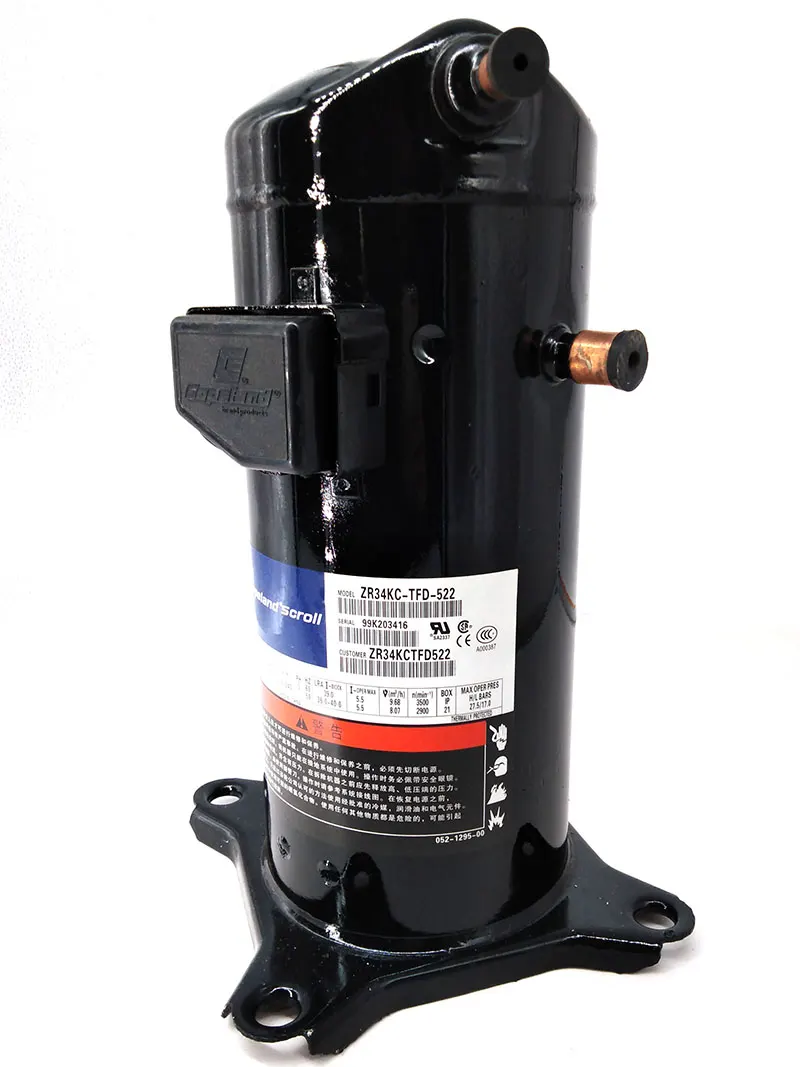
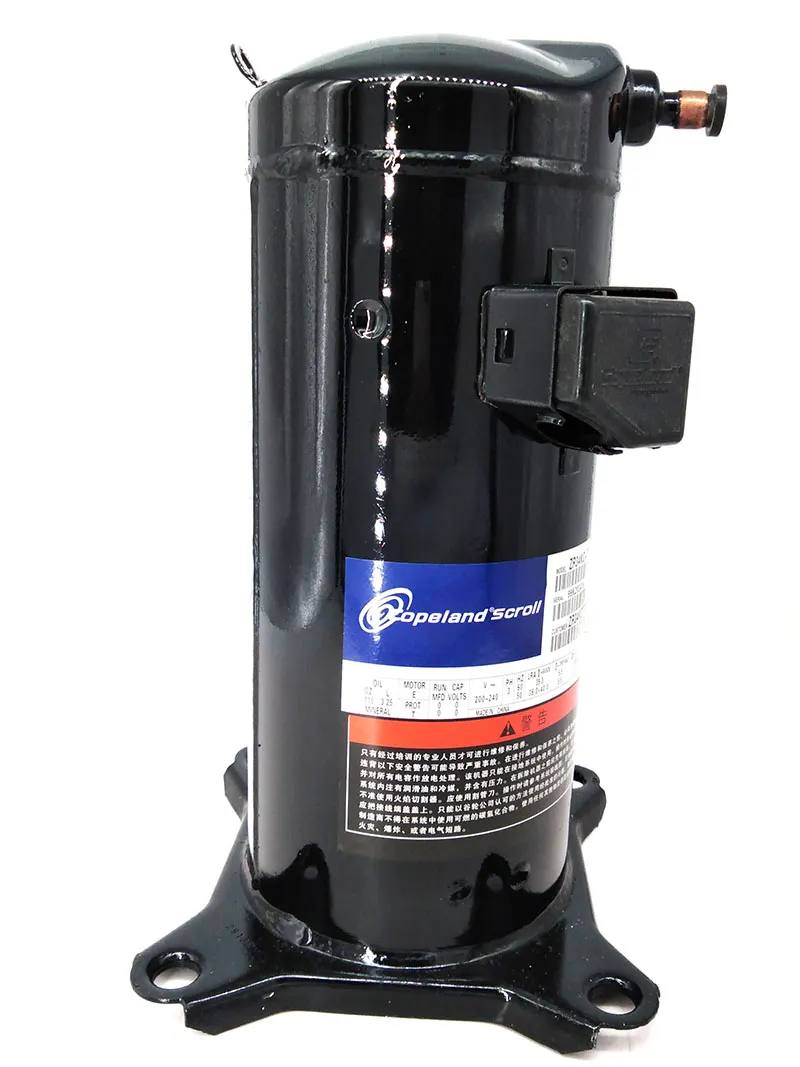
For semi-hermetic compressors, check flange type, valve arrangement, oil pump details, capacity control options, and unloading configuration if used. For scroll compressors, check the mounting base, suction and discharge positions, and whether the application requires a particular scroll family or tandem arrangement.
How to Use Compressor Model Cross References
A compressor model cross reference can be useful when the original model is obsolete or not available in stock. However, cross references should be treated as a starting point, not a final approval.
A cross reference may compare compressors by refrigerant, displacement, capacity range, or application category. It may not fully account for electrical accessories, mounting differences, approved operating envelope, local regulations, or special OEM versions.
What to Send When Requesting a Cross Reference
For faster and more accurate replacement selection, send the following details to the supplier:
- Original compressor brand and full model number
- Clear photo of the compressor nameplate
- Refrigerant used in the system
- Application type and temperature range
- Voltage, phase, and frequency
- Cooling capacity or unit model, if available
- Suction and discharge connection sizes
- Mounting photos or base dimensions
- Required quantity and destination country
- Preference for original brand, equivalent brand, or cost-focused option
Photos are often more useful than partial model numbers. Many compressor series include small suffixes that indicate voltage, refrigerant, oil, motor protection, connection type, or packaging version. Missing suffixes can lead to the wrong selection.
Copeland, Bitzer, Danfoss, and Multi-Brand Replacement Searches
Many buyers search for Copeland compressor replacement, Bitzer compressor replacement, or Danfoss compressor replacement because these brands are widely used in commercial refrigeration and air-conditioning systems. Brand-specific replacement is often the preferred route when the customer wants the closest match and the original series is still available.
A multi-brand replacement may be considered when the original model is unavailable, discontinued, too expensive for the repair budget, or not suitable for the project timeline. In that case, the buyer should compare technical compatibility rather than simply choosing the nearest capacity label.
For example, a replacement candidate should be reviewed against:
- Same or approved refrigerant
- Similar capacity at the required conditions
- Compatible voltage and motor type
- Suitable evaporating temperature range
- Similar displacement and performance profile
- Acceptable mounting and connection layout
- Correct oil and accessories
- Available documentation for installation and service
A distributor can offer more value by presenting options clearly: original model, direct replacement where available, and alternative equivalent with noted installation differences. This helps repair companies make informed decisions and reduces disputes after delivery.
Special Considerations by Compressor Type
Different compressor technologies have different replacement risks. Overseas buyers should understand these differences before approving an alternative.
Hermetic Reciprocating Compressors
Hermetic reciprocating compressors are common in refrigerators, freezers, beverage coolers, small cold rooms, and light commercial systems. Replacement selection usually focuses on refrigerant, voltage, capacity, application temperature, oil type, and connection layout.
For small hermetic compressors, confirm the starting method and accessories. Some models require a PTC starter, current relay, start capacitor, run capacitor, overload protector, or specific terminal cover. A compressor supplied without the correct electrical components may delay repair work.
Scroll Compressors
Scroll compressors are widely used in air-conditioning, heat pumps, chillers, and some refrigeration applications. They are compact and efficient, but replacement requires careful matching of refrigerant, voltage, application envelope, and system design.
For scroll compressor replacement, check whether the compressor is for air-conditioning or refrigeration service. Also confirm phase sequence requirements, oil type, crankcase heater, sound shell, injection port, or tandem application where relevant.
Semi-Hermetic Compressors
Semi-hermetic compressors are common in commercial refrigeration, cold rooms, supermarkets, and industrial-style packaged systems. They are serviceable and often have multiple configuration options.
When replacing a semi-hermetic compressor, check more than the basic model number. Important details may include motor version, displacement, valve plate configuration, capacity control, oil pump, oil pressure safety, connection valves, mounting feet, and accessory compatibility.
For Bitzer compressor replacement or other semi-hermetic alternatives, matching the operating envelope and system accessories is essential. A mechanically similar compressor may still require changes to valves, controls, oil management, or protection settings.
Rotary and DC Inverter Compressors
Rotary compressors are common in air-conditioning and some refrigeration equipment. DC inverter compressors require even closer coordination because the compressor, drive board, and controller must work as a system.
For inverter compressor replacement, confirm the exact model, controller compatibility, refrigerant, and electrical control requirements. Do not replace an inverter compressor with a fixed-speed compressor unless the system design and controls are changed by a qualified technician.
Practical Buying Advice for Overseas Distributors and Repair Companies
The best replacement process is built around documentation, communication, and realistic stock planning. For distributors and repair teams, the goal is not only to find a compressor that works, but to create a repeatable purchasing method.
Build a Replacement Information Template
Distributors can reduce errors by using a standard compressor inquiry form. The form should request the original model, nameplate photo, refrigerant, voltage, application, temperature range, connection size, mounting details, and destination.
This also helps sales teams compare options across multiple brands. A clear template is especially useful when communicating across languages and time zones.
Stock by Application, Not Only by Brand
A spare parts distributor may serve several customer groups at once: domestic refrigerator repair shops, supermarket service companies, air-conditioning contractors, and cold-room installers. Stock planning should reflect application demand.
Useful stock categories may include:
- Small hermetic compressors for refrigerators and light commercial cabinets
- Medium-temperature compressors for chillers and cold rooms
- Low-temperature compressors for freezers
- Scroll compressors for air-conditioning and refrigeration
- Semi-hermetic compressors for larger commercial systems
- Electrical accessories and mounting kits for common models
Brand availability matters, but application coverage matters more. A distributor that understands the local installed base can decide when to stock original-brand models and when to offer approved equivalent options.
Confirm Lead Time, Packaging, and Freight Conditions
Compressors are heavy, oil-filled mechanical products that require proper packaging and handling. Overseas buyers should confirm packaging, quantity per pallet, gross weight, and shipping method before ordering.
For urgent repair orders, air freight may be considered for smaller compressors, but freight cost can be high. For planned stock orders, sea freight is usually more practical. In both cases, model accuracy is critical because returns across borders are costly and slow.
Avoid Common Replacement Mistakes
Many compressor replacement problems come from incomplete information rather than poor product quality. The most common mistakes include:
- Selecting by horsepower only
- Ignoring frequency differences between 50Hz and 60Hz markets
- Using an incomplete model number
- Overlooking refrigerant and oil compatibility
- Assuming pipe connections will match
- Reusing faulty electrical components
- Replacing the compressor without finding the cause of failure
- Ignoring system contamination after burnout
A failed compressor may be the result of another system problem, such as poor ventilation, dirty condenser, incorrect charge, liquid floodback, oil return failure, electrical instability, or blocked filter drier. Repair teams should diagnose the root cause before installing the new compressor.
Final Replacement Check Before Ordering
Before confirming a purchase order, review the compressor against the complete system requirement. The safest replacement decision combines technical matching with practical installation checks.
Use this final checklist:
- Is the compressor approved for the refrigerant?
- Does it match the required temperature range?
- Is the cooling capacity suitable at real operating conditions?
- Are voltage, phase, and frequency correct?
- Are starting components and protection devices confirmed?
- Will the mounting base fit the equipment?
- Are suction and discharge connections workable?
- Is the oil type compatible with the refrigerant and system?
- Are accessories, valves, heaters, or controllers required?
- Is the brand and model available within the project timeline?
For overseas buyers, the best refrigeration compressor replacement guide is a disciplined buying process. When distributors, repair companies, and cold-room contractors collect the right data before ordering, they can compare Copeland, Bitzer, Danfoss, and other compressor options with less risk and better service outcomes.
FAQ
What information is needed to choose a replacement refrigeration compressor?
The key details are the original compressor model, nameplate photo, refrigerant, application type, evaporating temperature or temperature range, voltage, phase, frequency, cooling capacity, suction and discharge connection sizes, mounting dimensions, and required accessories.
Can I replace a compressor with another brand?
Yes, a multi-brand replacement may be possible if the compressor matches the refrigerant, voltage, capacity, operating envelope, oil type, mounting layout, and connection requirements. A brand cross reference should be checked carefully rather than used as automatic approval.
Is horsepower enough to select a replacement compressor?
No. Horsepower is only a rough indicator. Cooling capacity should be compared at the same refrigerant, evaporating temperature, condensing temperature, and frequency. Two compressors with the same horsepower can perform differently in refrigeration service.
Why are voltage and frequency important for overseas compressor buyers?
Different markets use different electrical supplies, such as 50Hz or 60Hz and single-phase or three-phase power. A compressor with the wrong voltage or frequency may fail to start, overheat, trip protection devices, or suffer early motor failure.
What should repair companies check before installing a new compressor?
Technicians should confirm the replacement model, replace faulty electrical parts, check refrigerant and oil compatibility, inspect the condenser and evaporator, verify airflow, correct any charge problems, replace the filter drier when needed, and diagnose the cause of the original compressor failure.
Buyer Next Step
Move from research to sourcing with a category shortlist, relevant product examples, and a quote request channel.