Refrigeration Compressor Replacement Guide for Overseas Spare Parts Buyers
A practical guide to matching compressor model numbers, refrigerant, voltage, capacity, application range, oil type, and dimensions before ordering replacements.
Why Compressor Replacement Requires More Than a Model Number
A refrigeration compressor replacement looks simple when the old unit still has a readable nameplate. In practice, overseas buyers often need to confirm several technical details before placing an order, especially when the original compressor is discontinued, unavailable locally, or being replaced with an equivalent from another brand.
For spare parts distributors, service companies, and cold-room installers, the main risk is not only buying the wrong compressor. The larger risk is installing a compressor that appears similar but does not match the refrigerant, voltage, application temperature, oil, capacity, or mounting arrangement of the system. A mismatch can lead to poor cooling performance, nuisance trips, oil return problems, electrical failures, or warranty disputes.
This refrigeration compressor replacement guide focuses on the information buyers should collect before requesting a quotation or cross-reference. It applies to commercial refrigeration compressor replacement projects, including cold rooms, display cabinets, reach-in refrigerators, freezers, condensing units, and small industrial refrigeration applications.
When preparing an inquiry, the goal is clear: identify the original compressor accurately, define the working conditions of the system, and compare replacement options on engineering fit rather than brand name alone.
Start With the Compressor Nameplate and Model Number
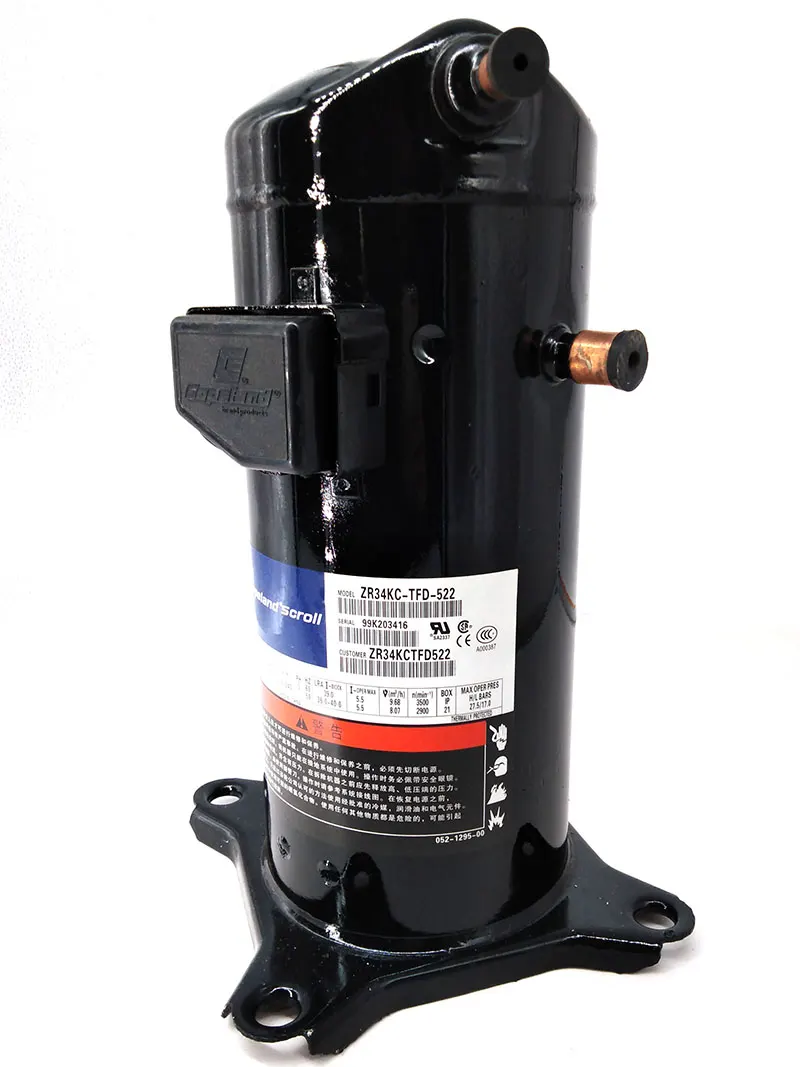
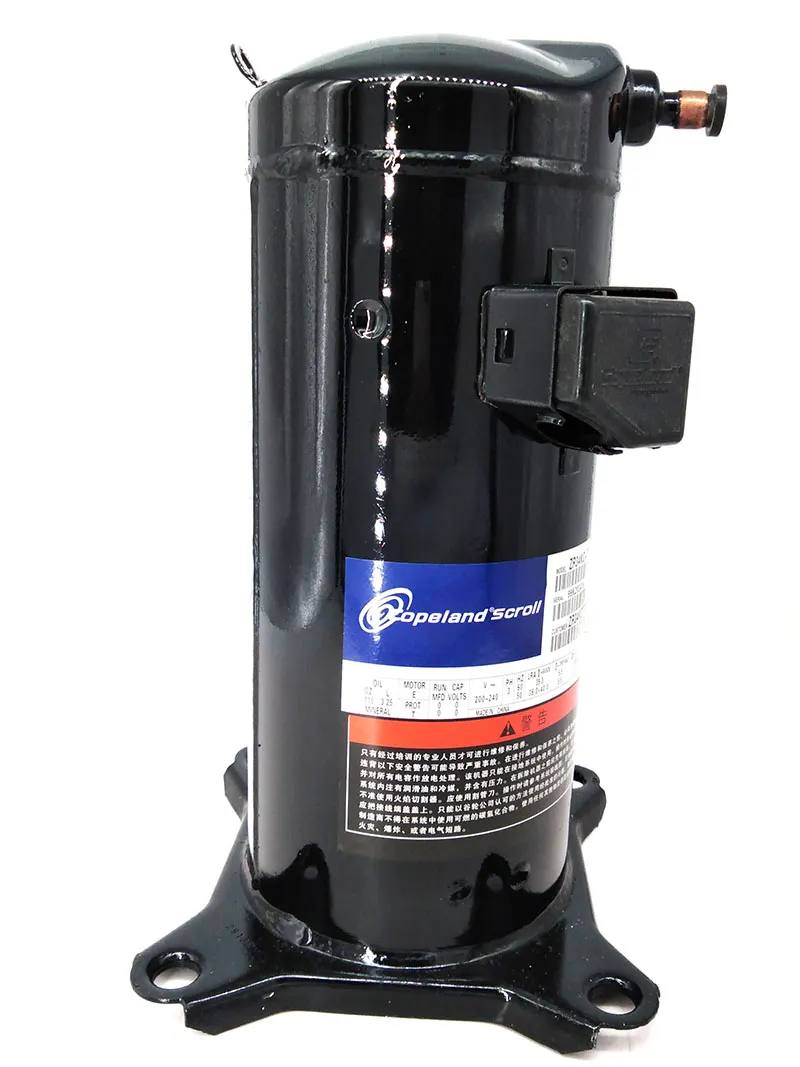
The compressor nameplate is the most important starting point for any compressor model number lookup. It usually contains the model code, serial number, voltage, phase, refrigerant information, and sometimes the oil type or application range. Before removing the old unit, take clear photos of the nameplate, terminal box, mounting feet, pipe connections, and surrounding installation space.
What to Record From the Old Compressor
A complete replacement inquiry should include:
- Compressor brand and full model number
- Serial number or production code if available
- Refrigerant used in the system
- Voltage, phase, and frequency
- Application type, such as chiller, freezer, display cabinet, or cold room
- Evaporating temperature or cabinet room temperature
- Condensing temperature or ambient condition if known
- Cooling capacity requirement
- Oil type and oil charge if shown
- Connection sizes and locations
- Mounting dimensions and base layout
- Photos of the compressor and system nameplate
Do not shorten the model code when sending an inquiry. Many compressor model numbers include letters or suffixes that define motor type, refrigerant compatibility, oil charge, displacement, connection style, or application range. A missing suffix can change the recommended replacement.
For example, buyers searching for Copeland compressor replacement, Bitzer compressor replacement, Danfoss compressor equivalent, or other brand alternatives should provide the exact original code rather than only the general compressor family. Multi-brand comparison depends on detail.
When the Nameplate Is Missing or Damaged
In field service, old compressors may have unreadable plates. If the model number cannot be confirmed, replacement selection becomes more dependent on system data. In that case, collect the following information:
- Compressor type: hermetic, semi-hermetic, scroll, reciprocating, or rotary
- Refrigerant currently charged in the system
- Application temperature: low, medium, or high temperature
- Electrical supply at site
- Condensing unit model, if the compressor is installed inside a packaged unit
- Evaporator model and expansion device type if available
- Pipe connection diameters
- Approximate physical size and mounting base
- Photos from several angles
A damaged nameplate does not make replacement impossible, but it does increase the need for careful checking. Buyers should avoid ordering only by physical appearance because compressors with similar shells can have different motors, capacities, and refrigerant approvals.
Match the Core Technical Parameters Before Comparing Brands
A compressor cross reference is only useful when the major operating parameters match the system. Equivalent compressors are not always identical, and replacement suitability depends on more than capacity at one condition.
Refrigerant Compatibility
Refrigerant is one of the first items to confirm. Compressors are designed and approved for specific refrigerants or refrigerant groups. Common commercial refrigeration refrigerants vary by market and application, and the wrong match can affect oil miscibility, pressure range, discharge temperature, motor cooling, and system safety.
Before buying a replacement compressor, confirm:
- The refrigerant currently used in the system
- Whether the system has been retrofitted from an older refrigerant
- The refrigerant listed on the compressor nameplate or system label
- The oil type required for that refrigerant
- Whether the replacement compressor is approved for the same refrigerant
If the system was converted to a different refrigerant in the past, do not rely only on the original compressor model. The actual refrigerant charge in the system must be confirmed by service records, cylinder labels, or site inspection.
Voltage, Phase, and Frequency
Electrical matching is critical for overseas orders because supply standards vary by country and job site. A compressor with the correct capacity but wrong motor specification cannot be installed safely.
Check the full electrical requirement:
- Voltage, such as 220V, 230V, 380V, 400V, 440V, or other site supply
- Phase, usually single-phase or three-phase
- Frequency, typically 50Hz or 60Hz depending on the market
- Locked rotor and running current considerations
- Starting method and protection requirements
Some compressors have different performance and current values under 50Hz and 60Hz operation. Buyers should confirm that the offered replacement is suitable for the destination market, not only for the supplier's local market.
Capacity and Operating Conditions
Cooling capacity must be compared at the correct evaporating and condensing conditions. A compressor rated for one condition may not deliver the same output in another system.
When asking for a replacement selection, provide:
- Required cooling capacity
- Evaporating temperature
- Condensing temperature
- Suction gas return temperature if known
- Liquid subcooling if known
- Ambient temperature around the condensing unit
- Application type and product storage temperature
For cold-room projects, it is also helpful to identify whether the room is used for fresh storage, frozen storage, blast cooling, or process cooling. A medium-temperature cold room and a low-temperature freezer may use compressors from different application ranges even if the horsepower looks similar.
Application Temperature Range
Compressors are usually selected for low-temperature, medium-temperature, high-temperature, air-conditioning, or special application ranges. The same nominal horsepower does not mean the same application suitability.
A low-temperature freezer compressor must operate reliably at lower suction pressures and often higher compression ratios. A medium-temperature display cabinet compressor may not be suitable for a freezer. An air-conditioning compressor may have capacity close to a refrigeration compressor at some conditions, but that does not automatically make it a correct substitute for a cold-room system.
Buyers should state the actual application instead of only asking for a compressor with the same horsepower. Terms such as “1 HP compressor” or “5 HP compressor” are not precise enough for international procurement.
Check Oil Type, Mechanical Fit, and Installation Details
Even when the main performance parameters match, installation details can determine whether the replacement is practical. This is especially important for service companies and contractors working under time pressure at a customer site.
Oil Type and Lubrication Requirements
Oil compatibility affects compressor reliability and system cleanliness. Refrigerant and compressor design influence oil selection, and oil types are not freely interchangeable.
Common oil categories in refrigeration include mineral oil, alkylbenzene oil, and POE oil, among others depending on refrigerant and compressor technology. A replacement compressor should use the oil specified by the manufacturer for the selected refrigerant and application.
Before ordering, confirm:
- Oil type required by the replacement compressor
- Whether the existing system oil must be removed or managed during retrofit
- Whether the system has had a refrigerant conversion
- Oil charge quantity if the application requires checking or adjustment
- Whether the compressor is supplied with oil already charged
For replacement work after burnout, oil and system contamination require extra attention. A new compressor installed into a contaminated system can fail quickly if the refrigeration circuit is not properly cleaned, filtered, and evacuated.
Mounting Dimensions and Base Layout
Physical fit matters for both drop-in replacement and equivalent substitution. Some replacements require small piping or mounting changes, while others are designed to match the original footprint more closely.
Measure and photograph:
- Distance between mounting holes
- Mounting foot shape and height
- Overall compressor length, width, and height
- Clearance around service valves and terminal box
- Suction and discharge connection positions
- Pipe diameters and connection type
- Space inside the condensing unit or machine room
Overseas buyers should send these details before ordering, especially when the compressor will be exported to a remote project where returns are expensive. For distributors holding inventory, dimensional confirmation also helps reduce disputes when customers request a fast equivalent.
Suction and Discharge Connections
Connection size and orientation are easy to overlook during purchasing. A replacement compressor may be technically suitable but require pipe modification if the suction and discharge ports differ from the original.
Service teams should check whether the compressor uses stub tubes, rotalock connections, service valves, or flange connections. They should also confirm whether any adapters, valves, gaskets, or mounting kits are needed with the compressor. For semi-hermetic compressors, connection and accessory details can be especially important.
Electrical Terminals and Protection Devices
The terminal box, overload protection, crankcase heater, discharge temperature protection, and oil pressure control requirements should be reviewed before installation. Some compressors need external protection modules, while others include internal protection. A replacement offer should be checked for included and required accessories.
Buyers should ask whether the quotation includes only the bare compressor or also related installation parts. This is important for repair companies that need to complete work quickly and for distributors building a complete replacement kit.
How to Use Compressor Cross Reference Without Creating Risk
A compressor cross reference helps buyers identify possible alternatives across brands. It is useful when the original brand is unavailable, lead time is too long, or a customer wants a more accessible option. However, cross-reference results should be treated as a selection starting point, not final proof of interchangeability.
What a Cross Reference Can Do
A well-prepared cross-reference request can help identify compressors with similar:
- Refrigerant compatibility
- Cooling capacity range
- Application temperature range
- Motor voltage and phase
- Compressor technology
- Physical size or installation style
- Accessory requirements
This is valuable for buyers comparing Copeland compressor replacement, Bitzer compressor replacement, Danfoss compressor equivalent, and options from other domestic or international brands. A neutral multi-brand approach can help distributors and contractors compare availability, cost, and technical fit.
What a Cross Reference Cannot Guarantee
A cross-reference table or model lookup cannot confirm every site condition. It may not account for abnormal ambient temperatures, dirty condensers, long pipe runs, poor oil return, undersized expansion valves, old electrical panels, or previous refrigerant conversions.
Before approving an equivalent compressor, review the system as a whole. A compressor failure is often a symptom of another problem. Replacing the compressor without checking the cause can lead to repeat failure.
Important field checks include:
- Acid test or contamination check after burnout
- Condenser cleanliness and fan operation
- Expansion valve condition and superheat setting
- Evaporator airflow and defrost operation
- Electrical supply stability
- System leak history
- Oil return and piping condition
For export orders, a buyer should request technical confirmation in writing and keep records of the selection conditions used. This helps avoid confusion between supplier, installer, and end user.
Practical Ordering Checklist for Overseas Buyers
Before sending a purchase inquiry, prepare a structured request. A complete inquiry reduces back-and-forth, improves quotation accuracy, and helps suppliers compare equivalent compressors across brands.
Minimum Inquiry Data
Send the following information whenever possible:
- Original compressor brand and full model number
- Photos of the nameplate and compressor body
- Refrigerant in the system
- Voltage, phase, and frequency
- Application: refrigerator, freezer, cold room, chiller, display case, or other equipment
- Required capacity or equipment size
- Evaporating and condensing temperatures if known
- Oil type if known
- Mounting dimensions and connection sizes
- Destination country and required delivery schedule
- Preference for original model, equivalent model, or multiple options
For urgent service replacement, note whether minor piping or mounting modification is acceptable. Some buyers need the closest physical replacement, while others can accept an equivalent compressor if performance and electrical specifications are correct.
Questions to Ask Before Confirming the Order
Before paying for a replacement compressor, buyers should ask clear technical questions:
- Is this compressor approved for the same refrigerant?
- Does it match the site voltage, phase, and frequency?
- What capacity does it provide at the specified evaporating and condensing temperatures?
- Is it suitable for low, medium, or high temperature application?
- What oil type is supplied or required?
- Are mounting holes and pipe connections the same as the original?
- Are any valves, gaskets, protection modules, or accessories required?
- Is the model a direct replacement or an equivalent requiring modification?
The answer should make the difference between “same model,” “direct replacement,” and “technical equivalent” clear. These terms are often used loosely in the market, but they have different installation implications.
What Distributors Should Pay Attention To
Refrigeration spare parts distributors need replacement accuracy because they often serve many brands and applications. A good internal process should capture the original model number, system refrigerant, voltage, application range, and customer urgency before offering stock.
Distributors should avoid selling only by horsepower or shell size. Building a basic compressor model number lookup workflow and keeping inquiry photos can reduce wrong shipments and customer disputes. For export markets, packaging, documentation, and accessory completeness are also part of the buying decision.
What Repair Teams and Installers Should Pay Attention To
Service technicians and cold-room installers should confirm why the original compressor failed before installing the replacement. Electrical problems, dirty condensers, blocked filters, refrigerant leaks, poor defrost, liquid floodback, or incorrect superheat can damage the new compressor.
Before commissioning, technicians should follow proper installation practice, including evacuation, leak testing, charging by correct method, checking current draw, verifying pressures, and confirming superheat and subcooling where applicable. The best replacement compressor can still fail if the system conditions are wrong.
A careful refrigeration compressor replacement process protects the buyer, the installer, and the end customer. For international procurement, the most reliable result comes from combining exact model identification with practical field data and a disciplined comparison of refrigerant, voltage, capacity, application range, oil, and dimensions.
FAQ
How do I find the correct replacement for a refrigeration compressor?
Start with the full compressor model number from the nameplate, then confirm refrigerant, voltage, phase, frequency, application temperature, capacity, oil type, mounting dimensions, and pipe connections. If the nameplate is missing, provide system photos and operating details so a supplier can compare suitable equivalents.
Can I replace a compressor with another brand?
Yes, a compressor from another brand may be acceptable if it matches the refrigerant, electrical supply, capacity at the required operating conditions, application temperature range, oil requirement, and installation dimensions. A cross reference should be verified technically before ordering.
Is horsepower enough to select a refrigeration compressor replacement?
No. Horsepower is only a rough indicator and should not be used alone. Compressors with the same horsepower can differ in refrigerant approval, displacement, cooling capacity, voltage, motor type, oil, and low- or medium-temperature suitability.
What information should overseas buyers send when requesting a compressor cross reference?
Send the original brand and full model number, nameplate photos, refrigerant, voltage, phase, frequency, application type, operating temperature, required capacity, oil type if known, mounting dimensions, connection sizes, destination country, and whether a direct replacement or equivalent option is acceptable.
What is the difference between a direct replacement and a compressor equivalent?
A direct replacement is usually intended to match the original model closely in specification and installation. A compressor equivalent may provide similar performance and compatibility but can require changes to piping, mounting, electrical protection, or accessories.
Buyer Next Step
Move from research to sourcing with a category shortlist, relevant product examples, and a quote request channel.