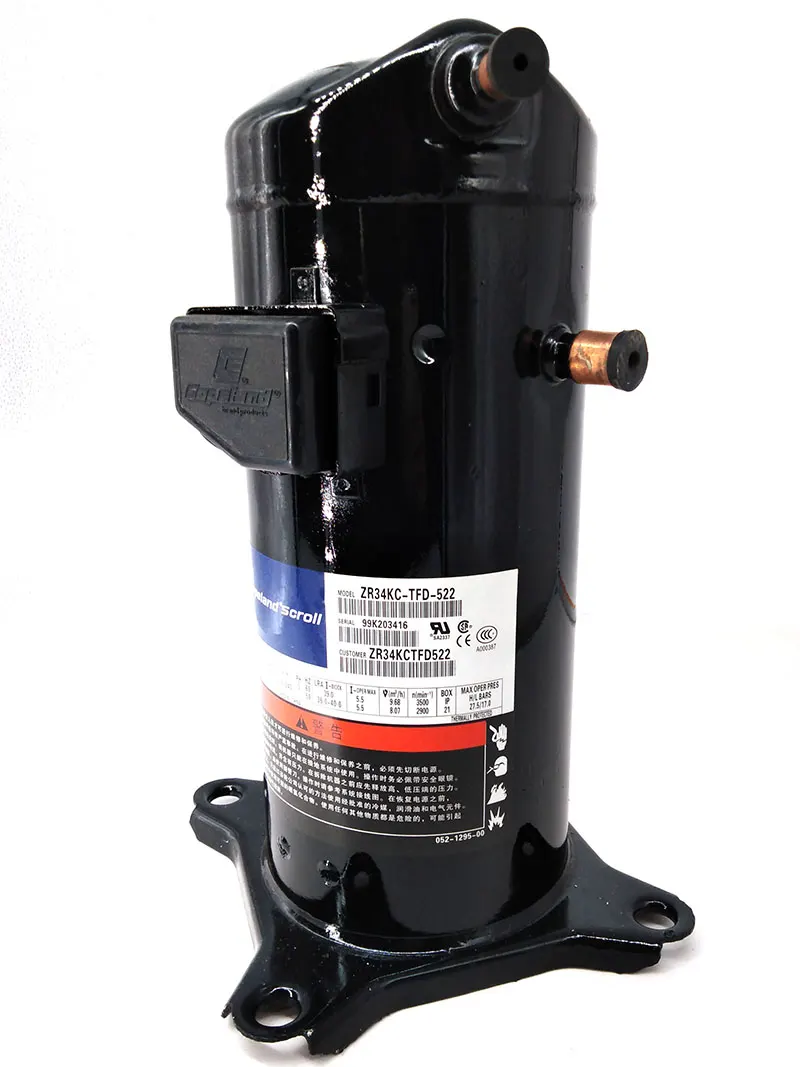
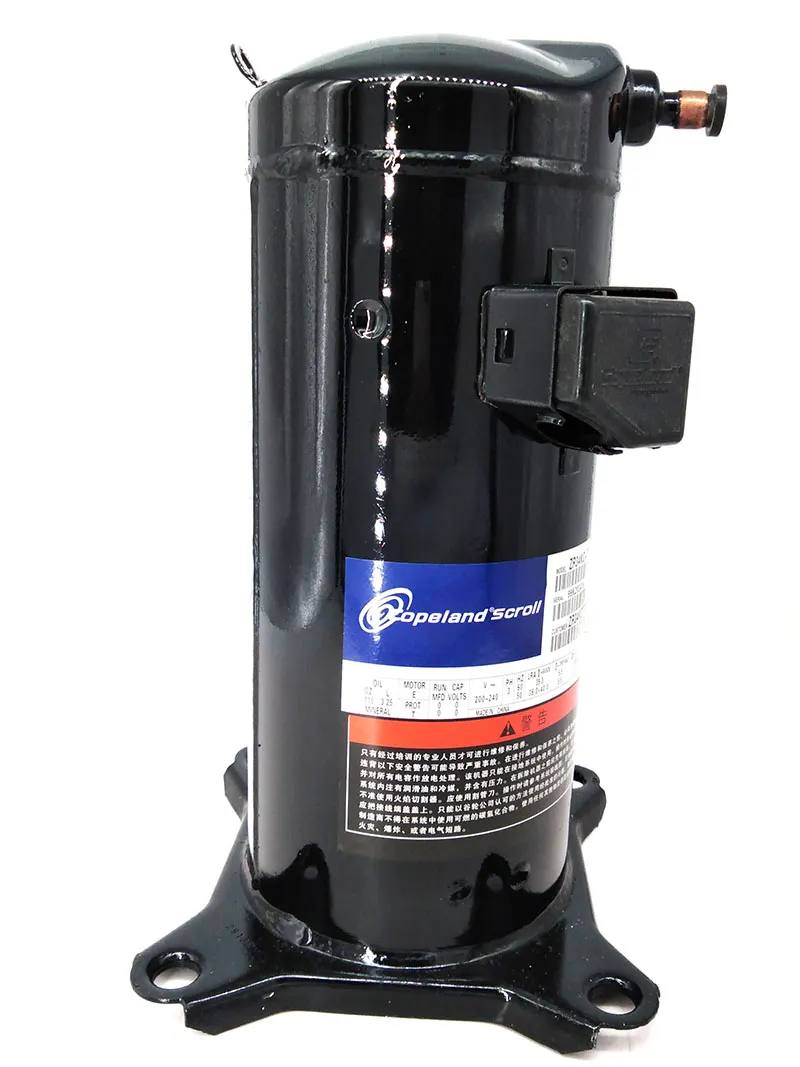
How to Choose a Commercial Refrigeration Compressor Supplier for International Purchasing
A practical buyer guide to evaluating commercial refrigeration compressor suppliers for brand coverage, stock, matching support, export handling, and after-sales service.
How to Choose a Commercial Refrigeration Compressor Supplier for International Purchasing
Choosing a commercial refrigeration compressor supplier is not only a price decision. For overseas buyers, the supplier you select affects compressor availability, replacement accuracy, customs clearance, installation schedules, and long-term service reliability.
This is especially true for refrigeration spare parts distributors, service and repair companies, cold-room contractors, and engineering installers. A compressor is often purchased under time pressure: a supermarket rack is down, a cold room is warming, a food processor needs urgent repair, or a distributor must replenish fast-moving models before peak season. In these situations, a low quotation is useful only if the compressor is genuine, correctly matched, properly packed, and supported with the documents needed for import.
A strong commercial refrigeration compressor supplier should act as more than a trading contact. The right partner should help buyers compare brands, confirm model compatibility, check stock, arrange export packing, prepare shipping documents, and respond when technical or logistics questions arise. For international purchasing, these evaluation points are often more important than a small difference in unit price.
What Makes International Compressor Purchasing Different
Buying compressors across borders involves more risk than local purchasing. A domestic buyer may be able to inspect stock, return goods quickly, or ask a local technician to verify the model. International buyers need to make decisions before the goods leave the supplier’s warehouse.
Common risks include:
- Ordering a compressor with the wrong voltage, refrigerant, oil type, or application range
- Receiving a model that is similar in appearance but not suitable for the system
- Delays caused by missing commercial invoices, packing lists, certificates, or shipping details
- Damage from weak packaging during sea, air, or courier transport
- Difficulty identifying whether the product is genuine, new, rebuilt, or a substitute
- Lack of support when the end user reports installation or performance issues
For this reason, international buyers should evaluate both the product and the supplier’s process. A supplier with clear communication, technical understanding, and export experience can reduce purchasing errors and protect the buyer’s reputation in their local market.
Key Criteria for Evaluating a Commercial Refrigeration Compressor Supplier
1. Multi-Brand Coverage and Product Range
Commercial refrigeration systems use many compressor types and brands. A distributor or repair company may need hermetic compressors for reach-in refrigerators, semi-hermetic compressors for cold rooms, scroll compressors for HVACR applications, or screw compressors for larger refrigeration projects.
A useful multi brand compressor supplier should be able to support a broad range of common applications, including:
- Commercial refrigerators and freezers
- Supermarket display cabinets
- Walk-in chillers and freezers
- Cold storage rooms
- Ice machines
- Food processing refrigeration equipment
- Air-conditioning and HVACR systems
- Refrigeration condensing units
Brand coverage matters because international buyers often serve mixed equipment fleets. One customer may ask for an exact replacement from a European compressor brand, while another may need a cost-effective alternative from an Asian manufacturer. A supplier with access to multiple domestic and international brands can help buyers compare suitable options rather than forcing every inquiry into a single brand line.
When evaluating brand coverage, ask practical questions:
- Which compressor brands are regularly supplied?
- Are both original models and replacement alternatives available?
- Can the supplier support air-conditioning, refrigeration, and cold-room applications?
- Are accessories such as electrical parts, oil, overload protectors, valves, or mounting kits available when needed?
- Can the supplier help identify an equivalent model if the original compressor has been discontinued or is difficult to source?
A refrigeration compressor distributor with wide brand access can be especially valuable for overseas spare parts companies that want to consolidate purchasing instead of managing many separate suppliers.
2. Stock Availability and Lead Time Transparency
Stock availability is one of the most important factors for compressor import from China or any other sourcing market. Many inquiries are urgent replacement requests, and buyers need to know whether the compressor is physically available or requires a factory order.
A reliable supplier should clearly state:
- Whether the compressor is in stock or subject to production lead time
- The available quantity
- The estimated packing and dispatch time
- Whether the model is original, replacement, or alternative
- Whether the quotation is valid for current stock only
For distributors, stable stock support helps maintain local inventory planning. For service and repair companies, fast response can reduce equipment downtime. For installers, accurate lead time helps coordinate installation schedules and avoid delays at the project site.
Buyers should be cautious when every model is described as “available” without confirmation. Commercial refrigeration compressors vary widely by horsepower, refrigerant, voltage, frequency, application temperature, and connection type. A professional compressor exporter should be willing to check actual availability before issuing a serious quotation.
It is also helpful to ask whether the supplier can reserve stock after order confirmation, especially for popular models or urgent shipments. If the purchase includes several compressor models, confirm whether the shipment will be sent complete or in partial deliveries.
3. Genuine Product Verification and Traceability
Product authenticity is a major concern in international compressor purchasing. A wrong or non-genuine compressor can create installation failures, warranty disputes, and reputational damage for distributors and contractors.
A trustworthy commercial refrigeration compressor supplier should be able to provide reasonable verification support, such as:
- Clear photos of the compressor nameplate
- Photos of packaging, labels, and model codes
- Confirmation of voltage, refrigerant, and application range
- Serial number or barcode information when available
- Documentation that matches the goods being shipped
- Transparent explanation when an item is an alternative or replacement model
Buyers should pay close attention to model codes. Small differences in letters or numbers may indicate changes in refrigerant compatibility, motor type, displacement, oil charge, electrical configuration, or operating range. For example, two compressors from the same brand may look similar but be designed for different temperature conditions or power supplies.
If the compressor is intended for resale, nameplate photos and packing photos are especially useful. They help the importer verify the goods before shipment and provide confidence to downstream customers.
A professional supplier should not avoid questions about authenticity, condition, or model details. Clear answers before shipment are much easier than resolving disputes after goods arrive.
4. Technical Matching Support
Technical matching is where a compressor supplier adds real value. In many replacement cases, buyers do not simply need “a compressor.” They need the correct compressor for a specific refrigeration system.
The supplier should be able to help confirm key parameters, including:
- Compressor type: hermetic, semi-hermetic, scroll, rotary, screw, or reciprocating
- Refrigerant: such as common commercial refrigeration refrigerants used in the system
- Application range: low temperature, medium temperature, high temperature, or air-conditioning duty
- Voltage and phase: for example, single-phase or three-phase power supply
- Frequency: 50 Hz or 60 Hz requirements depending on the market
- Cooling capacity and displacement
- Oil type and oil charge requirements
- Starting components and electrical accessories
- Suction and discharge connection details
- Mounting dimensions and installation space
For replacement buyers, the best starting point is usually the old compressor nameplate, equipment model, and application information. Photos from the installation site can also help identify connection orientation, electrical layout, and physical constraints.
A competent HVACR spare parts supplier should know when to recommend an exact replacement and when to ask for more information. If a buyer only provides horsepower, that is usually not enough. Compressors with the same nominal horsepower can have different capacities, refrigerants, motors, and operating envelopes.
For cold-room contractors and engineering installers, technical support also helps during project purchasing. The compressor must match the condensing unit design, evaporating temperature, refrigerant choice, ambient conditions, and electrical supply. Even when the final design responsibility remains with the engineering company, a knowledgeable supplier can help avoid obvious procurement mismatches.
5. Export Packing for Heavy and Sensitive Goods
Compressors are heavy, high-value mechanical products. Poor packing can cause oil leakage, broken terminals, damaged feet, dented shells, cracked accessories, or moisture contamination. International transport may involve forklifts, container loading, warehouse transfers, air cargo handling, or courier networks.
Before ordering, ask how the supplier packs compressors for export. Suitable packing may include:
- Original factory carton or wooden case where applicable
- Reinforced outer packaging for long-distance transport
- Palletizing for multiple units
- Moisture protection when necessary
- Proper fixing to reduce movement during transit
- Clear shipping marks and model identification
- Protection for terminals, valves, and connection points
For sea freight, packing strength and pallet stability are especially important. For air freight or express courier shipments, compact but protective packing is needed to reduce both risk and freight cost.
Buyers should also confirm whether wooden packing meets the import requirements of the destination country. Some markets require fumigation-related treatment or specific packaging declarations. A supplier experienced in compressor export should understand that packing is part of the purchasing quality, not an afterthought.
Shipping Documents and Import Support
A compressor quotation should not be evaluated only by the product line. International buyers also need correct paperwork for customs clearance, payment records, and internal receiving.
Common export and shipping documents may include:
- Commercial invoice
- Packing list
- Bill of lading or air waybill
- Certificate of origin when required
- Product photos or packing photos
- Shipping marks
- Insurance documents if arranged
- Other documents requested by the buyer’s customs broker or local regulations
Document requirements vary by country, shipping method, and customer type. A refrigeration spare parts distributor importing full cartons or pallets may need different documentation from a repair company buying one urgent compressor by air freight.
A reliable compressor exporter should confirm the consignee details, product description, HS code discussion with the buyer or forwarder, package dimensions, gross weight, net weight, and shipping terms before dispatch. Any inconsistency between documents and goods can create customs delays.
Buyers should also clarify Incoterms and logistics responsibilities. Common arrangements may include delivery to a forwarder in China, air freight to destination airport, sea freight to destination port, or courier delivery. The right option depends on urgency, quantity, compressor weight, and import capability.
For urgent repair needs, air freight or express shipping may be justified despite higher cost. For stock replenishment, sea freight or consolidated shipments may offer better landed cost. The supplier should be able to provide dimensions and weight so the buyer can compare freight options accurately.
Quotation Quality: What a Professional Compressor Quotation Should Include
A compressor quotation should make purchasing decisions easier, not create more uncertainty. A clear compressor quotation helps buyers compare options, calculate landed cost, and avoid misunderstandings.
A professional quotation should include:
- Full compressor model number
- Brand name
- Quantity
- Unit price and currency
- Stock status or lead time
- Voltage, phase, and frequency where relevant
- Refrigerant and application notes when relevant
- Packing method
- Estimated gross weight and package dimensions if available
- Payment terms
- Delivery terms or shipping option
- Quotation validity
- Notes on whether the item is original, alternative, or replacement
For buyers comparing suppliers, vague quotations can be risky. A line that says only “compressor 3HP” is not enough for international purchasing. The more precise the quotation, the easier it is to confirm technical fit and prevent disputes.
Price should still matter, of course. Distributors and contractors need competitive cost to serve their local markets. But the lowest price may not be the best result if the product is incorrect, the documents are incomplete, or shipment is delayed. The best purchasing value usually comes from a balance of competitive pricing, correct matching, dependable supply, and smooth export handling.
After-Sales Support and Long-Term Cooperation
After-sales support in compressor trading does not mean the supplier can solve every field problem remotely. Installation conditions, system cleanliness, refrigerant charging, oil return, electrical supply, and commissioning quality all affect compressor performance. However, the supplier should still provide practical support when questions arise.
Useful after-sales support may include:
- Checking whether the shipped model matches the order
- Providing nameplate or packing confirmation
- Helping review basic installation information
- Communicating with the buyer about suspected shipping damage
- Supplying replacement accessories when available
- Supporting repeat orders with purchase history
- Helping identify alternative models for future maintenance needs
For distributors, long-term cooperation depends on consistency. They need a supplier who remembers previous models, understands local market demand, and can help plan repeat purchases. For repair companies, response speed and technical clarity are often more valuable than a large catalog. For cold-room installers, the ability to source compressors along with related HVACR spare parts can simplify project procurement.
A good supplier relationship also improves communication over time. The supplier learns the buyer’s market voltage standards, preferred brands, shipping routes, documentation habits, and common compressor models. This reduces repeated explanations and improves purchasing efficiency.
Practical Checklist Before Placing an International Compressor Order
Before confirming an order, buyers should review the following checklist:
- Confirm the exact compressor model and brand
- Verify refrigerant, voltage, phase, frequency, and application range
- Share photos of the old compressor nameplate for replacement cases
- Ask whether the product is in stock and when it can ship
- Request product, nameplate, or packing photos when needed
- Confirm whether the item is original, alternative, or replacement
- Check package size, weight, and packing method
- Confirm shipping method and delivery terms
- Review invoice, packing list, and consignee information
- Clarify payment terms and quotation validity
- Keep written records of technical confirmations
This checklist is simple, but it prevents many common procurement problems. It is especially important when buying compressors for resale, urgent repair, or cold-chain equipment where downtime is expensive.
Choosing the Right Sourcing Partner
The best commercial refrigeration compressor supplier for international purchasing is not always the one with the longest product list or the lowest initial price. The stronger choice is usually the supplier that can combine multi-brand sourcing, stock confirmation, technical matching, genuine product verification, export packing, accurate documents, and responsive communication.
For overseas refrigeration distributors, repair teams, and installers, a dependable sourcing partner helps reduce risk at every stage of the order. The buyer receives clearer quotations, better model confirmation, safer shipping, and more practical support after delivery.
Commercial refrigeration is a practical industry. Equipment must run, goods must arrive, and replacement parts must fit. A supplier who understands that reality can become a valuable part of the buyer’s supply chain—not just another name in an email inbox.
FAQ
What should I check before choosing a commercial refrigeration compressor supplier?
Check the supplier’s brand coverage, stock availability, ability to verify genuine products, technical matching support, export packing quality, shipping document accuracy, and after-sales response. For international purchasing, these factors are as important as price.
Why is technical matching important when importing a refrigeration compressor?
Compressors with similar size or horsepower may differ in refrigerant, voltage, frequency, application temperature, oil type, capacity, and connection design. Technical matching helps prevent wrong orders, installation delays, and early compressor failure.
What information should I send for a replacement compressor quotation?
Send a clear photo of the old compressor nameplate, equipment application, refrigerant, voltage, phase, frequency, and any site photos showing connections or mounting. This helps the supplier identify the correct model or a suitable replacement.
How can overseas buyers reduce risk when importing compressors from China?
Request exact model confirmation, stock status, nameplate photos, packing details, package dimensions, and complete shipping documents before shipment. It is also important to confirm whether the compressor is original, alternative, or replacement.
What should a professional compressor quotation include?
A professional quotation should include brand, full model number, quantity, price, currency, stock status or lead time, technical notes, packing method, delivery terms, payment terms, and quotation validity. Clear quotations make comparison and import planning easier.
Buyer Next Step
Move from research to sourcing with a category shortlist, relevant product examples, and a quote request channel.