Compressor RFQ Checklist: What Overseas Buyers Must Send to Get the Correct Quote Fast
A practical compressor RFQ checklist for overseas buyers, covering model data, refrigerant, voltage, application, capacity, quantity, and alternatives.
When a compressor fails, every hour matters. Distributors need stock answers, service companies need a replacement that fits, and cold-room contractors need reliable pricing before they can commit to a job. Yet many compressor quotation requests are delayed because the inquiry is missing basic technical or commercial information.
A clear compressor RFQ checklist helps overseas buyers receive faster, more accurate quotations from export compressor suppliers and spare parts distributors. It reduces back-and-forth emails, prevents mismatched models, and makes it easier to compare original, OEM, and aftermarket compressor options.
The most useful RFQ is not long. It simply includes the information required to identify the compressor, confirm compatibility, estimate logistics, and clarify whether an alternative brand is acceptable. The checklist below is designed for refrigeration spare parts distributors, repair teams, installers, and replacement buyers who purchase air-conditioning, refrigerator, and cold-room compressors across borders.
Why a Complete Compressor RFQ Matters
A compressor is not a generic spare part. Two units may look similar from the outside but differ in refrigerant, voltage, frequency, capacity, oil type, starting method, pipe connection, mounting, or application range. A quote based only on a photo or a partial model number can easily result in the wrong offer.
For overseas buyers, missing information usually creates four common problems:
- Slow quotation cycles: The supplier must request additional details before confirming price and availability.
- Wrong compressor selection: A similar-looking unit may not match the refrigerant, voltage, or application conditions.
- Unclear comparison between brands: Buyers cannot fairly compare an original compressor with an alternative brand unless the required specifications are known.
- Logistics uncertainty: Freight cost, packing method, and delivery planning depend on quantity, destination, and sometimes product size or weight.
A good compressor inquiry template allows both sides to work faster. The buyer sends complete information once. The supplier can check stock, confirm substitutes if needed, and quote with fewer assumptions.
Compressor RFQ Checklist: Information to Include
Use the following compressor specification checklist when requesting a quotation for refrigeration, air-conditioning, or cold-room compressor replacement. If one item is unknown, state that clearly instead of leaving it blank.
1. Compressor Brand
Send the brand shown on the compressor nameplate or the brand requested by your customer. This may be a domestic or international compressor brand, depending on the original equipment and local market preference.
The brand helps the supplier understand the product family and whether the request is for:
- The same original brand
- An equivalent model from another brand
- A lower-cost aftermarket compressor
- A compatible replacement for repair work
If the customer insists on the original brand, say so. If alternatives are acceptable, mention this early in the RFQ because it gives the supplier more room to offer stock options or cost-saving substitutes.
2. Full Model Number
The model number is usually the most important identification point in a compressor quotation request. Send the complete model number exactly as printed on the nameplate, including letters, numbers, hyphens, slashes, and suffixes.
Avoid shortening the model number. A small suffix may indicate a difference in voltage, refrigerant, application range, motor type, or connection style. If the label is damaged, send clear photos from multiple angles and include any readable part of the code.
Helpful details include:
- Full compressor model number
- Any serial number or production code visible on the label
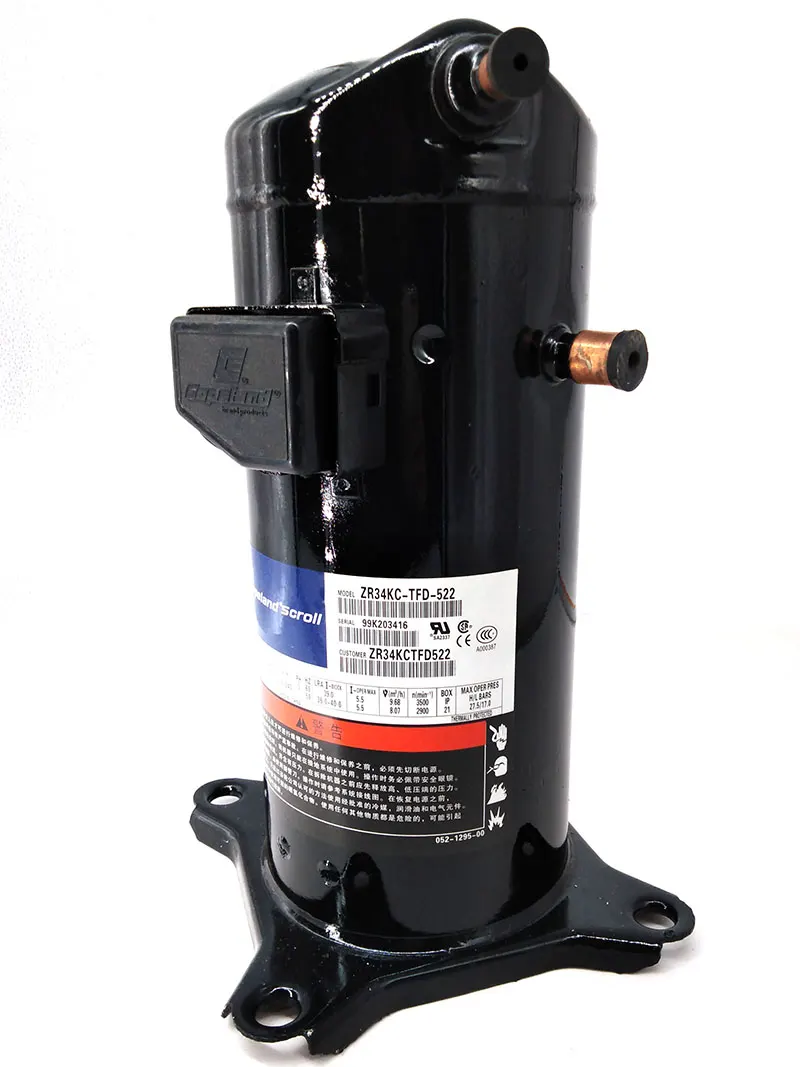
- Photos of the nameplate
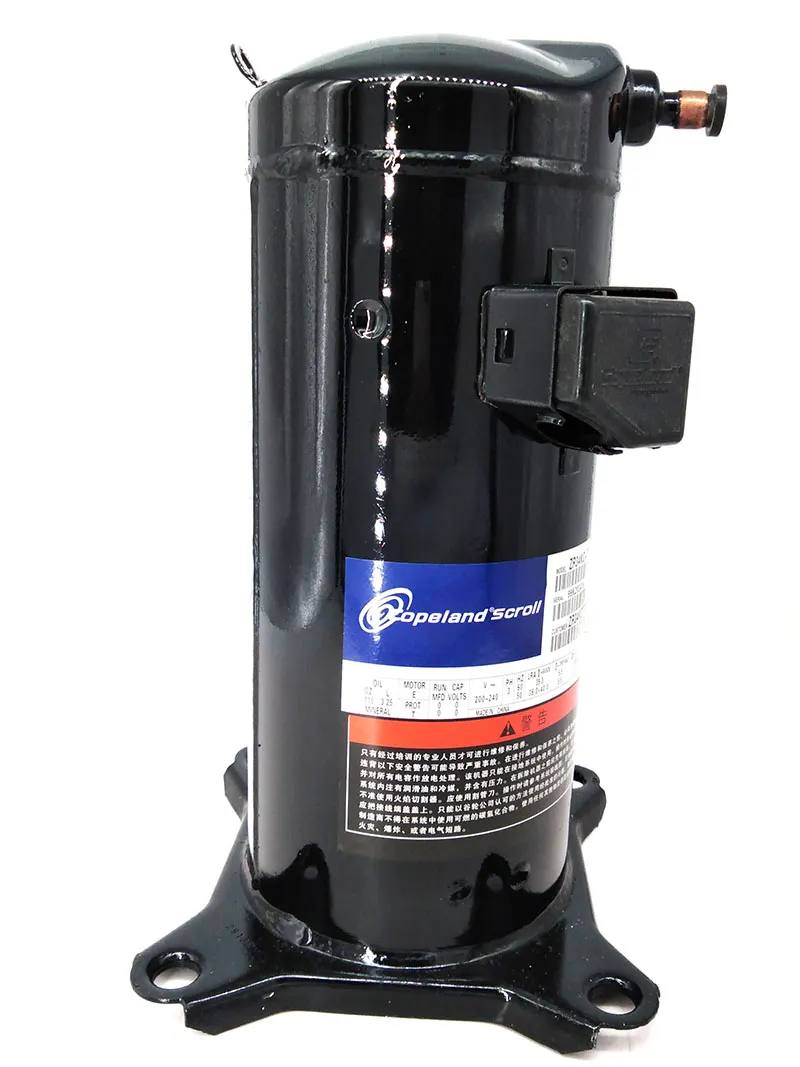
- Photos of the compressor body and terminal box
- Photos of suction and discharge connections
For replacement inquiries, photos are often useful, but photos alone are not always enough. The written model number should still be provided whenever possible.
3. Refrigerant Type
Always specify the refrigerant used in the system. Common refrigerants vary by application, market, and equipment age. A compressor designed for one refrigerant should not be assumed to work with another.
Include the refrigerant code exactly, such as R134a, R404A, R407C, R410A, R507, R22, R290, R600a, CO2, or another specified refrigerant. If the system has been converted from one refrigerant to another, explain the conversion clearly.
Refrigerant information affects compressor selection because it influences:
- Pressure range
- Lubricant compatibility
- Motor load
- Cooling performance
- System safety requirements
- Application suitability
For service companies and repair teams, confirming the refrigerant is especially important when replacing compressors in older equipment or imported machines.
4. Voltage, Phase, and Frequency
Electrical specifications must be included in every compressor RFQ. Overseas buyers often work across markets with different voltage and frequency standards, so this detail cannot be assumed.
Send the full power supply requirement, for example:
- 220–240V / 1Ph / 50Hz
- 220V / 1Ph / 60Hz
- 380–420V / 3Ph / 50Hz
- 440–460V / 3Ph / 60Hz
Frequency is particularly important. A compressor made for 50Hz operation may not have the same performance at 60Hz, and not every model is available in both versions. Phase also matters because a single-phase compressor and a three-phase compressor are not interchangeable without major system changes.
If your market uses a specific local power standard, include it in the inquiry. If you can accept more than one electrical version, state the acceptable range.
5. Application: Air-Conditioning, Refrigerator, Freezer, or Cold Room
Tell the supplier where the compressor will be used. Application information helps confirm the operating temperature range and prevents offering a compressor intended for the wrong duty.
Useful application descriptions include:
- Residential air-conditioning
- Commercial air-conditioning
- Household refrigerator
- Commercial refrigerator
- Display cabinet
- Freezer
- Ice machine
- Cold room
- Blast freezer
- Chiller
- Transport refrigeration
For cold rooms and freezers, also mention whether the application is medium temperature or low temperature if known. A compressor for a chiller, a refrigerated display case, and a low-temperature freezer may have different selection requirements even when the capacity appears similar.
6. Cooling Capacity or Horsepower
If the model number is known, the supplier may be able to identify the compressor. Still, providing the cooling capacity or horsepower makes the inquiry more reliable, especially when asking for an alternative brand.
Send one or more of the following if available:
- Cooling capacity in W, kW, BTU/h, or kcal/h
- Compressor horsepower, such as 1/4 HP, 1 HP, 5 HP, or 10 HP
- Evaporating temperature and condensing temperature used for capacity rating
- Required room temperature or product temperature
- Existing system capacity
Capacity should be handled carefully because ratings depend on test conditions. A compressor advertised at one condition may perform differently under another. When possible, include the operating conditions used by the original equipment or your project design.
For installers and engineering contractors, sharing the cooling load or project design condition can help the supplier support a more suitable model recommendation.
7. Original Brand or Alternative Brand Acceptable
This is one of the most useful details in a compressor inquiry, but it is often forgotten. State whether the quotation must be for the original compressor brand or whether a replacement brand is acceptable.
A clear RFQ may say:
- Original brand only
- Original model preferred, alternatives acceptable
- Equivalent replacement acceptable
- Aftermarket compressor acceptable if specifications match
- Please quote both original and alternative options
This matters because compressor availability varies by market and model. Sometimes the original model is available but has a longer lead time. In other cases, a compatible alternative may be faster or more cost-effective. A distributor or repair company can make a better decision when both options are quoted clearly.
When accepting alternatives, ask the supplier to confirm the key matching points, such as refrigerant, voltage, application range, capacity, connection type, and installation considerations.
8. Quantity Required
Always include quantity. A request for one replacement unit is different from a distributor inquiry for regular stock. Quantity affects price, packing, shipping method, and lead time.
Specify whether the quantity is:
- One urgent replacement compressor
- A small batch for service stock
- A regular distributor order
- A project order for multiple cold rooms or refrigeration systems
- A trial order before larger purchasing
If future demand is expected, mention it separately from the immediate order quantity. Suppliers can then quote the current requirement while understanding the broader purchasing plan.
9. Destination Country and Delivery Requirements
For export compressor suppliers, the destination country is essential. Even before final freight confirmation, it helps estimate shipping options, packaging needs, delivery route, and documentation requirements.
Include:
- Destination country
- Destination city or port, if known
- Preferred shipping method: courier, air freight, sea freight, or buyer’s forwarder
- Required delivery time
- Whether the buyer will handle pickup from the supplier or warehouse
For urgent service replacements, courier or air freight may be preferred. For distributor stock orders, sea freight may be more economical. The supplier cannot advise properly without knowing the delivery destination and urgency.
10. Photos, Nameplate, and Existing System Details
Clear photos can prevent mistakes, especially when the model number is incomplete or the compressor is from an older system. Send photos that are well-lit and close enough to read.
Recommended photos include:
- Compressor nameplate
- Full compressor body
- Electrical terminal area
- Suction and discharge ports
- Mounting feet or brackets
- Existing unit label, if part of a condensing unit or refrigeration system
If the compressor is part of a larger system, include the equipment brand and model if available. This can help identify special versions or installation requirements.
Compressor Inquiry Template Buyers Can Copy
The template below can be copied into an email, messaging app, or RFQ form. It is written in simple English so it can be translated easily for multilingual purchasing teams.
Compressor RFQ Template
Subject: Compressor quotation request for [brand/model]
1. Compressor brand:
[Example: brand shown on nameplate]
2. Full model number:
[Example: complete model code with all suffixes]
3. Refrigerant:
[Example: R404A / R134a / R410A / other]
4. Voltage / phase / frequency:
[Example: 220V 1Ph 50Hz or 380V 3Ph 50Hz]
5. Application:
[Example: cold room, freezer, display cabinet, air-conditioning, chiller]
6. Required capacity or horsepower:
[Example: 2 HP, 5 HP, 10 kW, or cooling capacity if known]
7. Original or alternative brand:
[Original only / alternative acceptable / quote both]
8. Quantity:
[Example: 1 pc, 10 pcs, 50 pcs]
9. Destination country and city/port:
[Example: Peru, Lima / UAE, Dubai / South Africa, Durban]
10. Shipping preference and urgency:
[Courier / air / sea / forwarder pickup, required date]
11. Photos attached:
[Nameplate photo / compressor photo / system label photo]
12. Additional notes:
[Special connection, mounting, old system conversion, customer requirement]
This format gives the supplier enough information to check availability, confirm specifications, and offer comparable options without repeated clarification.
Common RFQ Mistakes That Delay Compressor Quotes
Many compressor quotation delays are caused by small but avoidable gaps in the inquiry. Buyers can improve response speed by avoiding the following mistakes.
Sending Only a Photo Without a Model Number
A photo is helpful, but it may not show the full model code or technical rating. If the nameplate is readable, type the model number in the message as well. This avoids errors caused by low image quality or misreading similar characters.
Omitting Frequency
Voltage alone is not enough. A request for “220V compressor” does not confirm whether the system is 50Hz or 60Hz. For international purchasing, frequency is a key part of the electrical specification.
Asking for the Cheapest Option Without Application Details
The lowest price is not useful if the compressor is not suitable for the system. Before asking for a budget alternative, provide the refrigerant, voltage, capacity, and application. A proper aftermarket compressor comparison depends on the operating requirements.
Not Stating Whether Alternatives Are Acceptable
If the original model is not available immediately, the supplier may need permission to quote a compatible replacement. Stating this at the beginning saves time and helps the buyer receive more practical options.
Mixing Several Compressor Requests in One Unclear Message
Distributors often ask for several models at the same time. That is fine, but each model should have its own line with brand, model, refrigerant, voltage, quantity, and destination. A simple table works well for multi-model RFQs.
How Suppliers Use RFQ Details to Prepare a Correct Quote
A complete RFQ does more than help the supplier find a price. It supports the full quotation process from technical matching to delivery planning.
The supplier typically checks:
- Whether the exact model is available
- Whether the electrical version matches the destination market
- Whether the compressor fits the refrigerant and application
- Whether an equivalent model can be offered
- Whether the requested quantity is available from stock or requires lead time
- What packing and shipping method is suitable
- Whether the quote should include original, OEM, or aftermarket compressor options
For buyers, this means a complete RFQ can produce a quote that is easier to approve internally. The purchasing team receives clearer product options, the technician can check compatibility, and the sales team can respond faster to the end customer.
Practical Takeaways for Overseas Compressor Buyers
A fast compressor quote depends on clear information. Before sending an inquiry, check that the message includes the full model number, refrigerant, voltage, frequency, application, capacity, quantity, destination, and alternative brand preference.
For repair companies, the most important goal is avoiding a wrong replacement. For distributors, the priority may be comparing stock availability and landed cost. For cold-room installers, application and capacity details are essential because the compressor must fit the project conditions.
A complete compressor RFQ checklist turns a vague request into a quotation-ready inquiry. It helps suppliers respond faster, helps buyers compare options fairly, and reduces the risk of ordering a compressor that does not match the job.
FAQ
What information should I send in a compressor RFQ?
Send the compressor brand, full model number, refrigerant, voltage, phase, frequency, application, cooling capacity or horsepower, quantity, destination country, shipping preference, and whether an original or alternative brand is acceptable. Clear nameplate photos are also recommended.
Why is the full compressor model number important for a quotation?
The full model number may identify refrigerant compatibility, voltage, application range, motor type, and design version. Missing suffixes or partial codes can lead to an incorrect quote or an unsuitable replacement.
Can I request an alternative compressor brand instead of the original model?
Yes, if your customer or project allows it. State clearly whether alternatives are acceptable and ask the supplier to confirm key matching points such as refrigerant, voltage, capacity, application range, and connection requirements.
Is a compressor photo enough to get a quote?
A photo helps, especially if it shows the nameplate, but it is usually not enough by itself. The written model number, refrigerant, voltage, frequency, application, and quantity should still be included to reduce errors.
Why does the destination country matter in a compressor quotation request?
The destination country helps the supplier estimate shipping options, delivery time, packaging needs, and export handling. It also helps confirm whether the electrical version matches the buyer’s local market.
Buyer Next Step
Move from research to sourcing with a category shortlist, relevant product examples, and a quote request channel.