Top Refrigeration Compressor Brands for Distributors and Contractors: Strengths, Applications, and Buying Tips
A practical comparison of leading refrigeration compressor brands for AC, refrigerators, and cold rooms, with selection tips for distributors, contractors, and service teams.
Choosing among refrigeration compressor brands is rarely just a technical decision. For distributors, contractors, and service companies, the right brand mix affects replacement speed, warranty handling, stock turnover, and the ability to support different refrigerants and system types across markets.
The strongest brands are not always the best fit for every job. Some are widely preferred in commercial condensing units and cold rooms. Others are better known in domestic refrigeration, beverage cooling, or light commercial cabinets. For replacement buyers, availability and model cross-reference often matter as much as name recognition.
This guide compares major refrigeration compressor brands from a practical market perspective: application coverage, aftermarket demand, replacement friendliness, and suitability for air-conditioning, refrigerators, and cold-room systems.
What buyers look for when comparing refrigeration compressor brands
A compressor brand earns long-term demand when it performs well in both new equipment and replacement markets. For overseas buyers serving multiple customer types, the most useful comparison points are usually operational rather than promotional.
Key buying factors
- Application coverage: domestic refrigeration, commercial refrigeration, cold rooms, condensing units, and air-conditioning
- Replacement availability: how easy it is to find equivalent models or match mounting, displacement, and electrical requirements
- Aftermarket demand: whether service companies and repair shops actively request the brand
- Refrigerant compatibility: support for refrigerants used in local markets and compliance trends
- Service familiarity: whether technicians already know the brand and trust it in field repairs
- Parts and support access: availability of accessories, controls, and documentation
- Price-to-position fit: premium, mid-range, or value-oriented placement in the market
For distributors, the best brand portfolio usually combines established international names with reliable alternatives for cost-sensitive replacement business.
Major refrigeration compressor brands and where they fit best
No single ranking works for every market, but several brands consistently appear in buyer shortlists for refrigeration and HVAC applications.
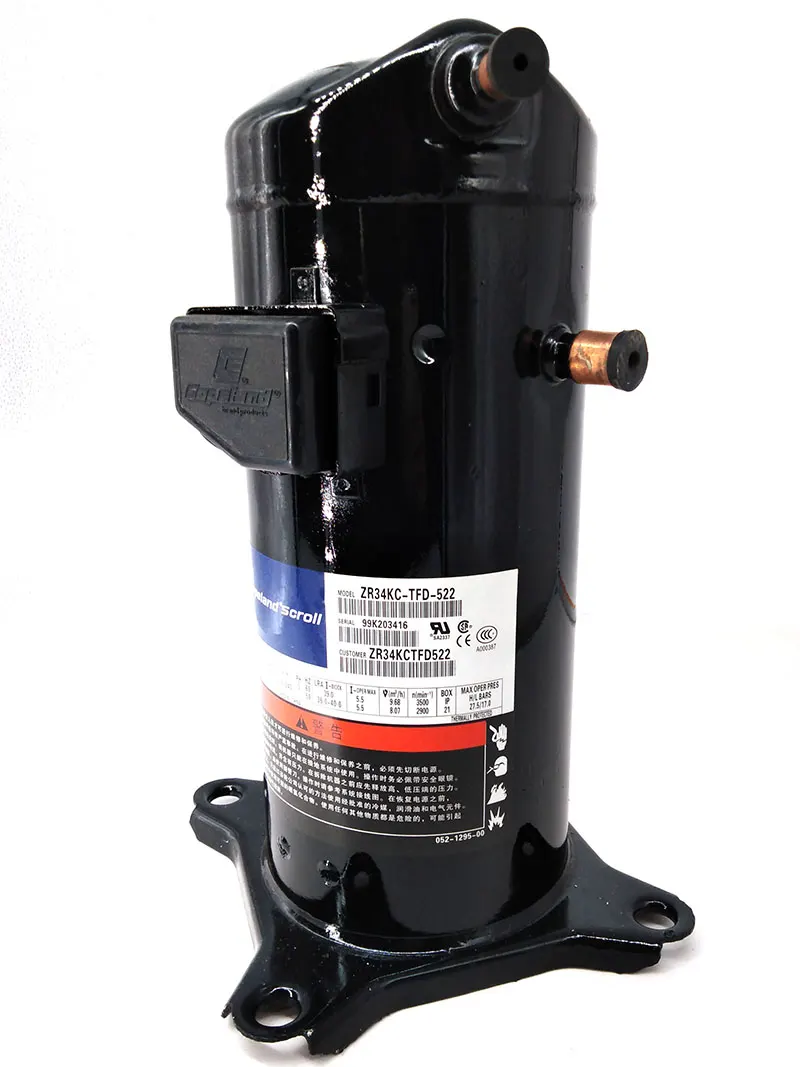
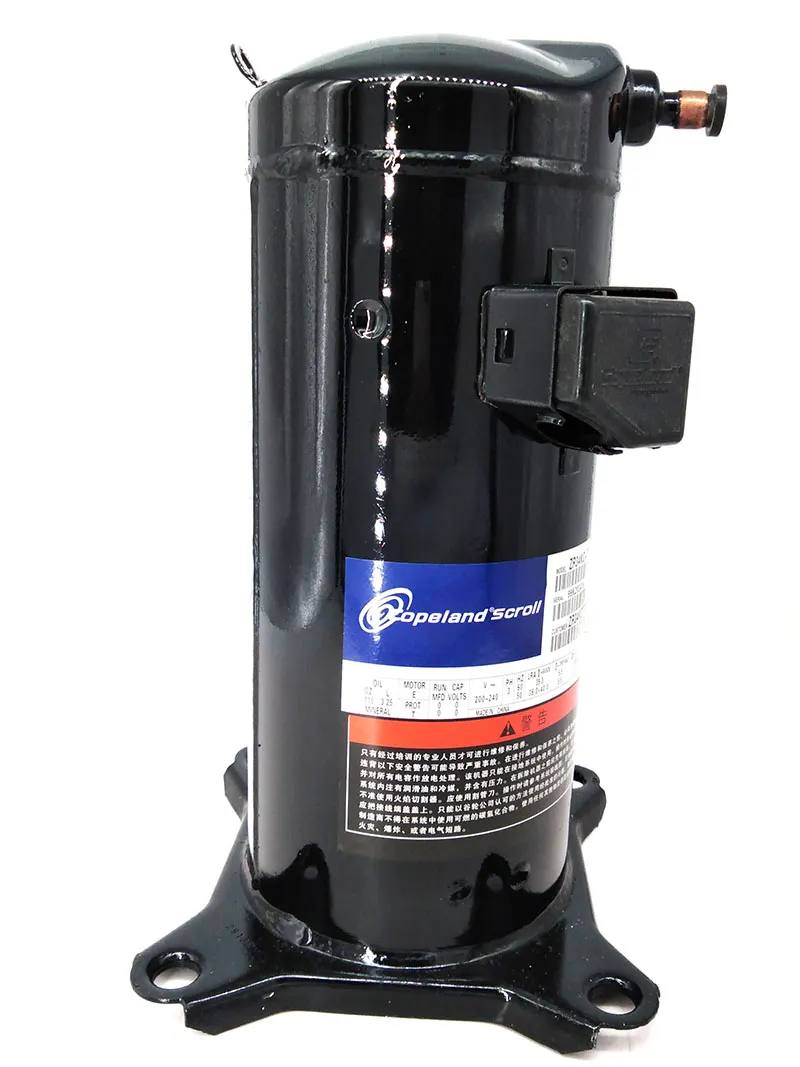
Copeland
Copeland is one of the most recognized names in refrigeration and air-conditioning compressors. It is especially strong in commercial refrigeration, condensing units, cold rooms, and many air-conditioning applications.
Typical strengths:
- Strong reputation in commercial and industrial refrigeration circles
- Broad recognition among contractors and service technicians
- Commonly considered for cold-room systems and condensing unit replacements
- Good fit where end users value proven field acceptance
Best suited for:
- Cold rooms
- Commercial refrigeration systems
- Condensing units
- Some AC and heat pump applications, depending on system design
Buyer note: Copeland is often a priority brand where uptime matters and customers ask for recognized replacement names. For distributors, it can be a key brand in markets with active service demand.
Bitzer
Bitzer is widely associated with commercial and industrial refrigeration, especially in larger or more engineered systems. It is a frequent choice in projects where contractors want a compressor brand with strong visibility in rack systems, condensing applications, and cold-chain installations.
Typical strengths:
- Strong presence in commercial refrigeration and cold-room work
- Widely respected by refrigeration engineers and installers
- Commonly specified in heavier-duty applications
- Relevant in both new project supply and replacement planning
Best suited for:
- Cold rooms
- Commercial refrigeration
- Refrigeration engineering projects
- Larger-capacity systems requiring robust application matching
Buyer note: Bitzer is often favored in contractor-led and engineering-led purchasing. It may be less about low entry price and more about project suitability, known performance, and service confidence.
Danfoss
Danfoss is a familiar name across refrigeration components, controls, and compressors. That broad ecosystem can make the brand attractive for buyers who prefer integrated sourcing logic or who already work with Danfoss valves, controls, and system parts.
Typical strengths:
- Strong brand recognition across refrigeration and HVAC supply chains
- Relevance in commercial refrigeration and selected HVAC applications
- Familiarity among technicians due to wider component presence
- Good consideration for buyers seeking brand consistency in systems
Best suited for:
- Commercial refrigeration
- Cold rooms and condensing applications
- Some AC and light commercial system needs
Buyer note: Danfoss can be commercially useful where contractors value a recognizable systems brand rather than only a compressor name.
Secop
Secop is especially well known in hermetic compressors for domestic and light commercial refrigeration. It is often considered in refrigerators, beverage coolers, medical cooling equipment, and other compact refrigeration applications where reliable small-format compressor replacements are important.
Typical strengths:
- Strong recognition in domestic and light commercial refrigeration
- Good fit for refrigerator repair and OEM-style replacement needs
- Common aftermarket relevance in cabinets, coolers, and specialty small systems
- Often requested where quiet, compact hermetic solutions are needed
Best suited for:
- Refrigerators
- Beverage coolers
- Light commercial refrigeration
- Small cabinets and specialized compact systems
Buyer note: For spare parts distributors and appliance-focused service companies, Secop can be a very practical brand because demand is often driven by replacement cycles rather than large project work.
Embraco
Embraco is another widely recognized name in domestic and light commercial refrigeration. It is strongly associated with refrigerator compressors and compact refrigeration applications that need accessible replacement options.
Typical strengths:
- High relevance in refrigerator and small refrigeration markets
- Strong aftermarket demand in domestic appliance repair channels
- Useful brand for distributors serving light commercial cooler and appliance sectors
- Familiar name in many export markets
Best suited for:
- Household refrigerators
- Small commercial coolers
- Light refrigeration replacement business
Buyer note: Embraco is often important for distributors with regular demand from appliance repair shops, supermarket service providers, and light commercial cabinet maintenance teams.
Other brands often considered by buyers
Depending on market, budget level, and application, buyers may also compare other HVAC compressor brands and refrigeration-focused manufacturers, including domestic Chinese brands and regionally strong alternatives. These can be attractive where:
- price sensitivity is high
- replacement lead time matters more than original brand continuity
- the buyer needs broad model coverage across many OEM units
- the end market accepts equivalent replacement solutions
For third-party distributors, this is where a multi-brand strategy becomes commercially useful. Premium global brands drive trust and specification value, while dependable alternatives improve stock flexibility and close urgent replacement orders.
Which brands are strongest by application?
Brand comparison becomes clearer when grouped by end use instead of by reputation alone.
For air-conditioning applications
In AC and broader HVAC work, buyers often focus on electrical compatibility, refrigerant alignment, system design, and field support. Well-known HVAC compressor brands usually perform best where the local contractor base already has service familiarity.
Common buying priorities for AC:
- exact replacement match or acceptable equivalent
- dependable startup and operating performance
- compatibility with local refrigerant practice
- support for residential, light commercial, or packaged system requirements
For buyers handling both refrigeration and AC business, it is important not to assume every refrigeration brand has equal strength in air-conditioning applications. Stock planning should reflect local installation patterns.
For refrigerators and light commercial coolers
This category is heavily replacement-driven. Brand recognition matters, but so do dimensions, starting characteristics, refrigerant suitability, and ease of substitution.
Often preferred in this segment:
- Secop
- Embraco
- other hermetic compressor brands with strong domestic and light commercial coverage
Commercial reality: service companies usually want fast-moving models, clear cross-references, and reliable quality at a workable price point.
For cold rooms and commercial refrigeration
Cold rooms place more attention on load profile, operating conditions, system matching, and installer confidence. In many markets, buyers look first at recognized commercial refrigeration names for condensing units, freezer rooms, chiller rooms, and food storage systems.
Frequently considered brands:
- Copeland
- Bitzer
- Danfoss
For contractors, the best choice often depends on whether the project is a new installation, a planned retrofit, or an urgent replacement where available stock decides the outcome.
What matters most for distributors and service companies
A good compressor brand list is not enough. The real value comes from knowing which brands generate stable demand and fewer supply-side problems.
For spare parts distributors
Distributors should evaluate brands through the lens of turnover, replacement frequency, and customer request patterns.
Practical stocking questions:
- Which compressor brands are most commonly requested by local repair shops?
- Which models have the highest repeat replacement demand?
- Are customers asking for original brand replacements or acceptable equivalents?
- Which product lines create fewer compatibility disputes after sale?
- Which brands support both premium and value-oriented customer groups?
A balanced portfolio often works best:
- one or two globally recognized commercial brands
- one or two strong domestic/light commercial hermetic brands
- cost-effective alternatives for urgent replacement and price-sensitive accounts
For refrigeration repair companies
Repair teams care less about marketing language and more about installation success. They need compressors that can be matched quickly, installed with confidence, and supported with basic technical clarity.
Priority concerns:
- quick replacement identification
- dependable operation after installation
- acceptable lead time
- low callback risk
- local customer acceptance of the brand
For repair businesses, a less famous compressor may still be the better commercial choice if it reduces downtime and reaches site faster.
For contractors and cold-room installers
Contractors usually face a wider mix of project and service work. They need brands that suit both specification-led installations and practical field replacement.
Key considerations:
- whether the compressor is intended for the actual temperature range and duty
- fit with condensing unit design and controls
- availability of future replacement stock
- comfort level of the commissioning and service team
- market expectations of the end customer
In cold-room contracting, the cheapest option can become expensive if future replacement support is weak.
Buying tips: how to compare compressor brands without making expensive mistakes
A compressor comparison becomes much more useful when tied to the job type and customer profile.
1. Start with the application, not the brand logo
A strong refrigerator compressor brand may not be the right choice for a cold-room condensing unit. Separate your evaluation by:
- AC systems
- domestic refrigerators
- light commercial cabinets and coolers
- medium and low temperature cold rooms
- general commercial refrigeration
2. Check replacement practicality
For aftermarket business, replacement convenience is crucial. Verify:
- electrical specifications
- refrigerant compatibility
- capacity range
- mounting and connection suitability
- application temperature range
Even trusted brands can create avoidable returns if the replacement match is incomplete.
3. Stock what the market actually asks for
Distributors often lose margin by overstocking slow technical lines and understocking common service items. Review real order patterns from:
- refrigerator repair shops
- supermarket and convenience store service teams
- cold-room contractors
- HVAC technicians
Demand data from the market is often more valuable than broad brand popularity.
4. Balance premium brands with equivalent options
Premium brands help win trust, but equivalent alternatives can improve responsiveness and pricing flexibility. This matters most when:
- projects have tight budgets
- urgent replacements cannot wait for long lead times
- customers accept substitute brands with suitable specifications
5. Consider long-term support, not only purchase price
The lowest initial price may increase total cost if it causes delays, mismatch issues, or warranty disputes. Buyers should think about:
- technician acceptance
- consistency of supply
- ease of model identification
- likelihood of repeat orders
A practical brand strategy for overseas buyers
For many overseas buyers, the best answer is not choosing one winner among refrigeration compressor brands. It is building a workable mix.
A practical mix often looks like this:
- recognized commercial refrigeration brands for cold rooms, engineered systems, and specification-sensitive work
- trusted hermetic refrigerator compressor brands for domestic and light commercial replacement demand
- selected alternative brands for price-sensitive orders and lead-time-critical replacements
That approach helps distributors support a broader customer base, from appliance repair shops to refrigeration contractors, without forcing every customer into the same price or brand tier.
In the end, the strongest compressor brand is the one that fits the job, can be sourced reliably, and keeps the customer’s equipment running with minimal delay. For distributors and contractors, that practical view is far more valuable than any brand ranking alone.
FAQ
Which refrigeration compressor brands are most commonly considered for cold rooms?
Cold-room buyers and contractors often look at brands with strong commercial refrigeration reputations, such as Copeland, Bitzer, and Danfoss. The best choice depends on system design, replacement needs, refrigerant requirements, and local service familiarity.
What are the best compressor brands for refrigerator replacement business?
For domestic refrigerators and light commercial coolers, buyers frequently consider brands such as Secop and Embraco because of their strong presence in compact hermetic refrigeration applications. Replacement success still depends on matching the correct electrical and application specifications.
How should distributors choose between premium compressor brands and lower-cost alternatives?
Distributors usually benefit from carrying both. Premium brands help with recognition, contractor trust, and specification-driven projects, while lower-cost alternatives can support urgent replacements and budget-sensitive customers. The right mix depends on local demand, model turnover, and acceptable substitution practices.
Is brand reputation more important than replacement compatibility?
In the aftermarket, compatibility is often more important. A respected brand still needs to match the system’s electrical requirements, refrigerant, capacity range, and application conditions. Poor matching can lead to returns, callbacks, or compressor failure.
Buyer Next Step
Move from research to sourcing with a category shortlist, relevant product examples, and a quote request channel.