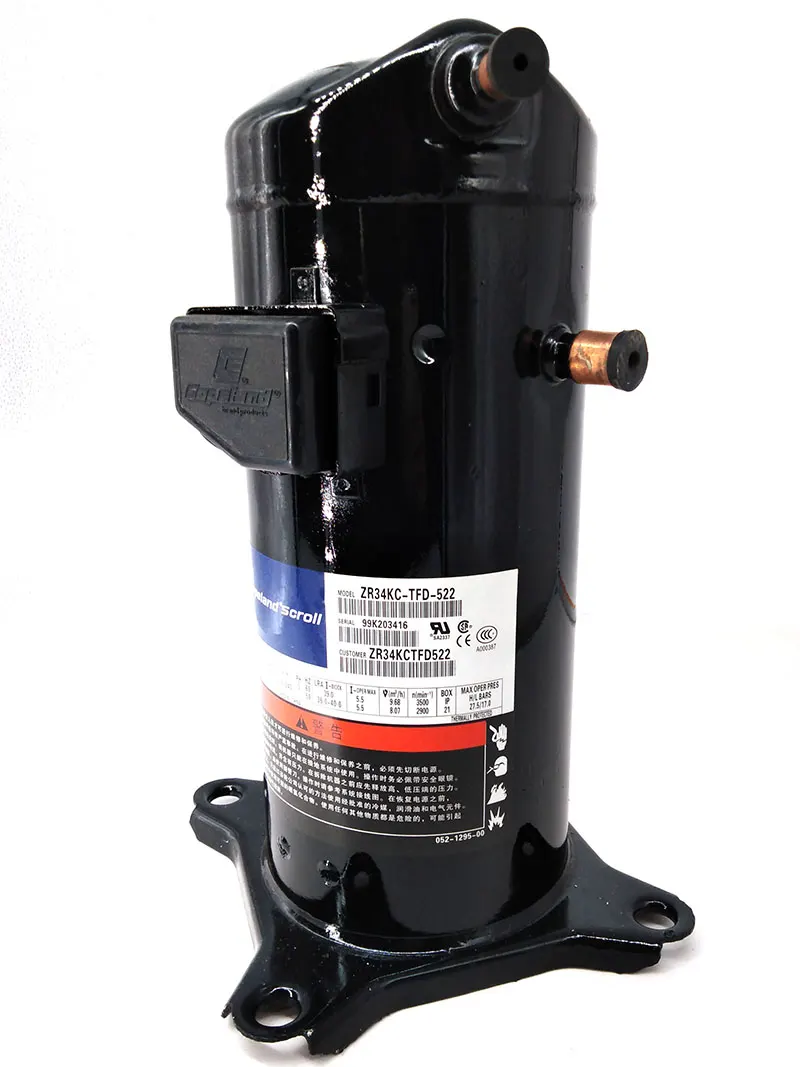
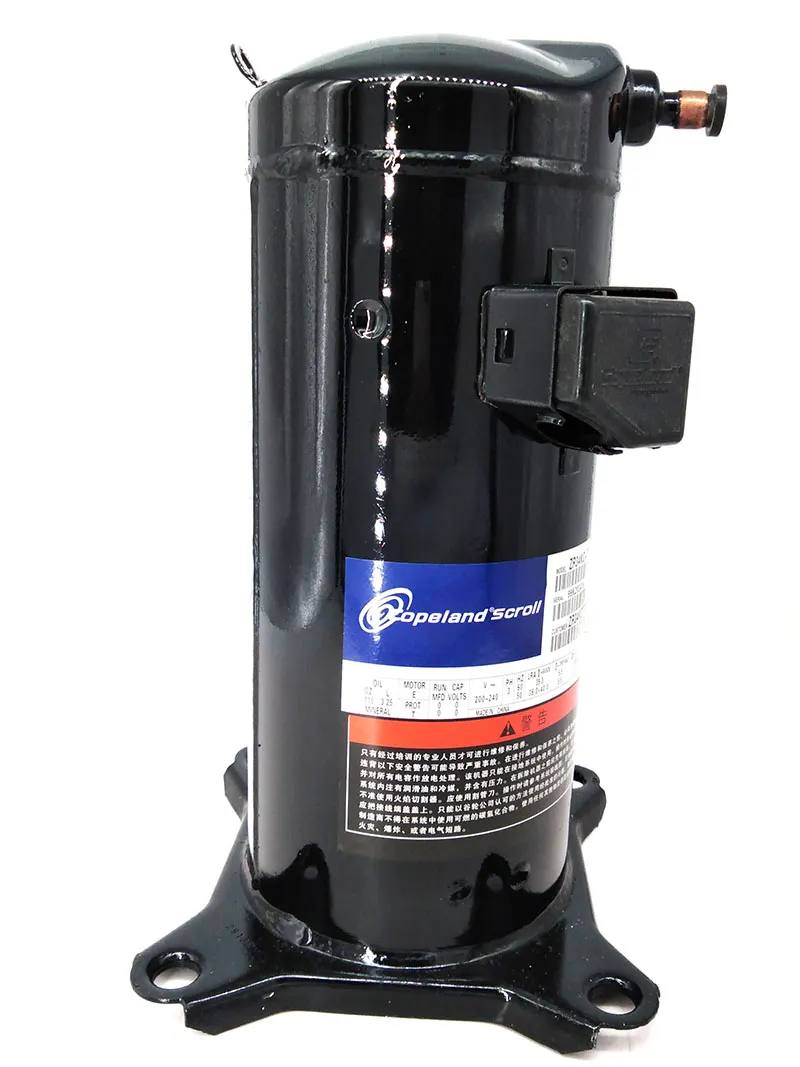
Compressor Spare Parts Buying Guide: Gaskets, Valves, Oil, Relays, Capacitors, Contactors, and Service Kits
A practical guide for refrigeration spare parts distributors and repair teams planning compressor parts inventory for maintenance, replacement, and urgent service.
Compressor Spare Parts Buying Guide: Gaskets, Valves, Oil, Relays, Capacitors, Contactors, and Service Kits
For refrigeration distributors, repair companies, and cold-room contractors, compressor spare parts are not simply accessories. They are the difference between a fast repair and a costly system shutdown. A failed gasket, worn valve plate, incorrect oil charge, weak capacitor, or damaged contactor can stop a refrigeration system even when the compressor body is still serviceable.
Choosing the right compressor spare parts supplier is therefore an operational decision as much as a purchasing decision. Buyers need access to the correct models, stable quality, clear cross-reference support, and practical stock options for routine maintenance and emergency repair.
This guide explains the main categories of refrigeration compressor spare parts, where they are used, what buyers should verify before ordering, and how distributors and service teams can build a practical inventory plan for overseas markets.
Why Compressor Spare Parts Matter in Refrigeration Service
Commercial refrigeration, air-conditioning, and cold-room systems operate under demanding conditions. Compressors face heat, pressure, vibration, oil circulation, electrical load, and repeated start-stop cycles. Over time, service parts wear, electrical components weaken, and seals lose performance.
A complete compressor replacement is not always the immediate solution. Many field service cases involve replaceable parts such as:
- Gaskets and sealing components
- Valve plates, reed valves, and related parts
- Compressor oil and oil management accessories
- Relays, capacitors, overload protectors, and contactors
- Terminal kits and electrical accessories
- Complete compressor service kits for scheduled repair
For spare parts distributors, these items often move faster than complete compressors because they are used in maintenance, troubleshooting, and urgent repair. For repair shops, keeping the correct parts on hand reduces downtime and avoids repeated site visits.
The challenge is that compressor parts are model-specific. Two compressors with similar capacity may use different gaskets, valves, oil grades, or electrical ratings. A reliable purchasing process must start with correct identification rather than visual matching alone.
Main Compressor Spare Parts Categories and Their Applications
A well-organized spare parts program should group products by function. This helps sales teams recommend parts more accurately and helps technicians diagnose failures more efficiently.
Compressor Gasket Kits and Sealing Parts
Gaskets are used to seal compressor housings, cylinder heads, valve plates, terminal covers, oil pumps, inspection plates, and service openings. In semi-hermetic and open-type compressors, gasket replacement is common during overhaul, valve inspection, oil service, and internal repair.
A compressor gasket kit may include several sealing parts for one compressor model or repair procedure. Common items include:
- Cylinder head gaskets
- Valve plate gaskets
- Crankcase gaskets
- Terminal box gaskets
- Oil pump or cover gaskets
- O-rings and sealing washers
Gasket failure can lead to refrigerant leakage, oil leakage, pressure loss, contamination, and poor compressor performance. In cold-room applications, even a small leak can create serious downtime if the system serves food storage, pharmaceuticals, or process cooling.
When purchasing compressor gasket kits, buyers should confirm:
- Compressor brand, model, and series
- Compressor type, such as semi-hermetic, open, scroll, reciprocating, or screw
- Refrigerant compatibility
- Oil compatibility
- Whether the kit is for a full overhaul or a specific repair section
- Quantity of each gasket inside the kit
Distributors should avoid mixing visually similar gaskets unless the part numbers are confirmed. Small differences in thickness, bolt-hole position, or material can affect sealing and compressor reliability.
Valve Plates, Reed Valves, and Internal Compressor Parts
Compressor valves control suction and discharge gas flow. In reciprocating compressors, valve plates and reed valves are critical to compression efficiency. Damage can occur due to liquid slugging, overheating, debris, improper oil return, or normal fatigue.
Common valve-related spare parts include:
- Valve plates
- Suction reeds
- Discharge reeds
- Valve stops
- Valve plate gasket sets
- Cylinder head service parts
Symptoms of valve problems may include high discharge temperature, reduced cooling capacity, abnormal pressure readings, noisy operation, or poor compression. A technician may need to open the cylinder head to inspect the valve plate and replace damaged components.
For purchasing teams, valve parts require careful model matching. A wrong valve plate may fit physically but perform incorrectly. Buyers should confirm the compressor model, cylinder arrangement, capacity version, and part number where available.
Repair shops often stock valve plate kits for commonly serviced compressors. Distributors can support the market by combining valve components with matching gaskets, because valve service usually requires gasket replacement at the same time.
Compressor Oil and Lubrication Products
Compressor oil is not a generic lubricant. It must suit the compressor design, refrigerant, operating temperature, and application. The wrong oil can cause poor lubrication, chemical incompatibility, oil return problems, bearing wear, and reduced system reliability.
Common compressor oil types include mineral oil, alkylbenzene oil, polyolester oil, and other synthetic lubricants, depending on compressor and refrigerant requirements. Buyers should always follow the compressor manufacturer's oil recommendation or an approved equivalent specification.
A compressor oil supplier should be able to help buyers confirm:
- Oil type and viscosity grade
- Refrigerant compatibility
- Compressor model suitability
- Packaging size for service use or workshop stock
- Shelf-life and storage requirements
- Whether the oil is suitable for retrofit or only for standard service
Refrigeration service teams should also consider oil-related accessories such as oil filters, oil sight glasses, oil pump parts, oil differential controls, and crankcase heaters where applicable.
Oil selection is especially important for cold-room systems, supermarket refrigeration, transport refrigeration, and low-temperature applications. Low evaporating temperatures and long pipe runs can make oil return more sensitive. Keeping the right oil in stock reduces the risk of technicians using an unsuitable substitute during emergency repair.
Relays, Capacitors, Overload Protectors, and Starting Components
Electrical starting components are among the most common replacement parts for small and medium compressors used in air-conditioning, refrigeration cabinets, beverage coolers, ice machines, and commercial refrigeration equipment.
A compressor relay and capacitor set may be used to assist compressor start-up and protect the motor. Common electrical parts include:
- Start relays
- Current relays
- Potential relays
- PTC relays
- Start capacitors
- Run capacitors
- Overload protectors
- Terminal covers and wiring accessories
Symptoms of failed starting parts can include compressor humming, failure to start, tripped protection, intermittent operation, overheating, or repeated breaker trips. In many cases, replacing the correct relay or capacitor restores operation without replacing the compressor.
Before ordering electrical components, buyers should confirm:
- Compressor voltage and phase
- Frequency, such as 50 Hz or 60 Hz
- Capacitor microfarad rating
- Voltage rating of the capacitor
- Relay type and terminal configuration
- Compressor motor type
- Original part number or approved replacement number
Distributors serving overseas markets should pay close attention to regional voltage and frequency differences. A part suitable for one market may not be correct for another, even if the compressor model appears similar.
Contactors, Controls, and Electrical Protection Parts
For larger refrigeration and air-conditioning systems, contactors and control components are essential for compressor operation. Contactors switch power to the compressor motor and are exposed to electrical load, heat, dust, and mechanical wear.
Common control and protection parts include:
- Compressor contactors
- Auxiliary contacts
- Thermal overload relays
- Motor protection modules
- Phase protection relays
- Pressure controls
- Oil pressure safety controls
- Crankcase heaters
- Terminal plates and terminal kits
Contactors are often replaced when contacts are burned, coils fail, or the compressor does not receive stable power. Poor contactor condition can lead to voltage imbalance, overheating, nuisance trips, or compressor motor damage.
When purchasing contactors and related electrical parts, buyers should verify coil voltage, current rating, pole configuration, mounting style, and compatibility with the control panel. For service companies, stocking common contactor ratings can help reduce emergency downtime for cold rooms and commercial HVAC systems.
Compressor Service Kits for Faster Maintenance
A compressor service kit combines multiple parts needed for a defined repair or maintenance procedure. Service kits are useful for distributors because they simplify sales and reduce the risk of missing components. They are useful for repair teams because technicians can take one packaged kit to the job site instead of ordering individual parts one by one.
A compressor service kit may include:
- Gaskets and O-rings
- Valve plate parts
- Filter elements
- Oil pump parts
- Terminal accessories
- Seals and washers
- Selected hardware for a repair procedure
Not every service kit contains the same items. Some are designed for valve replacement, some for gasket service, and others for overhaul or preventive maintenance. Buyers should check the kit contents carefully and confirm whether oil, filters, electrical parts, or tools are included.
For distributors, service kits can be an efficient way to support common compressor models. They are also helpful for customers who do not want to identify every small part separately. However, service kits should still be matched by compressor model and repair purpose.
How Distributors and Repair Shops Should Plan Compressor Parts Inventory
Inventory planning for refrigeration compressor spare parts is different from stocking complete compressors. Parts are smaller, more numerous, and often model-specific. A good stock plan balances fast-moving emergency items with lower-volume overhaul parts.
Build Stock Around Installed Compressor Models
The strongest inventory plan starts with the equipment base in the target market. Distributors should identify which compressor brands and models are most common among their customers. Repair shops should review past service records to see which parts are replaced most often.
Useful questions include:
- Which compressor models appear most often in local cold rooms, chillers, display cabinets, and air-conditioning systems?
- Which parts are urgent failure items and which are planned maintenance items?
- Are customers mainly servicing small hermetic units, semi-hermetic compressors, scroll compressors, or larger industrial systems?
- Do customers need parts for domestic brands, international brands, or both?
- Are repairs usually performed in the field or in a workshop?
This information helps avoid overstocking parts that look attractive in a catalogue but rarely move in the local market.
Separate Emergency Parts from Overhaul Parts
Emergency parts are items that can stop equipment immediately and are often needed the same day. These may include relays, capacitors, contactors, overloads, gaskets, terminal kits, and selected service valves.
Overhaul parts are usually needed for planned repair or workshop service. These may include valve plates, full gasket kits, bearing-related parts, oil pump parts, filter elements, and complete compressor service kits.
A practical distributor stock structure may include:
- Fast-moving electrical starting components
- Common gaskets and gasket kits
- Popular compressor oil types and service packaging
- Contactors and overload protection parts
- Valve plate kits for key compressor models
- Service kits for high-demand models
- Special-order parts for less common compressors
This structure allows distributors to respond quickly while keeping slow-moving inventory under control.
Stock by Application, Not Only by Brand
Brand and model are essential, but application also matters. A cold-room contractor may need different parts than a household appliance repair shop or HVAC service company.
For example:
- Beverage coolers and small cabinets often require relays, capacitors, overloads, and small hermetic compressor accessories.
- Cold rooms and commercial refrigeration systems often require contactors, pressure controls, oil, gaskets, and semi-hermetic service kits.
- Chillers and larger systems may require motor protection, oil pressure controls, valve parts, filters, and control components.
- Refrigeration engineering installers may need installation-related accessories, crankcase heaters, contactors, and protection devices.
Organizing stock by customer application helps sales teams recommend complete solutions instead of isolated parts.
What to Check Before Choosing a Compressor Spare Parts Supplier
A compressor spare parts supplier should do more than offer a product list. Overseas buyers need accuracy, reliable packing, export experience, and support for mixed orders across multiple compressor brands.
Model and Part Number Verification
Incorrect compressor parts create delays, returns, and customer complaints. Buyers should provide as much information as possible before ordering, including:
- Compressor brand and full model number
- Serial number or nameplate photo when available
- Original part number
- Refrigerant and oil type
- Voltage, phase, and frequency for electrical components
- Application details, such as cold room, chiller, cabinet, or HVAC unit
- Photos of the old part if part numbers are unclear
A good supplier should help check compatibility and ask for missing details instead of shipping based on guesswork.
Quality Consistency and Packaging
Compressor parts are often small but technically important. Poor packaging can damage gaskets, deform terminals, contaminate oil containers, or mix similar items. Export buyers should look for suppliers that can provide clear labels, protective packaging, and organized carton marking.
For distributors, good packaging also helps warehouse management. Part numbers, model references, and quantity labels reduce picking errors and make resale easier.
Multi-Brand Sourcing Capability
Many overseas distributors and repair companies service several compressor brands. Working with a supplier that can consolidate multiple brands and part categories reduces purchasing complexity.
A multi-brand compressor spare parts supplier may help buyers source:
- Refrigeration compressor spare parts for different compressor types
- Compressor gasket kit options for maintenance and overhaul
- Compressor relay and capacitor combinations for smaller systems
- Compressor oil for different refrigerant applications
- Contactors, controls, and general refrigeration electrical parts
- Compressor service kit options for common repair procedures
The benefit is not just fewer suppliers. Consolidated sourcing can also improve order coordination, documentation, and shipment planning.
Clear Communication for Replacement and Cross-Reference Parts
Aftermarket and replacement parts are common in refrigeration service, but they must be selected carefully. A cross-reference should match the required specification, not just the general appearance.
For overseas buyers, clear communication is especially important when original labels are missing or when older compressor models are involved. Photos, measurements, terminal diagrams, and application details can help reduce errors.
Practical Buying Tips for Overseas Customers
International buyers face extra challenges: shipping time, customs documentation, market voltage differences, and the cost of ordering the wrong item. A disciplined purchasing process can prevent most problems.
Create a Standard Parts Inquiry Template
Distributors and repair companies can save time by using a standard inquiry format. Include:
- Compressor brand and model
- Required part name and quantity
- Original part number if available
- Refrigerant and oil type
- Voltage and frequency for electrical parts
- Photos of compressor nameplate and old part
- Application and urgency
- Preferred shipping method
This format helps the supplier respond faster and reduces repeated clarification.
Keep Minimum Stock for High-Risk Parts
For customers servicing cold rooms, supermarkets, restaurants, medical storage, or industrial process cooling, downtime can be expensive. Minimum stock should be maintained for critical components that commonly fail or are difficult to source locally.
Recommended emergency stock categories include:
- Relays and capacitors for common compressor sizes
- Contactors and overload relays in common ratings
- Gasket kits for frequently repaired semi-hermetic compressors
- Compressor oil types used in the local installed base
- Terminal kits and electrical accessories
- Pressure controls and protection parts
- Selected compressor service kits for key models
Stock levels should be based on service history, lead time, and customer criticality. A distributor serving remote regions may need deeper stock than one located near a major logistics hub.
Check Electrical Ratings Carefully
Electrical parts are a common source of ordering mistakes. Always confirm the voltage, phase, frequency, and control coil rating. For capacitors, check both microfarads and voltage rating. For contactors, confirm amp rating, coil voltage, number of poles, and auxiliary contact requirements.
A compressor may be sold in different voltage versions for different countries. Do not assume that the same model number always uses the same electrical accessories in every market.
Match Oil to Compressor and Refrigerant
Using the wrong oil can cause serious compressor problems. Buyers should not replace compressor oil based only on viscosity or price. Confirm the oil type required for the compressor and refrigerant combination. If a system has been retrofitted to a different refrigerant, verify the approved oil recommendation before purchasing.
For distributors, it is useful to keep oil products clearly separated by type and label them with application notes. This reduces the chance that a technician selects the wrong product during urgent service.
Order Complete Repair Groups Where Possible
When a repair requires opening the compressor, related parts should often be replaced together. For example, valve service may require valve plate parts plus gaskets. Terminal repair may require seals, terminal plates, and covers. Oil service may involve filters, gaskets, and oil.
Ordering complete repair groups reduces the risk of a job being delayed by one missing gasket or small seal. This is one reason compressor service kits are valuable for both distributors and repair teams.
Key Takeaway for Compressor Spare Parts Buyers
The best compressor spare parts program is built around accuracy, application knowledge, and practical stock planning. Gaskets, valves, oil, relays, capacitors, contactors, and service kits each solve different service problems, and each requires correct matching to the compressor model and operating conditions.
For distributors, the goal is to carry the right parts for the installed equipment base, not simply the largest possible catalogue. For repair shops and cold-room contractors, the goal is to reduce downtime by keeping critical replacement items available and ordering model-specific parts with complete technical information.
A capable compressor spare parts supplier can support this process by helping buyers verify models, consolidate multi-brand requirements, prepare mixed orders, and avoid common selection mistakes. In refrigeration service, the right spare part delivered at the right time can protect both the compressor and the customer's business.
FAQ
What should I check before ordering refrigeration compressor spare parts?
Confirm the compressor brand, full model number, original part number if available, refrigerant, oil type, and application. For electrical parts, also check voltage, phase, frequency, capacitor rating, coil voltage, and terminal configuration.
What is usually included in a compressor service kit?
A compressor service kit may include gaskets, O-rings, valve plate parts, seals, washers, filter elements, terminal accessories, or selected hardware. Contents vary by compressor model and repair purpose, so buyers should verify the kit list before ordering.
Which compressor spare parts should distributors keep for emergency stock?
Common emergency stock includes relays, capacitors, overload protectors, contactors, terminal kits, compressor oil, pressure controls, frequently used gaskets, and service kits for popular compressor models in the local market.
Why is compressor oil selection important?
Compressor oil must match the compressor design, refrigerant, viscosity requirement, and operating conditions. Using the wrong oil can cause poor lubrication, oil return problems, chemical incompatibility, overheating, and premature compressor wear.
How can a compressor spare parts supplier help overseas buyers?
A reliable supplier can help verify model compatibility, source parts across multiple brands, consolidate mixed orders, provide clear labeling and export packaging, and reduce the risk of wrong-part shipments for distributors and repair companies.
Buyer Next Step
Move from research to sourcing with a category shortlist, relevant product examples, and a quote request channel.