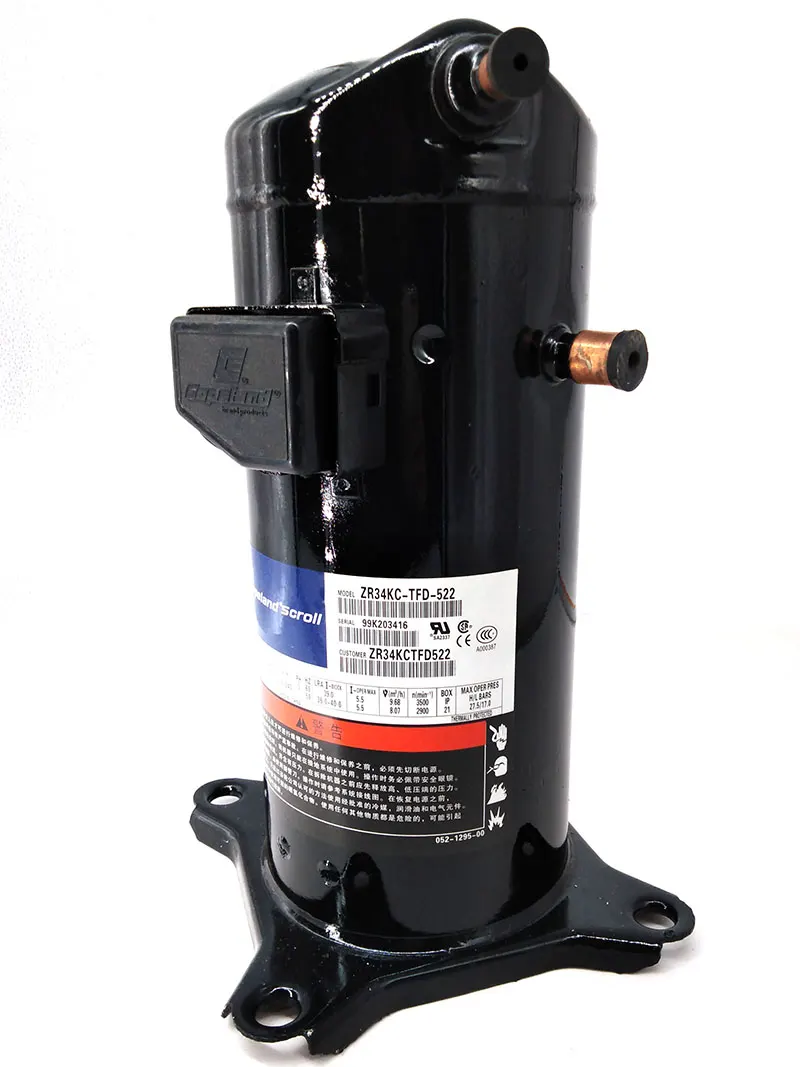
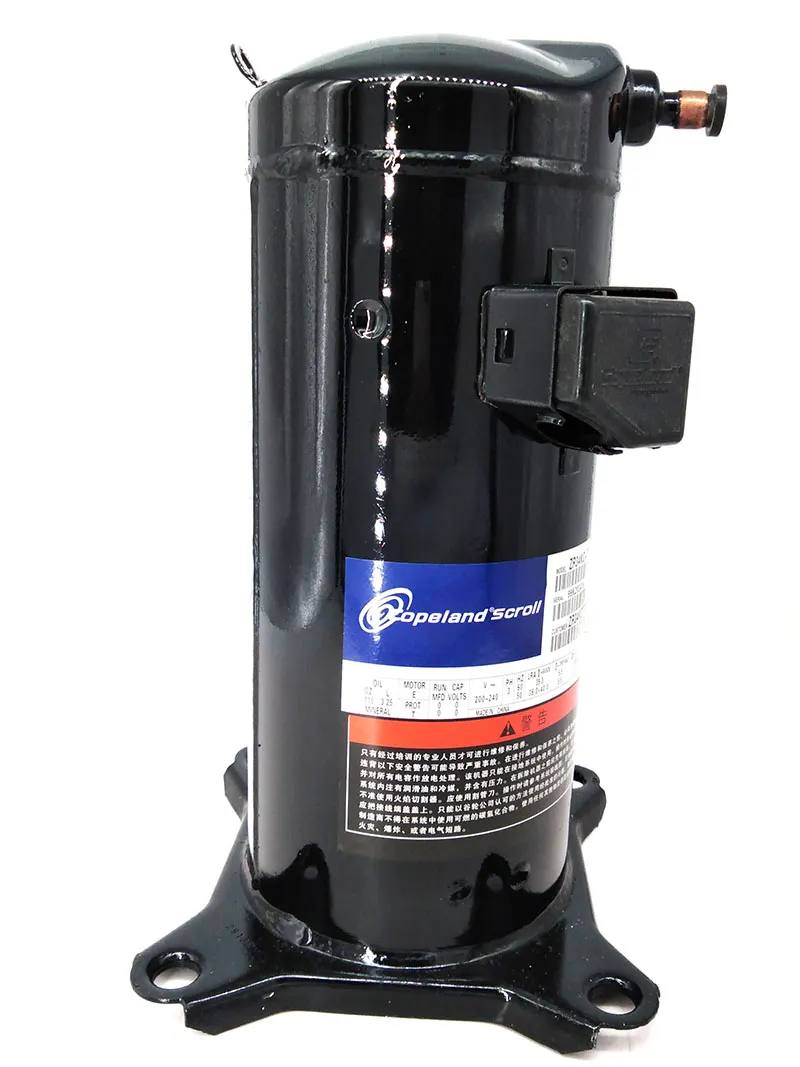
How to Select the Right Refrigeration Compressor for Spare Parts Distribution and Project Supply
A practical compressor selection guide for distributors, repair teams, and cold-room contractors sourcing refrigeration compressors internationally.
Selecting a refrigeration compressor is not only a technical decision. For spare parts distributors, repair companies, and project contractors, it is also a stocking, compatibility, lead-time, and risk-control decision. A compressor that looks similar on paper can perform poorly if the evaporating temperature, refrigerant, voltage, oil type, or application envelope does not match the job.
For international buyers, the challenge is even greater. Product labels may use different model codes, local power standards vary, refrigerant regulations are not the same in every market, and replacement requests often arrive with incomplete site information. A clear selection framework helps buyers compare multiple brands, reduce returns, and supply compressors that service teams can install with confidence.
This guide explains how to select refrigeration compressor models for spare parts distribution, refrigerator repair, walk-in cooler service, cold-room projects, and general refrigeration engineering supply.
Start With the Application, Not the Compressor Model
Many selection mistakes begin with a model number. A customer sends a photo of an old compressor, a wholesaler searches for the closest code, and the replacement is shipped before the actual application is confirmed. Model matching is useful, but it should not replace application checking.
A refrigeration compressor must be selected according to how and where it will operate. The same nominal horsepower can be used in different temperature ranges, refrigerants, and system designs. A compressor suitable for a beverage cooler may not be suitable for a freezer room, even if the physical size appears similar.
Key application categories to identify
Before checking capacity tables or cross references, confirm the application type:
- Domestic refrigerator or small commercial refrigerator
- Display cabinet, beverage cooler, or reach-in chiller
- Ice machine or special process cooling equipment
- Walk-in cooler for fresh food storage
- Walk-in freezer or low-temperature cold room
- Condensing unit replacement for commercial refrigeration
- Compressor for a new cold-room project
- Air-conditioning or heat pump system, if included in the inquiry
Each application has a different operating temperature range, running pattern, and reliability expectation. For example, walk-in cooler compressor selection usually focuses on medium-temperature performance, while freezer rooms require low-temperature capability and careful attention to compressor envelope limits.
Replacement supply versus new project supply
Spare parts replacement and project supply require different selection workflows.
For replacement orders, the priority is compatibility. The buyer should verify the original compressor model, refrigerant, voltage, capacity range, mounting dimensions, pipe connection type, oil, and electrical components. If the original model is obsolete, the replacement must be checked against operating conditions rather than chosen only by horsepower.
For new projects, the compressor is part of a complete system design. The contractor must consider cold-room size, product load, insulation, door openings, ambient temperature, evaporator and condenser selection, defrost method, refrigerant choice, and control strategy. In project supply, compressor selection should follow a cooling load calculation and system design, not a rough comparison with previous jobs.
The Core Technical Parameters Buyers Must Confirm
A reliable refrigeration compressor selection process depends on a few essential parameters. Missing one of these details can lead to wrong capacity, high discharge temperature, overload trips, poor pull-down, or premature failure.
Cooling capacity
Cooling capacity is the amount of heat the compressor can help remove under specified operating conditions. It is commonly expressed in watts, kilowatts, BTU/h, or kcal/h. The important point is that capacity is not a fixed number. It changes with evaporating temperature, condensing temperature, refrigerant, and compressor speed or frequency.
When comparing compressors, always check the rating conditions. A compressor advertised with a high capacity at one condition may deliver much less capacity at a lower evaporating temperature or higher condensing temperature.
For distributors, it is useful to record both nominal capacity and the conditions used for that rating. For contractors, capacity should be matched to the calculated refrigeration load with a reasonable allowance for operating conditions, but oversizing should be avoided because it can cause short cycling, poor humidity control, and inefficient operation.
Evaporating temperature
Evaporating temperature is one of the most important variables in compressor sizing. It reflects the temperature at which the refrigerant evaporates inside the evaporator, not simply the room temperature.
Common application ranges include:
- High-temperature refrigeration: beverage coolers, display cases, and some air-conditioning-related applications
- Medium-temperature refrigeration: chillers, fresh food rooms, walk-in coolers, and general storage above freezing
- Low-temperature refrigeration: freezer rooms, frozen food cabinets, and ice-related applications
A compressor must be approved for the required evaporating temperature range. Using a medium-temperature compressor in a low-temperature freezer application may result in insufficient capacity, overheating, or operation outside the safe envelope.
For repair companies, a practical question to ask is: What product temperature is required, and what evaporating temperature did the original system operate at? If the exact evaporating temperature is unknown, the application category and system design can help narrow the range, but technical confirmation is still recommended.
Condensing temperature and ambient conditions
Condensing temperature depends on condenser performance and ambient temperature. It is especially important for buyers supplying hot-climate markets, rooftop installations, poorly ventilated machine rooms, or outdoor condensing units.
Higher condensing temperature reduces compressor capacity and increases power consumption and discharge temperature. A compressor that works well in a mild climate may struggle in high ambient conditions if the condenser is undersized or ventilation is poor.
When selecting compressors for international supply, confirm:
- Expected ambient temperature around the condenser
- Indoor or outdoor installation
- Air-cooled or water-cooled condenser design
- Ventilation quality in the installation area
- Whether the project requires tropical or high-ambient operation
Distributors serving regions with hot climates should be cautious when stocking compressors selected only from standard rating points. Compressor application envelopes and high-condensing-temperature limits should be checked before recommending a substitute.
Refrigerant type
Refrigerant compatibility is non-negotiable. The compressor must be designed for the refrigerant used in the system, including the correct oil type and operating pressure range.
Common refrigeration refrigerants may include HFC, HFO blend, hydrocarbon, and natural refrigerant options depending on the market and application. Buyers should not assume that compressors with similar displacement or horsepower can be interchanged across refrigerants.
Important refrigerant checks include:
- Original or specified refrigerant
- Compressor approval for that refrigerant
- Oil type and oil return requirements
- Pressure range and system component compatibility
- Local refrigerant regulations and service practices
- Safety requirements for flammable refrigerants, where applicable
For refrigerator compressor selection, small hermetic compressors are often refrigerant-specific. In commercial cold-room projects, the refrigerant decision affects compressor type, valves, controls, pipe sizing, oil management, and installer qualifications.
Power supply and electrical specification
Voltage, phase, and frequency must match the local power supply. This is a common issue in international compressor sourcing because markets use different standards.
Confirm the following before ordering:
- Voltage, such as 110–120 V, 220–240 V, 380–415 V, or other local standards
- Single-phase or three-phase supply
- Frequency, typically 50 Hz or 60 Hz depending on the country
- Starting method and starting components
- Required protection devices
- Electrical box and terminal configuration
A compressor designed for one frequency may not have the same performance at another frequency unless the manufacturer provides suitable ratings. For replacement compressors, verify whether the original system uses a capacitor start, relay, contactor, overload protector, inverter drive, or other electrical arrangement.
Compressor type and construction
Different compressor constructions suit different applications and capacity ranges. International buyers commonly encounter hermetic reciprocating compressors, semi-hermetic compressors, scroll compressors, rotary compressors, and screw compressors.
A simplified guide:
- Hermetic reciprocating compressors are common in refrigerators, freezers, display cabinets, and small commercial equipment.
- Scroll compressors are widely used in air-conditioning, heat pump, and some commercial refrigeration systems.
- Semi-hermetic compressors are common in serviceable commercial refrigeration and cold-room systems.
- Rotary compressors are often used in air-conditioning and compact refrigeration applications.
- Screw compressors are generally used in larger industrial or commercial systems.
The best choice depends on capacity, serviceability, refrigerant, operating range, efficiency requirements, and local technician experience. For spare parts distributors, stocking decisions should reflect the installed base in the target market, not only price or availability.
A Practical Compressor Selection Workflow for Buyers
A structured workflow helps distributors and contractors process inquiries quickly without missing key data. It also makes communication with suppliers clearer, especially when comparing several brands.
Step 1: Collect the original compressor data
For replacement inquiries, request clear photos of:
- Compressor nameplate
- System nameplate, if available
- Wiring diagram
- Condensing unit label
- Pipe connections and mounting base
- Existing start components or electrical box
The model number is useful, but it should be supported by application and operating details. Old equipment may have been modified, repaired, or converted, so the nameplate is only one part of the selection process.
Step 2: Confirm the operating application
Ask what equipment the compressor serves and what temperature the customer needs. A vague request such as “compressor for cold room” is not enough. A compressor for a cold room could mean fresh vegetable storage, dairy storage, chilled processing, frozen meat storage, or deep-freezing support.
Useful questions include:
- What is the room or cabinet temperature requirement?
- Is it a chiller, cooler, freezer, or air-conditioning system?
- What product is being stored or cooled?
- Is the system new, under repair, or being upgraded?
- Does the existing compressor fail frequently, and if so, how?
Failure history can be valuable. Repeated compressor burnout, high-pressure trips, or oil return problems may indicate a system issue rather than a poor compressor choice.
Step 3: Match capacity at the correct conditions
Use compressor performance data at the intended evaporating and condensing temperatures. Avoid comparing only horsepower. Horsepower is a rough category, not a precise selection parameter.
For a compressor buying guide, this point is critical: two compressors with the same horsepower can have different displacement, motor design, refrigerant application, efficiency, and operating envelope. Capacity tables and software selection tools are more reliable than informal horsepower matching.
When exact load data is missing for a replacement job, use the original model performance and system application as a reference. For a new project, request a cooling load calculation from the contractor or engineering team.
Step 4: Check refrigerant, oil, and safety requirements
Make sure the selected compressor is approved for the system refrigerant and supplied with the correct oil. In retrofit situations, do not rely on guesswork. Oil compatibility and refrigerant pressure characteristics affect reliability.
For flammable refrigerants, buyers should pay special attention to system design, component approvals, labeling, ventilation, charge limits, and technician qualification according to the applicable local rules. A compressor alone does not make a system compliant.
Step 5: Verify electrical and mechanical fit
Before confirming an order, compare the physical and electrical details:
- Mounting hole spacing and base design
- Suction and discharge connection size and position
- Overall dimensions
- Weight and handling requirements
- Terminal type and electrical accessories
- Start kit or contactor requirements
- Protection devices and control compatibility
For repair shops, mechanical fit can affect installation time and customer satisfaction. For distributors, confirming fit reduces returns and disputes, especially when exporting to distant markets.
Step 6: Review operating envelope and installation environment
The compressor must operate within its approved envelope under real site conditions. Consider high ambient temperature, long pipe runs, poor ventilation, low load operation, frequent door openings, voltage fluctuation, and condenser cleanliness.
If the installation environment is harsh, the buyer may need a compressor with a more suitable application range, better system protection, or a revised condenser and control design. Many compressor failures are caused by system conditions outside the compressor’s safe operating range.
Selection Priorities by Customer Type
Different customers look at compressor selection from different angles. A distributor, a service technician, and a cold-room contractor may all buy the same compressor, but their risk points are not identical.
Spare parts distributors
Distributors need products that match market demand and can be supplied consistently. Their selection work should focus on cross-reference accuracy, brand availability, common voltage and refrigerant combinations, and packaging suitable for export handling.
Important priorities include:
- Stocking fast-moving compressor families for the local installed base
- Keeping clear model replacement records
- Avoiding too many slow-moving variants
- Confirming voltage and frequency for each destination market
- Maintaining technical data sheets for sales and after-sales support
- Understanding which models require separate electrical accessories
For distributors, a wrong compressor does more than create one return. It can damage customer trust and increase warranty handling costs.
Refrigeration repair companies and service technicians
Repair teams need reliable replacement and practical installation fit. Their main concern is whether the compressor will restore the system safely and quickly.
Service technicians should pay attention to:
- Cause of original compressor failure
- System cleaning after burnout
- Filter drier replacement
- Vacuum and charging procedure
- Correct refrigerant charge
- Start components and overload protection
- Condenser condition and airflow
- Oil return and pipe layout
A correct compressor can fail early if the system problem remains unresolved. For this reason, repair companies should combine compressor selection with basic system diagnosis.
Cold-room contractors and project installers
Contractors need compressors that match the cooling load and long-term operating requirements of the project. Their selection should be tied to room design and component matching.
Key considerations include:
- Cold-room temperature and product load
- Pull-down time expectations
- Ambient temperature and condenser location
- Evaporator selection and defrost method
- Compressor capacity control, if needed
- Refrigerant regulations in the project country
- Maintenance access and serviceability
- Availability of spare parts in the region
For a compressor for cold room projects, the cheapest option may not be the best value if it increases installation risk, energy use, or after-sales service problems.
Common Selection Mistakes to Avoid
Compressor selection errors often follow familiar patterns. Avoiding these mistakes can improve reliability and reduce commercial disputes.
Choosing by horsepower alone
Horsepower is not enough for refrigeration compressor selection. Capacity varies by condition and refrigerant. Always compare performance data at the required evaporating and condensing temperatures.
Ignoring application temperature range
A medium-temperature compressor is not automatically suitable for a freezer. Confirm whether the compressor is approved for high, medium, low, or extended temperature applications.
Overlooking local power supply
Voltage and frequency differences can cause serious problems in export orders. Always verify electrical data before shipment, especially for markets using 60 Hz power or non-standard voltage ranges.
Treating refrigerants as interchangeable
Refrigerants differ in pressure, oil compatibility, safety classification, and application rules. Use compressors approved for the intended refrigerant and follow local regulations.
Forgetting installation conditions
High ambient temperature, poor airflow, dirty condensers, long piping, and frequent door openings can change the real operating point. Selection should reflect the actual site, not only catalog conditions.
Replacing the compressor without diagnosing the failure
If the old compressor failed because of liquid floodback, poor oil return, electrical problems, high pressure, or contamination, the new compressor may fail for the same reason. Repair teams should investigate the cause before replacement.
Commercial Checks Before Placing an International Order
Technical correctness is essential, but international procurement also requires commercial discipline. Before placing an order, buyers should confirm the details that affect delivery, installation, and after-sales handling.
A practical order checklist includes:
- Full compressor model and brand
- Refrigerant and oil type
- Cooling capacity and rating conditions
- Voltage, phase, and frequency
- Application range and operating envelope
- Included accessories, such as start components or electrical boxes
- Packaging method for export shipment
- Quantity, lead time, and batch consistency
- Documentation, labels, and technical data sheets
- Warranty handling procedure and required installation records
For buyers comparing multiple compressor brands, the best supplier is not always the one offering the lowest unit price. Reliable model matching, clear technical communication, stable availability, and export experience are important factors in long-term supply.
A Simple Decision Framework
When the selection must be made quickly, use this sequence:
- Identify the application: refrigerator, display case, walk-in cooler, freezer, cold room, condensing unit, or air-conditioning system.
- Confirm the required temperature level: high, medium, or low temperature.
- Check cooling capacity at the correct evaporating and condensing temperatures.
- Match the refrigerant and oil type.
- Verify voltage, phase, and frequency.
- Confirm compressor type, physical fit, and electrical accessories.
- Review site conditions such as ambient temperature, ventilation, and condenser design.
- Check availability, documentation, packing, and after-sales support.
This framework is useful for refrigerator compressor selection, walk in cooler compressor selection, and larger cold-room project supply. It gives both technical and commercial teams a shared language for making safer purchasing decisions.
The right compressor is the one that fits the application, works within its approved operating range, matches the local power and refrigerant requirements, and can be installed and serviced reliably. For international buyers, that combination matters more than a familiar model code or a low quoted price.
FAQ
How do I select the right refrigeration compressor for a replacement job?
Start with the original compressor nameplate, then confirm the application, refrigerant, voltage, phase, frequency, cooling capacity, evaporating temperature, condensing temperature, mounting dimensions, pipe connections, and electrical accessories. Do not choose only by horsepower or model similarity.
Why is evaporating temperature important in compressor selection?
Evaporating temperature determines the operating range and available capacity of the compressor. A compressor suitable for medium-temperature cooling may not be suitable for low-temperature freezer use, even if the nominal horsepower appears similar.
Can one compressor model work with different refrigerants?
Only if the compressor is specifically approved for those refrigerants. Refrigerant choice affects pressure, oil compatibility, safety requirements, and operating envelope. Buyers should verify the approved refrigerant and oil type before ordering.
What information should a cold-room contractor provide before buying a compressor?
A contractor should provide the room temperature, product type, cooling load or room size, refrigerant, ambient temperature, condenser type, evaporator design, power supply, defrost method, and any pull-down or operating requirements.
Is horsepower enough for refrigeration compressor sizing?
No. Horsepower is only a rough reference. Proper compressor sizing requires capacity data at the required evaporating and condensing temperatures, along with refrigerant, voltage, application range, and installation conditions.
Buyer Next Step
Move from research to sourcing with a category shortlist, relevant product examples, and a quote request channel.