How to Choose the Right Refrigeration Compressor for AC, Refrigerator, and Cold Room Applications
A practical compressor selection guide for AC, refrigerator, and cold room buyers comparing application, temperature range, refrigerant, power supply, and type.
Choosing a refrigeration compressor is rarely just a matter of matching horsepower or picking a familiar brand. For distributors, repair companies, and project buyers, the right choice depends on the application, the evaporating and condensing conditions, the refrigerant, the local power supply, and the compressor construction.
A compressor that works well in one air-conditioning job may fail early in a freezer room. A unit that fits the refrigerant may still be the wrong option if the site voltage or frequency is different. For replacement work, even a small mismatch in displacement, starting method, or mounting layout can create installation problems and call-backs.
This guide explains how to choose refrigeration compressor models for air conditioning, refrigerators, and cold rooms in a practical, distributor-neutral way.
Start with the application, not the brand
The fastest way to narrow down compressor options is to define the job clearly. In refrigeration, the application determines the operating envelope, load pattern, refrigerant compatibility, and preferred compressor type.
Air-conditioning compressors
Air-conditioning systems typically operate in a higher evaporating temperature range than freezer applications. Buyers usually focus on:
- Comfort cooling capacity
- Energy efficiency
- Quiet operation
- Stable performance in high ambient conditions
- Compatibility with split systems, package units, or rooftop equipment
In many AC applications, scroll compressors and rotary compressors are common choices, while reciprocating models remain relevant in some systems and replacement markets.
Refrigerator compressors
Domestic and light commercial refrigerators often use compact hermetic compressors designed for:
- Small cooling loads
- Continuous cycling
- Low noise
- Specific refrigerants and capillary or simple expansion systems
- Tight physical dimensions
For replacement buyers, refrigerator compressor selection often depends on matching the original refrigerant, capacity range, starting device, and shell configuration.
Cold room compressors
Cold rooms require more careful selection because operating temperatures vary widely between chillers and freezers. A medium-temperature cold room for fresh produce and a low-temperature freezer room for frozen food place very different demands on the compressor.
Cold room buyers usually need to check:
- Medium-temperature or low-temperature duty
- Pull-down performance
- Operating reliability under long runtimes
- Defrost-related load variation
- Serviceability and spare parts support
For larger systems, semi-hermetic reciprocating compressors are often preferred for repairability and field service. Scroll compressors are also used in some packaged condensing units and medium-temperature applications.
The key selection factors that matter most
Once the application is clear, compressor selection becomes a process of checking technical fit. The most important mistake to avoid is evaluating compressors by nominal power alone. Cooling capacity depends on operating conditions, not just motor size.
1. Temperature range and duty
This is one of the most important steps in how to choose refrigeration compressor models correctly.
Buyers should confirm whether the system is intended for:
- High-temperature duty
- Medium-temperature duty
- Low-temperature duty
A compressor designed for medium-temperature conditions may not be suitable for low-temperature freezer operation, even if the power rating looks similar. Low-temperature duty generally involves lower suction pressure, higher compression ratio, and greater thermal stress.
This matters because temperature range affects:
- Available cooling capacity
- Motor loading
- Discharge temperature
- Oil return behavior
- Overall compressor life
For cold room compressor selection, always ask for the target room temperature and expected evaporating temperature, not just the room size.
2. Refrigerant compatibility
Refrigerant choice is another primary filter. Compressors are not universally interchangeable across all refrigerants. Compatibility depends on motor design, lubrication, pressure range, and approved operating envelope.
Common questions include whether the compressor is suitable for the refrigerant already in the system, whether it can be used in a retrofit, and whether the oil type matches the refrigerant requirement.
When reviewing refrigerant compatibility, check:
- Approved refrigerant type
- Oil type and service requirements
- Expected suction and discharge pressure range
- Capacity impact compared with the original refrigerant
- Application approval for AC, chiller, refrigerator, or freezer duty
For replacement jobs, changing refrigerant may also require changes to expansion components, filter driers, controls, and charging procedures. A compressor alone cannot solve an incorrect refrigerant conversion.
3. Voltage, frequency, and phase
Overseas buyers often deal with mixed power standards across regions. This makes power supply compatibility a critical checkpoint.
Always confirm:
- Voltage
- Frequency, such as 50 Hz or 60 Hz
- Single-phase or three-phase
- Starting method if relevant
A compressor built for 60 Hz will not perform the same way on 50 Hz. Capacity, current draw, and motor behavior can change. Using the wrong supply can reduce reliability or prevent correct starting.
This is especially important for distributors supplying multiple export markets. Similar compressor model families may have different motor codes for different countries.
4. Compressor type
Compressor construction affects performance, serviceability, installation space, and total cost of ownership.
Hermetic compressors
Hermetic compressors have the motor and compression mechanism sealed in the same shell. They are common in domestic refrigerators, small commercial refrigeration, and many compact condensing units.
Advantages:
- Compact design
- Lower external leakage risk
- Simple installation
- Common in replacement markets
Considerations:
- Limited field repair
- Exact replacement fit can matter
- Application range may be narrower than larger industrial options
Semi-hermetic compressors
Semi-hermetic compressors are often used in commercial refrigeration and cold room systems where serviceability is important.
Advantages:
- Repairable construction
- Better suited for many commercial and industrial duties
- Common in rack, condensing unit, and cold room applications
Considerations:
- Larger footprint
- Higher installation complexity
- Need careful matching with system controls and piping
Scroll compressors
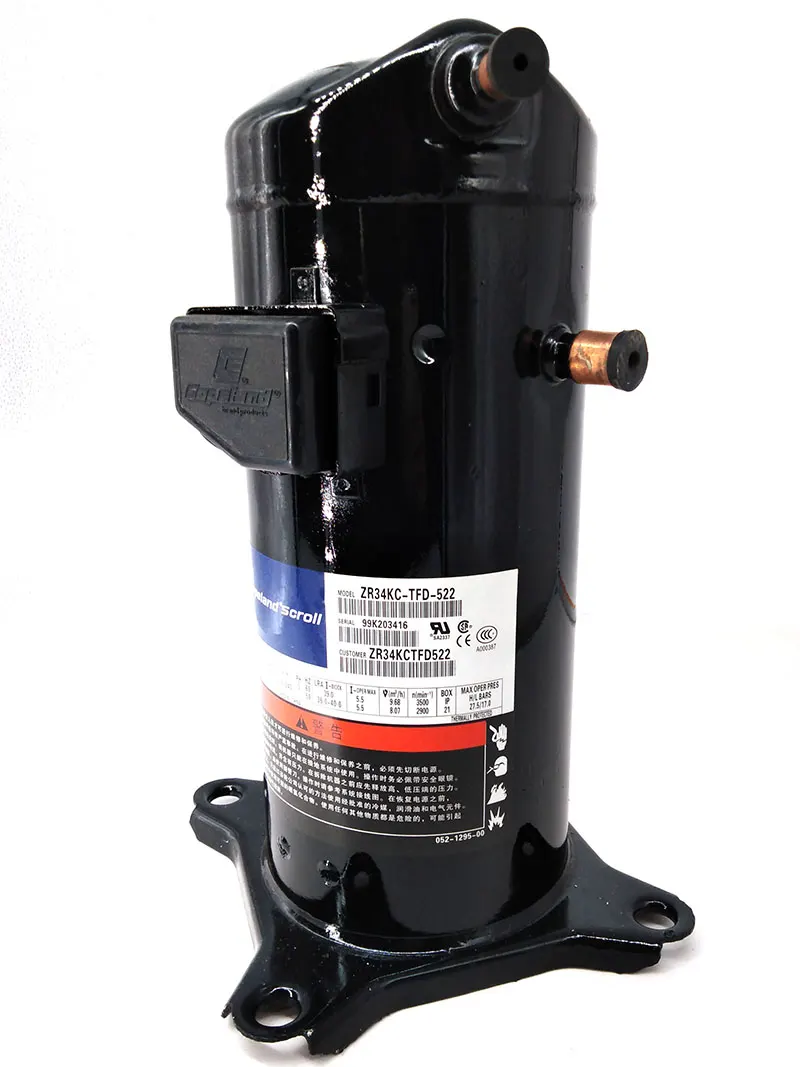
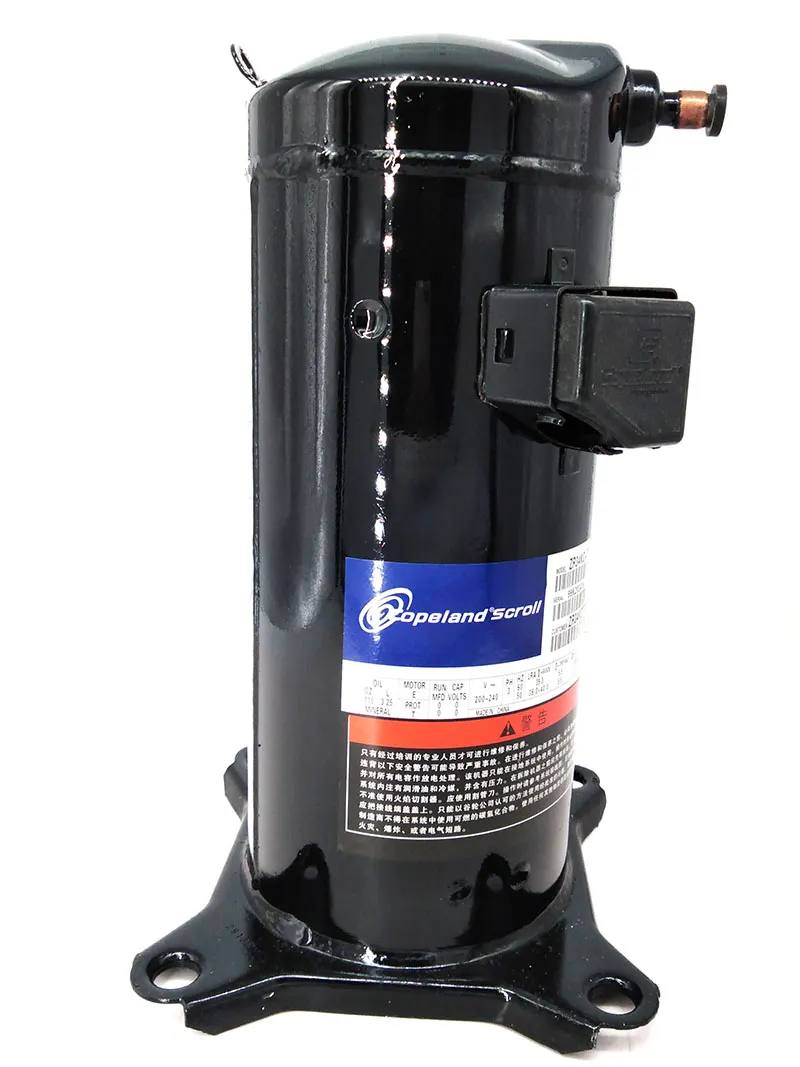
Scroll compressors are widely used in air conditioning and in some refrigeration applications.
Advantages:
- Smooth and quiet operation
- Good efficiency in many AC duties
- Fewer moving parts than reciprocating designs
Considerations:
- Not every model is suitable for low-temperature refrigeration
- Replacement may require attention to piping orientation and controls
- Service approach differs from reciprocating compressors
Reciprocating compressors
Reciprocating compressors remain a practical choice across refrigerator, refrigeration, and cold room markets.
Advantages:
- Broad application range
- Familiar service profile for many technicians
- Strong presence in low- and medium-temperature refrigeration
Considerations:
- Vibration and noise may be higher than some alternatives
- Performance depends strongly on correct application matching
When comparing scroll vs reciprocating compressor options, the right answer depends on duty, system design, and service expectations, not just efficiency claims.
5. Capacity at actual operating conditions
Cooling capacity should be checked at the system's real operating conditions whenever possible. Nominal model size alone is not enough.
Important inputs include:
- Evaporating temperature
- Condensing temperature or ambient condition
- Refrigerant type
- Superheat and subcooling assumptions if available
- Power supply frequency
For project buyers, this step helps avoid under-sizing, which can cause poor pull-down and extended runtimes, or over-sizing, which can lead to short cycling and unstable control.
6. Installation and replacement fit
For spare-parts distributors and service contractors, fit is often as important as thermodynamic performance.
Check practical details such as:
- Mounting dimensions
- Suction and discharge connection sizes
- Oil charge and oil type
- Shell height and clearance
- Electrical terminal arrangement
- Need for external accessories such as capacitors, protectors, or crankcase heaters
A technically acceptable compressor may still be a poor replacement if it creates pipe stress, wiring changes, or enclosure conflicts.
How selection differs by application
The same selection framework applies across sectors, but the priority changes by job type.
Air conditioning compressor selection
For AC systems, buyers usually prioritize efficiency, low noise, stable operation, and compatibility with the original system design.
Pay close attention to:
- Refrigerant match
- Cooling capacity at expected ambient temperature
- Voltage and frequency
- Scroll, rotary, or reciprocating design compatibility
- Starting characteristics for the local power grid
In replacement markets, air conditioning compressor selection should also consider whether the compressor was designed for the same control strategy and system architecture.
Refrigerator compressor selection
For refrigerators, small differences can matter a lot because the systems are compact and tightly optimized.
Focus on:
- Exact refrigerant compatibility
- Matching application type, such as fresh food or freezer cabinet
- Starting device and motor configuration
- Physical dimensions and tubing layout
- Noise expectations in domestic or retail settings
For service teams, a refrigerator compressor that appears close in size may still perform poorly if the capacity or motor start characteristics do not match the original design.
Cold room compressor selection
For cold rooms, the main question is whether the compressor is intended for medium-temperature or low-temperature duty and whether it can handle the load profile.
Check:
- Room temperature target
- Product load and pull-down demand
- Refrigerant approval
- Semi-hermetic or hermetic preference
- Site power supply
- Service access and spare parts availability
For larger walk-in coolers and freezer rooms, semi hermetic compressor selection is often driven by maintainability, especially where downtime is costly and local service teams need rebuildable equipment.
A practical buying checklist for distributors and project teams
When comparing compressor options across multiple brands, use a standard checklist. This helps buyers avoid relying on brand familiarity alone.
Core technical checklist
- Application: AC, refrigerator, chiller room, freezer room, or mixed duty
- Temperature range: high, medium, or low temperature
- Refrigerant: current system refrigerant and any retrofit plans
- Power supply: voltage, phase, and frequency
- Compressor type: hermetic, semi-hermetic, scroll, or reciprocating
- Required capacity at actual operating conditions
- Physical fit and connection layout
- Oil type and accessory requirements
Commercial and operational checklist
- Availability for the export market
- Lead time consistency
- Cross-brand replacement options
- Warranty handling process
- Spare parts availability for service markets
- Packaging suitability for international shipment
- Documentation quality, including wiring and application data
For aggregators and multi-brand distributors, cross-reference capability is a competitive advantage. Buyers often need a functionally equivalent option when the original brand is unavailable, delayed, or outside budget.
Common mistakes when choosing a refrigeration compressor
Even experienced buyers can run into avoidable problems. The most common errors include:
Choosing by horsepower only
Horsepower does not tell the full story. Capacity and reliability depend on refrigerant, operating temperatures, and frequency.
Ignoring frequency differences
A compressor rated for one frequency may deliver different capacity and current on another. This is a frequent issue in export supply.
Treating medium- and low-temperature duty as interchangeable
A chiller room compressor is not automatically suitable for a freezer room.
Overlooking replacement fit
Mounting, connection size, and electrical details can turn a simple replacement into a costly site modification.
Focusing only on purchase price
The lowest upfront cost may not be the best choice if installation is more difficult, service support is weak, or operating efficiency is poor for the application.
What buyers should pay attention to before placing an order
Before confirming a compressor order, buyers should gather a minimum data set from the system or customer site:
- Original compressor model if available
- Refrigerant used in the system
- Required application and room temperature
- Voltage, phase, and frequency
- Compressor type preferred or originally installed
- Connection sizes and mounting dimensions
- Whether the job is replacement or new project supply
With that information, it becomes much easier to compare multiple brands on a like-for-like basis.
The best refrigeration compressor is not simply the most powerful or the most recognizable. It is the model that matches the application, operating conditions, refrigerant, power supply, and service realities of the market where it will be installed. For overseas distributors, repair contractors, and cold room installers, that disciplined selection process reduces failures, shortens sourcing time, and improves replacement success across AC, refrigerator, and refrigeration projects.
FAQ
How do I choose a refrigeration compressor for a replacement job?
Start with the original model number if available, then confirm the refrigerant, application, operating temperature range, voltage, frequency, phase, and physical connection details. A replacement compressor should match both performance and installation requirements, not just nominal power.
What is the most important factor in cold room compressor selection?
The operating temperature range is usually the key factor. Medium-temperature and low-temperature cold rooms place different demands on the compressor, so buyers should confirm the target room temperature, expected evaporating temperature, refrigerant, and site power supply before choosing a model.
Can I use the same compressor for air conditioning and refrigeration?
Not always. Air-conditioning compressors and refrigeration compressors can differ in operating envelope, refrigerant approval, motor design, and temperature duty. A compressor suitable for comfort cooling may not be suitable for low-temperature refrigeration or freezer applications.
How important are voltage and frequency when selecting a compressor?
They are critical. Voltage, phase, and frequency affect starting, running current, capacity, and reliability. A compressor designed for 60 Hz may not perform correctly on 50 Hz, so export buyers should always confirm power supply compatibility before ordering.
Buyer Next Step
Move from research to sourcing with a category shortlist, relevant product examples, and a quote request channel.