How to Select a Compressor for Cold Rooms: Medium Temperature vs Low Temperature Applications
A practical cold room compressor selection guide for matching temperature range, refrigerant, capacity, compressor type, and application requirements.
Selecting the right cold room compressor is one of the most important decisions in any cold storage project. The compressor must match the storage temperature, product load, refrigerant, evaporator design, condensing condition, power supply, and duty cycle. A unit that is too small will struggle to pull down and maintain temperature. A unit that is too large may short-cycle, reduce humidity control, increase wear, and create unnecessary operating cost.
For distributors, service companies, and cold-room installers, a reliable selection process helps avoid mismatched replacements, delayed commissioning, and customer complaints. The most useful starting point is the application temperature: is the room a medium temperature chiller, or a low temperature freezer? From there, the selection should be checked against evaporating temperature, condensing temperature, cooling capacity, refrigerant type, and compressor technology.
This cold room compressor selection guide explains the main factors that should be reviewed before choosing a cold storage compressor, walk in freezer compressor, or replacement compressor for an existing refrigeration system.
Medium Temperature vs Low Temperature: The First Selection Step
Cold rooms are usually divided into medium temperature and low temperature applications. This distinction is not only about the room set point. It affects the compressor model range, motor load, refrigerant mass flow, oil return, expansion valve selection, and evaporator design.
Medium temperature cold rooms
Medium temperature systems are used for chilled storage where products must be kept above freezing or near freezing. Common examples include:
- Fruit and vegetable rooms
- Dairy and beverage storage
- Fresh meat preparation rooms
- Walk-in chillers for restaurants and supermarkets
- Pharmaceutical or process rooms requiring stable chilled conditions
Typical room temperatures may be around 0°C to 10°C, depending on the product. The compressor operates at a higher evaporating temperature than a freezer compressor, which usually means better energy efficiency and lower compression ratio.
A medium temperature compressor is not automatically suitable for freezing duty. If it is used at a much lower evaporating temperature than designed, it may run outside its safe operating envelope, overheat, lose capacity, or suffer from poor lubrication.
Low temperature cold rooms
Low temperature systems are used for frozen storage and products that must remain below freezing. Common examples include:
- Walk-in freezers
- Frozen meat and seafood rooms
- Ice cream storage
- Frozen food distribution rooms
- Blast holding rooms after freezing processes
Typical room temperatures may be around -18°C to -25°C for frozen storage, with some applications requiring lower temperatures. A low temperature refrigeration compressor is designed to operate at lower suction pressures and higher compression ratios. It may require different motor sizing, cooling arrangements, oil management, and approved refrigerant application limits.
For a replacement job, the room temperature alone is not enough. A walk in freezer compressor must be selected using the expected evaporating temperature and condensing temperature, not just the thermostat setting.
Key Operating Conditions That Define Compressor Selection
A compressor’s capacity and reliability depend on the conditions under which it operates. The same compressor can deliver very different cooling capacity at different evaporating and condensing temperatures. For this reason, buyers should avoid selecting only by horsepower or physical size.
Room temperature and product load
The room set point is the visible requirement, but the compressor must handle the full heat load. Heat enters or is generated in the cold room through several sources:
- Product entering the room at a higher temperature
- Wall, ceiling, and floor heat transmission
- Door openings and air infiltration
- People working inside the room
- Lighting, fans, forklifts, or internal equipment
- Defrost heat in freezer applications
A fruit room, for example, may have frequent door openings and product respiration load. A meat storage room may need stable temperature and humidity to protect product quality. A walk-in chiller in a restaurant may see frequent small loads throughout the day. A freezer room may need more attention to defrost, insulation, door management, and pull-down time.
The compressor should be selected for the calculated cooling load, not simply for the room volume. Room size matters, but product type, loading temperature, insulation, ambient condition, and operating pattern can change the required capacity significantly.
Evaporating temperature
Evaporating temperature is one of the most important values in compressor selection. It is normally lower than the room temperature because the evaporator coil must be colder than the air in order to remove heat.
For medium temperature rooms, the evaporating temperature may be several degrees below the desired room temperature. For low temperature freezers, the evaporating temperature is much lower and has a major impact on compressor capacity.
A compressor catalog or selection software normally lists capacity at specific evaporating and condensing conditions. If the evaporating temperature is reduced, compressor capacity drops and compression ratio rises. This is why a compressor that appears sufficient at one condition may be inadequate at a lower evaporating temperature.
Condensing temperature
Condensing temperature depends on the condenser type, ambient temperature, airflow, water temperature if water-cooled, condenser cleanliness, and installation location. Hot climates or poorly ventilated machinery areas push condensing temperatures higher.
As condensing temperature increases, compressor capacity generally decreases and power input increases. The result is higher operating cost and greater thermal stress. Overseas buyers should pay close attention to local ambient conditions. A compressor system selected for a mild climate may not perform properly in a hot coastal city, desert region, or rooftop installation with restricted airflow.
When requesting a quotation or replacement match, provide the expected condensing temperature or at least the maximum ambient condition and condenser type. This helps the supplier check whether the compressor can operate safely and deliver the required capacity.
Cooling capacity
Cooling capacity is the amount of heat the compressor and refrigeration system can remove under defined conditions. It may be expressed in kW, kcal/h, BTU/h, or refrigeration tons. The unit is less important than the condition behind the rating.
For example, a cold room compressor rated at one evaporating and condensing condition cannot be compared directly with another compressor rated at different conditions. Installers and distributors should compare capacity at the same evaporating temperature, condensing temperature, superheat, subcooling, and refrigerant whenever possible.
In practical selection, the compressor capacity should cover the calculated room load with a reasonable margin. Too little capacity leads to long running time and poor temperature control. Excessive oversizing can create cycling problems, oil return issues, unstable expansion valve operation, and reduced dehumidification control.
Refrigerant, Compressor Type, and System Compatibility
Cold-room compressor selection is closely connected to refrigerant choice and system design. A compressor is not a universal mechanical item. It must be approved for the refrigerant, oil type, application range, voltage, and controls used in the system.
Refrigerant compatibility
Common cold room systems may use different refrigerants depending on market, regulation, installed base, and project design. Replacement buyers must identify the existing refrigerant before choosing a compressor. Changing refrigerant is not simply a matter of replacing the compressor; it may require checking oil, expansion valve, pressure controls, seals, condenser capacity, safety classification, and system charging procedures.
Important refrigerant-related questions include:
- What refrigerant is currently used or specified for the project?
- Is the compressor approved for that refrigerant in medium or low temperature operation?
- What oil type is required?
- Are the pressure ratings and safety controls suitable?
- Will the expansion valve and other components match the refrigerant?
For retrofit or replacement work, the safest approach is to match the compressor model or select an approved equivalent based on the operating envelope and system requirements.
Reciprocating, scroll, semi-hermetic, and other compressor options
Different compressor types are used in cold rooms depending on capacity range, temperature level, service preference, and project cost.
Reciprocating compressors are widely used in cold storage because they are available across many medium and low temperature applications. They are often chosen for serviceability and broad operating flexibility. Semi-hermetic reciprocating models are common in commercial and industrial-style cold rooms where repair access and durability are important.
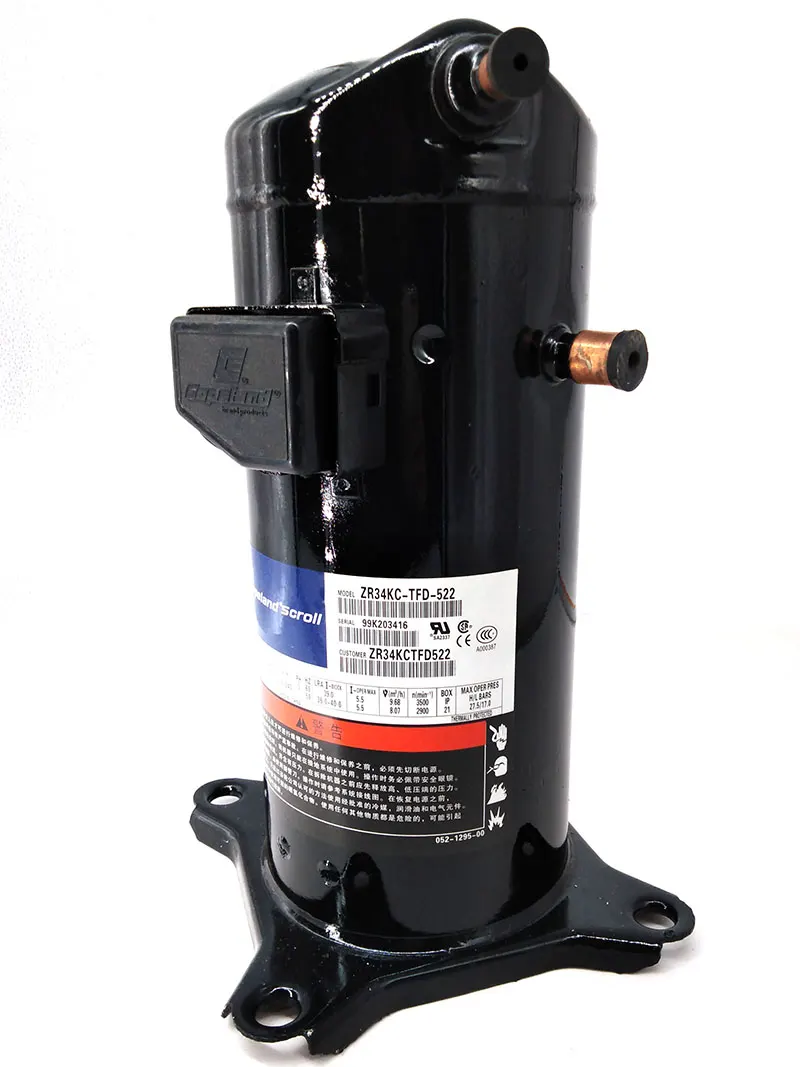
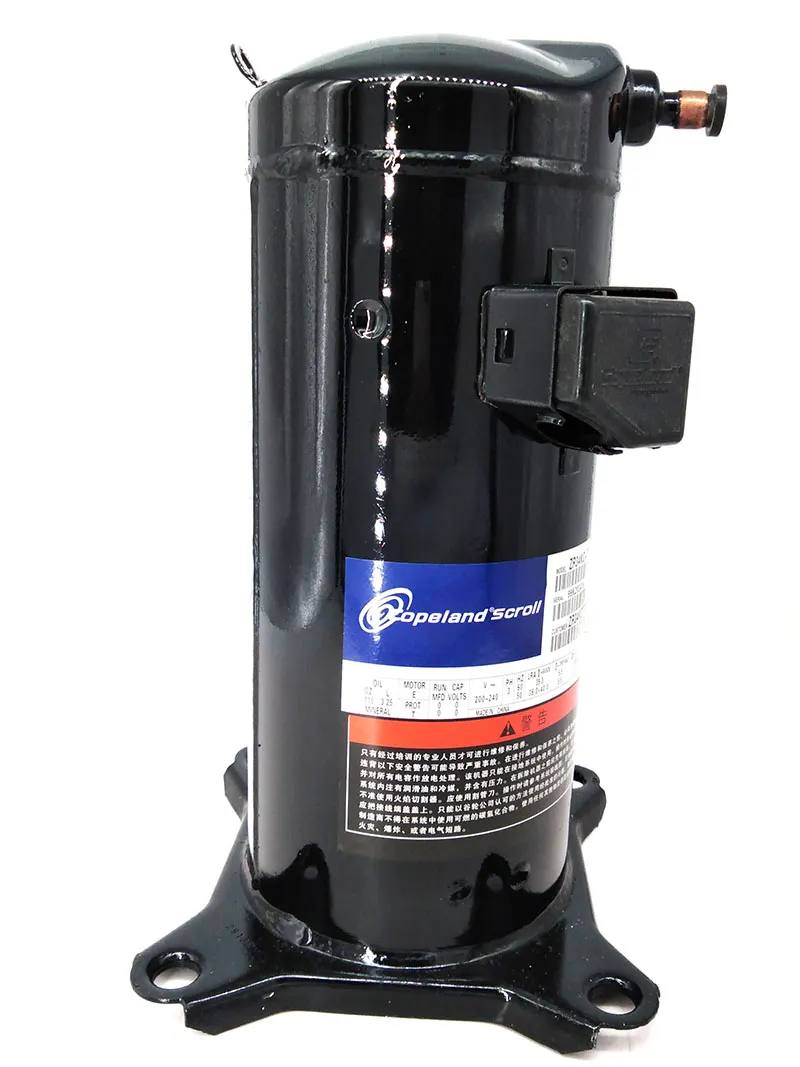
Scroll compressors are often used in commercial refrigeration and walk-in chiller applications. They are compact and have fewer moving parts, but selection must stay within the approved envelope, especially for low temperature use. Some low temperature scroll applications require injection or other cooling methods depending on the design.
Hermetic compressors are common in smaller cold rooms and self-contained refrigeration equipment. They are compact and cost-effective, but less serviceable than semi-hermetic options.
Screw compressors and larger industrial compressor packages may be used for bigger cold storage facilities, central systems, or projects with multiple rooms. These systems require more detailed engineering and control design.
The best compressor type is not only the one with the right capacity. It must match maintenance capability, spare parts availability, local service practice, and the expected operating profile.
Electrical and control requirements
Before ordering a compressor, confirm the electrical specification. Voltage, phase, frequency, starting method, protection device, and control panel design must match the site.
Key checks include:
- Supply voltage and frequency in the destination country
- Single-phase or three-phase power
- Starting current limitations
- Motor protection requirements
- Crankcase heater requirements
- Oil pressure controls for applicable compressor designs
- Discharge temperature protection
- Low pressure and high pressure safety settings
For export projects, electrical mismatch is a common avoidable problem. A compressor selected correctly on cooling capacity can still fail commercially if it does not match the customer’s power supply or control standard.
Application Examples: Matching the Compressor to Real Cold Rooms
Cold room projects often look similar on drawings, but the compressor requirements vary by product and operating pattern. The following examples show how selection priorities change.
Fruit and vegetable cold rooms
Fruit and vegetable storage usually falls into the medium temperature range. The main goals are stable temperature, suitable humidity, and gentle airflow. Compressor selection should avoid excessive oversizing because short cycling can affect temperature stability and moisture control.
Installers should consider product respiration heat, loading frequency, and door openings. In some markets, ambient temperature is high during harvest season, so condensing conditions must be checked carefully.
Fresh meat storage rooms
Fresh meat storage is typically a chilled application, but temperature control can be stricter than general produce storage. Product safety and quality depend on maintaining a stable cold chain. Compressor capacity should account for product loading temperature, processing schedule, and door activity.
For meat preparation areas, internal loads from workers, lighting, and equipment may be higher than in a simple storage room. The selected cold storage compressor should support reliable daily operation rather than only meeting a nominal room-size estimate.
Walk-in chillers
Walk-in chillers are common in restaurants, hotels, convenience stores, supermarkets, and food distribution. They often have frequent door openings and variable loads. Medium temperature compressors are typical, but selection should consider whether the chiller is used for holding already chilled products or for pulling down warm products.
A holding room needs enough capacity to maintain temperature under normal use. A pull-down room requires more capacity and may need a different design approach. Buyers should be clear about the actual duty before comparing compressor prices.
Walk-in freezers
A walk in freezer compressor must be suitable for low temperature operation. Freezer selection should check evaporating temperature, defrost method, oil return, discharge temperature, and operating envelope. The compressor may need accessories or controls that are less critical in medium temperature applications.
Freezers are more sensitive to air leakage and door management. If the room has frequent door openings, poor curtains, weak insulation, or heavy frost build-up, the compressor may appear undersized even if the original calculation was reasonable. The full system design matters.
Multi-room cold storage systems
Some projects include several rooms at different temperatures, such as a chilled preparation room, a medium temperature storage room, and a freezer. These systems may use separate condensing units or a centralized rack system. Selection must account for different evaporating levels and load diversity.
For smaller installations, separate compressors can simplify service and reduce cross-impact between rooms. For larger projects, central systems may improve control and efficiency but require stronger engineering support. Distributors and contractors should clarify the system concept before quoting individual compressors.
Practical Checklist Before Sending a Compressor Inquiry
A clear technical inquiry helps suppliers, distributors, and engineering teams recommend a suitable compressor faster. It also reduces the risk of receiving a quote that looks attractive but does not match the job.
Information to provide for a new cold room project
For a new project, prepare the following details:
- Room dimensions: length, width, and height
- Required room temperature
- Product type and storage quantity
- Product entering temperature and pull-down time if applicable
- Daily loading amount and door opening frequency
- Insulation thickness and panel type if known
- Ambient temperature and installation location
- Refrigerant preference or project requirement
- Power supply: voltage, phase, and frequency
- Condenser type: air-cooled, water-cooled, or remote condenser
- Required cooling capacity if already calculated
If the cooling load has not been calculated, provide enough operating information for an engineering review. A compressor quote based only on room size should be treated as a rough estimate, not a final selection.
Information to provide for replacement compressor selection
For replacement work, the most useful information is the existing compressor nameplate and system condition. Provide:
- Existing compressor brand and model
- Refrigerant and oil type
- Application: chiller, freezer, meat room, fruit room, or other
- Room temperature and approximate evaporating temperature
- Condensing unit or condenser model if available
- Power supply
- Failure reason if known
- Photos of the compressor, nameplate, and piping layout
- Any changes planned for refrigerant, room usage, or capacity
A replacement should not be selected only by horsepower. Compressor horsepower does not guarantee the same capacity, refrigerant compatibility, displacement, operating envelope, or connection layout.
Common selection mistakes to avoid
Several mistakes appear frequently in cold room compressor procurement:
- Choosing a medium temperature compressor for a freezer duty
- Comparing compressors only by horsepower
- Ignoring local ambient temperature and condensing condition
- Selecting capacity without checking the refrigerant
- Oversizing the compressor to “be safe” without reviewing cycling and oil return
- Replacing a failed compressor without identifying the cause of failure
- Forgetting voltage, phase, and frequency requirements for export markets
- Assuming all walk-in freezer compressors are interchangeable
The best selection balances cooling capacity, operating envelope, reliability, serviceability, and local installation conditions.
What Buyers and Installers Should Pay Attention To
A correct cold room compressor selection starts with the application temperature and ends with a complete system check. Medium temperature compressors are suited for chilled storage such as fruit rooms, fresh food rooms, and walk-in chillers. Low temperature refrigeration compressors are required for freezers and frozen storage applications where the evaporating temperature is much lower.
The most important technical values are evaporating temperature, condensing temperature, refrigerant, and required cooling capacity. Room size is useful, but it is not enough on its own. Product load, ambient condition, door openings, insulation, and duty cycle can change the selection.
For distributors and service teams, better inquiry data leads to better compressor matching. For installers, reviewing the full system prevents commissioning problems. For replacement buyers, matching the refrigerant, operating range, electrical specification, and system design is just as important as finding a compressor with similar physical dimensions.
A cold room compressor is not selected in isolation. It is selected as part of a refrigeration system that must keep products safe, maintain stable temperature, and operate reliably in the customer’s real environment.
FAQ
What is the difference between a medium temperature compressor and a low temperature compressor?
A medium temperature compressor is used for chilled rooms such as fruit storage, dairy rooms, and walk-in chillers. A low temperature compressor is designed for freezer applications with much lower evaporating temperatures and higher compression ratios. They are not always interchangeable.
Can I select a cold room compressor only by room size?
No. Room size is only one factor. Selection should also consider product type, product entering temperature, insulation, ambient temperature, door openings, refrigerant, evaporating temperature, condensing temperature, and required cooling capacity.
Why is evaporating temperature important when selecting a cold storage compressor?
Evaporating temperature directly affects compressor capacity and operating conditions. When evaporating temperature drops, capacity usually decreases and compressor load increases. A compressor must be selected using the evaporating temperature expected in the actual system.
What information is needed to replace a walk in freezer compressor?
Useful information includes the existing compressor model, refrigerant, oil type, room temperature, approximate evaporating temperature, power supply, condenser details, photos of the nameplate and piping, and any known reason for the previous compressor failure.
Is it safe to oversize a cold room compressor?
Excessive oversizing can cause short cycling, unstable temperature control, poor oil return, and unnecessary wear. A reasonable capacity margin is useful, but the compressor should be matched to the calculated load and system operating conditions.
Buyer Next Step
Move from research to sourcing with a category shortlist, relevant product examples, and a quote request channel.