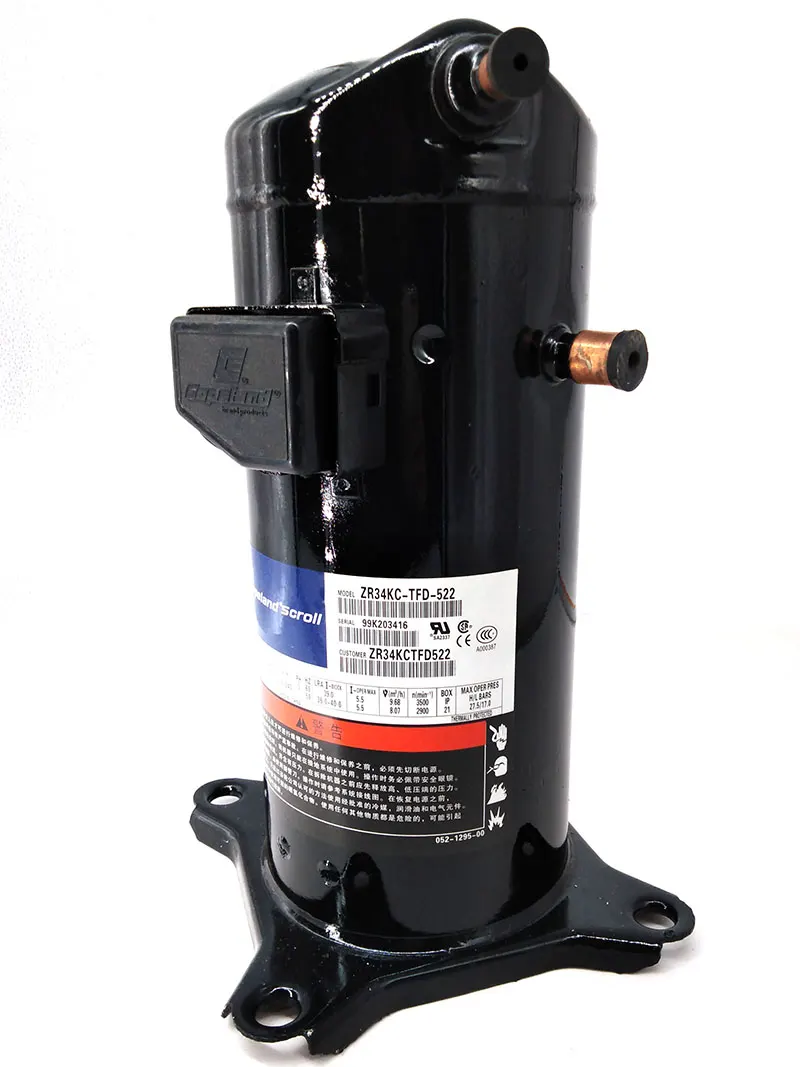
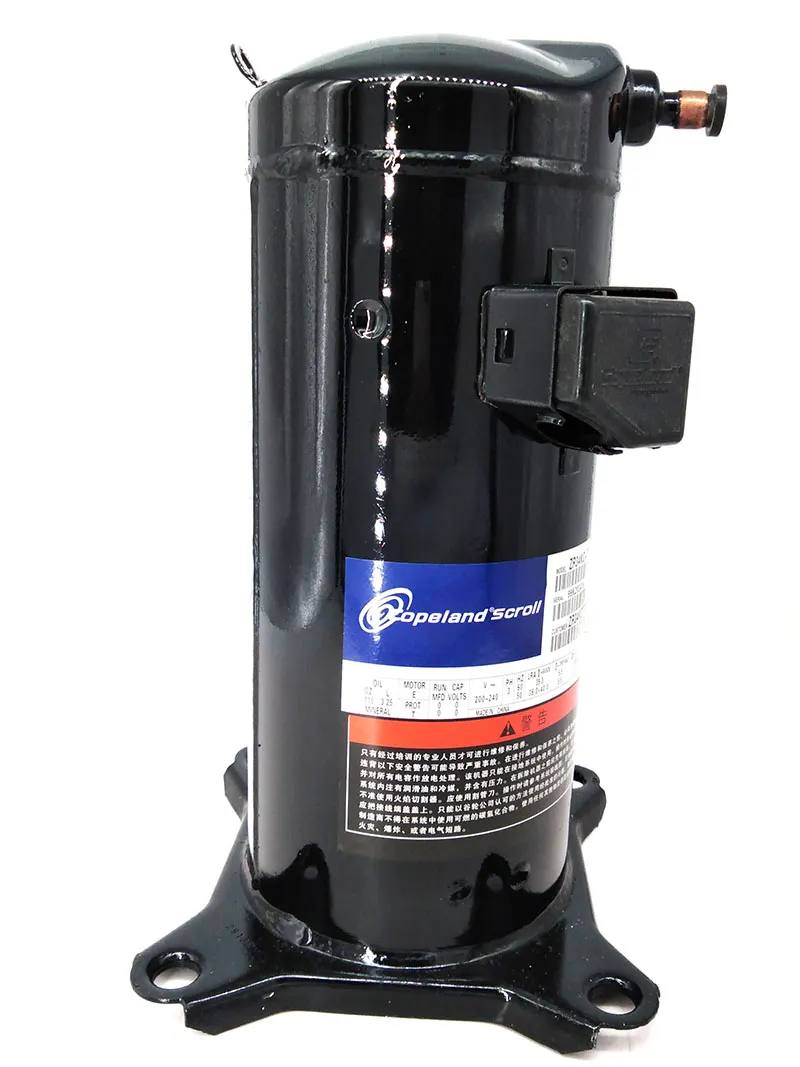
How to Select the Right Compressor for a Cold Room or Freezer Room
A practical guide to cold room compressor selection, covering room load, temperature range, refrigerant, ambient conditions, and replacement checks.
Selecting a compressor for a cold room or freezer room is not only a matter of matching horsepower. The compressor must be able to remove the actual heat load of the room at the required evaporating and condensing conditions, while operating reliably with the chosen refrigerant and system design.
For refrigeration distributors, service companies, and cold-room contractors, accurate cold room compressor selection reduces warranty risk, improves temperature stability, and helps avoid costly site problems such as short cycling, poor pull-down, high discharge temperature, or insufficient cooling capacity. A compressor that looks suitable on a price list may perform very differently once room temperature, ambient temperature, insulation quality, door traffic, product loading, and refrigerant type are considered.
This guide explains the main factors that affect compressor sizing and selection for walk-in coolers, freezer rooms, cold storage rooms, and low-temperature applications.
Start With the Cold Room Duty, Not the Compressor Model
The right selection begins with the duty conditions of the cold room. A compressor should be chosen to meet the refrigeration load at a defined evaporating temperature, condensing temperature, refrigerant, and operating envelope.
For a new installation, the cooling load should be calculated before selecting the compressor. For replacement work, the original compressor model is useful, but it should not be the only reference. The site conditions may have changed, the old compressor may have been incorrectly sized, or the system may now be operating with a different refrigerant.
Key questions to confirm before selection include:
- What is the internal room size and storage volume?
- Is the room a medium-temperature chiller or a low-temperature freezer?
- What product is stored, and at what entering temperature?
- How often are doors opened?
- What is the ambient temperature around the condenser?
- What refrigerant is used or planned?
- What evaporating and condensing temperatures are required?
- Is the compressor for a new system, a replacement, or a retrofit?
These details determine the real operating point of the compressor. Without them, selection becomes guesswork.
Main Factors That Affect Cold Room Compressor Selection
Cold Room Size and Storage Volume
Room size is one of the first inputs in cold room compressor sizing, but it is not enough on its own. A larger room generally has a larger heat gain through walls, ceiling, and floor, and may need more capacity to pull down temperature after loading. However, two rooms with the same dimensions can require different compressors if their insulation, door use, product load, or temperature range is different.
For example, a well-insulated chilled room used for packaged goods may require a different compressor than a similar-sized freezer room with frequent loading of warm products. Volume helps define the base load, but operating conditions determine the final compressor capacity.
Target Room Temperature: Chiller or Freezer
Target temperature is one of the most important selection points. Cold rooms are often divided into medium-temperature and low-temperature applications.
Medium-temperature rooms include walk-in coolers, beverage rooms, fresh food storage, and many general cold storage applications. These rooms typically operate above freezing or slightly below, depending on the product.
Low-temperature rooms include freezer rooms, frozen food storage, ice cream storage, blast holding rooms, and other applications requiring substantially lower room temperatures. These applications need a low temperature compressor or a compressor model approved for low evaporating conditions.
A freezer room compressor must operate at lower suction pressure than a medium-temperature compressor. If a compressor is used outside its approved application range, it may suffer from low capacity, high compression ratio, overheating, poor oil return, or mechanical stress.
Ambient Temperature Around the Condenser
Compressor capacity is strongly affected by condensing temperature. In practical terms, condensing temperature is linked to the temperature of the air or water used to reject heat from the condenser.
In hot climates, rooftop installations, poorly ventilated machine rooms, or areas with high air recirculation, the condensing temperature can rise. Higher condensing temperature increases the compressor workload and usually reduces available refrigeration capacity. It can also increase discharge temperature and electrical current.
For overseas projects, ambient conditions should be checked carefully. A compressor selected for a mild climate may be unsuitable for a tropical location if the condenser and compressor are not rated for the higher condensing condition.
Insulation Quality and Panel Condition
Insulation reduces heat entering the cold room from the surrounding environment. Poor insulation increases the load and forces the compressor to run longer. Panel thickness, insulation material, installation quality, floor insulation, vapor barrier condition, and air leakage all influence the actual cooling demand.
In replacement projects, panel condition matters. Damaged panels, wet insulation, failed door gaskets, thermal bridges, or gaps around pipe penetrations can increase heat gain. Installing a larger compressor may appear to solve the symptom, but it can also create short cycling or unstable operation if the real issue is air leakage or insulation failure.
Before upsizing a replacement compressor, service teams should inspect the room envelope and door condition.
Product Load and Pull-Down Requirement
Product load refers to the heat that must be removed from goods placed into the cold room. This can be a major part of the total refrigeration load, especially when warm products are loaded regularly.
Important product-load details include:
- Product type and specific storage requirement
- Product entering temperature
- Final storage temperature
- Quantity loaded per day or per batch
- Required pull-down time
- Packaging and airflow restrictions
A room used only for holding pre-cooled products may need less compressor capacity than a room used to cool warm products after delivery or processing. Freezing product requires significantly more load consideration than holding already frozen goods.
For contractors and distributors, this is a common source of selection errors. A customer may describe the application as a “freezer room,” but the duty may be freezing fresh product, storing frozen product, or recovering temperature after frequent loading. These are not the same duty.
Door Openings, Infiltration, and Operating Habits
Every door opening allows warm, humid air to enter the room. This creates sensible heat load and moisture load. In freezer rooms, moisture infiltration also increases frost on evaporators, which can reduce heat transfer and require more defrosting.
Door traffic is especially important in retail, food service, distribution centers, and processing areas where staff enter frequently. Large doors, strip curtains in poor condition, or doors left open during loading can significantly increase the refrigeration load.
Selection should consider:
- Number of door openings per hour
- Door size and opening duration
- Use of strip curtains, air curtains, or fast-acting doors
- Loading method, such as hand carts or forklifts
- Whether the room is connected to a chilled loading area or a warm ambient area
A compressor cannot compensate indefinitely for poor door management. In many sites, improving door discipline and reducing infiltration can be as important as compressor capacity.
Refrigerant, Evaporating Temperature, and Condensing Temperature
Refrigerant Compatibility
The selected compressor must be approved for the refrigerant used in the system. Refrigerant affects capacity, pressure levels, discharge temperature, oil compatibility, motor cooling, and application range.
Common commercial refrigeration systems may use different refrigerants depending on market regulations, system age, and equipment design. A replacement compressor should not be selected only by displacement or horsepower if the refrigerant has changed. The compressor model, oil type, seals, electrical data, and performance data must match the refrigerant and operating envelope.
For retrofit projects, additional checks may be needed, including oil compatibility, expansion valve suitability, pressure controls, safety devices, and condenser capacity. When in doubt, use manufacturer performance data and approved application guidelines.
Evaporating Temperature and Suction Conditions
Evaporating temperature is the temperature at which the refrigerant evaporates inside the evaporator. It is not the same as the room temperature. The evaporating temperature is usually lower than the room temperature to allow heat transfer across the evaporator coil.
For example, a cooler room and a freezer room may use very different evaporating temperatures even if the same compressor family appears in a catalog. Lower evaporating temperature reduces compressor capacity and increases compression ratio. This is why a freezer room compressor must be selected from data for low-temperature conditions, not from medium-temperature performance tables.
Important suction-side factors include:
- Target room temperature
- Evaporator temperature difference
- Superheat setting
- Suction line pressure drop
- Oil return conditions
- Minimum and maximum operating range
If the evaporating temperature is estimated too high during selection, the compressor may be undersized in actual operation. If it is selected too low without need, the system may cost more and operate less efficiently.
Condensing Temperature and Discharge Conditions
Condensing temperature is the temperature at which refrigerant rejects heat in the condenser. It depends on ambient temperature, condenser design, airflow, fouling, water temperature for water-cooled systems, and installation conditions.
Higher condensing temperature generally means:
- Lower refrigeration capacity
- Higher power input
- Higher discharge temperature
- Higher operating pressure
- Greater stress on the compressor
For outdoor air-cooled systems, condensing temperature should be selected with local design ambient in mind. In hot climates, it is important to verify that the compressor can operate safely at peak conditions. This is particularly relevant for freezer rooms because low evaporating temperature combined with high condensing temperature creates a high compression ratio.
Choosing Between Medium-Temperature and Low-Temperature Compressors
A medium temperature compressor and a low temperature compressor are not interchangeable in all applications. They are designed and rated for different evaporating ranges and operating conditions.
Medium-Temperature Compressor Applications
A medium-temperature compressor is commonly used for:
- Walk-in cooler rooms
- Fresh produce storage
- Beverage and dairy storage
- Flower rooms
- General chilled storage
- Some process cooling duties, where approved
These systems operate at higher suction pressures than freezer applications. Compressor capacity at medium-temperature conditions is higher than at low-temperature conditions, so the correct rating point must always be checked.
Low-Temperature Compressor Applications
A low-temperature compressor is used for:
- Freezer rooms
- Frozen food storage
- Ice cream storage
- Low-temperature cold storage
- Some blast freezer or pull-down applications, depending on design
Low-temperature applications require careful attention to discharge temperature, compression ratio, oil return, refrigerant mass flow, and defrost strategy. Not every compressor suitable for a chiller can be applied to a freezer room.
Walk-In Cooler Compressor Replacement
For replacement buyers, the safest starting point is the original compressor nameplate and system data. However, if the original model is unavailable, the replacement should be matched by more than nominal horsepower.
Check the following before confirming an equivalent model:
- Refrigerant type
- Power supply and phase
- Compressor type and application range
- Cooling capacity at required evaporating and condensing temperatures
- Motor protection and starting method
- Oil type and oil charge requirements
- Connection sizes and mounting dimensions
- Approved operating envelope
A compressor with the same horsepower may have different displacement, efficiency, refrigerant compatibility, or application range. Cross-reference selection should always be verified against performance data.
Practical Selection Workflow for Buyers and Contractors
A structured workflow helps avoid mistakes when selecting a cold storage compressor or freezer room compressor.
1. Define the Application
Identify whether the room is for chilled storage, frozen storage, product pull-down, or a special process. Confirm the target room temperature and product requirements. This determines whether a medium-temperature or low-temperature compressor is needed.
2. Calculate or Estimate the Total Heat Load
The total refrigeration load includes heat transfer through the room structure, infiltration through doors, product load, internal loads from lights and fans, people working inside the room, and defrost load where applicable.
For engineering projects, use a proper load calculation. For replacement work, compare site observations with the existing system performance. If the old compressor failed due to overload or overheating, do not assume the same size is correct without checking the system.
3. Select Evaporating and Condensing Conditions
Choose realistic evaporating and condensing temperatures for the application and climate. Compressor performance must be checked at these conditions, not at a generic catalog rating that may not match the site.
For hot countries or outdoor installations, use appropriate high ambient conditions. For freezer rooms, verify the compressor operating envelope at the expected low evaporating temperature and high condensing temperature combination.
4. Confirm Refrigerant and Electrical Requirements
Verify refrigerant compatibility, oil type, voltage, frequency, phase, starting method, and protection devices. Overseas buyers should pay special attention to power supply differences between markets, as a compressor suitable for one region may not match another region’s voltage or frequency.
5. Match the Compressor With the Whole System
The compressor must work with the evaporator, condenser, expansion device, controls, and piping. A correctly selected compressor can still perform poorly if the condenser is undersized, the expansion valve is incorrect, or the suction line causes poor oil return.
Important system checks include:
- Evaporator capacity at selected conditions
- Condenser capacity at design ambient
- Expansion valve or electronic expansion valve compatibility
- Suction and discharge line sizing
- Receiver and accumulator requirements
- Defrost method and control strategy
- Pressure controls and safety settings
6. Avoid Oversizing and Undersizing
An undersized compressor may run continuously and still fail to reach target temperature. This can cause product quality issues, high energy use, and compressor stress.
An oversized compressor may pull temperature down quickly but cycle too frequently, causing unstable suction pressure, poor humidity control, reduced oil return, and additional mechanical wear. Oversizing can also increase installation cost without solving underlying problems such as poor insulation or high infiltration.
The goal is not the largest compressor available. The goal is the correct capacity at the real operating condition.
7. Use Performance Data, Not Only Horsepower
Horsepower is a rough category, not a selection method. Compressor capacity changes with refrigerant, evaporating temperature, condensing temperature, superheat, subcooling, and motor conditions.
For accurate cold room compressor selection, compare cooling capacity, power input, current, operating envelope, and application limits at the intended duty point. This is especially important when comparing compressors from different brands or replacing a discontinued model.
Common Mistakes in Cold Room Compressor Selection
Many field problems can be traced to incomplete selection data. The following mistakes are common in cold-room projects and compressor replacement orders:
- Selecting by horsepower only
- Ignoring high ambient temperature
- Using medium-temperature data for a freezer room
- Assuming the old compressor was correctly sized
- Changing refrigerant without checking compressor approval
- Overlooking door openings and infiltration
- Ignoring product entering temperature and daily loading volume
- Upsizing the compressor instead of fixing insulation or door leakage
- Failing to match the compressor with evaporator and condenser capacity
- Not checking voltage, frequency, phase, and protection requirements
A reliable selection process prevents these issues before equipment is ordered and installed.
What Buyers Should Provide When Requesting a Compressor Selection
Distributors, repair companies, and contractors can speed up selection by providing complete project information. A good compressor inquiry should include:
- Cold room internal dimensions
- Target room temperature
- Product type and loading quantity
- Product entering temperature
- Ambient temperature around the condenser
- Refrigerant type
- Required power supply
- Existing compressor model, if it is a replacement
- Evaporator and condenser details, if available
- Door size and expected opening frequency
- Any special requirements, such as low noise, compact installation, or high ambient operation
For replacement orders, photos of the compressor nameplate, system nameplate, electrical panel, and installation area can help confirm compatibility. For new projects, a cooling load calculation and design conditions are the best basis for selection.
Key Takeaway
Cold room compressor selection depends on the total refrigeration duty, not just room size or compressor horsepower. Room temperature, product load, door openings, insulation, refrigerant, evaporating temperature, condensing temperature, ambient climate, and system matching all affect the correct choice.
For walk-in coolers, freezer rooms, and cold storage applications, the best result comes from matching compressor performance data to realistic site conditions. This helps distributors quote more accurately, service teams avoid replacement errors, and installers deliver systems that maintain temperature reliably under real operating conditions.
FAQ
How do I choose the right compressor for a cold room?
Start by defining the room temperature, room size, product load, ambient temperature, refrigerant, evaporating temperature, and condensing temperature. Then select a compressor whose published capacity and operating envelope match those conditions. Do not select by horsepower alone.
What is the difference between a medium-temperature and low-temperature compressor?
A medium-temperature compressor is used for applications such as walk-in coolers and chilled storage, while a low-temperature compressor is designed for freezer rooms and frozen storage. Low-temperature compressors must operate at lower suction pressure and higher compression ratio, so the approved operating range is critical.
Why does ambient temperature matter when selecting a freezer room compressor?
Ambient temperature affects condensing temperature. Higher condensing temperature reduces compressor capacity and increases power input, discharge temperature, and operating pressure. In hot climates, the compressor and condenser must be checked at realistic peak ambient conditions.
Can I replace a cold room compressor with another model of the same horsepower?
Not automatically. The replacement must match the refrigerant, cooling capacity at the required conditions, voltage, frequency, application range, oil type, starting method, protection requirements, and physical connections. Horsepower alone is not enough for a safe replacement.
What information should I provide to get a compressor selection?
Provide the room dimensions, target temperature, product type, product entering temperature, daily loading quantity, ambient temperature, refrigerant, power supply, door opening frequency, and existing compressor model if it is a replacement. Evaporator and condenser details are also helpful.
Buyer Next Step
Move from research to sourcing with a category shortlist, relevant product examples, and a quote request channel.