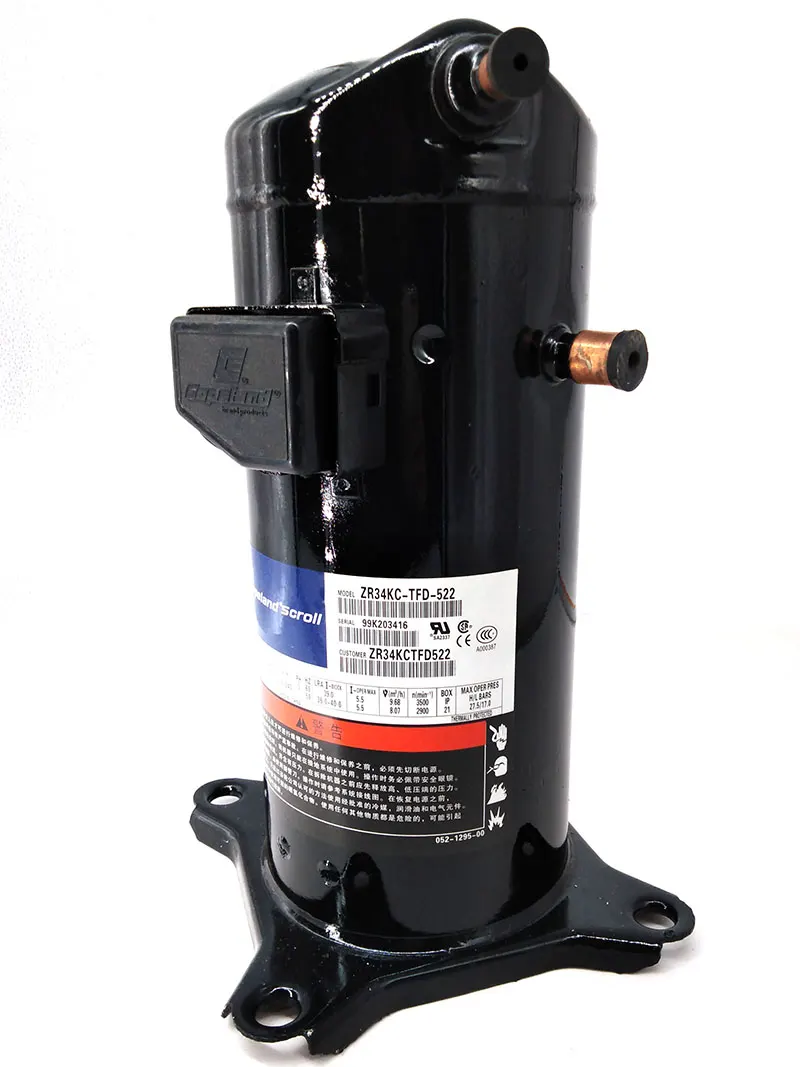
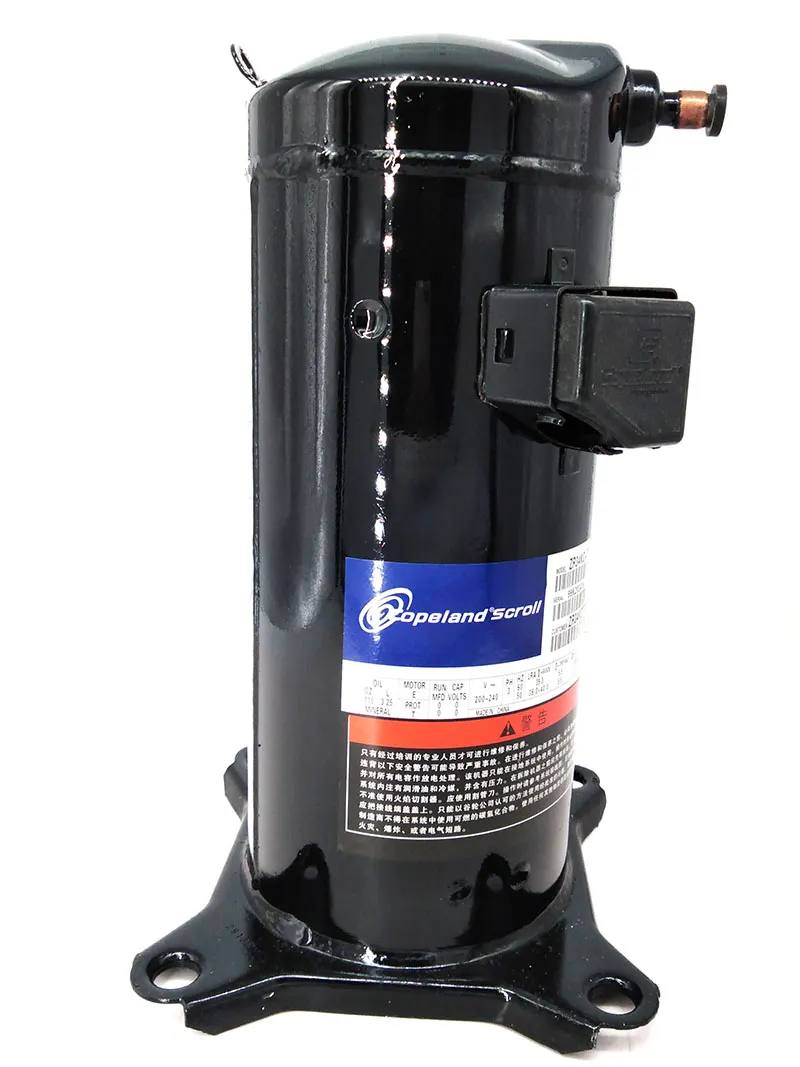
Cold Room Compressor Sizing Calculator: How to Select the Right Capacity
Learn how to size a cold room compressor with practical load formulas, capacity checks, and selection tips for walk-in coolers and freezers.
Selecting the right compressor for a cold room is not just a matter of matching horsepower. If the compressor is too small, the room may struggle to pull down temperature, run continuously, and shorten component life. If it is too large, cycling can become excessive, efficiency can drop, and temperature control may become less stable.
For walk-in coolers, freezers, and small cold storage rooms, compressor sizing starts with refrigeration load calculation. That load must then be matched to an operating condition that reflects the real application: room temperature, ambient temperature, refrigerant, evaporating temperature, condensing temperature, and compressor performance at those conditions.
This guide explains how to estimate cold room load, convert it into compressor capacity requirements, and avoid common selection mistakes when specifying or replacing a compressor.
What cold room compressor sizing really means
Cold room compressor sizing is the process of selecting a compressor with enough refrigeration capacity to handle the total heat entering the room under expected operating conditions.
In practice, the required compressor capacity must cover more than the insulated box itself. A proper selection accounts for:
- Heat gain through walls, ceiling, and floor
- Air infiltration from door openings
- Product pull-down load
- Internal loads from lighting, people, and fans
- Defrost impact where relevant
- Safety margin for real operating conditions
The final compressor choice should be based on cooling capacity, not just motor size or nominal displacement. A compressor marketed with the same horsepower can deliver very different capacities depending on the refrigerant and working temperatures.
Typical application ranges
Cold room compressor requirements vary strongly by room temperature:
- Walk-in cooler / medium temperature: typically around 0°C to 8°C room temperature
- Chiller storage: often around -5°C to 5°C depending on product
- Walk-in freezer / low temperature: commonly around -18°C to -25°C
- Deep-freeze storage: below -25°C in some applications
As the required room temperature drops, the compressor works under more demanding suction conditions. That usually means lower delivered capacity for the same compressor model and higher compression ratio.
Step-by-step refrigeration load calculation
A cold room compressor sizing calculator is only as useful as the inputs behind it. For most specification and replacement work, the total room load can be estimated as the sum of four main parts.
Total refrigeration load = transmission load + infiltration load + product load + internal load
A design margin is then added before selecting the compressor.
1. Transmission load through the enclosure
Transmission load is the heat entering through insulated panels, floor, ceiling, doors, and any other surfaces exposed to warmer surroundings.
A practical formula is:
Q = U × A × ΔT
Where:
- Q = heat gain
- U = overall heat transfer coefficient of the panel or surface
- A = surface area
- ΔT = temperature difference between ambient and room setpoint
To estimate this:
- Calculate the total exposed surface area of walls, ceiling, and floor.
- Use the appropriate insulation value for the panel construction.
- Apply the expected temperature difference.
Higher ambient temperatures, poor insulation, sun exposure, and warm floors all increase the load.
2. Air infiltration from door openings
Every time the door opens, warm moist air enters the room and cold air escapes. This load can be significant, especially for freezers, busy service rooms, and spaces without strip curtains or air curtains.
Infiltration depends on:
- Door size
- Frequency and duration of opening
- Temperature difference
- Humidity difference
- Use of traffic doors, curtains, or vestibules
For quick project estimates, installers often use an allowance based on room use rather than a full psychrometric calculation. A frequently accessed room needs a much larger infiltration allowance than a rarely opened storage room.
3. Product load
Product load is the heat removed from goods stored in the room. This is one of the most important parts of cold storage compressor selection, especially when the room cools fresh product rather than simply holding already chilled or frozen stock.
A simple product load formula is:
Q = m × c × ΔT / t
Where:
- m = product mass
- c = specific heat of the product
- ΔT = required temperature reduction
- t = pull-down time
If the product changes phase, such as freezing, latent heat must also be included.
This means there is a major difference between:
- Holding load: maintaining already cooled product at storage temperature
- Pull-down load: cooling warm product after loading
A room used for rapid product cooling needs much more capacity than a room used only for stable storage.
4. Internal loads
Internal heat sources are often underestimated. Typical contributors include:
- Evaporator fan motors
- Lighting
- Occupants working inside the room
- Forklifts or handling equipment
- Defrost heaters during system recovery periods
Even a small walk-in can see a noticeable load increase from lights and fan motors operating continuously.
5. Add a sensible design margin
After estimating all heat loads, many engineers add a design margin to account for real operating conditions, minor underestimation, coil frosting, aging, and site variation.
The margin should be sensible rather than excessive. Oversizing the compressor too far can create its own problems.
How to turn room load into compressor capacity
Once the total refrigeration load is known, the next step is selecting a compressor that can actually deliver that capacity under the intended operating conditions.
This is where many sizing errors occur.
Compressor capacity must match evaporating and condensing temperatures
A compressor does not deliver one fixed capacity in all systems. Capacity changes with operating conditions.
To select correctly, define:
- Room temperature setpoint
- Target evaporating temperature
- Expected ambient temperature
- Target condensing temperature
- Refrigerant type
- Power supply requirements
For example, a freezer at -20°C room temperature may operate with an evaporating temperature significantly below that room setpoint, depending on coil design and air temperature difference. Likewise, a condensing unit in a hot climate will run at a much higher condensing temperature than one in a mild environment.
The same compressor can therefore look adequate on paper at one rating point and inadequate in the field at another.
Quick sizing logic
A practical sizing sequence is:
- Calculate total room load.
- Add a realistic safety margin.
- Determine the design evaporating temperature.
- Determine the design condensing temperature.
- Select the refrigerant.
- Check compressor capacity tables at those exact conditions.
- Verify motor power, current draw, and application envelope.
BTU, kW, and refrigeration tons
Cold room projects are often discussed using different units. Buyers and service teams should be ready to convert between them.
Common capacity units include:
- BTU/h
- kW
- kcal/h
- TR (tons of refrigeration)
Whatever unit is used, the key point is the same: use compressor performance data at actual operating conditions, not just nominal headline numbers.
Selection criteria for walk-in coolers and freezers
After the load is calculated, compressor selection should also consider how the cold room will be used in the field.
For walk-in coolers
Medium-temperature rooms usually have less extreme compression ratios and generally easier operating conditions than freezers. Key checks include:
- Stable capacity at the required medium-temperature rating
- Efficiency at expected ambient conditions
- Good part availability for service markets
- Refrigerant compatibility with the rest of the system
- Noise and cycling behavior for indoor or near-occupied locations
Cooler applications often prioritize energy use and stable box temperature over aggressive pull-down.
For walk-in freezers
Freezer compressor sizing needs more caution. Low-temperature applications place more stress on the compressor and often require better control of discharge temperature, oil return, and defrost recovery.
Important checks include:
- Sufficient low-temperature capacity at the required evaporating temperature
- Suitability for freezer duty and compression ratio
- Defrost recovery performance
- Correct expansion device matching
- Proper system protection such as pressure controls and motor protection
A compressor that works well in a cooler may be completely unsuitable for a freezer, even if the nominal size appears similar.
For replacement compressor buyers
When replacing a failed compressor, do not size only by the old model number unless the original application is confirmed.
Replacement checks should include:
- Refrigerant used in the system
- Voltage and frequency
- Cooling capacity at operating conditions
- Connection type and installation footprint
- Oil type and compatibility
- Starting characteristics and electrical accessories
- Whether the original failure was caused by undersizing, overheating, floodback, or system contamination
If the old compressor failed because the selection was wrong, installing the same size again may repeat the problem.
Common sizing mistakes and how to avoid them
Choosing by horsepower alone
Horsepower is not a reliable sizing method. Two compressors with the same motor size may deliver different refrigeration capacities in the same cold room.
What to do instead: always check rated cooling capacity at the intended evaporating and condensing temperatures.
Ignoring ambient temperature
High ambient conditions reduce system performance and raise condensing temperature. This is critical for tropical and summer peak design.
What to do instead: size using realistic local ambient conditions, not ideal catalog assumptions.
Underestimating door traffic
Busy kitchens, retail back rooms, and distribution cold rooms can have much higher infiltration loads than static storage rooms.
What to do instead: classify the room by actual traffic pattern and include door protection measures where possible.
Confusing holding rooms with pull-down rooms
A room holding pre-cooled goods needs less capacity than one receiving warm product every day.
What to do instead: define the operating duty clearly before selecting the compressor.
Oversizing too aggressively
Too much capacity can lead to short cycling, poor humidity control in some applications, and unnecessary cost.
What to do instead: add a reasonable margin, then match the evaporator and controls properly.
Forgetting whole-system compatibility
The compressor is only one part of the refrigeration system.
What to do instead: verify that the condenser, evaporator, expansion device, piping, refrigerant, and controls all support the selected capacity.
What to include in a cold room compressor sizing calculator
For distributors, contractors, and engineering teams, a practical calculator should collect enough data to give a useful first-pass selection.
Recommended inputs include:
- Room length, width, and height
- Insulation type or panel thickness
- Room setpoint temperature
- Ambient temperature
- Product type and daily product quantity
- Product entering temperature
- Required pull-down time
- Door size and opening frequency
- Internal loads such as lights, people, and fan power
- Refrigerant selection
- Target evaporating and condensing temperatures
Recommended outputs include:
- Estimated total refrigeration load
- Suggested compressor capacity range
- Capacity with margin
- Approximate BTU/h and kW requirement
- Application category: cooler or freezer
- Warning flags for high door traffic, heavy pull-down, or high ambient operation
For quotation work, a calculator is best treated as a screening tool. Final compressor selection should still be checked against manufacturer performance tables and system design conditions.
Buying and specification checklist
Before placing an order for a cold room compressor or condensing unit, confirm the following:
- Required room temperature
- Daily product load and pull-down expectation
- Refrigerant type
- Design ambient temperature
- Electrical supply
- Actual compressor capacity at operating conditions
- Medium- or low-temperature application suitability
- Mounting and piping compatibility
- Service parts availability in the destination market
For distributors and overseas buyers, these checks reduce return risk, prevent mismatched replacements, and improve first-time installation success.
The best cold room compressor sizing decisions come from combining load calculation with real operating data. That is what separates a nominal match from a reliable cold room system.
FAQ
How do I calculate the compressor size for a cold room?
Start by calculating the total refrigeration load: heat gain through insulation, air infiltration from door openings, product pull-down load, and internal loads such as fans and lighting. Add a reasonable design margin, then select a compressor that can deliver that capacity at the actual evaporating and condensing temperatures of the system.
Can I choose a walk-in freezer compressor by horsepower only?
No. Horsepower alone does not show the real refrigeration capacity. Compressor output changes with refrigerant, evaporating temperature, condensing temperature, and operating conditions. Always check the published capacity data at the intended application point.
What is the difference between cooler and freezer compressor sizing?
Freezer applications operate at lower evaporating temperatures and higher compression ratios, so the same compressor usually delivers less capacity than it would in a cooler. Freezers also need closer attention to defrost recovery, discharge temperature, and low-temperature application limits.
Why is door opening important in cold room load calculation?
Door openings allow warm, moist air to enter and cold air to escape. This creates an infiltration load that can be significant, especially in busy walk-in rooms and low-temperature freezers. Ignoring door traffic often leads to undersized systems.
What should replacement buyers verify before ordering a compressor?
Check the refrigerant, voltage, frequency, cooling capacity at operating conditions, oil compatibility, connection style, and whether the compressor is intended for medium- or low-temperature use. It is also important to understand why the previous compressor failed before ordering the replacement.
Buyer Next Step
Move from research to sourcing with a category shortlist, relevant product examples, and a quote request channel.