LBP, MBP, and HBP Compressors Explained for Refrigeration Spare Parts Buyers
A practical guide to LBP, MBP, and HBP compressors, covering applications, evaporating temperature ranges, and replacement selection tips.
LBP, MBP, and HBP Compressors Explained for Refrigeration Spare Parts Buyers
For refrigeration spare parts buyers, one of the most common causes of compressor mismatch is selecting by appliance name only. A buyer may ask for a “freezer compressor,” a “display case compressor,” or a “beverage cooler compressor,” but these labels are not always enough. The more important technical question is whether the compressor is designed for low, medium, or high back pressure operation.
An LBP MBP HBP compressor classification tells you the pressure and evaporating temperature range the compressor is built to handle. This affects cooling performance, motor load, energy use, system reliability, and warranty risk. For distributors, service companies, repair workshops, and cold-room installers, understanding these categories helps reduce wrong orders and improves replacement accuracy.
In simple terms:
- LBP compressors are mainly used for low-temperature refrigeration such as freezers.
- MBP compressors are used for medium-temperature refrigeration such as refrigerators, chillers, beverage coolers, and some display cases.
- HBP compressors are used for higher evaporating temperature applications such as air-conditioning and some high-temperature refrigeration systems.
The correct choice depends less on the cabinet name and more on the evaporating temperature, refrigerant, capacity, electrical specification, and working conditions.
What Back Pressure Means in Compressor Selection
Back pressure refers to the suction-side pressure returning to the compressor from the evaporator. In refrigeration and air-conditioning systems, suction pressure is closely related to the evaporating temperature. A lower evaporating temperature generally means lower suction pressure, while a higher evaporating temperature means higher suction pressure.
This is why compressor manufacturers classify many small and medium hermetic compressors as LBP, MBP, or HBP. The classification helps buyers identify the intended operating range.
Why appliance type alone can be misleading
Many buyers use appliance names as shortcuts, but the same product category can include different operating conditions. For example:
- A domestic freezer usually requires an LBP compressor.
- A commercial upright freezer may also require LBP, but with different capacity and duty requirements.
- A beverage cooler normally uses an MBP compressor, but the exact selection depends on cabinet size, ambient temperature, and target product temperature.
- A display case may be MBP for chilled products or LBP for frozen products.
- Air-conditioning compressors are normally HBP because they operate at higher evaporating temperatures than freezing systems.
A compressor that physically fits and runs electrically may still be wrong if its operating envelope does not match the system. This can lead to poor cooling, high current draw, overheating, short cycling, oil return problems, or early failure.
Evaporating temperature is the key reference point
When selecting a replacement compressor, the evaporating temperature range is one of the most useful technical references. Typical industry usage can be summarized as follows, though exact ranges vary by brand, refrigerant, and compressor model:
- LBP: low evaporating temperature, often used for freezing applications.
- MBP: medium evaporating temperature, often used for chilled storage and commercial refrigeration.
- HBP: high evaporating temperature, often used for air-conditioning and high-temperature cooling.
Always confirm the operating envelope from the compressor model data when available. The LBP, MBP, and HBP labels are practical guides, not a substitute for model-specific technical data.
LBP Compressor: Low Back Pressure for Freezers and Low-Temperature Systems
An LBP compressor, or low back pressure compressor, is designed for systems where the evaporator operates at low temperatures and low suction pressure. These compressors are commonly used in freezing applications where the system must pull the cabinet temperature well below 0°C.
Common LBP compressor applications
LBP compressors are typically used in:
- Domestic freezers
- Chest freezers
- Upright freezers
- Low-temperature display freezers
- Ice cream cabinets
- Frozen food storage cabinets
- Some low-temperature cold-room systems
For spare parts buyers, the phrase freezer compressor LBP is a useful search and purchasing term, but it should still be checked against the refrigerant, cooling capacity, voltage, frequency, and application conditions.
Why LBP compressors are different
Freezer systems place different demands on the compressor compared with chillers or air conditioners. The suction pressure is lower, the compression ratio can be higher, and the compressor must be suitable for low-temperature operation over long running periods.
Using an MBP or HBP compressor in an LBP freezer application without proper technical confirmation can create serious problems. The compressor may not operate efficiently at low suction pressure, may be outside its intended envelope, or may fail to achieve the required cabinet temperature.
Buying checks for LBP replacements
When purchasing an LBP replacement compressor, confirm:
- Refrigerant type, such as R134a, R600a, R290, R404A, R452A, or another approved refrigerant
- Voltage and frequency, such as 220–240V 50Hz, 115V 60Hz, or dual-rated specifications
- Cooling capacity at the required evaporating and condensing conditions
- Starting method and electrical components
- Compressor displacement or model cross-reference
- Oil type and refrigerant compatibility
- Application type: domestic freezer, commercial freezer, display freezer, or cold room
For distributors, keeping LBP models clearly separated from MBP and HBP stock helps warehouse teams avoid picking errors, especially when several compressor models share similar physical dimensions.
MBP Compressor: Medium Back Pressure for Refrigerators, Beverage Coolers, and Display Cases
An MBP compressor, or medium back pressure compressor, is designed for medium-temperature refrigeration. It operates at a higher suction pressure than an LBP freezer compressor but lower than many HBP air-conditioning applications.
MBP is one of the most important categories for commercial refrigeration spare parts because it covers many common chilled-storage applications.
Common MBP compressor applications
A commercial refrigerator compressor MBP is often used in:
- Commercial refrigerators
- Beverage coolers
- Bottle coolers
- Chillers
- Reach-in refrigerators
- Fresh food display cases
- Deli counters
- Floral coolers
- Medium-temperature cold rooms
These systems usually need to keep products chilled, not frozen. The evaporating temperature is therefore higher than in a freezer application.
Beverage coolers and refrigerators: why MBP is common
Beverage coolers and commercial refrigerators often operate in demanding environments. Doors are opened frequently, ambient temperature can be high, and the system must recover quickly after loading warm products. An MBP compressor is commonly selected because it is suited to the suction pressure range of chilled cabinet operation.
However, not every “refrigerator compressor” is automatically MBP. Some domestic refrigerator designs use specific compressor families and refrigerants, and some combination refrigerator-freezer systems may require careful matching. Buyers should avoid replacing only by horsepower or cabinet type.
Display cases need closer attention
Display cases can create confusion because they may be used for chilled food, frozen food, or ice cream. A fresh meat or dairy display case may use an MBP compressor, while a frozen food display case may need an LBP compressor.
Before quoting a replacement compressor for a display case, ask:
- Is the product chilled or frozen?
- What is the target cabinet temperature?
- What refrigerant is used?
- Is the system self-contained or remote condensing?
- What is the original compressor model?
- What are the ambient conditions and duty cycle?
This information allows the buyer or supplier to identify whether the correct replacement is MBP, LBP, or another specialized option.
HBP Compressor: High Back Pressure for Air-Conditioning and High-Temperature Cooling
An HBP compressor, or high back pressure compressor, is built for higher evaporating temperature conditions. These compressors are widely associated with air-conditioning and other high-temperature cooling applications.
In an air-conditioning system, the evaporator does not operate at freezing temperatures under normal conditions. The suction pressure is higher than in refrigeration freezer applications, so the compressor must be designed for that load condition.
Common HBP compressor applications
HBP compressors are commonly used in:
- Room air conditioners
- Portable air conditioners
- Dehumidifiers
- High-temperature cooling systems
- Some process cooling applications
- Certain heat pump or HVAC-related equipment, depending on design
HBP compressors may look similar to refrigeration compressors, especially in small hermetic designs, but their operating range is different. A compressor intended for air-conditioning should not be treated as a general replacement for a freezer or refrigerator compressor unless the manufacturer’s data confirms compatibility.
Why HBP is usually wrong for freezers
A high back pressure compressor is designed to handle higher suction pressure and higher mass flow. In a freezer system, suction pressure is much lower. If an HBP compressor is installed in a low-temperature freezer system without proper approval, the result may be poor performance, overheating, or operation outside the compressor’s design envelope.
The reverse mismatch is also risky. Installing an LBP compressor in an HBP air-conditioning application can overload the compressor because the suction pressure and motor load may be too high.
For repair teams, this is why “similar horsepower” is not enough. A 1/3 HP compressor for a freezer and a 1/3 HP compressor for an air conditioner can have very different design characteristics.
How to Match LBP, MBP, and HBP Compressors to Real Applications
The table below gives a practical application guide. It should be used as a starting point, not as the only selection method.
| Application | Typical category | Buyer note |
|---|---:|---|
| Domestic freezer | LBP | Confirm refrigerant, voltage, and original model |
| Chest freezer | LBP | Match low-temperature capacity and starting components |
| Ice cream cabinet | LBP | Check duty conditions and cabinet temperature |
| Frozen food display case | LBP | Do not confuse with chilled display cases |
| Domestic refrigerator | Often MBP or application-specific | Confirm original compressor and refrigerant |
| Beverage cooler | MBP | Common medium-temperature application |
| Commercial refrigerator | MBP | Check capacity at required operating conditions |
| Fresh food display case | MBP | Confirm product temperature and system type |
| Medium-temperature cold room | MBP | Load calculation and condensing unit match are important |
| Room air conditioner | HBP | Select from HVAC compressor data, not freezer data |
| Dehumidifier | HBP | Confirm design conditions and electrical specification |
Key selection factors beyond LBP, MBP, and HBP
The pressure category is important, but a correct replacement also requires several additional checks.
Refrigerant compatibility
The replacement compressor must be approved for the refrigerant used in the system. Refrigerant type affects pressure, oil compatibility, motor cooling, displacement selection, and safety requirements. Common refrigerants vary by region and application, so buyers should not assume one model can replace another simply because the capacity appears similar.
Cooling capacity at rated conditions
Cooling capacity must be compared at the correct evaporating and condensing temperatures. Two compressors may have similar nominal horsepower but different capacity at actual operating conditions. This is especially important for commercial refrigeration, where ambient temperature, door openings, and product loading can create heavier duty cycles.
Voltage and frequency
Overseas buyers should confirm whether the compressor is suitable for the local power supply. A compressor designed for 220–240V 50Hz may not be suitable for a 115V 60Hz market, and frequency differences can affect motor speed and performance. Always check the nameplate or technical sheet before ordering.
Starting components and motor type
Replacement compressors may require specific relays, capacitors, overload protectors, or electronic starting devices. Using the wrong electrical accessories can cause starting failure or motor damage. For repair companies, ordering the correct compressor kit or confirming accessory compatibility reduces installation delays.
Physical connection and mounting
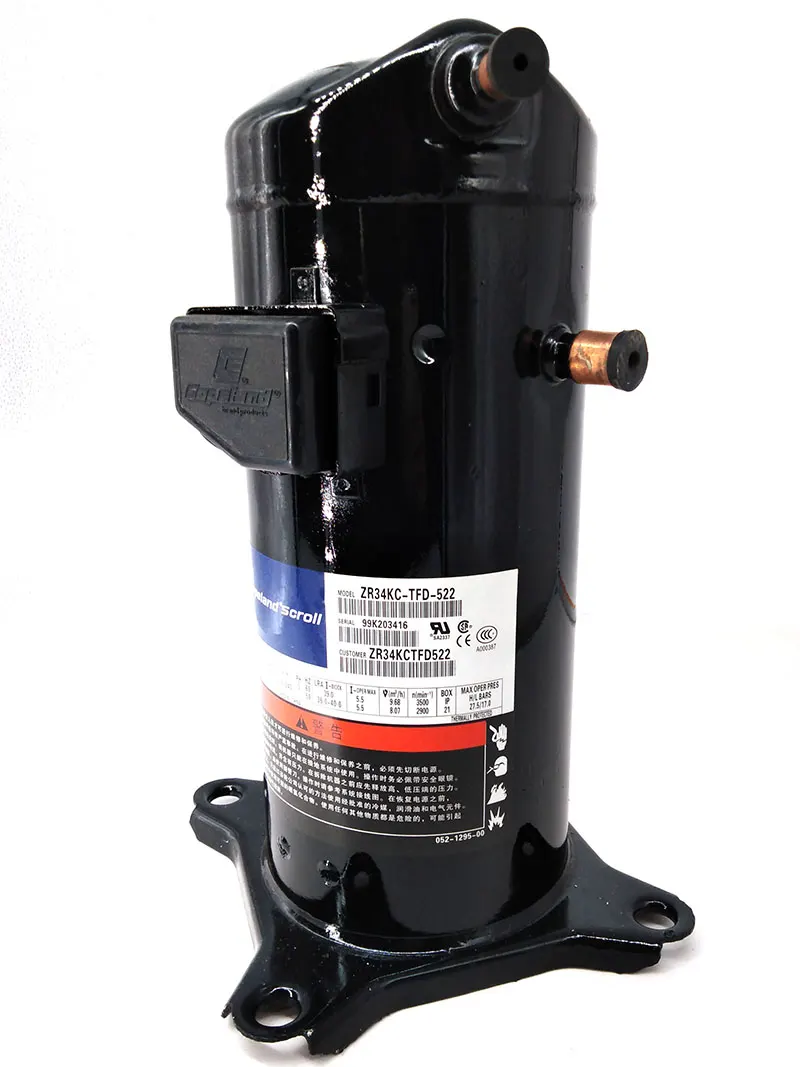
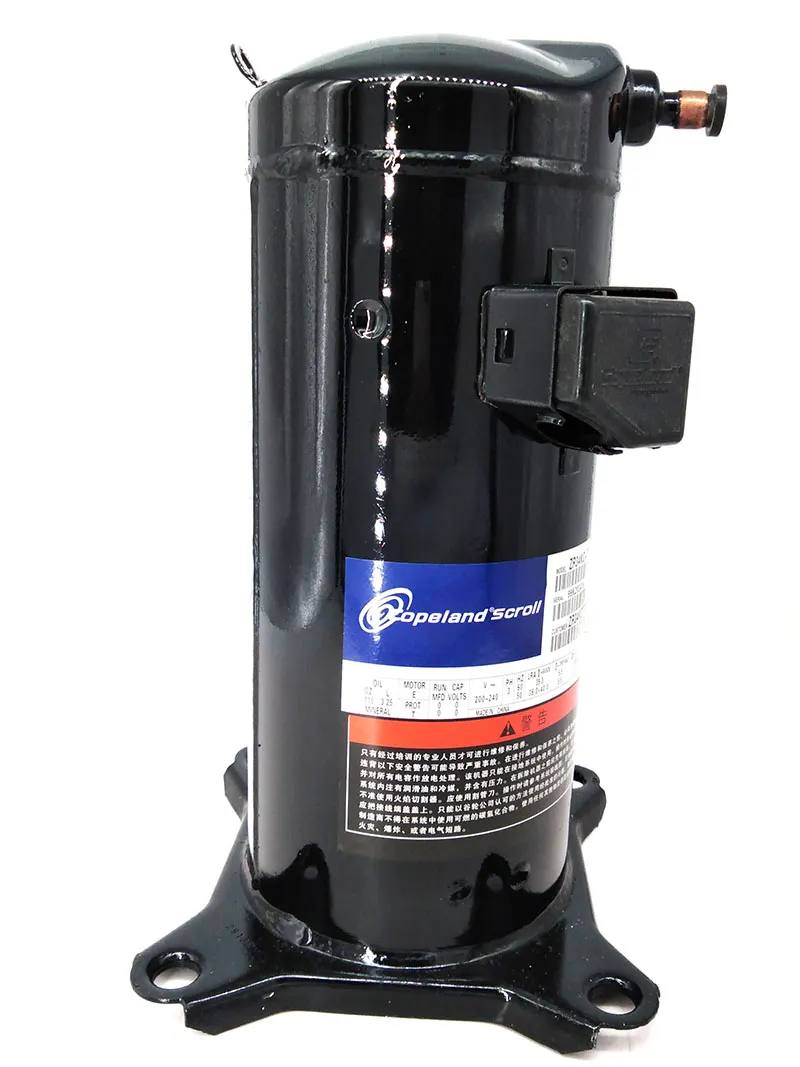
Suction and discharge tube sizes, mounting foot dimensions, terminal position, and shell size can affect installation. A technically correct compressor still needs to fit the equipment. For distributors, providing photos, model labels, and dimensional details can speed up identification.
Oil and system cleanliness
When replacing a failed compressor, the system condition matters. Burnout, moisture, acid, blocked capillaries, contaminated oil, or poor airflow can destroy the new compressor. Technicians should repair the root cause, not only replace the compressor.
Practical Purchasing Tips for Distributors and Repair Teams
The fastest way to reduce wrong compressor inquiries is to collect the right information before quoting. A short checklist can save time for both the buyer and supplier.
Information to request before confirming a compressor order
Ask the customer for:
- Original compressor brand and model number
- Application type and target temperature
- Refrigerant type
- Power supply voltage and frequency
- Cabinet or system model, if available
- Photos of the compressor nameplate and terminals
- Approximate cabinet size or cooling load
- Whether the system is freezer, chiller, display case, or air-conditioning
- Any special operating condition, such as high ambient temperature or heavy door opening
If the original model is unavailable, the evaporating temperature range becomes even more important. This is where the LBP, MBP, and HBP classification helps narrow the search.
How to avoid common replacement mistakes
Common mistakes include:
- Ordering by horsepower only
- Treating all refrigerator compressors as the same category
- Using an HBP air-conditioning compressor in a freezer
- Confusing chilled display cases with frozen display cases
- Ignoring refrigerant and oil compatibility
- Reusing faulty relays, capacitors, or overload protectors
- Replacing the compressor without checking condenser airflow or capillary blockage
For spare parts distributors, clear product descriptions should include the pressure category, refrigerant, capacity reference, voltage, and typical applications. This helps overseas buyers compare models more accurately and reduces unnecessary back-and-forth communication.
When to use cross-reference support
Compressor cross-reference is useful when the original model is discontinued, unavailable, or difficult to source in the buyer’s market. A good cross-reference should consider more than size and horsepower. It should compare operating range, refrigerant, displacement, capacity, electrical rating, and application type.
For cold-room contractors and commercial repair companies, cross-reference support is especially important because the cost of downtime is higher. A wrong compressor can lead to repeated service visits, product loss, and customer dissatisfaction.
Key Takeaway for LBP MBP HBP Compressor Selection
The difference between LBP, MBP, and HBP compressors is not just a label. It describes the compressor’s intended suction pressure and evaporating temperature range. In practical terms, LBP is mainly for freezers and low-temperature refrigeration, MBP is mainly for refrigerators, beverage coolers, and medium-temperature display cases, and HBP is mainly for air-conditioning and high-temperature cooling.
For buyers, the safest approach is to start with the application, then confirm the evaporating temperature range, refrigerant, voltage, capacity, and original model. For distributors and repair teams, this technical filtering reduces wrong orders and helps customers receive compressors that match the real operating conditions of their equipment.
FAQ
What is the difference between LBP, MBP, and HBP compressors?
LBP, MBP, and HBP describe the compressor’s intended suction pressure and evaporating temperature range. LBP is used for low-temperature freezing applications, MBP for medium-temperature refrigeration such as beverage coolers and commercial refrigerators, and HBP for higher evaporating temperature applications such as air-conditioning.
Is a freezer compressor always an LBP compressor?
Most freezer applications use an LBP compressor because they operate at low evaporating temperatures. However, buyers should still confirm the original compressor model, refrigerant, voltage, cooling capacity, and application conditions before ordering a replacement.
Can an HBP compressor be used in a refrigerator or freezer?
An HBP compressor should not be used in a refrigerator or freezer unless the compressor data specifically confirms that it is suitable for that operating range. HBP compressors are generally designed for higher suction pressure applications, and using them in low-temperature systems can cause poor performance or reliability problems.
Which compressor type is used for beverage coolers and display cases?
Beverage coolers and chilled display cases commonly use MBP compressors. Frozen display cases usually require LBP compressors. The correct choice depends on the target cabinet temperature, refrigerant, system design, and evaporating temperature.
What information should buyers provide when requesting a replacement compressor?
Buyers should provide the original compressor model, refrigerant, voltage and frequency, application type, target temperature, system or cabinet model, nameplate photos, and any special operating conditions. This helps suppliers identify whether an LBP, MBP, or HBP compressor is required.
Buyer Next Step
Move from research to sourcing with a category shortlist, relevant product examples, and a quote request channel.