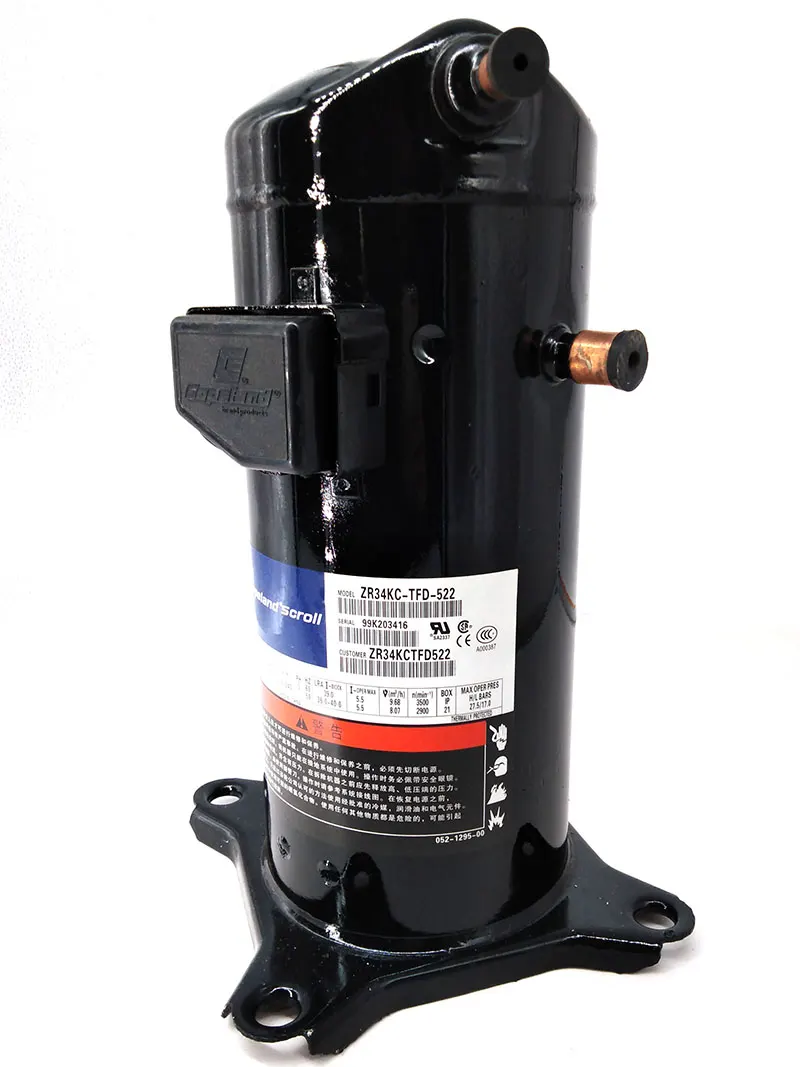
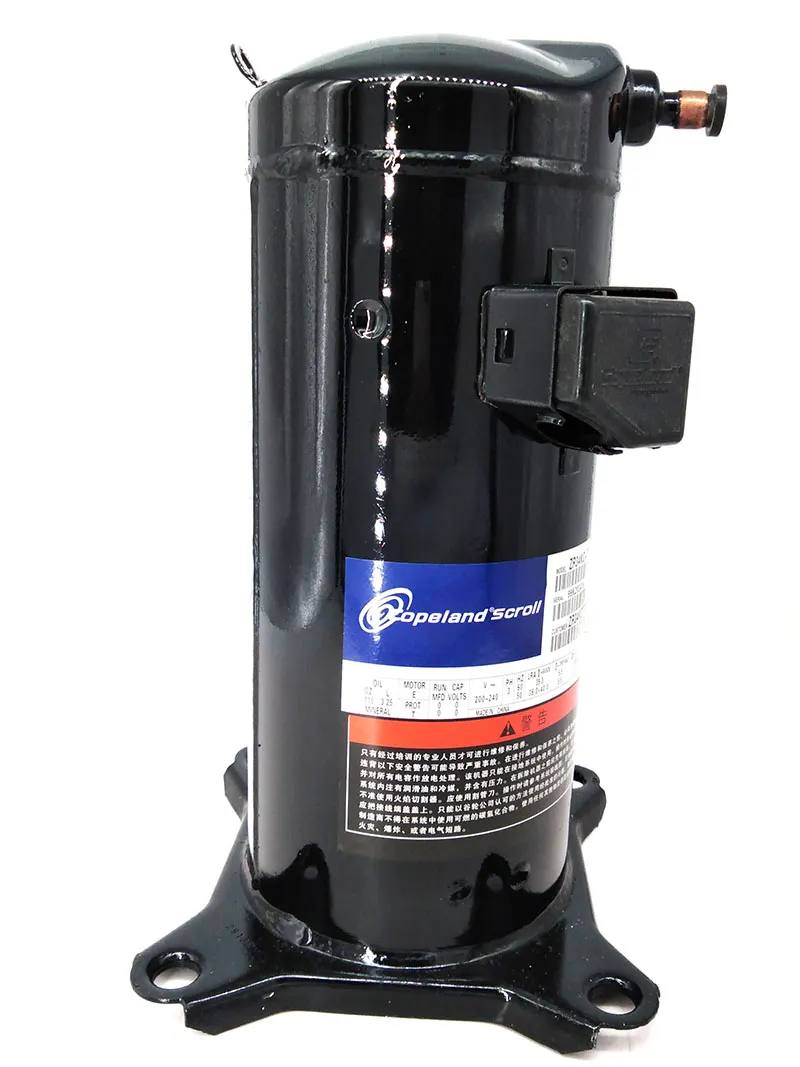
LBP, MBP and HBP Compressors Explained: How to Match Application Range Before Ordering
Understand LBP, MBP and HBP compressor meaning, typical applications, and the key checks buyers should confirm before ordering replacements.
When a compressor model is marked as LBP, MBP or HBP, the label is not just a catalog detail. It tells buyers and technicians what evaporating pressure range the compressor is designed to work with. Selecting the wrong range can lead to poor cooling performance, high running current, overheating, repeated protection trips, or early compressor failure.
For overseas spare-parts distributors, repair shops and refrigeration installers, these three abbreviations often appear in manufacturer catalogs, cross-reference tables and nameplates. They are especially important when replacing compressors for freezers, bottle coolers, display cabinets, ice makers, cold rooms and air-conditioning systems.
The short meaning is simple:
- LBP compressor: low back pressure compressor, used for low-temperature applications such as freezers.
- MBP compressor: medium back pressure compressor, used for medium-temperature refrigeration such as chillers, bottle coolers and display cabinets.
- HBP compressor: high back pressure compressor, used for higher evaporating temperature applications such as air-conditioning and some dehumidification systems.
The practical challenge is that compressors are not selected by abbreviation alone. The final choice must match refrigerant, cooling capacity, voltage, frequency, motor type, application temperature, starting conditions and physical installation requirements.
What Does Back Pressure Mean in a Compressor?
In refrigeration service language, “back pressure” usually refers to the suction pressure returning to the compressor. This suction pressure is closely linked to the evaporating temperature of the system. A freezer operating at a very low evaporating temperature will have a lower suction pressure than an air-conditioning system operating at a higher evaporating temperature.
Because of this relationship, LBP, MBP and HBP are commonly used to describe the application envelope of a compressor. The term helps indicate where the compressor can operate safely and efficiently.
A compressor designed for low back pressure is built to handle low suction pressure and low evaporating temperature operation. A compressor designed for high back pressure is built for higher suction pressure and higher evaporating temperature operation. The motor, displacement, valve design and cooling characteristics must suit that working range.
Why the abbreviation matters in replacement work
In replacement purchasing, it is tempting to match only horsepower, refrigerant and voltage. That is not enough. A compressor with similar rated power may be unsuitable if its application range is wrong.
For example, an HBP compressor may not be the right replacement for a deep freezer, even if the refrigerant and voltage look compatible. An LBP compressor may also be unsuitable for an air-conditioning system because the higher suction pressure can overload the compressor. The application range must be checked before the order is placed.
LBP Compressor Meaning and Typical Applications
An LBP compressor, or low back pressure compressor, is intended for low-temperature refrigeration systems. These systems operate with low evaporating temperatures and relatively low suction pressure.
Typical LBP applications include:
- Upright and chest freezers
- Ice cream freezers
- Low-temperature display cabinets
- Frozen food storage cabinets
- Small low-temperature cold rooms
- Some laboratory and medical freezers, depending on the design
LBP compressors are commonly selected where the product temperature must remain below freezing. In these applications, the compressor must continue operating reliably under low suction pressure conditions.
Common examples of LBP use
A chest freezer for frozen meat, seafood or ice cream is a typical LBP application. The evaporator works at a low temperature to maintain frozen storage conditions. The compressor must match that low-temperature duty.
A frozen display cabinet in a supermarket is another common example. Even though the cabinet is in a retail environment, its evaporating condition is much closer to freezer operation than beverage cooling. That makes the LBP classification important when selecting a replacement compressor.
Buying considerations for LBP compressors
When ordering an LBP compressor, confirm the intended box temperature and the evaporating temperature range if available. Also verify the refrigerant type and capillary tube or expansion device design. Many small freezer systems use capillary tubes, and replacing the compressor with the wrong application type may cause unstable operation.
Buyers should also check starting torque requirements. Low-temperature systems can have challenging start conditions, especially if the system does not equalize pressure quickly after shutdown. In some cases, a compressor with the correct motor starting arrangement is essential.
MBP Compressor Meaning and Typical Applications
An MBP compressor, or medium back pressure compressor, is designed for medium-temperature refrigeration. These systems usually operate above freezing or near chilled storage temperatures, with higher suction pressure than low-temperature freezer systems.
Typical MBP applications include:
- Beverage coolers and bottle coolers
- Commercial refrigerators
- Fresh food display cabinets
- Deli and dairy display cases
- Medium-temperature cold rooms
- Some ice makers, depending on system design and evaporating conditions
MBP compressors are widely used in commercial refrigeration because many retail and foodservice systems require chilled, not frozen, temperatures. They are common in convenience stores, supermarkets, restaurants, hotels and beverage distribution channels.
Common examples of MBP use
A glass-door bottle cooler is a typical MBP application. The cabinet is designed to keep drinks chilled for sale, not frozen. The evaporating pressure is higher than in a freezer, and the compressor must be selected for that medium-temperature condition.
A fresh food display cabinet for dairy products, packaged foods or prepared meals is also commonly in the MBP range. In this type of equipment, the compressor needs enough capacity to handle frequent door openings, product load and ambient heat, while staying within the medium-temperature operating envelope.
Ice makers can require special attention. Some ice machines may use compressors that appear similar to medium-temperature models, but selection should follow the manufacturer’s data and operating conditions. Do not assume every ice maker compressor is MBP without checking the application range, refrigerant and capacity rating.
Buying considerations for MBP compressors
For distributors and repair companies, MBP replacement demand is often varied because beverage coolers, display cases and commercial refrigerators differ widely in design. Before ordering, check the cooling capacity at the relevant evaporating and condensing conditions, not only the nominal horsepower.
It is also important to match refrigerant and oil compatibility. A compressor designed for one refrigerant cannot automatically be used for another. Even where retrofit options exist, the system design, oil type, expansion device and performance data must be reviewed carefully.
HBP Compressor Meaning and Typical Applications
An HBP compressor, or high back pressure compressor, is used for applications with higher suction pressure and higher evaporating temperature. The most familiar examples are air-conditioning systems and some equipment designed for comfort cooling or similar temperature ranges.
Typical HBP applications include:
- Room air conditioners
- Packaged air-conditioning units
- Dehumidifiers
- Water coolers or process cooling equipment where conditions are suitable
- Certain high-temperature refrigeration or cooling systems, depending on design
HBP compressors are not normally selected for low-temperature freezer work. Their operating range is different, and using them outside that range can cause reliability and performance problems.
Common examples of HBP use
A small air-conditioning system is a typical HBP application. The evaporator operates at a much higher temperature than a freezer evaporator. The compressor must handle higher suction pressure and higher refrigerant mass flow.
A dehumidifier may also use an HBP-type compressor because its evaporating condition is usually closer to air-conditioning operation than freezing refrigeration. However, as with all replacements, the original equipment data should be checked.
Buying considerations for HBP compressors
When buying HBP compressors, confirm whether the system is designed for air-conditioning or another high-temperature application. Do not substitute an HBP compressor into a freezer or low-temperature cabinet just because the power rating appears similar.
For air-conditioning systems, capacity, voltage, frequency, refrigerant, mounting style and electrical components must all be confirmed. In regions with different power standards, the difference between 50 Hz and 60 Hz operation is especially important.
LBP vs MBP vs HBP: Practical Comparison for Buyers
The easiest way to understand the difference is to connect each category with its working temperature level.
| Compressor type | Meaning | General application range | Common examples |
|---|---|---|---|
| LBP | Low back pressure compressor | Low-temperature refrigeration | Freezers, frozen display cabinets, ice cream cabinets |
| MBP | Medium back pressure compressor | Medium-temperature refrigeration | Bottle coolers, commercial refrigerators, fresh food display cabinets |
| HBP | High back pressure compressor | Higher evaporating temperature cooling | Air conditioners, dehumidifiers, some cooling equipment |
This table is useful for quick screening, but it should not replace model-level selection. Two compressors in the same LBP, MBP or HBP category can still have different capacities, refrigerants, motor designs and operating limits.
What can go wrong if the range is wrong?
A mismatch between compressor range and application may cause several problems:
- Insufficient cooling if the compressor cannot deliver the required capacity under the actual operating conditions.
- High current draw if the motor is forced to operate outside its intended envelope.
- Compressor overheating due to improper suction pressure, return gas cooling or load conditions.
- Short cycling or overload trips when the compressor cannot start or run properly.
- Reduced service life because the compressor is constantly operating under stress.
These problems may look like electrical faults, refrigerant charge problems or poor installation, but the root cause can be incorrect compressor selection.
Why horsepower alone is not enough
Horsepower is often used in the market as a quick reference, but it is not a precise selection method. Compressor capacity depends on evaporating temperature, condensing temperature, refrigerant, compressor efficiency and test conditions.
A “1/3 HP” compressor for LBP freezer duty is not the same as a “1/3 HP” compressor for MBP beverage cooling or HBP air-conditioning duty. The application category and performance data must be matched to the system.
Model-Selection Checklist Before Ordering
A practical compressor order should include more than a model number. When the original model is available, use it as the starting point. If a direct replacement is not available, collect enough information to select a compatible alternative.
1. Identify the application type
Confirm the equipment category:
- Freezer or frozen display cabinet
- Beverage cooler or commercial refrigerator
- Fresh food display case
- Ice maker
- Cold room
- Air-conditioning system
- Dehumidifier or special cooling equipment
This helps determine whether LBP, MBP or HBP is likely required.
2. Confirm the required temperature range
Check the target cabinet, room or process temperature. If possible, confirm the evaporating temperature used by the equipment manufacturer. A freezer, chiller and air conditioner may all use compressors, but they operate under very different suction pressure conditions.
3. Match the refrigerant
Always confirm the refrigerant on the equipment nameplate or technical documentation. Compressor models are designed for specific refrigerants or refrigerant families. Refrigerant mismatch can create serious performance, lubrication and safety issues.
4. Check voltage and frequency
For overseas buyers, electrical supply is a major selection point. Confirm:
- Voltage
- Frequency, such as 50 Hz or 60 Hz
- Phase, such as single-phase or three-phase
- Starting method and electrical accessories
A compressor that is correct mechanically may still be unusable if the electrical specification is wrong.
5. Compare cooling capacity at similar conditions
When possible, compare compressor capacity at the same evaporating and condensing temperatures. Catalog capacity values are only meaningful when the rating conditions are understood. If two models are rated under different test conditions, a simple number-to-number comparison can be misleading.
6. Verify motor type and starting components
Small hermetic compressors may use different motor designs and starting components. Confirm the relay, capacitor, overload protector and wiring arrangement. Using incorrect electrical accessories may cause start failure or damage.
7. Check physical dimensions and connections
Before placing a replacement order, compare:
- Mounting footprint
- Compressor height and shell size
- Suction and discharge tube positions
- Tube diameters
- Terminal cover position
- Available space inside the equipment
This is especially important for compact refrigerators, bottle coolers and display cabinets where installation space is limited.
8. Review operating conditions
Ambient temperature, condenser condition, ventilation, door opening frequency and product load all affect compressor operation. A replacement compressor should be selected for the real duty, not only the ideal condition.
9. Avoid mixing application categories without confirmation
Some compressor series may have models for more than one application range, and some catalogs may use combined labels such as LBP/MBP. If the data sheet gives a combined range, follow the specified operating envelope. If it does not, do not assume interchangeability.
10. Keep replacement records
For distributors and service companies, maintaining records of successful replacements can reduce future selection errors. Record the original model, replacement model, refrigerant, application, voltage and customer feedback. This creates a practical cross-reference history for future orders.
Guidance for Distributors, Repair Teams and Installers
For spare-parts distributors, LBP, MBP and HBP knowledge helps reduce wrong shipments and after-sales disputes. Customer inquiries should be screened by application type, not just by compressor size. Asking whether the unit is a freezer, cooler or air conditioner can prevent many selection mistakes.
For repair technicians, the key is to diagnose the full system before condemning the compressor and ordering a replacement. A blocked condenser, failed fan, refrigerant leak, restricted capillary tube or poor power supply can damage the old compressor and may also damage the new one if not corrected.
For refrigeration engineering installers, compressor range matters when designing or replacing systems for cold rooms and commercial cabinets. Low-temperature and medium-temperature rooms may look similar from the outside, but the compressor duty is different. The selection should be tied to the required storage temperature and operating conditions.
Replacement buyers should treat LBP, MBP and HBP as the first application filter. After that, the exact model decision should be made through refrigerant compatibility, performance data, electrical specification and installation fit.
A compressor is not just a spare part with a matching size. It is the heart of a refrigeration or cooling system, and it must be matched to the pressure and temperature conditions it will actually face. Understanding the meaning of LBP, MBP and HBP makes compressor sourcing faster, safer and more reliable.
FAQ
What is the meaning of LBP, MBP and HBP compressor?
LBP means low back pressure compressor for low-temperature refrigeration such as freezers. MBP means medium back pressure compressor for medium-temperature applications such as bottle coolers and display cabinets. HBP means high back pressure compressor for higher evaporating temperature applications such as air-conditioning systems.
Can an HBP compressor be used in a freezer?
In normal replacement practice, an HBP compressor should not be used in a freezer unless the compressor manufacturer’s data clearly supports that application. Freezers usually require LBP compressors because they operate at lower evaporating temperatures and lower suction pressures.
Is a bottle cooler an LBP or MBP application?
Most bottle coolers are MBP applications because they are designed for chilled beverage storage, not frozen storage. The final compressor choice should still be checked against refrigerant, capacity, voltage, frequency and the original equipment specification.
Why is horsepower not enough when selecting a replacement compressor?
Horsepower is only a rough market reference. Compressor performance depends on evaporating temperature, condensing temperature, refrigerant, motor design and application range. A compressor with the same horsepower can be unsuitable if the LBP, MBP or HBP range is wrong.
What information should buyers provide when ordering a replacement compressor?
Buyers should provide the original compressor model, equipment type, refrigerant, voltage, frequency, phase, application temperature, cooling capacity if known, and photos or details of mounting and pipe connections. This helps avoid incorrect model selection.
Buyer Next Step
Move from research to sourcing with a category shortlist, relevant product examples, and a quote request channel.