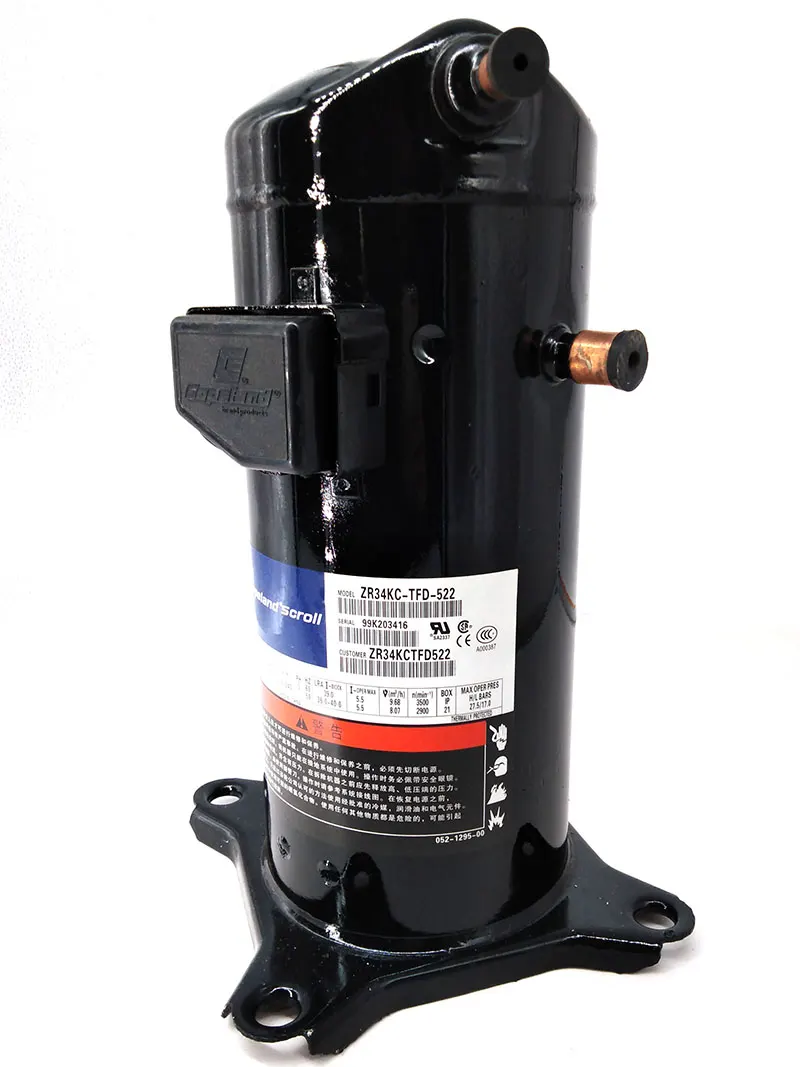
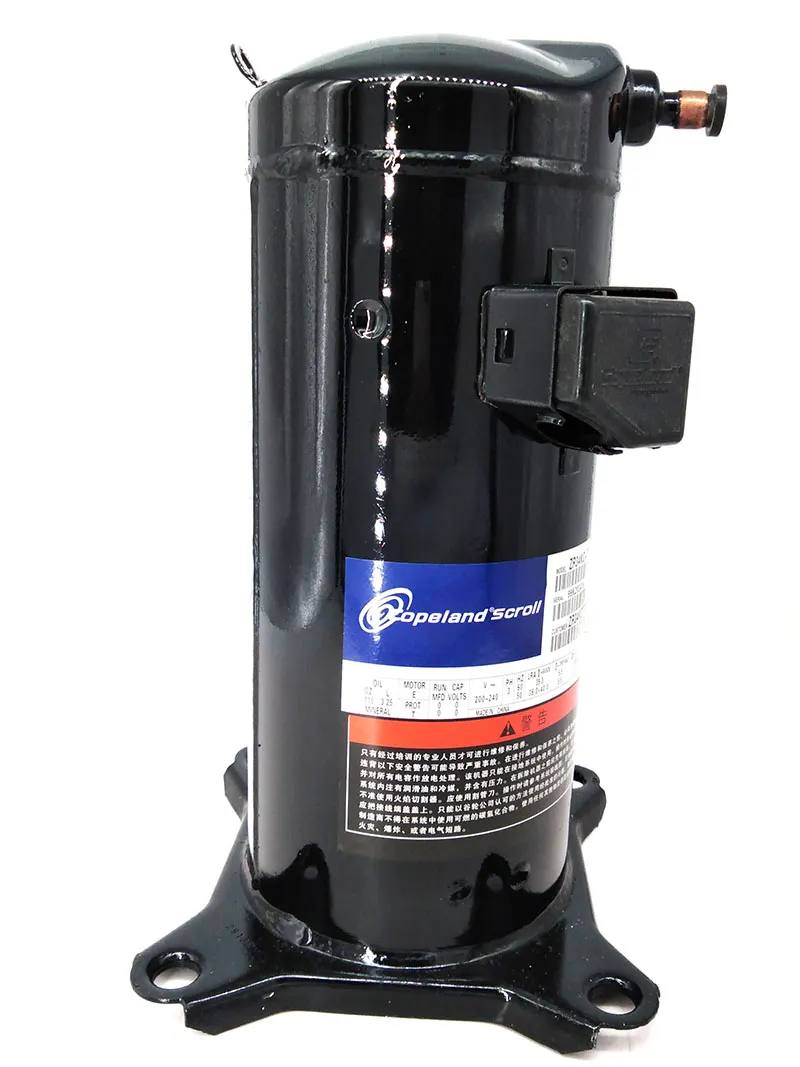
Refrigeration Compressor Cross Reference Guide for Distributors and Repair Buyers
A practical guide to matching old refrigeration compressor models with compatible replacements across major brands and applications.
When a refrigeration system is down, the fastest question is often the hardest one: what compressor can replace the failed model without creating a second problem on site?
A reliable refrigeration compressor cross reference is not just a list of model numbers. It is a technical matching process that compares capacity, refrigerant, voltage, application range, oil type, motor characteristics, mounting footprint, pipe connections, and operating limits. For spare-parts distributors, service companies, cold-room contractors, and international buyers, getting this right protects inventory value, reduces return claims, and helps technicians complete urgent repairs with confidence.
Replacement demand is especially complex in export markets because buyers may encounter Copeland, Danfoss/Secop, Embraco, Tecumseh, Bitzer, GMCC, Highly, Panasonic, Hitachi, Mitsubishi, and many regional brands in the same customer base. Some systems use globally recognized model families, while others use OEM-specific labels or discontinued compressor codes. A neutral, multi-brand approach is essential.
This guide explains how to evaluate a compressor replacement, what information to collect before ordering, and where cross-reference mistakes usually happen.
What a Refrigeration Compressor Cross Reference Really Means
A compressor cross reference identifies one or more replacement models that can perform the same function as an existing compressor within the required operating conditions. The goal is not to find a model that looks similar, but one that works safely and efficiently in the same system.
In practice, a compressor model cross reference may involve three levels of matching:
- Direct replacement: The replacement is the same model or a manufacturer-approved successor with the same core specifications.
- Functional equivalent: The replacement has similar capacity, refrigerant compatibility, voltage, application range, and installation dimensions, but may require minor pipe or electrical adjustments.
- Engineering substitution: The replacement can be used after technical review, but may require system changes such as new electrical components, contactor sizing, mounting modification, oil compatibility checks, or expansion device adjustment.
For distributors and repair buyers, the difference matters. A direct replacement is easier to sell and install. A functional equivalent may be acceptable for urgent repairs if the buyer understands the installation differences. An engineering substitution should be handled carefully, especially for cold rooms, commercial freezers, transport refrigeration, and systems operating near design limits.
A good compressor replacement guide should never rely on brand name alone. A Copeland compressor replacement, Embraco replacement compressor, or Tecumseh compressor equivalent must be checked against the actual operating envelope and application, not only against horsepower or physical size.
Key Data Needed Before Selecting a Replacement Compressor
The quality of a cross reference depends on the information collected from the old compressor and the refrigeration system. If a buyer sends only a partial model number, the risk of mismatch increases.
1. Original compressor model number
The compressor nameplate is the starting point. Record the complete model code, including prefixes, suffixes, voltage codes, motor codes, and bill-of-material or variant numbers if present. Many compressor families include multiple versions that appear similar but differ in refrigerant, voltage, starting method, or application range.
If the nameplate is damaged, check:
- Equipment service label
- Original spare-parts list
- Controller records or maintenance logs
- Previous invoice or packing label
- Photos of the failed compressor from multiple angles
For distributors, requesting a clear photo of the nameplate and terminal box is often the fastest way to avoid ordering errors.
2. Refrigerant type
The replacement compressor must be compatible with the refrigerant used in the system. Common refrigerants vary by application and market, and refrigerant regulations also differ by country. A compressor designed for one refrigerant cannot automatically be used with another.
Check whether the system uses refrigerants such as R134a, R404A, R507, R22, R407C, R410A, R290, R600a, R32, CO2, or another specified refrigerant. Also confirm whether the system has been retrofitted from an older refrigerant. Retrofitted systems require extra attention because oil type, expansion valve selection, and pressure range may no longer match the original compressor label.
For hydrocarbon refrigerants such as R290 and R600a, replacements must be selected with proper safety compliance and application suitability. Do not substitute a non-approved compressor into a flammable refrigerant system.
3. Cooling capacity and rating conditions
Capacity is one of the most common sources of cross-reference mistakes. A compressor advertised as a certain horsepower is not enough. Horsepower is a rough market description, not a precise selection standard.
Compare cooling capacity at the correct conditions, including:
- Evaporating temperature
- Condensing temperature
- Return gas temperature
- Subcooling condition
- Ambient or application assumptions
- Frequency, such as 50 Hz or 60 Hz
For example, a compressor that looks similar in nominal power may deliver different capacity in low-temperature freezer operation than in medium-temperature chiller or display cabinet operation. Always compare performance data at conditions close to the actual system.
4. Application range: LBP, MBP, HBP and air conditioning
Compressors are designed for specific evaporating temperature ranges. A low back pressure compressor used in a freezer is not automatically suitable for a beverage cooler or air-conditioning system.
Common application categories include:
- LBP: Low back pressure, often used for freezers and low-temperature refrigeration
- MBP: Medium back pressure, often used for coolers, display cases, and cold rooms
- HBP: High back pressure, often used for air-conditioning or high-temperature applications
- Commercial refrigeration: May include medium and low temperature with wider duty requirements
- Semi-hermetic and screw applications: Often used for larger cold rooms, industrial refrigeration, and process cooling
Brands may define operating envelopes differently, so the replacement must be checked against the manufacturer’s published application range. This is especially important when comparing compressors across Copeland, Danfoss/Secop, Embraco, Tecumseh, Bitzer, GMCC, Highly, and other manufacturers.
5. Voltage, phase, and frequency
Electrical compatibility is essential. Confirm the supply voltage, phase, and frequency before choosing a replacement.
Typical questions include:
- Is the system single-phase or three-phase?
- Is the site power 110–120 V, 220–240 V, 380–420 V, or another range?
- Is the system operating at 50 Hz, 60 Hz, or both?
- Does the compressor require capacitor start, capacitor run, relay start, PTC start, or external motor protection?
- Are contactors, overloads, and wiring sized for the new compressor?
A compressor may have the right capacity but the wrong motor version. For international orders, voltage codes are a frequent cause of returns, particularly when the same model family is sold in multiple electrical variants.
6. Oil type and system compatibility
Oil compatibility affects compressor life and system reliability. Common compressor oils include mineral oil, alkylbenzene oil, POE oil, and other application-specific lubricants. The correct oil depends on compressor design and refrigerant type.
When replacing older compressors, confirm whether the system has been converted from one refrigerant to another. Oil remaining in the system can affect lubrication and heat transfer. For hermetic compressors, oil type is usually built into the compressor specification. For semi-hermetic and larger commercial compressors, oil charge and maintenance practice may require closer review.
7. Mounting, dimensions, and connections
A cross-reference match must fit physically. Even if the performance data is correct, installation delays occur when mounting points, suction and discharge tube locations, or connection sizes do not match the original layout.
Check:
- Compressor base footprint and mounting hole spacing
- Overall height, width, and depth
- Suction and discharge connection diameter
- Connection orientation and distance from base
- Terminal box location
- Service valve arrangement for semi-hermetic models
- Clearance inside condensing units or appliance cabinets
Small hermetic compressors for refrigerators and display cabinets often have tight installation spaces. Larger semi-hermetic compressors may require checking service valves, piping alignment, and oil sight glass access.
How to Compare Major Compressor Brands Without Guesswork
Multi-brand cross referencing is common because buyers may not always obtain the original brand quickly, or the old model may no longer be easy to source. A refrigeration compressor distributor often needs to offer practical alternatives while keeping risk under control.
Copeland compressor replacement
Copeland models are widely used in commercial refrigeration, air conditioning, heat pumps, and cold-room systems. When selecting a Copeland compressor replacement, check the full model code, refrigerant, application envelope, motor version, and whether the unit is scroll, semi-hermetic, or another design. Accessories such as crankcase heaters, mounting kits, protection modules, and service valves may also affect the final replacement choice.
For scroll compressors, pay attention to phase, rotation direction for three-phase units, and application limits. For semi-hermetic compressors, verify displacement, capacity, valve configuration, oil, unloading if applicable, and protection requirements.
Danfoss/Secop replacement matching
Danfoss and Secop compressor codes are common in light commercial refrigeration, household refrigeration, medical refrigeration, and small cooling equipment. When matching these compressors, confirm the refrigerant and application range carefully because similar frame sizes may be available for different refrigerants and temperature conditions.
Electrical starting components are also important. A correct compressor paired with the wrong relay, capacitor, or overload can lead to starting failure or premature damage.
Embraco replacement compressor selection
Embraco compressors are widely used in domestic and light commercial refrigeration. An Embraco replacement compressor should be matched by refrigerant, capacity at rating condition, voltage, application range, and starting device. For compact equipment, physical dimensions and tube positions can be just as important as cooling capacity.
In beverage coolers, display cabinets, ice machines, and small freezers, confirm whether the system is designed for low, medium, or high evaporating temperature. A visually similar compressor may not be suitable if the application range is different.
Tecumseh compressor equivalent checks
Tecumseh compressors are often found in commercial refrigeration and air-conditioning applications. A Tecumseh compressor equivalent should be reviewed for performance, refrigerant, electrical supply, starting torque, and operating envelope.
Particular care is needed when older units use refrigerants that may have been replaced or retrofitted in the field. The original model label may not reflect the current system condition if previous repairs changed refrigerant or oil.
Bitzer and larger commercial compressor replacements
Bitzer compressors are commonly associated with commercial and industrial refrigeration, cold rooms, process cooling, and larger condensing units. Replacing a semi-hermetic compressor requires more than matching capacity. Check displacement, speed, refrigerant, oil, motor protection, connection sizes, valve configuration, capacity control, and operating envelope.
For cold-room contractors and engineering installers, a Bitzer cross reference may involve system-level review, especially where the compressor operates in low-temperature conditions or under heavy seasonal load.
GMCC, Highly and other Asian compressor brands
GMCC, Highly, Panasonic, Mitsubishi, Hitachi, LG, Samsung, and other Asian compressor brands are common in air-conditioning, heat pump, refrigerator, and light commercial applications. Cross referencing these models often requires careful attention to voltage, frequency, refrigerant, and physical mounting.
For rotary compressors used in air-conditioning and heat pumps, confirm refrigerant type, cooling or heating capacity, displacement, oil, accumulator requirements, and electrical specifications. For small hermetic refrigeration compressors, check the application range and starting components before offering an equivalent.
Distributor Checklist for Refrigeration Compressor Replacement
A practical checklist helps sales teams and buyers move quickly without skipping critical details. Before confirming an order, collect and verify the following information.
Compressor identification
- Full old compressor model number
- Brand and product type, such as hermetic, scroll, rotary, reciprocating, or semi-hermetic
- Nameplate photo
- Any OEM or equipment model number
- Quantity required and urgency
System application
- Equipment type: refrigerator, freezer, display cabinet, cold room, air conditioner, chiller, heat pump, ice machine, or condensing unit
- Temperature range: low, medium, high, or air-conditioning
- Approximate evaporating and condensing temperatures if available
- Indoor or outdoor installation conditions
Refrigerant and oil
- Current refrigerant in the system
- Whether the system has been retrofitted
- Required oil type if known
- Special safety requirements for flammable refrigerants
Electrical requirements
- Voltage range
- Phase
- Frequency
- Starting method
- Capacitors, relays, overloads, contactors, and protection modules
- Local power supply conditions
Performance and mechanical fit
- Cooling capacity at relevant conditions
- Compressor displacement where applicable
- Mounting footprint
- Suction and discharge connection sizes
- Pipe orientation
- Overall dimensions
- Required accessories or installation kits
Commercial and logistics details
- Preferred brand or acceptable alternative brands
- Whether direct replacement is required or equivalent is acceptable
- Required certificates or compliance documents for the destination market
- Packaging requirements for export shipment
- Lead time and available stock
For distributors, this checklist can be converted into a standard inquiry form. It reduces back-and-forth communication and makes it easier to compare multiple brands accurately.
Common Cross-Reference Mistakes to Avoid
Many compressor replacement problems are preventable. The most expensive errors usually come from treating a compressor as a simple spare part instead of a system component.
Matching by horsepower only
Horsepower does not define capacity, refrigerant, efficiency, or application range. Two compressors described with the same horsepower can perform differently under freezer, cooler, or air-conditioning conditions. Use manufacturer performance data whenever possible.
Ignoring frequency differences
A compressor rated at 60 Hz may not deliver the same performance at 50 Hz. Capacity, current, and operating characteristics can change. International buyers should always confirm whether the replacement is suitable for the destination country’s power supply.
Selecting the right compressor but wrong electrical kit
Small hermetic compressors often require specific relays, capacitors, overloads, or PTC starters. The compressor model and electrical kit should be treated as a matched set. Using an incorrect start device can cause hard starting, overheating, or failure.
Overlooking application envelope
A compressor that runs outside its approved envelope may overheat, trip protection, lose lubrication, or suffer reduced service life. This is a major risk when substituting between medium-temperature and low-temperature applications.
Forgetting installation dimensions
Even a technically correct compressor can create problems if it does not fit the cabinet, condensing unit base, or pipe layout. For urgent repairs, request drawings or dimension data before shipping.
Not checking the actual refrigerant in the system
Older systems may have been serviced or retrofitted. The compressor nameplate may not tell the full story. Technicians should verify the refrigerant currently in use before purchasing a replacement.
Practical Buying Advice for Overseas Customers
For overseas buyers, a successful refrigeration compressor cross reference depends on clear communication and realistic expectations. The best inquiry is not simply “send equivalent model.” It provides enough detail for a supplier to identify a safe and commercially practical option.
A strong inquiry should include:
- Old compressor nameplate photo
- Equipment type and application
- Refrigerant currently used
- Voltage, phase, and frequency
- Required quantity
- Destination country
- Whether the buyer accepts alternative brands
- Any size restrictions or photos of the installation space
Distributors should also maintain internal cross-reference records from completed orders, but these records should be reviewed regularly. Brand model ranges change, refrigerant regulations evolve, and available stock varies by market. A past equivalent is useful, but it should not replace technical verification.
For service and repair companies, the safest approach is to identify the failure cause before installing a new compressor. A replacement compressor can fail again if the system still has blocked airflow, wrong refrigerant charge, contaminated oil, liquid floodback, electrical faults, poor condenser performance, or a defective expansion device.
For cold-room installers and engineering contractors, compressor substitution should be evaluated together with system design. Cold rooms depend on stable capacity, correct evaporating temperature, defrost strategy, and reliable operation under changing load. A small mismatch may not be obvious during installation but can affect long-term temperature control and energy use.
Conclusion: Cross Reference Is a Technical Buying Process
A refrigeration compressor cross reference is most useful when it combines model identification with application knowledge. The correct replacement must match the refrigerant, capacity, electrical supply, application range, oil compatibility, mounting size, and installation requirements.
For distributors, a disciplined cross-reference process improves quotation accuracy and reduces after-sales disputes. For repair buyers, it speeds up purchasing while lowering the risk of repeat failure. For installers and contractors, it ensures the replacement compressor supports the wider refrigeration system, not just the immediate repair.
The practical rule is simple: use the old model number as the starting point, not the final answer. A good replacement decision is made by checking the compressor against the real operating conditions of the system.
FAQ
What is a refrigeration compressor cross reference?
A refrigeration compressor cross reference is the process of matching an old or unavailable compressor model with a compatible replacement. It compares technical factors such as refrigerant, capacity, voltage, frequency, application range, oil type, mounting dimensions, and pipe connections.
Can I replace a compressor with another brand?
Yes, a compressor can often be replaced with another brand if the technical specifications match the system requirements. The replacement should be checked for refrigerant compatibility, cooling capacity at the correct conditions, electrical supply, application envelope, oil type, and physical fit.
Is horsepower enough to select a replacement compressor?
No. Horsepower is only a general description and should not be used as the main selection standard. Two compressors with similar horsepower can have different capacity, refrigerant compatibility, operating envelopes, and electrical requirements.
What information should I send to a compressor distributor for a replacement inquiry?
Send the full old compressor model number, a clear nameplate photo, equipment type, refrigerant, voltage, phase, frequency, application temperature range, quantity required, and any space or mounting restrictions. Photos of the installation area are also helpful.
Why do compressor replacements fail after installation?
Replacement compressors may fail if the original system problem was not corrected. Common causes include wrong refrigerant charge, poor airflow, liquid floodback, electrical faults, contaminated oil, blocked condenser, incorrect starting components, or operation outside the approved compressor envelope.
Buyer Next Step
Move from research to sourcing with a category shortlist, relevant product examples, and a quote request channel.