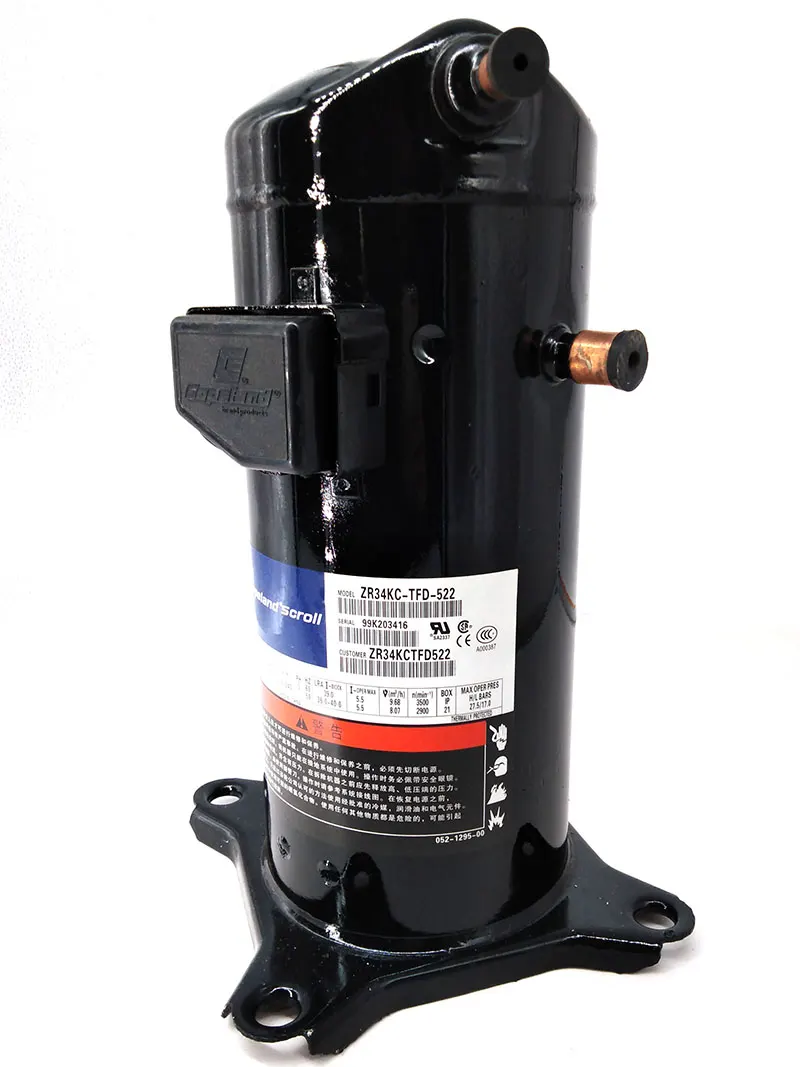
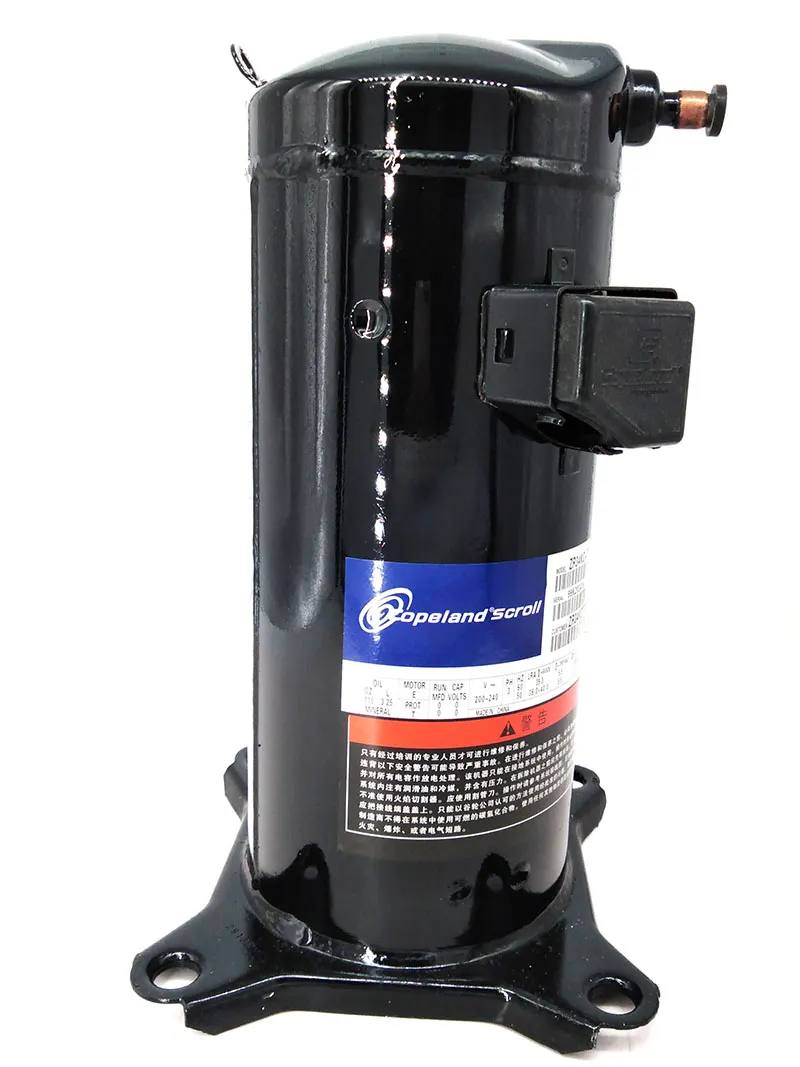
Complete Compressor Cross Reference Guide: Find Compatible Replacements for Any Brand
A practical compressor cross reference guide for matching replacement models across major refrigeration brands by capacity, refrigerant, voltage, oil, and application.
Finding a compatible compressor replacement is rarely as simple as matching horsepower or copying the model number from the nameplate. A refrigeration system depends on capacity, refrigerant, operating envelope, voltage, starting method, oil type, connection layout, mounting, and control compatibility. A wrong substitution can lead to poor pull-down, high discharge temperature, nuisance trips, oil return problems, or early compressor failure.
This compressor cross reference guide explains how distributors, service companies, cold-room installers, and replacement buyers can compare equivalent compressor models across brands such as Copeland, Danfoss, Embraco, Tecumseh, Maneurop, Panasonic, GMCC, Highly, Secop, Kulthorn, and other common manufacturers. It is designed as a practical interchange framework rather than a fixed universal chart, because final compatibility must always be checked against the original nameplate, application conditions, and manufacturer data.
What a Compressor Cross Reference Guide Is Used For
A compressor cross reference guide helps identify possible replacement compressors when the original model is unavailable, discontinued, too expensive, or delayed by supply issues. It is commonly used by refrigeration parts distributors, repair workshops, field technicians, supermarket service teams, and cold-room contractors who need to restore equipment quickly without compromising reliability.
Cross referencing is useful for:
- Replacing failed compressors in commercial refrigerators, freezers, display cases, ice machines, chillers, and cold rooms
- Comparing equivalent compressor models between international and local brands
- Preparing alternative stock options for spare parts distributors
- Converting old or obsolete model numbers to current replacement ranges
- Checking whether a lower-cost or more available compressor can fit the same application
- Supporting urgent service work when the original compressor cannot be sourced in time
A good compressor interchange guide does not simply say that Model A equals Model B. It shows why a model may be compatible by comparing the operating conditions and technical specifications that matter in real equipment.
Key Data Needed Before Selecting an Equivalent Compressor
Before looking for an equivalent compressor model, collect the complete technical information from the failed compressor and the refrigeration system. The nameplate is the starting point, but it is not the only source of data.
1. Original Compressor Model and Brand
Record the full model code exactly as printed. Compressor model numbers often include important information about refrigerant, capacity range, motor type, voltage, protection, and application temperature. A missing letter can change the meaning of the model.
For example, within many brands, similar-looking model codes may represent different refrigerants, different evaporating temperature ranges, or different electrical configurations. When sending an inquiry to a supplier, provide a clear photo of the nameplate whenever possible.
2. Refrigerant Type
Refrigerant compatibility is one of the most important checks. A compressor designed for R134a is not automatically suitable for R404A, R507, R22, R290, R600a, R407C, R448A, R449A, or R410A. The refrigerant affects pressure levels, motor loading, oil compatibility, discharge temperature, and application envelope.
Typical refrigeration replacement work may involve:
- R134a for medium-temperature refrigeration and older commercial cabinets
- R404A or R507 for commercial low-temperature and medium-temperature systems
- R290 and R600a for many modern light commercial and domestic refrigeration products
- R22 in older systems, depending on local regulation and service policy
- R448A, R449A, R407A, or R407F in retrofit and replacement projects
- R410A, R32, or R407C in air-conditioning and some chiller applications
Never assume a compressor is compatible with a refrigerant only because the capacity appears similar.
3. Application Temperature Range
A replacement compressor must match the intended application:
- LBP: Low back pressure, used for low-temperature freezing applications
- MBP: Medium back pressure, used for chilled storage and medium-temperature refrigeration
- HBP: High back pressure, used for air-conditioning, dehumidifiers, and higher evaporating temperature duties
- L/M or MBP/HBP: Models approved for wider operating ranges
A low-temperature compressor used in a medium-temperature application may overheat or run outside its approved envelope. A medium-temperature compressor used in a freezer may not deliver enough capacity at low evaporating temperatures.
4. Cooling Capacity at the Same Rating Conditions
Capacity comparison must be made at the same evaporating temperature, condensing temperature, return gas temperature, liquid temperature, ambient condition, and refrigerant. Horsepower is not a precise engineering value for cross reference.
For commercial refrigeration, capacity is usually compared in watts, BTU/h, kcal/h, or horsepower only as a rough market reference. A proper compressor replacement chart should indicate the rating point, such as low-temperature or medium-temperature conditions, otherwise the comparison can be misleading.
5. Electrical Supply and Motor Type
Voltage and frequency must match the local power supply and system design. Common configurations include:
- 115V/60Hz single phase
- 220–240V/50Hz single phase
- 208–230V/60Hz single phase
- 380–420V/50Hz three phase
- 460V/60Hz three phase
Motor starting type must also be checked. Common types include RSIR, RSCR, CSIR, CSR, PSC, and three-phase motors. Some compressors require specific relays, capacitors, contactors, overload protectors, or electronic starting devices. Using the wrong starting components can prevent the compressor from starting or damage the motor.
6. Oil Type and Charge
Oil compatibility is closely linked to refrigerant type. Mineral oil, alkylbenzene oil, POE oil, and other oil types are not interchangeable without careful evaluation. The replacement compressor should use an oil suitable for the system refrigerant and application.
Oil return must also be considered in long pipe runs, cold rooms, multi-evaporator systems, and remote condensing units. In many cases, matching the oil type is not enough; the system must also be cleaned, dehydrated, evacuated, and charged correctly after compressor replacement.
7. Mechanical Fit and Connection Layout
A technically equivalent compressor may still create installation problems if the mounting footprint, suction/discharge tube location, service port arrangement, shell height, or terminal box position differs significantly.
Check:
- Mounting base and hole spacing
- Compressor height and cabinet clearance
- Suction and discharge tube diameters
- Tube direction and brazing access
- Electrical terminal position
- Weight and vibration mounting requirements
- Space for capacitors, relays, and accessories
For hermetic compressors in compact cabinets, physical fit can be as important as capacity.
Compressor Replacement Chart: What to Compare Across Brands
The table below shows the main comparison fields used when building or reading a compressor replacement chart. It is not a list of guaranteed model equivalents; it is a practical structure for evaluating compatibility across Copeland, Danfoss, Embraco, Tecumseh, Secop, Panasonic, Maneurop, GMCC, Highly, Kulthorn, and other brands.
| Cross-reference item | What to check | Why it matters |
|---|---|---|
| Original brand and model | Full compressor model code | Identifies baseline specifications and series |
| Compressor type | Hermetic, semi-hermetic, scroll, rotary, reciprocating | Affects application, efficiency, mounting, and service method |
| Refrigerant | R134a, R404A, R507, R290, R600a, R22, R448A, R449A, etc. | Determines pressure, oil, motor load, and safety requirements |
| Application range | LBP, MBP, HBP, AC, heat pump, commercial refrigeration | Prevents use outside approved operating envelope |
| Capacity | Compare at identical rating conditions | Ensures pull-down and temperature holding performance |
| Power supply | Voltage, phase, frequency | Prevents electrical mismatch and motor failure |
| Starting method | Relay, capacitor, PSC, CSR, electronic start, three-phase | Ensures correct starting torque and protection |
| Oil type | POE, mineral, alkylbenzene, others | Maintains refrigerant compatibility and oil return |
| Connections | Suction/discharge size and position | Reduces installation modification and leakage risk |
| Mounting | Footprint, bolt spacing, vibration mounts | Affects installation stability and noise |
| Protection | Internal/external overload, discharge temperature protection | Supports safe operation under fault conditions |
| Accessories | Capacitors, relays, terminal cover, crankcase heater, mounting kit | Avoids missing parts during field replacement |
For buyers, the most useful compressor interchange guide is one that allows filtering by refrigerant, voltage, capacity, and application before comparing brands. For distributors, these fields also help reduce returns caused by incomplete model matching.
Brand-to-Brand Cross Reference: How to Approach Major Compressor Families
Different compressor brands use different model numbering systems, and not every brand has a direct one-to-one replacement for every model. The safest approach is to cross reference by application data, not by brand reputation or nominal horsepower.
Copeland Compressor Cross Reference
Copeland compressors are widely used in commercial refrigeration, cold rooms, condensing units, supermarket systems, and air-conditioning equipment. Replacement work may involve scroll, semi-hermetic, or hermetic models depending on the system.
When cross referencing a Copeland compressor, pay particular attention to:
- Compressor technology: scroll, semi-hermetic, or reciprocating
- Refrigerant and approved retrofit refrigerants
- Application envelope for low, medium, or high temperature duty
- Digital or fixed-capacity operation where applicable
- Three-phase voltage and motor protection requirements
- Oil type and system oil management
For cold-room and commercial condensing unit applications, capacity matching at the actual evaporating and condensing temperature is more important than matching a general horsepower label.
Danfoss and Secop Compressor Cross Reference
Danfoss and Secop compressor ranges are commonly found in light commercial refrigeration, bottle coolers, display cabinets, freezers, and some commercial applications. Many small hermetic compressors are highly application-specific, especially those designed for hydrocarbons such as R290 or R600a.
Important checks include:
- Refrigerant and flammability classification
- Starting device type and capacitor requirements
- LBP, MBP, or HBP suitability
- Capillary tube or expansion valve system design
- Compressor cooling method, such as static or fan-cooled operation
- Cabinet space and mounting style
For small hermetic replacements, accessory matching is critical. A compressor that appears equivalent may require a different relay, overload, capacitor, or terminal cover.
Embraco Compressor Cross Reference
Embraco compressors are frequently used in domestic and light commercial refrigeration, including refrigerators, freezers, coolers, and display cases. When comparing Embraco models with other brands, the same refrigerant and application class must be confirmed.
Practical comparison points include:
- LBP or MBP application
- R134a, R600a, R290, or other refrigerant compatibility
- Capacity at standard rating points
- Starting torque requirement for capillary systems
- Electrical supply and frequency
- Noise and vibration requirements in display or retail environments
For retail refrigeration cabinets, a physically compact compressor with the wrong capacity can cause long run times, poor temperature recovery, or excessive energy consumption.
Tecumseh Compressor Cross Reference
Tecumseh compressors are common in commercial refrigeration, foodservice equipment, beverage coolers, freezers, and condensing units. Cross referencing Tecumseh models requires attention to application temperature and refrigerant.
Check:
- Low-temperature or medium-temperature application
- Compressor series and motor code
- R134a, R404A/R507, R290, R22, or replacement refrigerants
- Starting components and overload protection
- Mechanical connection orientation
- Replacement kit requirements
Many field replacements fail not because the compressor size is wrong, but because the electrical kit or expansion device compatibility was overlooked.
Rotary and Air-Conditioning Compressor Cross Reference
Rotary compressors from brands such as GMCC, Highly, Panasonic, Rechi, Mitsubishi, LG, Samsung, and others are widely used in residential and light commercial air-conditioning, heat pumps, dehumidifiers, and some refrigeration systems.
For rotary compressor interchange, verify:
- Cooling or heat pump application
- Refrigerant, such as R410A, R32, R407C, R22, or others
- Displacement and capacity range
- Voltage and frequency
- Inverter or fixed-speed design
- Mounting and shell dimensions
- Accumulator and suction layout requirements
An inverter compressor normally cannot be replaced with a fixed-speed compressor without major system redesign. Likewise, an R410A rotary compressor cannot be substituted with an R22 model simply because the pipe connections are similar.
Step-by-Step Method to Find an Equivalent Compressor Model
A consistent selection process helps avoid costly mistakes and makes communication between buyers and suppliers much easier.
Step 1: Identify the Failed Compressor Accurately
Take clear photos of the nameplate, terminal cover, connection layout, and installation space. Record the system brand, equipment type, refrigerant, voltage, and application temperature.
Step 2: Define the Operating Conditions
Confirm whether the system is a freezer, chiller, display cabinet, cold room, ice machine, air conditioner, or heat pump. If available, record evaporating temperature, condensing temperature, ambient temperature, and expansion device type.
Step 3: Filter by Refrigerant and Application
Eliminate compressors not approved for the same refrigerant and temperature range. This step removes many unsafe or unsuitable options before capacity is even compared.
Step 4: Compare Capacity at Equivalent Conditions
Use manufacturer performance tables or approved software where available. Compare cooling capacity and input power at the same conditions, not only nominal horsepower.
Step 5: Match Electrical Specifications
Confirm voltage, phase, frequency, motor type, starting components, overload protection, and wiring arrangement. For single-phase models, verify whether capacitors and relays are included or must be ordered separately.
Step 6: Check Oil and System Cleanliness
Confirm oil type and whether the refrigeration circuit requires flushing, filter drier replacement, acid test, or additional cleanup after burnout. A new compressor should not be installed into a contaminated system.
Step 7: Confirm Physical Fit
Compare mounting, shell size, suction and discharge tube positions, service valves, and accessory clearance. If modifications are needed, confirm that they are practical and safe for the installer.
Step 8: Review Application Limits
Check maximum condensing temperature, allowable voltage range, compressor cooling requirements, crankcase heater needs, and any restrictions related to ambient temperature or duty cycle.
Step 9: Approve the Replacement With Full Part Details
Before purchase, confirm the complete replacement model, accessories, voltage, refrigerant, oil type, and warranty conditions. For distributors, keeping this information in the sales record helps resolve future service questions.
Common Mistakes in Compressor Interchange Selection
Many replacement problems come from shortcuts during model matching. Avoid these common errors:
- Matching by horsepower only instead of capacity at rating conditions
- Ignoring refrigerant and oil compatibility
- Using an HBP compressor in an LBP freezer application
- Replacing an inverter compressor with a fixed-speed model without redesign
- Ordering the compressor without required starting components
- Assuming a 50Hz model will perform the same on 60Hz, or the reverse
- Overlooking connection position and cabinet clearance
- Installing a new compressor without replacing the filter drier
- Failing to investigate the original cause of compressor failure
- Using a compressor outside its approved envelope to solve a stock shortage
A cross reference is a selection aid, not a guarantee that every installation detail will match. The more complete the original data, the more reliable the replacement recommendation.
Practical Notes for Distributors, Repair Teams, and Installers
For spare parts distributors, compressor cross reference data can improve stock planning. Instead of carrying only one brand for every model, distributors can group equivalent compressor models by refrigerant, capacity range, voltage, and application. This helps support customers when the original brand is unavailable.
For service and repair companies, a reliable interchange process reduces callbacks. Technicians should document the original model, system condition, cause of failure, and replacement selection. If a compressor burned out due to poor airflow, blocked condenser, low voltage, refrigerant floodback, or acid contamination, simply installing an equivalent compressor will not solve the underlying issue.
For cold-room contractors and engineering installers, compressor replacement must consider system duty, pipe length, oil return, ambient temperature, defrost method, and expansion valve selection. In larger systems, a compressor with similar nominal capacity may still behave differently under part-load or high ambient conditions.
For overseas buyers importing compressors, it is important to confirm packaging, accessories, voltage, refrigerant approval, and documentation before shipment. Compressor model codes may vary by region, and the same brand may offer different electrical versions for different markets.
How to Send a Compressor Cross Reference Inquiry
To get a faster and more accurate replacement recommendation, provide complete information in one message. A useful inquiry should include:
- Original compressor brand and full model number
- Clear nameplate photo
- Equipment type and application, such as freezer, chiller, cold room, cabinet, air conditioner, or heat pump
- Refrigerant type
- Voltage, phase, and frequency
- Required quantity
- Country or market of installation
- Suction and discharge connection photos if space is limited
- Any preferred brands or acceptable alternative brands
- Whether accessories are required, such as relay, capacitor, overload, mounting kit, or terminal cover
For urgent service jobs, include the required delivery time and whether a functionally compatible alternative is acceptable if the exact model is not available.
Final Selection Checklist
Before approving any equivalent compressor model, confirm the following:
- Same or approved refrigerant
- Same application range: LBP, MBP, HBP, air-conditioning, or heat pump
- Similar capacity at the same rating conditions
- Correct voltage, phase, and frequency
- Correct motor starting method and electrical accessories
- Compatible oil type
- Suitable mounting and connection layout
- Approved operating envelope for the system conditions
- Required protection devices and service parts included
- System fault corrected before compressor installation
A dependable compressor replacement is the result of technical matching, not guesswork. A well-structured compressor cross reference guide helps buyers compare options across brands, but final selection should always be verified against system requirements and current manufacturer data.
FAQ
What is a compressor cross reference guide?
A compressor cross reference guide is a technical matching tool used to identify possible replacement compressors across different brands. It compares key data such as refrigerant, capacity, voltage, application range, oil type, starting method, mounting, and connection layout.
Can I replace a compressor with another brand?
Yes, a compressor can often be replaced with another brand if the replacement matches the refrigerant, application range, capacity at the same conditions, electrical specifications, oil type, and physical installation requirements. The final choice should be checked against manufacturer data and system conditions.
Is horsepower enough to choose an equivalent compressor?
No. Horsepower is only a rough market reference and does not guarantee compatibility. Cooling capacity should be compared at the same evaporating temperature, condensing temperature, refrigerant, voltage, and application range.
What information should I provide for a compressor replacement inquiry?
Provide the original compressor brand and full model number, nameplate photo, refrigerant, voltage, phase, frequency, equipment type, application temperature, quantity, and photos of the connection layout if space is limited. Also state whether starting components or mounting accessories are required.
Why do compressor replacements fail even when the model seems compatible?
Failures often occur because the original system fault was not corrected, the refrigerant or oil was mismatched, electrical accessories were incorrect, the compressor was used outside its operating envelope, or the system was not properly cleaned, evacuated, and charged.
Buyer Next Step
Move from research to sourcing with a category shortlist, relevant product examples, and a quote request channel.