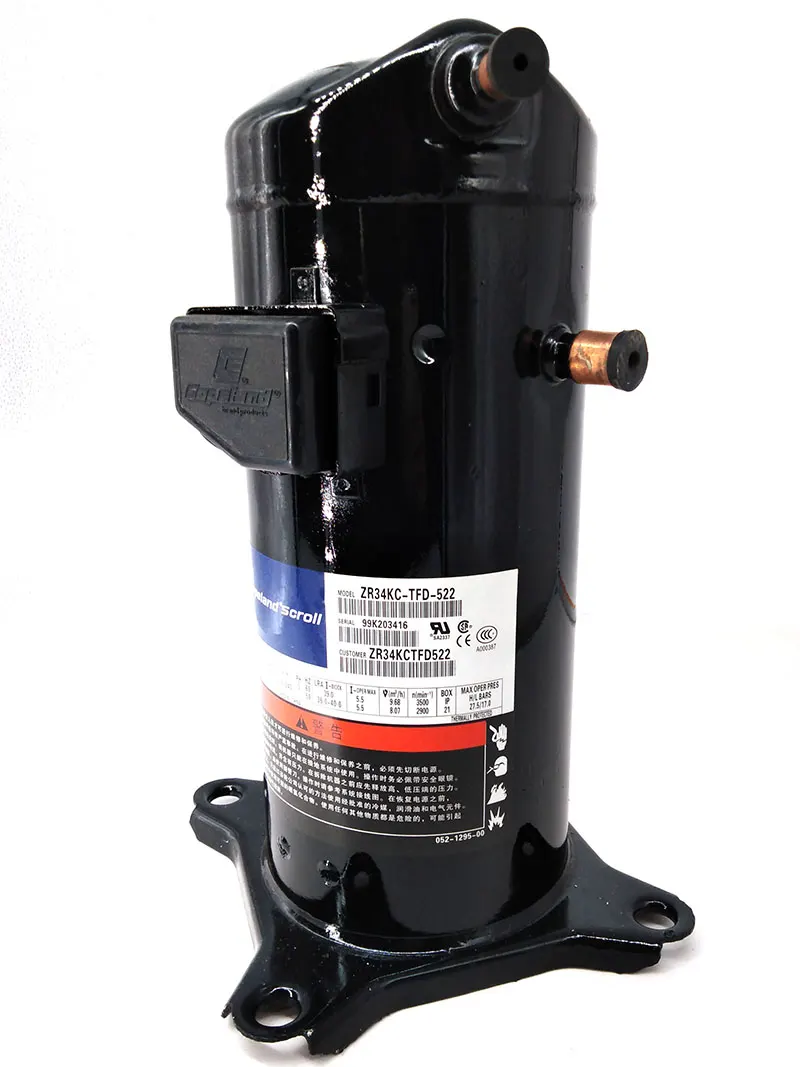
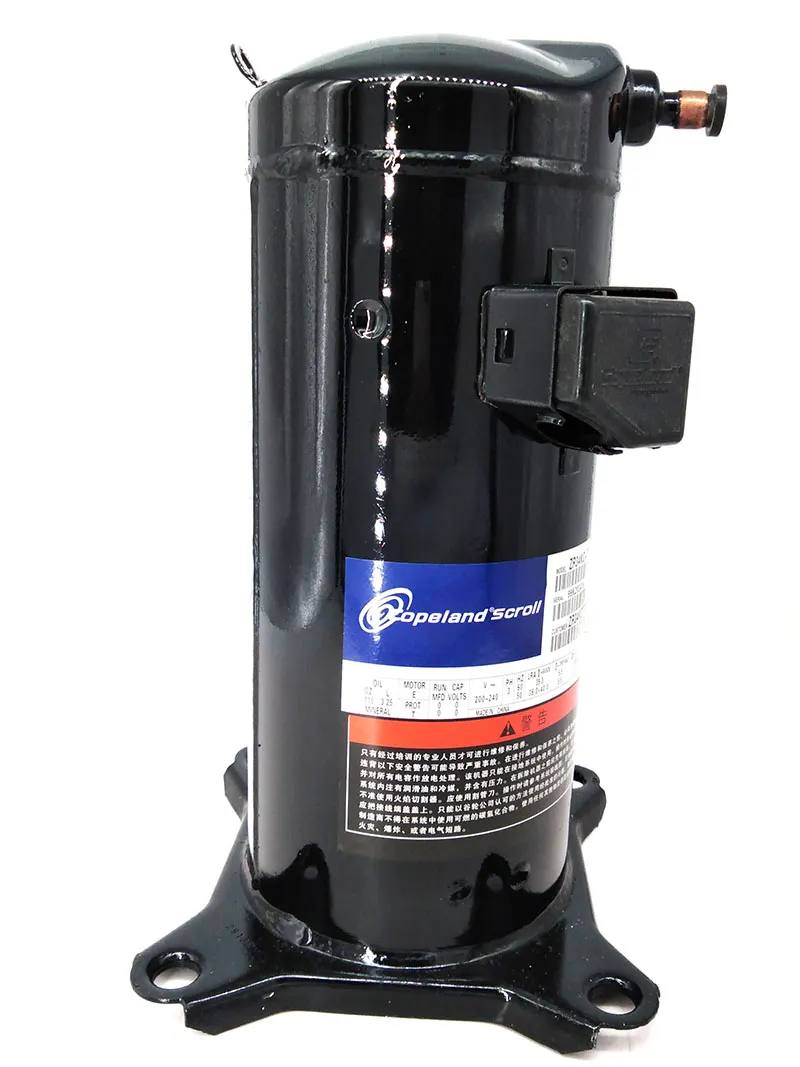
Compressor Model Cross Reference: How to Find Equivalent Alternatives Across Major Brands
Learn how to match compressor equivalents by capacity, refrigerant, voltage, application, and mounting when the original model is unavailable.
Finding a replacement compressor is rarely as simple as swapping one brand for another. In real service and supply work, the model on the nameplate may be obsolete, out of stock, region-specific, or tied to a lead time that the end user cannot accept. That is why a reliable compressor model cross reference process matters.
For distributors, repair companies, and refrigeration installers, the goal is not to find a compressor with a familiar brand name. The goal is to find a unit that matches the job requirements closely enough to protect performance, reliability, and installation practicality. A true cross reference compares the old and new models by capacity, refrigerant, voltage, frequency, application envelope, connection layout, and mounting format.
This buyer guide explains how to evaluate compressor equivalent models across major HVACR brands and what to check before approving a substitute for air-conditioning, commercial refrigeration, or cold-room use.
Why compressor cross reference matters in the field
Replacement decisions often happen under pressure. A condensing unit is down, a cold room is warming up, or a service contractor needs a same-day answer from a parts distributor. In these situations, many buyers search terms like Copeland replacement compressor, Bitzer alternative compressor, or Danfoss compressor equivalent. Those searches are usually driven by one problem: the original model cannot be supplied quickly or economically.
A good cross reference helps answer four practical questions:
- What changed? The original model may be discontinued, superseded, or temporarily unavailable.
- Why does it matter? A poor match can create high current draw, poor cooling, oil return issues, noise, or shortened life.
- Who is affected? Distributors, service teams, refrigeration contractors, and spare parts buyers all carry the risk of selecting the wrong replacement.
- What should the buyer check? Electrical compatibility, refrigerant suitability, application type, capacity match, and physical fit are the main priorities.
A model number alone is not enough. Even within one brand, similar-looking compressors can differ in motor code, refrigerant rating, discharge temperature tolerance, start components, and operating envelope.
The five core checks in a compressor model cross reference
When comparing compressor models across brands, start with the technical basics before looking at price or availability.
1. Capacity at the correct operating conditions
Capacity matching is the first filter. A compressor should be compared at the intended evaporating and condensing conditions, not just by a broad horsepower label.
Important points:
- Nominal HP is only a rough reference.
- Cooling capacity changes with suction temperature, condensing temperature, and refrigerant.
- Medium-temperature and low-temperature applications can produce very different performance from the same compressor family.
- A close equivalent should support the duty point without forcing the system outside its intended design.
For example, a compressor used in a medium-temperature display case cannot be matched confidently to another model just because both are labeled 2 HP. The usable comparison is capacity under the actual refrigeration conditions.
2. Refrigerant compatibility
A compressor cross reference must account for the refrigerant in the existing system or the refrigerant planned for retrofit.
Check:
- Approved refrigerant type
- Oil type and compatibility
- Discharge temperature behavior
- Application restrictions for low-GWP or legacy refrigerants
A model suitable for one refrigerant family may not be a safe or efficient replacement for another. Even if the mounting and voltage match, refrigerant mismatch can make the replacement unworkable.
This is especially important when older equipment uses legacy refrigerants and the buyer is considering a newer equivalent compressor line. In those cases, the compressor may need a full application review rather than a simple one-to-one substitution.
3. Voltage, phase, and frequency
Electrical mismatch is one of the most common reasons a cross-referenced compressor fails at installation.
Confirm all of the following:
- Voltage range
- Single-phase or three-phase
- Frequency such as 50 Hz or 60 Hz
- Starting method and required accessories
- Locked rotor and running current suitability for the system
For overseas buyers, frequency differences matter as much as voltage. A model that appears equivalent on paper may perform differently or not be approved for the local power supply.
4. Application type and operating envelope
A compressor must fit the intended use, not only the tonnage.
Common application categories include:
- Air-conditioning
- High back pressure refrigeration
- Medium-temperature refrigeration
- Low-temperature refrigeration
- Freezer and cold-room duty
- Condensing unit replacement
- Parallel rack or specialty system use
Two compressors with similar capacity may have different envelope limits. One may be intended for air-conditioning comfort cooling, while another is designed for refrigeration pull-down and lower evaporating temperatures. That difference is critical.
5. Physical fit: mounting, connections, and shell format
Even a technically valid replacement can create delays if the body and piping arrangement do not fit the existing unit.
Review these practical installation points:
- Mounting foot pattern or base dimensions
- Suction and discharge connection sizes
- Connection position and orientation
- Shell height and diameter
- Service valve arrangement, if applicable
- Space for electrical terminal cover and accessories
For field replacement work, a near match that avoids major piping rework is often preferred over a model that is theoretically equivalent but difficult to install in the available space.
How to compare old and new compressor models step by step
A structured process reduces mistakes, especially when comparing models across different brands.
Step 1: Capture the full nameplate and system details
Before checking alternatives, gather:
- Original compressor model number
- Refrigerant used in the system
- Voltage, phase, and frequency
- Application type
- System type: condensing unit, pack, cold room, split AC, and so on
- Original fault history, if relevant
If possible, also record evaporating and condensing conditions. This gives a more reliable capacity comparison than model code alone.
Step 2: Identify whether the original model has a direct successor
Sometimes the best cross reference is the same compressor family under a revised model code. Manufacturers may supersede older models with updated electrical codes, refrigerant approvals, or minor design changes.
If there is no practical successor available, move to equivalent models from other brands.
Step 3: Filter by refrigerant and application first
This quickly removes unsuitable options. A compressor intended for air-conditioning should not be treated as an automatic equivalent for a freezer system, even when electrical and mechanical details appear close.
Step 4: Compare capacity at the target duty point
Use performance tables or application data whenever possible. If detailed data is not available, treat the match as provisional until the operating conditions are confirmed.
This step is where many generic online cross references fall short. They may group compressors by broad size class while ignoring the actual duty point.
Step 5: Confirm electrical details and accessories
Check whether the replacement needs:
- Start capacitor or relay changes
- Contactor review
- Overload protection compatibility
- Different terminal kit or wiring arrangement
- Crankcase heater or additional accessories
Step 6: Review dimensions and pipework impact
A replacement that requires extensive modification can raise labor cost, increase leak risk, and slow the repair. For service companies, installation time often matters as much as the compressor price.
Step 7: Evaluate system-side implications
A compressor replacement may also require checking:
- Expansion device suitability
- Oil management
- Suction accumulator or discharge line arrangement
- Condenser capacity and airflow
- Return gas cooling and discharge temperature control
An equivalent compressor is not only a parts match. It must function properly inside the whole system.
What buyers should avoid when matching compressor equivalents
Cross-reference mistakes usually come from relying on shortcuts. These are the most common ones.
Matching by brand reputation alone
A strong brand does not guarantee the right application fit. Buyers should compare specifications, not assume that any model from a premium manufacturer can replace another compressor with the same nominal size.
Matching by horsepower only
HP labels are useful for rough sorting, but not for final selection. The real comparison is capacity and operating envelope under the required conditions.
Ignoring frequency differences in export markets
A 50 Hz and 60 Hz version of a compressor family may not be interchangeable without consequences. Overseas parts buyers need to treat frequency as a core filter, not a secondary detail.
Overlooking mounting and connection layout
A substitute can be technically acceptable yet commercially inefficient if installers need major bracket or piping changes.
Forgetting refrigerant and oil compatibility
This can turn a simple repair into a system redesign. Refrigerant approval, oil type, and application envelope should all align with the actual job.
Practical examples of cross-reference thinking across common HVACR compressor lines
The exact model match depends on each manufacturer's published data, but the comparison logic is consistent across common compressor families.
Example 1: Replacing a hermetic refrigeration compressor in a cold-room condensing unit
A contractor has an older hermetic compressor on a medium-temperature cold room. The original brand is unavailable locally.
The correct cross-reference process is to compare:
- Refrigerant compatibility with the existing system
- Medium-temperature capacity at the actual duty point
- Voltage, phase, and local frequency
- Shell size and pipe connection layout
- Required starting components
In this case, a valid compressor equivalent model may come from a different manufacturer if it matches the refrigeration application and physical installation constraints. A model with similar HP but designed mainly for AC duty would be a poor substitute.
Example 2: Looking for a Copeland replacement compressor alternative
A distributor receives an inquiry for a Copeland replacement compressor but the requested model is backordered.
Instead of searching by brand only, the buyer should compare:
- The original refrigerant approval
- Whether the compressor is intended for low, medium, or high back pressure use
- Capacity at the target evaporating and condensing temperatures
- Electrical code and frequency
- Footprint and suction/discharge positions
This is how an equivalent from another major brand can be assessed rationally rather than as a guess.
Example 3: Evaluating a Bitzer alternative compressor for semi-hermetic service work
For semi-hermetic replacements, the cross reference often includes more than cooling capacity. Service teams may also need to review:
- Mounting frame and base alignment
- Pipe routing and service valve compatibility
- Motor code and power supply
- Oil management approach
- System controls and protection settings
A Bitzer alternative compressor may be technically possible, but the replacement should be judged on installation impact and operating envelope, not on displacement alone.
Example 4: Comparing a Danfoss compressor equivalent in commercial refrigeration
When searching for a Danfoss compressor equivalent, distributors often see several nearby options in the same small commercial refrigeration class.
The best practice is to narrow the choice by:
- Refrigerant approval
- Application type, such as MBP or LBP
- Capacity under the system's actual working conditions
- Starting characteristics for the local power supply
- Mounting and tube connection compatibility
This method helps avoid a common error: choosing the closest small-format shell without checking application code and performance envelope.
What distributors, repair teams, and installers should ask before approving a substitute
Before confirming a cross-referenced compressor, ask these operational questions:
For distributors
- Is the match supported by performance and application data, not just catalog grouping?
- Will the customer need extra components or mounting changes?
- Is the model suitable for the customer's market voltage and frequency?
- Is there a practical lead-time advantage over the original model?
For service and repair companies
- Will the replacement fit without major rework?
- Are start components, overloads, and wiring changes understood before dispatch?
- Does the compressor match the actual fault scenario, or is there a system problem behind the failure?
For refrigeration contractors and installers
- Is the compressor suitable for pull-down and steady-state duty in this application?
- Are oil return, piping layout, and line sizes acceptable?
- Will the replacement affect controls, protection settings, or commissioning time?
A smarter way to use compressor model cross references
A compressor cross reference is a decision tool, not a shortcut. The best matches are made when buyers treat the compressor as part of a working system rather than a standalone spare part.
That approach is especially valuable when original stock is unavailable, older models have been superseded, or project timelines do not allow long lead times. By comparing capacity, refrigerant, voltage, application, and mounting, buyers can move beyond brand-only thinking and select an alternative with fewer installation surprises.
For distributors and service teams, that means faster quoting and fewer returns. For repair buyers and cold-room contractors, it means a better chance of restoring operation without compromising system performance.
In practical terms, the safest compressor model matching process is simple: gather the full job data, compare the duty conditions, verify electrical and refrigerant compatibility, and confirm physical fit before purchase. That is how equivalent alternatives across major brands should be evaluated.
FAQ
What is a compressor model cross reference?
A compressor model cross reference is a method of identifying an equivalent replacement compressor by comparing technical and installation criteria rather than relying on brand name alone. The main checks include capacity at the required duty point, refrigerant compatibility, voltage and frequency, application type, and physical fit.
Can I replace a compressor with another brand if the horsepower looks the same?
Not safely on horsepower alone. Two compressors with the same nominal HP can differ in capacity, operating envelope, refrigerant approval, starting characteristics, and connection layout. Final selection should be based on the actual system conditions and the replacement compressor's published application data.
What should I check when looking for a Copeland, Bitzer, or Danfoss compressor equivalent?
Check the original model's refrigerant, application type, capacity at the relevant evaporating and condensing temperatures, power supply details, and mounting or connection layout. These factors are more important than brand similarity when assessing an equivalent replacement.
Why do voltage and frequency matter in compressor cross referencing?
Voltage, phase, and frequency directly affect motor operation and starting behavior. A compressor that appears similar mechanically may not be suitable for a market using a different electrical standard. This is especially important for export buyers comparing 50 Hz and 60 Hz versions.
Is physical size enough to confirm a compressor replacement?
No. Physical size helps with installation planning, but it does not confirm refrigerant compatibility, capacity, electrical suitability, or application envelope. A proper replacement must fit both the system requirements and the available installation space.
Buyer Next Step
Move from research to sourcing with a category shortlist, relevant product examples, and a quote request channel.