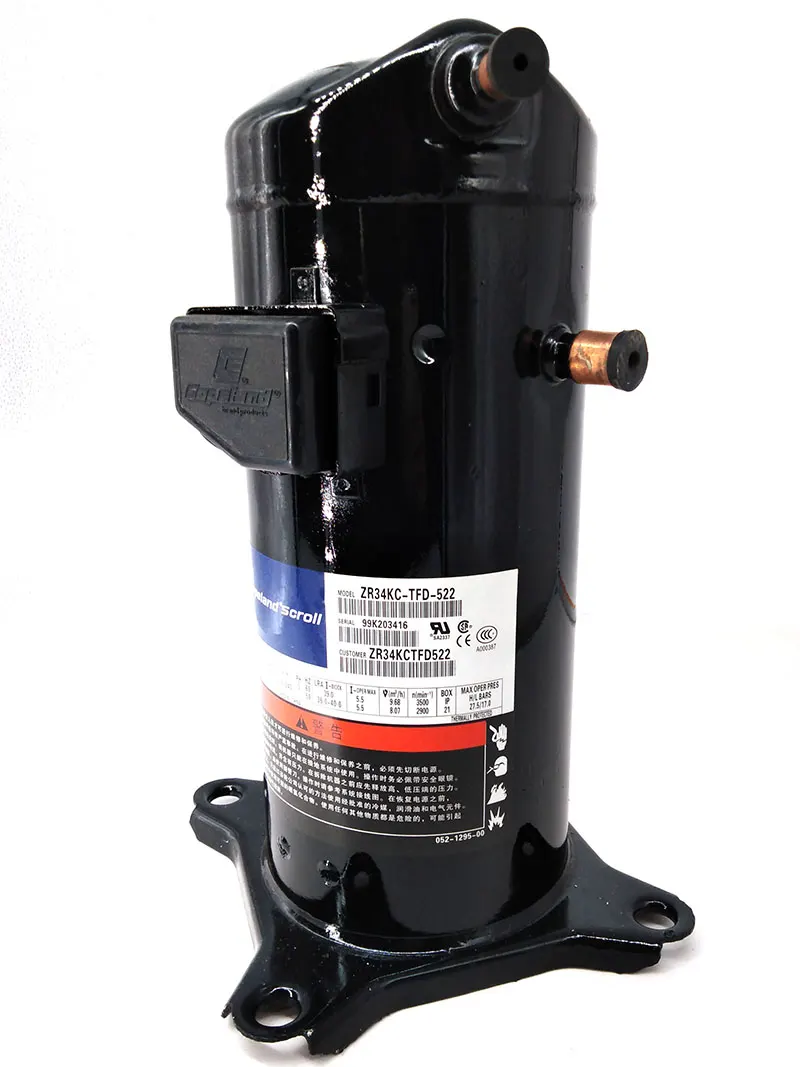
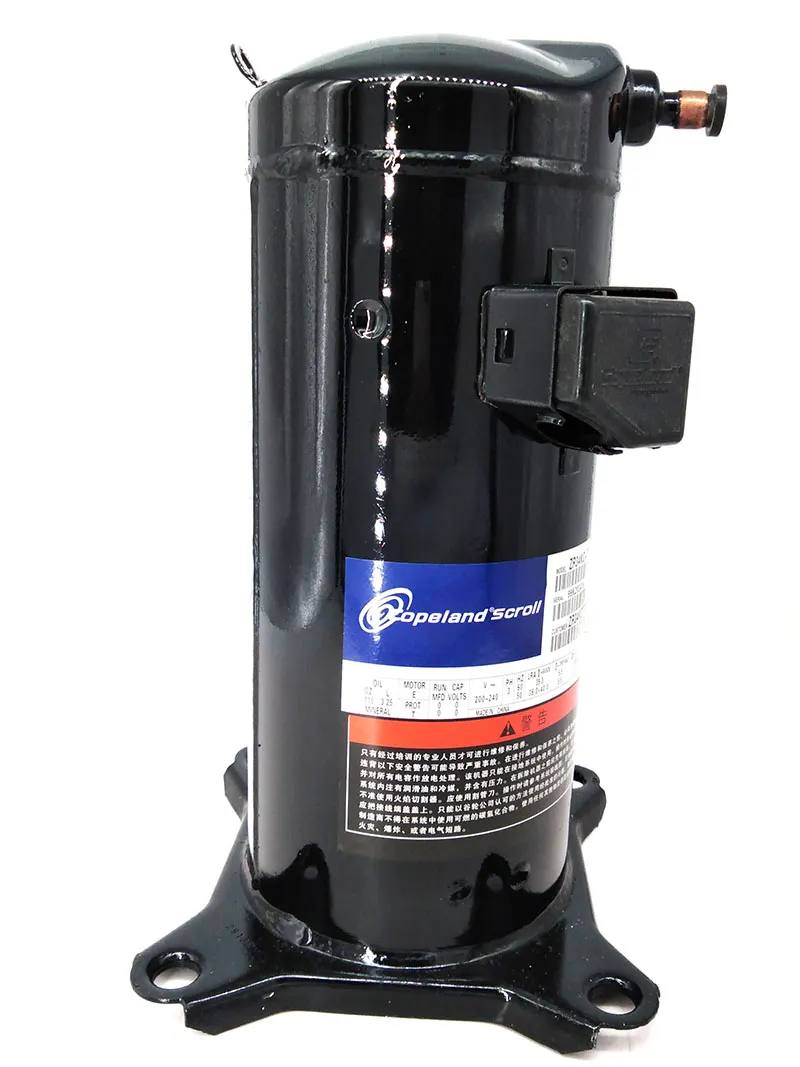
Compressor Cross Reference Guide for Refrigerator, Cold Room, and AC Replacement Jobs
A practical compressor cross reference guide for comparing replacement models by refrigerant, voltage, frequency, capacity, and mounting style.
When a compressor fails, the replacement decision usually has to be made quickly. For distributors, service contractors, and cold-room installers, the challenge is not just finding a compressor in stock. It is finding a model that matches the application, refrigerant, electrical supply, cooling duty, and physical layout closely enough to protect system performance and avoid a callback.
A good compressor cross reference guide helps narrow that choice. It does not mean one model is automatically identical to another. It means comparing the critical selection points that determine whether a refrigerator, cold room, or air-conditioning system can run safely and efficiently after replacement.
This guide explains how to compare old and new compressor models, what details matter most, where cross-reference mistakes happen, and what to include in an RFQ when buying replacement compressors for overseas jobs.
What a compressor cross reference guide is really for
In practical field work, a cross reference is a structured comparison between an existing compressor and possible replacement models from the same brand or another brand. Buyers usually use it in one of three situations:
- The original model is discontinued
- The original brand is unavailable in the destination market
- A buyer wants a compatible alternative with different lead time, price, or origin
The goal is not to match the label alone. The goal is to preserve system compatibility.
A proper compressor replacement chart should help users compare:
- Application type
- Refrigerant
- Voltage and frequency
- Cooling capacity range
- Compressor type
- Starting method and motor configuration
- Mounting dimensions and connection layout
- Oil type and basic system compatibility
For overseas buyers, this matters even more because a compressor that looks similar on paper may not suit local power supply, refrigerant regulations, or common service practices in the destination country.
The key points to compare before choosing a replacement compressor
1. Application comes before brand
Start with the job type, not the brand name.
A replacement compressor for a domestic refrigerator, a medium-temperature display cabinet, a low-temperature cold room, and a split AC condensing unit may all be very different even if their capacities appear close.
Typical application groups include:
- Household refrigeration: refrigerators, freezers, beverage coolers
- Commercial refrigeration: cabinets, upright chillers, bottle coolers, merchandisers
- Cold room systems: medium-temp and low-temp condensing units, storage rooms, freezer rooms
- Air conditioning: residential split systems, light commercial package systems, ducted or rooftop units
Application affects operating conditions such as suction temperature, condensing temperature, pull-down load, and run cycle. A refrigeration compressor equivalent must be suitable for the same duty range, not just similar in horsepower.
2. Refrigerant must match or be approved for the system
Refrigerant is one of the first filters in any compressor model comparison.
Common replacement mistakes happen when a buyer assumes compressors can be swapped freely across refrigerants. They cannot. The compressor must be suitable for the refrigerant already in the system, or the entire retrofit plan must be technically valid.
Check:
- Refrigerant type used by the original system
- Whether the candidate compressor is designed for that refrigerant family
- Oil compatibility
- Pressure and temperature operating range
- Any valve, expansion device, or control adjustments needed if a refrigerant conversion is planned
For example, a cold room compressor selected for one refrigerant may not be a safe drop-in replacement for another without wider system changes. The same applies to air conditioning compressor replacement jobs where motor cooling, discharge temperature, and oil selection can become critical.
3. Voltage, phase, and frequency are non-negotiable
Always confirm the power supply at site.
A compressor may be available in several motor versions, and model codes do not always make that obvious to every buyer. Matching only the nominal voltage is not enough.
Check:
- Voltage
- Phase: single-phase or three-phase
- Frequency: 50 Hz or 60 Hz
- Starting components or control requirements
This is especially important in export markets. A model suitable for 220 to 240V at 50 Hz may not be the correct replacement for a 208 to 230V at 60 Hz installation. Even if it starts, performance and reliability may not be acceptable.
For distributors handling mixed export orders, electrical mismatch is one of the most avoidable causes of replacement failure.
4. Capacity should be matched by operating condition, not by label only
Horsepower is useful, but it is not enough for cross reference.
Two compressors with similar nominal horsepower may deliver different capacities depending on evaporating temperature, condensing temperature, refrigerant, and motor design. In refrigeration work, low back pressure and medium back pressure applications can change the selection significantly.
When reviewing a compressor compatibility request, compare:
- Rated application range
- Cooling capacity at relevant operating conditions
- Motor input and running current
- Displacement when available
- Expected duty in high ambient conditions
This matters in cold room compressor replacement jobs because undersizing can lead to long pull-down times and high product temperature, while oversizing can create control instability, short cycling, and system stress.
5. Compressor type and mounting style must fit the equipment
Even when capacity and refrigerant align, the replacement must fit physically and mechanically.
Common compressor categories include:
- Hermetic reciprocating compressors
- Rotary compressors
- Scroll compressors
- Semi-hermetic compressors
Then review the installation details:
- Mounting foot pattern
- Overall shell size and height
- Suction and discharge connection position
- Service valve arrangement where applicable
- Base grommets or vibration mounting
- Space inside the condensing unit or cabinet
A replacement that requires major piping rework may still be viable, but buyers should know that before ordering. For service teams working under time pressure, mounting mismatch can turn a same-day repair into a delayed job.
How to use a multi-brand compressor replacement chart
A neutral cross-reference process is especially useful when buyers source across several domestic and international brands. Instead of asking whether Model A equals Model B, compare in layers.
Step 1: Identify the original compressor completely
Collect the full data from the nameplate and system:
- Brand
n- Full model number
- Refrigerant
- Voltage, phase, frequency
- Application type
- Equipment model if available
- Compressor type
If the label is damaged, use the condensing unit model, equipment serial information, wiring diagram, or old purchasing records.
Step 2: Confirm the operating duty
For replacement accuracy, ask what the compressor is actually doing:
- Refrigerator or freezer?
- Medium-temp or low-temp cold room?
- Air-conditioning cooling only, or heat pump system?
- Capillary tube or expansion valve system?
- Ambient conditions in the destination market?
This prevents a common error: selecting by shell size or horsepower while ignoring the actual evaporating temperature range.
Step 3: Build a shortlist by refrigerant and electrical data
Before comparing capacity, remove any options that do not match:
- Refrigerant family
- Voltage
- Phase
- Frequency
This is the fastest way to narrow a broad product range to plausible candidates.
Step 4: Compare performance range and physical fit
Now review:
- Capacity at expected conditions
- Current draw and starting characteristics
- Connection size and position
- Mounting pattern
- Oil type and system suitability
At this stage, a buyer may find more than one acceptable alternative. That is normal. One model may be closer in physical fit, while another may be easier to source in bulk.
Step 5: Check accessories and installation impact
Do not treat the compressor as a standalone item.
Ask whether the replacement also requires:
- Start relay, capacitor, or protector
- Crankcase heater
- Sight glass or oil management items in larger systems
- Different mounting kit
- Adapted piping connections
- Filter drier replacement and system clean-up after burnout
A compressor cross reference guide is strongest when it supports the full replacement package rather than only the compressor shell.
Practical cross-reference examples by application
The examples below show how buyers typically approach model comparison across major brands. They are selection scenarios, not one-to-one guaranteed substitutions.
Refrigerator and freezer replacement
A service buyer may need to replace a small hermetic compressor in a bottle cooler or upright freezer. The original unit may no longer be available locally.
In this case, compare:
- Refrigerant used in the original cabinet
- Medium-temp or low-temp duty
- Motor voltage and frequency
- Starting method for the existing control setup
- Suction and discharge tube position
- Base dimensions inside the machine compartment
A similar-capacity hermetic compressor from another major brand may be a workable option if the refrigerant, duty range, and electrical specifications align. Tube orientation and mount spacing often decide whether the replacement is field-friendly.
Cold room condensing unit replacement
For medium-temperature and low-temperature cold rooms, cross reference becomes more sensitive because operating conditions are wider and installation loads are heavier.
Important checks include:
- Application temperature range
- Refrigerant compatibility
- Condensing unit power supply
- Compressor displacement or rated capacity at target conditions
- Oil return expectations in the existing piping layout
- Starting characteristics under load
A cold room compressor replacement should also consider destination climate. In high ambient markets, a marginally sized replacement can become a performance problem very quickly.
Air-conditioning compressor replacement
For residential or light commercial AC systems, many buyers focus first on tonnage or horsepower. That is a start, but not enough.
A proper air conditioning compressor replacement review should compare:
- Refrigerant and oil compatibility
- Voltage, phase, and frequency
- Compressor type, such as rotary or scroll
- Cooling capacity range under expected conditions
- Mounting layout and connection orientation
- Start-up requirements and protection controls
In AC work, one of the biggest field issues is assuming that a physically similar compressor is automatically compatible with the outdoor unit design and control arrangement.
What distributors, repair teams, and installers should pay attention to
For spare parts distributors
Distributors benefit from creating a standard intake process for cross-reference requests. The more complete the request, the faster the quotation and the lower the risk of returns.
Best practice:
- Request photos of the nameplate and full unit
- Ask for refrigerant and site power supply on every inquiry
- Confirm whether the buyer wants direct replacement or acceptable alternative
- Clarify quantity, destination country, and timing
For service and repair companies
Replacement success depends on both selection and installation.
Field teams should verify:
- The cause of compressor failure
- System cleanliness after burnout
- Whether controls and starting components are still serviceable
- Whether piping modification is acceptable on site
A correct model can still fail early if the root cause is not fixed.
For refrigeration engineering installers
Installers handling larger cold rooms or packaged systems should be careful with application envelopes and site conditions. A replacement that works in a moderate climate may not perform the same way in a hot coastal environment or under heavy pull-down conditions.
Where possible, review the full condensing unit and evaporator match rather than treating the compressor as an isolated spare part.
RFQ checklist for overseas compressor replacement orders
A strong RFQ saves time for both buyer and supplier. It also improves the quality of the cross-reference result.
Include the following in your inquiry:
- Original compressor brand and full model number
- Application: refrigerator, freezer, cold room, AC, or other
- Refrigerant
- Voltage, phase, and frequency
- Required capacity or original system size
- Compressor type: hermetic, rotary, scroll, semi-hermetic
- Mounting style or base dimensions
- Suction and discharge connection size and position if known
- Photos of nameplate and installed compressor
- Quantity required
- Destination country and port
- Preferred brands, if any
- Whether you need direct equivalent only or multi-brand alternatives
- Whether replacement accessories are also needed
If the original model is obsolete or unreadable, add:
- Equipment brand and model
- Cooling application temperature
- Ambient conditions at site
- Any known refrigerant retrofit history
A complete RFQ helps suppliers provide a practical compressor replacement chart or shortlist instead of sending a broad catalog that still leaves the decision unclear.
Final takeaway
A useful compressor cross reference guide is not just a list of model numbers. It is a decision tool built around application, refrigerant, electrical compatibility, capacity, and mounting fit.
For refrigerator, cold room, and AC replacement jobs, the safest approach is to compare the old and new compressor in layers: duty, refrigerant, power supply, performance range, and physical installation. That process reduces ordering mistakes, shortens downtime, and gives distributors and service buyers a clearer path when the original compressor is unavailable.
When a replacement inquiry includes full technical details and site conditions, cross-reference becomes faster, more accurate, and more useful for everyone in the supply chain.
FAQ
What is the most important factor in compressor cross reference?
Application is the starting point. Before comparing brands or model numbers, confirm whether the compressor is for a refrigerator, freezer, cold room, or air-conditioning system, then match refrigerant, electrical supply, and capacity at the correct operating conditions.
Can I replace a compressor with a different brand?
Yes, if the replacement is genuinely compatible. The new compressor should match the original application, refrigerant, voltage, phase, frequency, capacity range, compressor type, and mounting arrangement. Brand alone does not determine compatibility.
Why is frequency important in compressor replacement?
Frequency affects motor speed and operating performance. A compressor designed for 50 Hz may not be a suitable replacement in a 60 Hz market, even if the voltage appears similar. Always confirm voltage, phase, and frequency together.
What should be included in an RFQ for compressor replacement?
Include the original model number, refrigerant, voltage, phase, frequency, application, compressor type, mounting details, photos of the nameplate, quantity, destination country, and whether you need a direct replacement or acceptable alternatives.
Buyer Next Step
Move from research to sourcing with a category shortlist, relevant product examples, and a quote request channel.