Refrigerator Compressor Replacement Guide: How to Match Model, Refrigerant, Voltage, and Capacity
A practical refrigerator compressor replacement guide covering model decoding, refrigerant, voltage, capacity, and the main compatibility risks for buyers and technicians.
Replacing a refrigerator compressor is not just a matter of finding a unit that looks similar or has the same mounting pattern. A correct replacement depends on several linked factors: the original model code, refrigerant type, electrical data, cooling capacity, application range, and the physical details that affect installation.
For technicians, the wrong choice can lead to hard starting, overheating, poor pull-down, high energy use, repeated failures, or a callback that costs more than the repair. For parts distributors and resellers, inaccurate substitutions create returns, warranty disputes, and lost customer confidence. This is why a reliable refrigerator compressor replacement guide starts with compatibility, not price.
This article explains how to match a replacement compressor step by step, what to read on the nameplate, where substitutions become risky, and what service teams and spare-parts buyers should verify before ordering.
Start with the original compressor nameplate
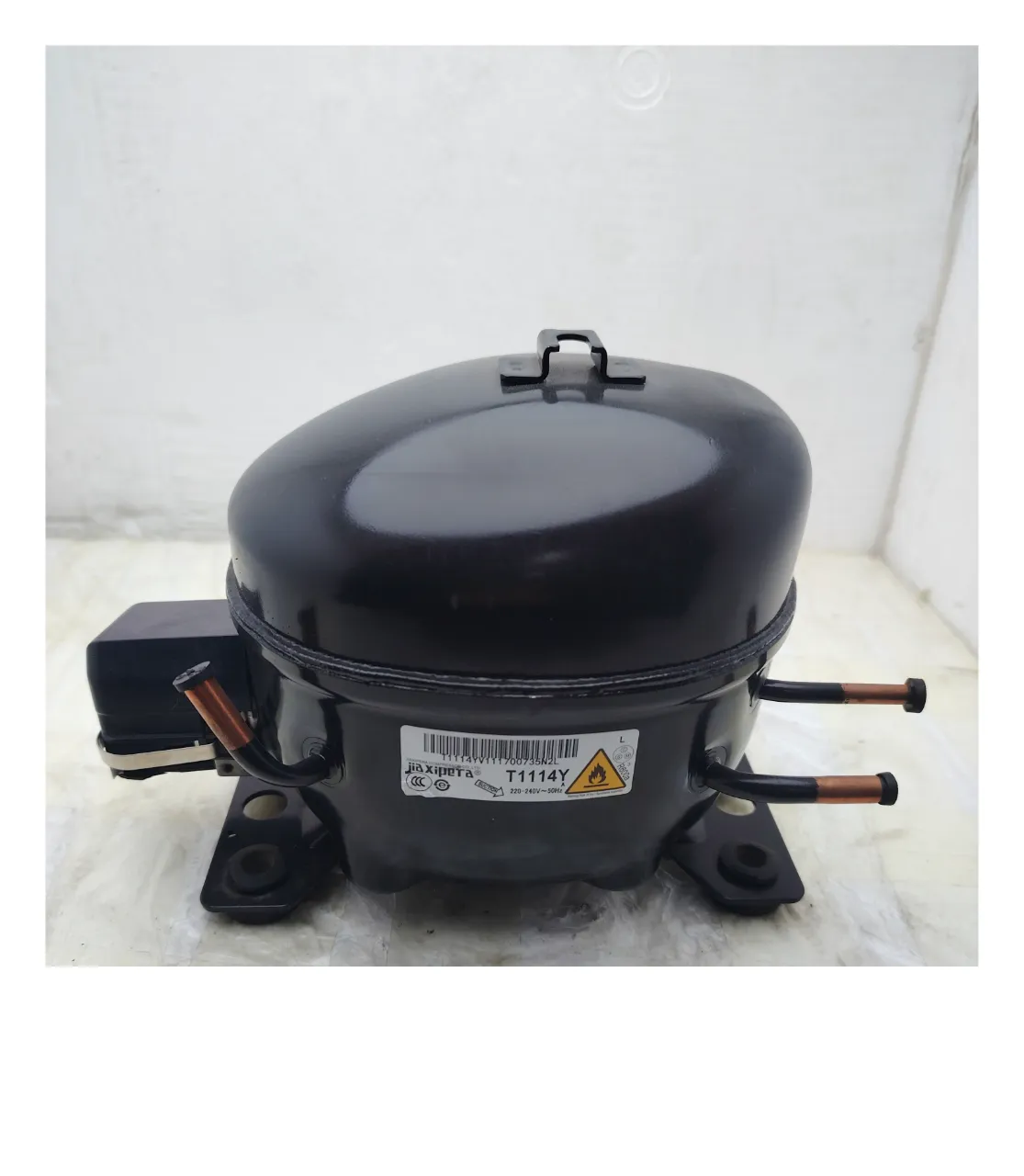
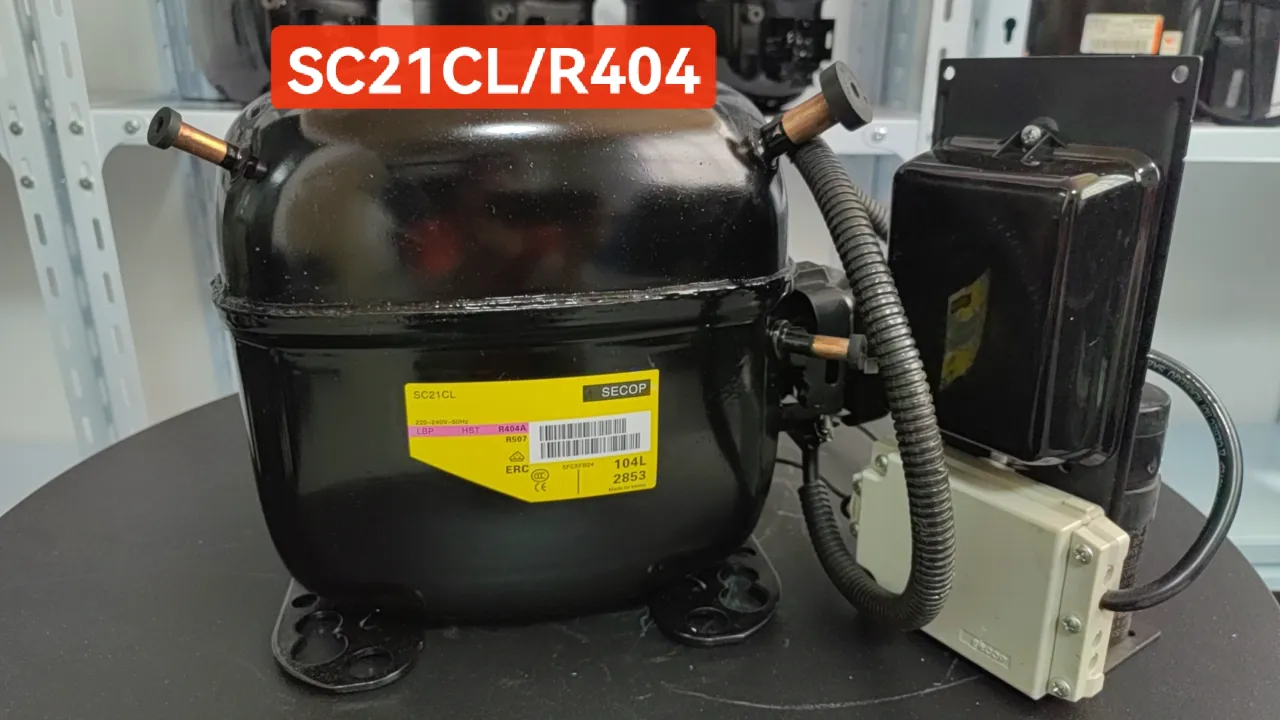
The compressor nameplate is the first and most important reference point. If the original unit is still installed, collect every marking before removing it. If the compressor is missing or unreadable, use the refrigerator model data and service documentation if available.
Key data to record
Capture the following information from the original compressor:
- Compressor model number
- Refrigerant type
- Voltage
- Frequency
- Phase
- Input power or rated current
- Application type, if indicated
- LRA or starting data, if indicated
- Date code or production series, if relevant for cross reference
A full model code often contains more information than many buyers expect. In hermetic refrigerator compressors, suffixes and letter groups may indicate motor version, electrical configuration, refrigerant family, mounting style, or application range. Two compressors with very similar base model numbers may not be interchangeable if their suffixes differ.
Why the model number alone is not always enough
A compressor model cross reference is useful, but it should never be the only check. Manufacturers sometimes update model codes, discontinue old series, or approve replacement options that depend on refrigerant and local power supply. In aftermarket distribution, many ordering errors happen because someone matches only the visible model prefix and ignores the rest of the code.
When handling a fridge compressor replacement inquiry, treat the model number as the starting point, then verify the operating conditions.
Match refrigerant first, then check oil and system suitability
Refrigerant compatibility is one of the biggest non-negotiable points in refrigerator compressor replacement. A compressor designed for one refrigerant may not perform correctly or safely with another, even if the physical size and capacity seem close.
Do not assume refrigerants are interchangeable
Common domestic and light commercial refrigerator systems may use different refrigerants depending on market, product age, and design. A replacement compressor must be approved for the refrigerant used in the system. This matters because refrigerant choice affects:
- Compression ratio
- Discharge temperature
- Motor loading
- Oil compatibility
- Mass flow characteristics
- Starting behavior
- Overall efficiency
Installing a compressor for the wrong refrigerant can result in poor cooling, excessive amp draw, lubrication problems, and shortened life.
Oil compatibility matters during replacement
Even where technicians focus on refrigerant, oil type also deserves attention. Compressor oil must be compatible with the refrigerant and with the intended application. If a replacement involves a refrigerant change or a retrofit situation, oil management becomes even more important.
For service companies and resellers, the safe rule is simple: match the compressor to the refrigerant actually used in the system, and confirm the approved oil type from the compressor specification. If there is any doubt, do not rely on visual similarity or informal substitution habits.
Pay attention to application range
Not every refrigerator compressor is intended for the same evaporating temperature range. A domestic refrigerator compressor, a beverage cooler compressor, and a low-temperature freezer compressor may have different performance envelopes even when they share similar electrical ratings.
Check whether the replacement is intended for:
- Medium back pressure applications
- Low back pressure applications
- Domestic refrigeration
- Commercial refrigeration
- Freezer duty
A mismatch here often causes underperformance or overheating. The compressor may run, but not within its designed operating map.
Match voltage, frequency, phase, and starting components
Electrical matching is just as important as refrigerant compatibility. Many refrigerator compressor failures after replacement are actually application mismatches caused by incorrect voltage or unsuitable starting components.
Verify the electrical supply exactly
Confirm all of the following:
- Nominal voltage
- Frequency, such as 50 Hz or 60 Hz
- Single-phase or three-phase design
- Rated current and starting current considerations
A 220-240V 50Hz compressor is not automatically interchangeable with a 220V 60Hz version. Frequency affects motor speed and performance. In export markets, this point is especially important because the same refrigerator cabinet may be sold into regions with different power standards.
Check relay, overload protector, and capacitor requirements
With hermetic refrigerator compressor replacement, technicians sometimes focus on the shell unit and forget the starting package. Depending on the compressor design, the replacement may require:
- A specific start relay type
- A matching overload protector
- A run capacitor or start capacitor where applicable
- A dedicated control module in some systems
Reusing old electrical components without checking compatibility can create hard-start conditions, nuisance tripping, or no-start complaints. If the replacement compressor specifies different electrical accessories, follow the compressor maker's requirement rather than assuming the old relay set is suitable.
Watch for locked rotor and starting issues
If the replacement compressor has a different LRA or starting profile, the existing control circuit may not support reliable startup. This is particularly relevant in systems with marginal voltage, long cable runs, or unstable field conditions. For repair teams, this means the electrical match should include both running and starting behavior.
Check cooling capacity and performance, not just shell size
Capacity matching is where many substitutions become risky. Two domestic refrigerator compressors may have similar physical dimensions but different displacement, efficiency, and application performance.
Use capacity as a functional match
A proper replacement should be close to the original compressor's cooling performance under the intended conditions. That includes the expected evaporating temperature, condensing temperature, and refrigerant.
Oversizing or undersizing creates different problems:
If the replacement is too small
- Slow pull-down or inability to reach set temperature
- Long running times
- High thermal stress from continuous operation
- Customer complaints about weak cooling
If the replacement is too large
- Short cycling in some systems
- Poor efficiency
- Potential control instability
- Higher startup stress
- Unbalanced system operation with the existing capillary tube or expansion device
For resellers handling compressor replacement by model number, this is why cross reference should include application capacity, not only mechanical fit.
Consider system design limits
The compressor does not work alone. It must operate with the condenser, evaporator, capillary tube or metering device, and control settings already in the appliance. A replacement that changes mass flow or operating envelope too much may force the rest of the system outside its intended balance.
Where exact OEM replacement is unavailable, the best substitute is the one with the closest approved refrigerant, electrical rating, and performance range for the same application.
Confirm physical fit and installation details before ordering
Even when refrigerant and electrical matching are correct, installation can fail because of overlooked mechanical differences.
Physical checks that matter
Before placing an order, confirm:
- Mounting foot pattern and grommet style
- Suction and discharge tube position
- Process tube location
- Shell height and diameter
- Space around the compressor compartment
- Electrical terminal layout
- Connector style and cover compatibility
A compressor that technically fits the system may still increase labor time if tubing needs excessive rework or if access to terminals becomes difficult.
Sound and vibration can also affect the choice
In domestic and light commercial refrigeration, vibration and noise matter. A substitute with different mounting characteristics may cause customer complaints even when cooling performance is acceptable. Installers should use the correct mounting hardware and avoid transferring stress into the copper lines.
Common substitution risks and a practical replacement checklist
When exact replacement stock is not available, buyers often look for an alternative model. That is normal in aftermarket refrigeration, but substitutions should be controlled, not improvised.
Common substitution risks
The most frequent errors include:
- Matching only the shell size or base model number
- Ignoring refrigerant differences
- Confusing 50 Hz and 60 Hz versions
- Using an unsuitable relay or overload protector
- Replacing a low-temperature compressor with a medium-temperature unit
- Choosing a compressor with noticeably different capacity
- Missing tube orientation and terminal layout issues
These mistakes may not cause immediate failure during installation day. Some show up later as overheating, repeated overload trips, poor product temperature, or shortened service life.
Practical refrigerator compressor replacement checklist
For technicians, distributors, and spare-parts teams, this checklist helps reduce ordering errors:
- Record the full original compressor model number.
- Confirm refrigerant type from the compressor and system label.
- Verify voltage, frequency, and phase.
- Check rated current, startup requirements, and electrical accessories.
- Confirm the application range: domestic, medium temp, low temp, freezer, or similar.
- Compare capacity and operating envelope, not just appearance.
- Check oil compatibility if replacement conditions are not identical.
- Verify mounting pattern, tube layout, shell size, and terminal arrangement.
- Confirm whether the replacement is an approved cross reference or only a general substitute.
- Review the rest of the system for contamination, burnout, restriction, or airflow issues before blaming the compressor alone.
Why system condition still matters
A new compressor will not solve every cooling problem. If the original failure was caused by system contamination, moisture, blocked capillary tube, condenser airflow problems, unstable voltage, or incorrect refrigerant charge, the replacement may fail again. For service contractors, compressor replacement should be part of a full diagnosis, not a standalone swap.
What buyers, distributors, and repair teams should pay attention to
For overseas parts buyers and refrigeration spare-parts distributors, compressor replacement requests often arrive with incomplete data. The fastest way to avoid back-and-forth is to ask for three clear photos upfront:
- Original compressor nameplate
- Refrigerator model label
- Electrical components and terminal area
This makes refrigerator compressor compatibility checks more reliable and helps identify whether the request is for an exact replacement or a workable alternative.
For repair companies, standardizing the replacement intake process can reduce callbacks. For example, build a simple internal form that requires model code, refrigerant, voltage, frequency, and application type before a part is released.
For installers and contractors working on small cold rooms or commercial cabinets using hermetic refrigerator compressor designs, the same rule applies: performance match matters more than visual similarity.
A good replacement is one that fits the system electrically, thermodynamically, and mechanically. When those three areas are verified together, compressor replacement becomes predictable, safer, and more profitable for everyone in the supply chain.
FAQ
Can I replace a refrigerator compressor with a different model number?
Yes, but only if the alternative is a confirmed compatible replacement. The match should include refrigerant, voltage, frequency, phase, application range, capacity, and physical fit. A similar-looking compressor or a close model prefix is not enough.
Why is refrigerant matching so important in compressor replacement?
The compressor is designed around a specific refrigerant's pressure, flow, oil compatibility, and operating temperatures. Using the wrong refrigerant type can lead to poor cooling, overheating, lubrication problems, and premature compressor failure.
Do I need to replace the relay or overload protector with the compressor?
Often, yes. The replacement compressor may require specific starting and protection components. Reusing old relays or overloads without checking compatibility can cause hard starting, tripping, or no-start problems.
What happens if the replacement compressor capacity is too high or too low?
If capacity is too low, the refrigerator may cool slowly or never reach the target temperature. If it is too high, the system can short cycle, run inefficiently, or operate outside the design balance of the existing condenser, evaporator, and metering device.
Buyer Next Step
Move from research to sourcing with a category shortlist, relevant product examples, and a quote request channel.