Scroll vs Reciprocating Compressors for Refrigeration and Air Conditioning: Which Should Buyers Choose?
Compare scroll, hermetic reciprocating, and semi-hermetic compressors by efficiency, noise, serviceability, cost, and the best use cases for HVAC and cold rooms.
Choosing between a scroll compressor and a reciprocating compressor is rarely about which design is universally better. It is about matching the compressor structure to the application, the load profile, and the service expectations.
For buyers in refrigeration and air conditioning, the choice usually comes down to three common options:
- Scroll compressors for quiet, efficient air conditioning and stable medium-duty systems
- Hermetic reciprocating compressors for compact, cost-sensitive refrigeration and A/C applications
- Semi-hermetic reciprocating compressors for commercial refrigeration and systems that need service access
Each type has strengths that matter to distributors, repair teams, installers, and replacement buyers. A compressor that looks cheaper at purchase may cost more in downtime, noise complaints, or labor. A more expensive unit may pay back through easier service or better fit for the duty cycle.
What Each Compressor Type Is Designed to Do
Scroll compressors
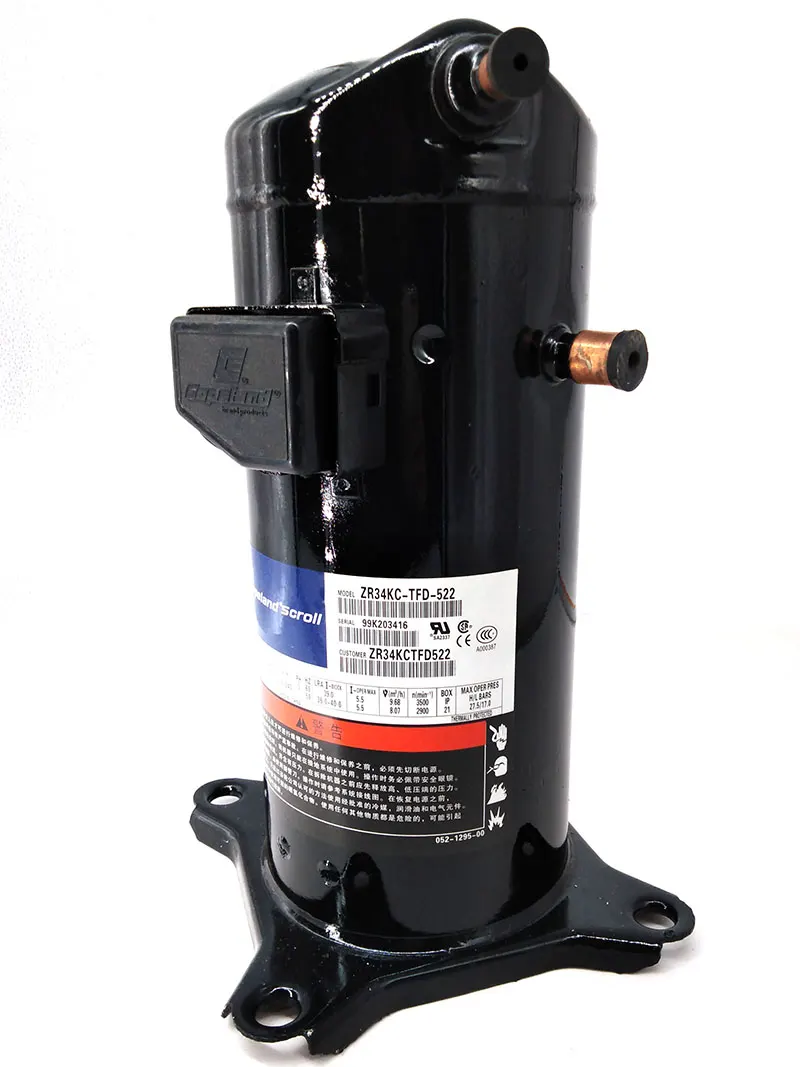
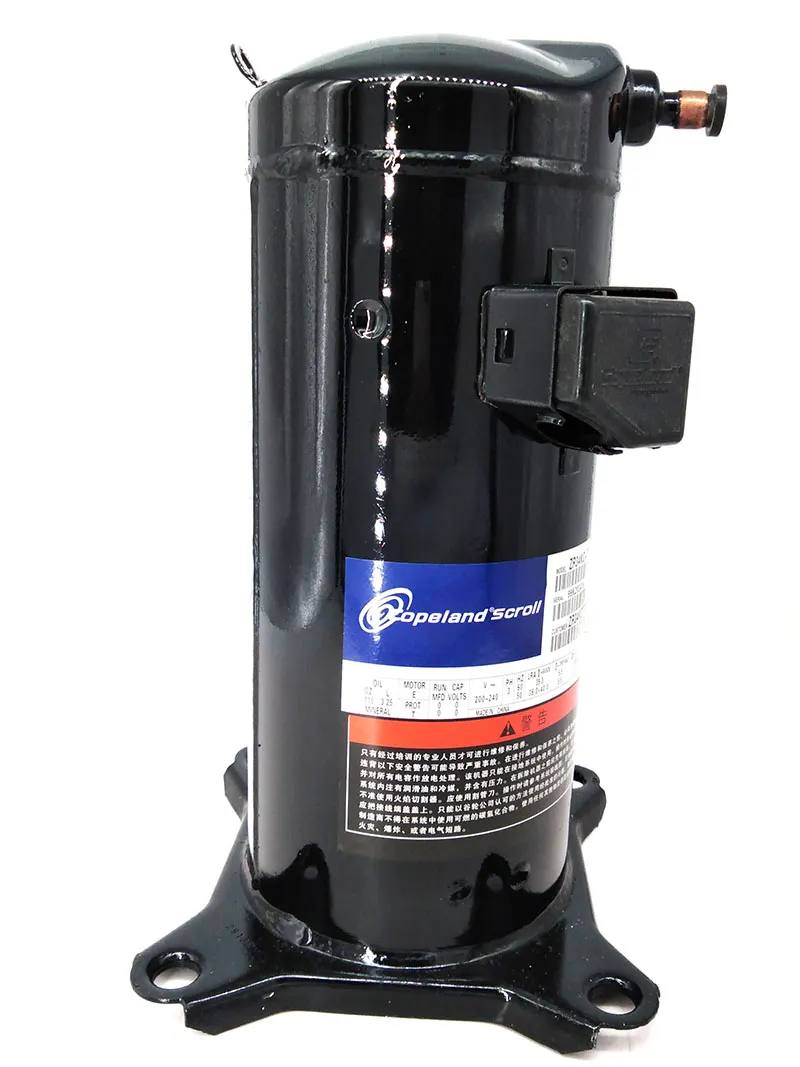
A scroll compressor uses two interleaved spiral elements to compress refrigerant smoothly and continuously. The design has fewer moving parts than a piston compressor, which is one reason scroll units are widely used in modern air conditioning and many commercial cooling systems.
Scroll compressors are typically chosen when buyers want:
- Low noise and low vibration
- Good efficiency under steady operating conditions
- Compact equipment with fewer mechanical wear points
- Reliable performance in HVAC and medium-duty refrigeration
They are especially common in air-conditioning compressor types where quiet operation and consistent performance matter.
Hermetic reciprocating compressors
A hermetic reciprocating compressor uses pistons and cylinders inside a fully sealed shell. The motor and compression mechanism are enclosed together, so the unit is compact and protected from external contamination.
These compressors are often used in:
- Small refrigerators and freezers
- Light commercial refrigeration
- Smaller air-conditioning units
- Replacement applications where cost and availability are important
Hermetic reciprocating compressors are usually selected for straightforward applications where the system size is modest and field repair of the compressor itself is not expected.
Semi-hermetic reciprocating compressors
A semi-hermetic compressor also uses pistons and cylinders, but the housing can be opened for service. That makes it more repairable than a fully hermetic unit and more suitable for commercial refrigeration systems that need maintenance access.
Semi-hermetic reciprocating compressors are often used in:
- Cold rooms
- Walk-in coolers and freezers
- Medium commercial refrigeration racks and condensing units
- Installations where uptime and serviceability matter
For many cold room compressor types, semi-hermetic designs remain a practical choice because technicians can service internal components instead of replacing the entire sealed assembly.
Scroll vs Reciprocating Compressor Refrigeration: The Main Differences
When buyers compare scroll compressor vs reciprocating compressor refrigeration options, the most useful approach is to look at how each design performs in real operating conditions rather than focusing on one feature alone.
Efficiency and operating behavior
Scroll compressors are often favored for steady-load operation. Their compression process is smooth, and that can translate into strong efficiency in many air conditioning and refrigeration systems.
Reciprocating compressors can also perform well, especially in applications with variable or intermittent load demands. Their performance is widely proven across many system types, and the right model can be a very practical solution when the design is matched correctly.
A useful rule is this:
- Scroll: strong choice for stable, continuous-duty cooling
- Reciprocating: strong choice for broader application flexibility and many replacement jobs
Noise and vibration
Noise matters more than many buyers expect, especially for rooftop HVAC units, indoor equipment, hotels, retail spaces, and residential-style installations.
Scroll compressors generally run more quietly and with less vibration than reciprocating designs. That makes them attractive where acoustic comfort is important.
Reciprocating compressors, especially hermetic piston units, tend to be noisier and more mechanically noticeable. Semi-hermetic units are often installed in machine rooms or utility spaces where noise is less of a concern.
Repairability and maintenance
Repairability is one of the biggest differences between the two compressor families.
- Scroll compressors are usually replaced as complete units when they fail. Internal repair is limited in the field.
- Hermetic reciprocating compressors are also usually replaced rather than repaired.
- Semi-hermetic reciprocating compressors offer the strongest serviceability because technicians can often access internal components.
For service companies, this difference matters. A compressor that can be serviced may reduce replacement cost in the long run, but it also requires more technical skill and more time on site.
Cost and procurement
Purchase price is not the full story, but it still shapes buying decisions.
In general:
- Hermetic reciprocating compressors are often the most budget-friendly option for small systems
- Scroll compressors may cost more upfront, but they are often chosen for their performance and acoustic benefits
- Semi-hermetic reciprocating compressors usually sit higher in the cost range because they are built for heavier-duty commercial use and service access
For distributors, cost must be weighed against demand, inventory turnover, and replacement compatibility. For installers, the real cost includes labor, downtime, and system fit.
Availability and replacement flexibility
Availability is important in the spare parts market. Some customers need a compressor quickly because a failed unit has already stopped production, cooling, or comfort service.
Hermetic reciprocating compressors are widely available in many markets because they are common in domestic and light commercial equipment. Scroll compressors are also widely available, especially in HVAC and mid-range commercial systems. Semi-hermetic reciprocating compressors are common in commercial refrigeration, though the exact model match may matter more because replacement often needs closer attention to displacement, refrigerant, voltage, and application.
For replacement buyers, the best option is not always the one with the broadest category. It is the one that matches the system and can be installed with minimal risk.
Which Compressor Fits Which Application?
The right answer depends on the cooling task, not just the compressor label.
Air conditioning systems
For many air conditioning compressor types, scroll compressors are a leading choice because they combine smooth operation with good efficiency and lower noise.
Hermetic reciprocating compressors still have a place in smaller or lower-cost systems, especially where compactness and easy replacement matter more than acoustic performance.
In practical terms:
- Scroll is often preferred for comfort cooling, packaged units, and many commercial A/C systems
- Hermetic reciprocating is common in smaller A/C and light-duty applications
Cold rooms and commercial refrigeration
For cold rooms, the decision often shifts toward serviceability and load handling.
Semi-hermetic reciprocating compressors are widely used in cold-room and commercial refrigeration systems because they can handle demanding duty cycles and offer a service path if problems occur.
Scroll compressors may also be used in some commercial cooling applications, especially where quiet operation or efficient running is a priority, but the system design must be suitable.
Hermetic reciprocating compressors are more common in smaller refrigerated cabinets, reach-in equipment, and lighter refrigeration loads.
Repair and replacement work
Replacement buyers usually care about three things: fit, lead time, and risk.
For repair teams and distributors, the best compressor is the one that keeps the system operating without creating a second problem.
Consider:
- Mounting and footprint
- Refrigerant compatibility
- Electrical requirements
- Capacity match
- Oil type and system design
- Whether the unit is replacing a scroll, hermetic piston, or semi-hermetic piston compressor
A compressor swap is rarely just a part-number decision. It is a system decision.
How Buyers Can Choose More Confidently
If you are a distributor, installer, or service company, use the following checklist when comparing scroll, hermetic reciprocating, and semi-hermetic options.
Choose a scroll compressor when:
- Low noise is important
- The system has steady operating conditions
- The application is in HVAC or medium-duty cooling
- You want compact equipment with fewer moving parts
- Field repair is less important than replacement simplicity
Choose a hermetic reciprocating compressor when:
- The system is small or light commercial
- Budget and availability matter
- The application is straightforward
- The equipment is likely to be replaced rather than repaired
- Space is limited
Choose a semi-hermetic reciprocating compressor when:
- The system serves a cold room, walk-in, or commercial refrigeration load
- Maintenance access is important
- Uptime matters and serviceability is valued
- You need a compressor structure suitable for more demanding commercial use
- The installation is part of a larger refrigeration plant or condensing unit
Practical Buying Notes for Overseas Customers
Overseas buyers often work across different voltage standards, refrigerants, climates, and service networks. That makes compressor selection more than a product comparison.
Before placing an order, confirm:
- Compressor type and structural design
- Refrigerant match
- Voltage and frequency
- Capacity requirement for the actual application
- Whether the system needs quiet operation, easy replacement, or field service
- Spare parts support and local technical familiarity
For distributors, stock planning also matters. Keeping a mix of scroll and reciprocating compressor categories can help cover both HVAC and refrigeration demand. For repair companies, broad compatibility and quick sourcing are often more valuable than standardizing on one compressor family.
The best compressor choice is usually the one that fits the system’s duty, the customer’s service expectations, and the reality of local replacement supply.
Bottom Line
The scroll compressor is often the best fit for quiet, efficient, steady-duty cooling, especially in air conditioning. The hermetic reciprocating compressor remains a practical option for compact and cost-sensitive applications. The semi-hermetic reciprocating compressor stands out where serviceability and commercial refrigeration performance matter most.
For scroll compressor vs reciprocating compressor refrigeration decisions, the right answer is rarely about one winner. It is about choosing the compressor structure that best supports the application, the installer, and the end user over the full life of the system.
FAQ
Is a scroll compressor better than a reciprocating compressor for refrigeration?
Not always. Scroll compressors are often better for quiet, steady-duty cooling and many A/C systems, while reciprocating compressors can be a better fit for small systems, cold rooms, and serviceable commercial applications.
What is the main difference between hermetic and semi-hermetic compressors?
A hermetic compressor is fully sealed and usually replaced as a unit if it fails. A semi-hermetic compressor can be opened for service, which makes it more repairable and common in commercial refrigeration.
Which compressor type is most common for cold rooms?
Semi-hermetic reciprocating compressors are widely used in cold rooms because they suit commercial loads and allow service access. Scroll compressors may also be used in some applications, depending on system design.
Are scroll compressors quieter than reciprocating compressors?
Yes, scroll compressors are generally quieter and produce less vibration than reciprocating compressors, which is one reason they are widely used in air conditioning.
Buyer Next Step
Move from research to sourcing with a category shortlist, relevant product examples, and a quote request channel.