Semi-Hermetic vs Scroll Compressor: Which Is Better for Cold Rooms and Commercial Refrigeration?
Compare semi-hermetic and scroll compressors for cold rooms and commercial refrigeration, with practical guidance on repairability, efficiency, noise, capacity, and service decisions.
Cold-room buyers and service teams often compare compressor brands, but the bigger decision usually comes earlier: which compressor architecture fits the job best. In commercial refrigeration, the choice between a semi-hermetic compressor and a scroll compressor affects installation design, maintenance planning, spare-parts strategy, and long-term operating cost.
There is no universal winner. A scroll compressor can be an excellent fit for compact, quieter systems with straightforward replacement needs. A semi-hermetic compressor can be the stronger choice where serviceability, rebuild options, and broader duty flexibility matter more than simplicity.
For distributors, repair companies, and refrigeration contractors, the practical question is not just which compressor is better in theory. It is which type performs better in a specific cold room, condensing unit, rack, or commercial refrigeration system when real-world service conditions are taken into account.
Semi-Hermetic vs Scroll Compressor: The Core Difference
A semi-hermetic compressor has a sealed housing that can be opened for service. Internal components such as valves, pistons, gaskets, and motor parts may be inspected or replaced, depending on model and damage level. In refrigeration, this design is often associated with reciprocating compressors, though semi-hermetic screw designs also exist in larger systems.
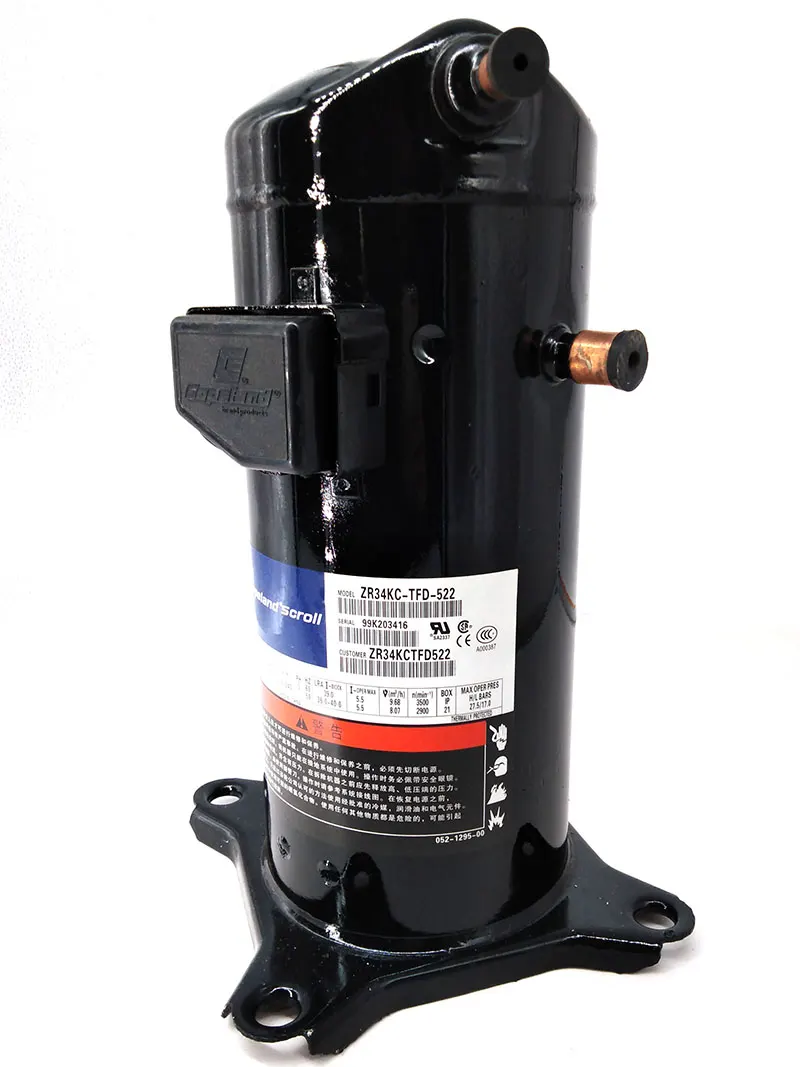
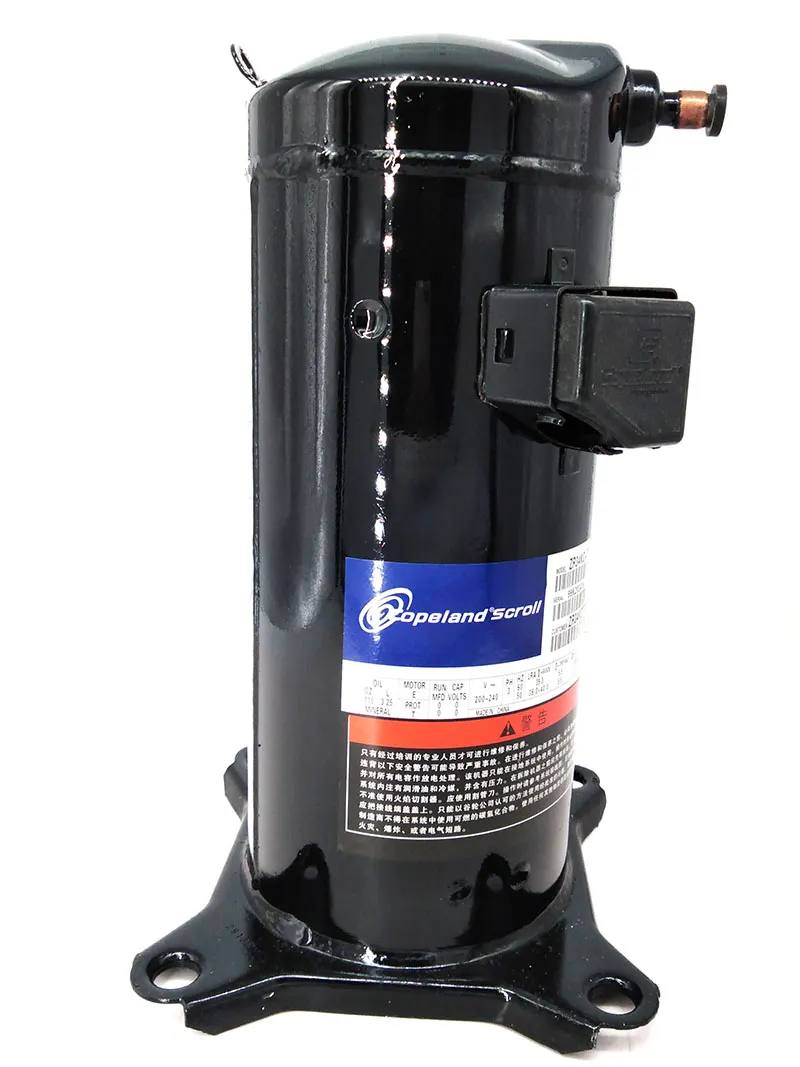
A scroll compressor compresses refrigerant using two interleaved scrolls, usually in a fully welded shell. In most field situations, scroll compressors are treated as replace rather than rebuild units. If they fail internally, the common service route is compressor replacement rather than teardown repair.
That basic design difference drives many of the buying and service outcomes:
- Semi-hermetic: serviceable, rebuildable in many cases, common in demanding commercial refrigeration duty
- Scroll: compact, quiet, simple to install, often favored where replacement speed and lower vibration are priorities
For overseas buyers, this matters because compressor choice also affects inventory planning, after-sales support, and parts stocking discipline.
Repairability and Service Strategy: Where Semi-Hermetic Often Leads
For many contractors and refrigeration repair businesses, repairability is the single biggest difference in the semi hermetic vs scroll compressor debate.
Why semi-hermetic compressors are attractive for service teams
A semi-hermetic compressor is designed with field service in mind. If a unit develops valve damage, wear, or certain mechanical faults, technicians may be able to repair it instead of replacing the entire compressor. This can be valuable when:
- the compressor is large or expensive to replace
- local lead times are long
- the installation is in a critical cold room where downtime is costly
- the customer prefers overhaul over full replacement
- spare parts and skilled technicians are available in the market
That serviceability is especially important in commercial refrigeration where equipment may run continuously and where operators want to extend asset life.
Why scroll compressors are often replaced, not repaired
Scroll compressors are popular because they are mechanically simple from the installer’s point of view. But when internal failure occurs, field repair is usually limited. In practice, many service companies treat scroll units as sealed assemblies.
That can be an advantage or a drawback depending on the situation.
Advantages of the replace approach:
- fast decision-making in the field
- predictable labor scope
- less need for internal compressor rebuild skill
- cleaner service process in some failure cases
Disadvantages:
- full replacement cost can be higher than targeted repair
- stock availability becomes critical
- major failure can create more disruption if no direct replacement is on hand
For distributors, this leads to a practical distinction: semi-hermetic systems often support a parts business, while scroll systems often depend more heavily on complete compressor availability.
Efficiency, Noise, and Day-to-Day Operation
Efficiency is one of the main reasons buyers consider scroll compressors, but the real comparison depends on operating conditions, system design, and load profile.
Scroll compressors and efficient compact systems
Scroll compressors are widely valued for smooth compression, fewer moving parts than reciprocating designs, and generally quiet operation. In many commercial applications, that makes them attractive for:
- small to medium cold rooms
- rooftop or packaged condensing units
- installations near occupied spaces
- projects where compact footprint matters
Their lower vibration and quieter performance can be a meaningful advantage in restaurants, retail back rooms, foodservice sites, and light commercial refrigeration.
Semi-hermetic compressors in demanding refrigeration duty
Semi-hermetic reciprocating compressors remain a strong choice in refrigeration because they are proven in a wide range of suction temperatures and system configurations. They may not always be the first choice when low noise is the top priority, but they often remain preferred where operators value:
- robust construction
- established service procedures
- flexibility in commercial and industrial-style installations
- confidence in maintainability over time
In cold rooms and freezer rooms, real operating efficiency depends on more than compressor type alone. Refrigerant choice, condensing temperature, evaporating temperature, control strategy, pipework design, defrost management, and condenser cleanliness all influence energy use.
A buyer comparing compressor architectures should avoid assuming that one technology is always more efficient in every refrigeration scenario. The better question is whether the specific compressor model and system design match the load and temperature range of the application.
Capacity Range and Best-Fit Applications
Capacity range is where compressor architecture often becomes a commercial decision rather than a purely technical one.
Where scroll compressors fit well
Scroll compressors are commonly selected for small to medium commercial refrigeration capacities, especially where a packaged solution is preferred. They are often suitable for:
- small walk-in cold rooms
- beverage and food storage rooms
- restaurant refrigeration applications
- compact condensing units
- applications where low noise and simple installation are priorities
For installers, scroll units can simplify project execution when the goal is a clean, space-saving replacement.
Where semi-hermetic compressors fit better
Semi-hermetic compressors are often favored in heavier-duty and broader-capacity commercial refrigeration applications, particularly where the end user expects long service life and field repair options. They are frequently considered for:
- medium and large cold rooms
- freezer rooms
- multi-evaporator commercial systems
- applications with tougher operating conditions
- sites where service access and rebuild capability matter
Distributors also tend to see semi-hermetic compressors in markets where technicians are accustomed to overhaul work and where end users prefer repairable equipment rather than sealed replacement units.
For cold rooms, system matching matters more than labels
When evaluating a cold room scroll compressor versus a semi-hermetic option, buyers should focus on:
- room temperature requirement
- pull-down performance expectations
- daily door-opening frequency
- ambient operating conditions
- electrical supply stability
- local technician skill level
- replacement lead time and spare-parts access
A cold room in a busy food distribution environment may demand a different compressor strategy than a lightly loaded storage room at a retail site.
Spare Parts Availability and After-Sales Planning
For overseas customers, spare-parts availability is often just as important as compressor purchase price.
Semi-hermetic compressors support a parts ecosystem
Because semi-hermetic compressors can be serviced internally, buyers may need access to parts such as:
- gasket sets
- valve plates
- pistons and rings
- oil components
- terminal parts
- motor protection accessories
This creates opportunities and responsibilities for both distributors and service companies. If the local market has trained technicians and parts support, semi-hermetic equipment can offer strong long-term value.
But if internal parts are difficult to source locally, the repairability advantage may be reduced in practice.
Scroll compressors depend more on model availability
With scroll compressors, after-sales support often centers on:
- exact replacement model matching
- refrigerant compatibility
- electrical compatibility
- mounting and pipe connection fit
- rapid delivery for breakdown situations
That means distributors serving scroll-heavy markets should pay close attention to interchange planning and replacement stock depth. A sealed compressor may be simple to swap, but only if the correct replacement is available quickly.
What buyers should ask before ordering
Whether choosing semi-hermetic or scroll, these questions help prevent after-sales problems:
- Is this compressor intended for medium-temperature or low-temperature refrigeration duty?
- Are replacement units or internal spare parts readily available in the destination market?
- Can local technicians diagnose and service this compressor type confidently?
- What is the realistic downtime if the compressor fails?
- Is the customer more sensitive to repair cost, replacement speed, or operating noise?
These points are often more commercially important than headline brochure comparisons.
Which Is Better for Contractors, Distributors, and Cold-Room Installers?
The best choice depends on who is making the decision and what kind of support model they operate.
For contractors and installers
A scroll compressor may be the better fit when the project calls for:
- compact equipment layout
- quieter operation
- fast installation
- straightforward replacement planning
- smaller commercial cold-room applications
A semi-hermetic compressor may be better when the project needs:
- stronger serviceability
- wider comfort with field repair
- duty suited to more demanding refrigeration work
- customer preference for long-term maintainability
For refrigeration repair companies
Repair-focused businesses often value semi-hermetic compressors because they create more service options after installation. Instead of only replacing failed compressors, technicians may be able to diagnose and repair internal issues when economically justified.
That said, many repair companies also appreciate scroll compressors in locations where downtime must be minimized and replacement stock is readily available.
For distributors and replacement buyers
Distributors should think beyond the initial sale. The right product mix depends on local market behavior:
- markets with strong workshop capability may favor semi-hermetic lines
- markets focused on quick swap-outs may prefer scroll stock
- cold-room contractors may need both, depending on project size and temperature range
A balanced inventory strategy often works best: serviceable compressor options for customers who repair, and sealed replacement options for customers who prioritize speed and simplicity.
Final Buying View: Semi-Hermetic vs Scroll Compressor
If the priority is repairability, rebuild potential, and long-term service flexibility, semi-hermetic compressors usually hold the advantage. They are especially relevant in commercial refrigeration environments where downtime, labor capability, and asset life all matter.
If the priority is quiet operation, compact design, and easy replacement, scroll compressors are often the more practical choice, particularly for smaller and medium commercial systems.
For cold rooms and commercial refrigeration, the better compressor is not the one with the strongest general reputation. It is the one that fits the temperature duty, service model, spare-parts network, and site operating conditions.
That is why buyers comparing semi hermetic compressor vs scroll should evaluate not only efficiency and price, but also how the compressor will be supported over the full life of the system. In many projects, the real cost difference appears later—in downtime, repair options, and parts availability—not on the day the unit is purchased.
FAQ
Which compressor is more repairable, semi-hermetic or scroll?
Semi-hermetic compressors are generally more repairable because the housing can be opened and internal components may be serviced or replaced. Scroll compressors are usually treated as sealed units and are more often replaced rather than rebuilt after internal failure.
Are scroll compressors better for cold rooms?
Scroll compressors can be a good choice for small to medium cold rooms where quiet operation, compact size, and simple replacement are important. For larger or more demanding cold-room applications, many contractors still prefer semi-hermetic compressors because of their serviceability and broader suitability in commercial refrigeration duty.
Which compressor is quieter: semi-hermetic or scroll?
Scroll compressors are typically quieter and produce smoother operation with lower vibration. Semi-hermetic reciprocating compressors can be louder, although the overall noise level also depends on system design, mounting, enclosure, and operating conditions.
What matters more for distributors: spare parts or replacement stock?
It depends on the compressor type and the local service model. Semi-hermetic compressors usually require a stronger spare-parts strategy because they can be repaired internally. Scroll compressors depend more on fast availability of complete replacement units and correct model interchange.
Buyer Next Step
Move from research to sourcing with a category shortlist, relevant product examples, and a quote request channel.