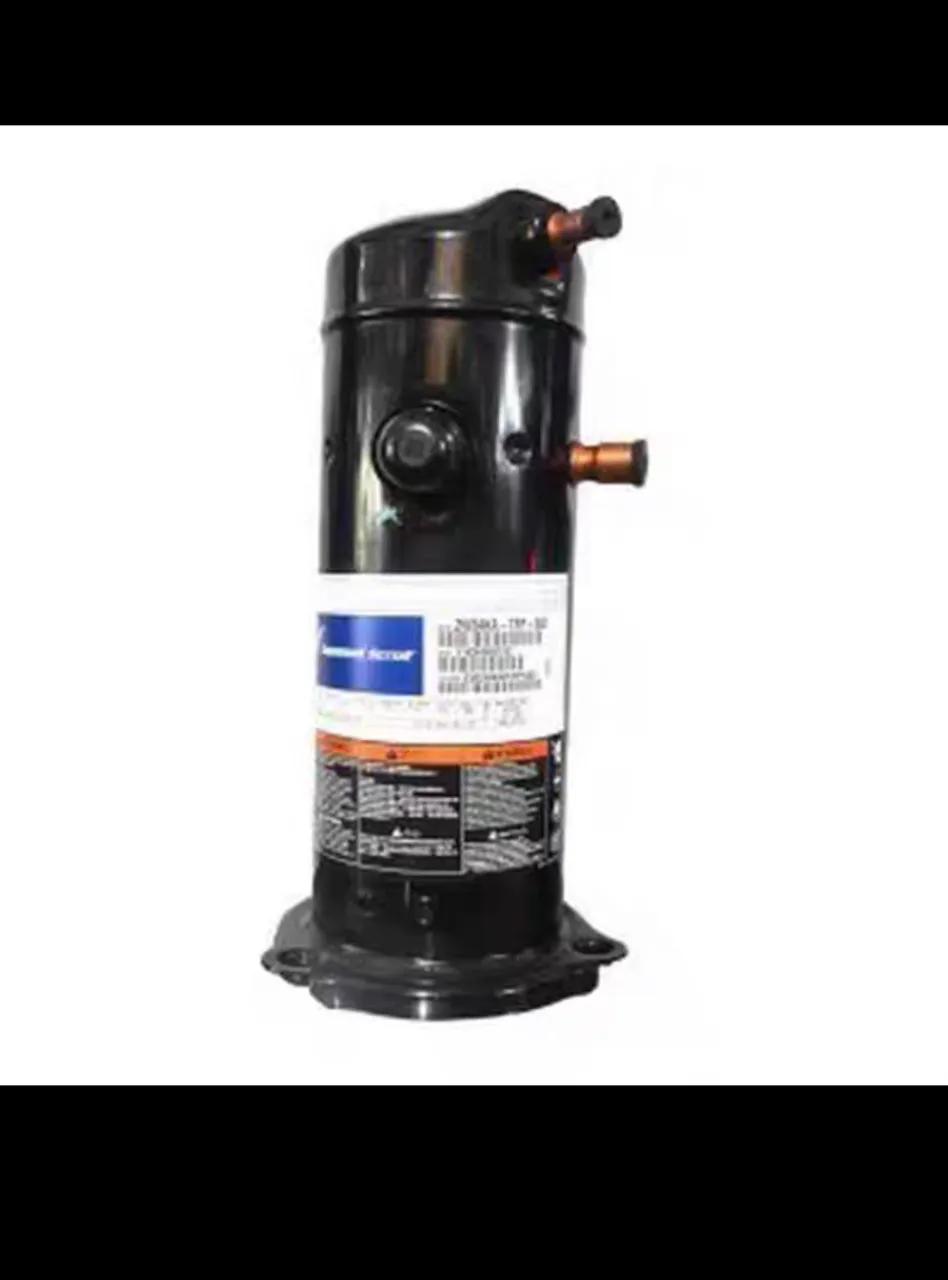
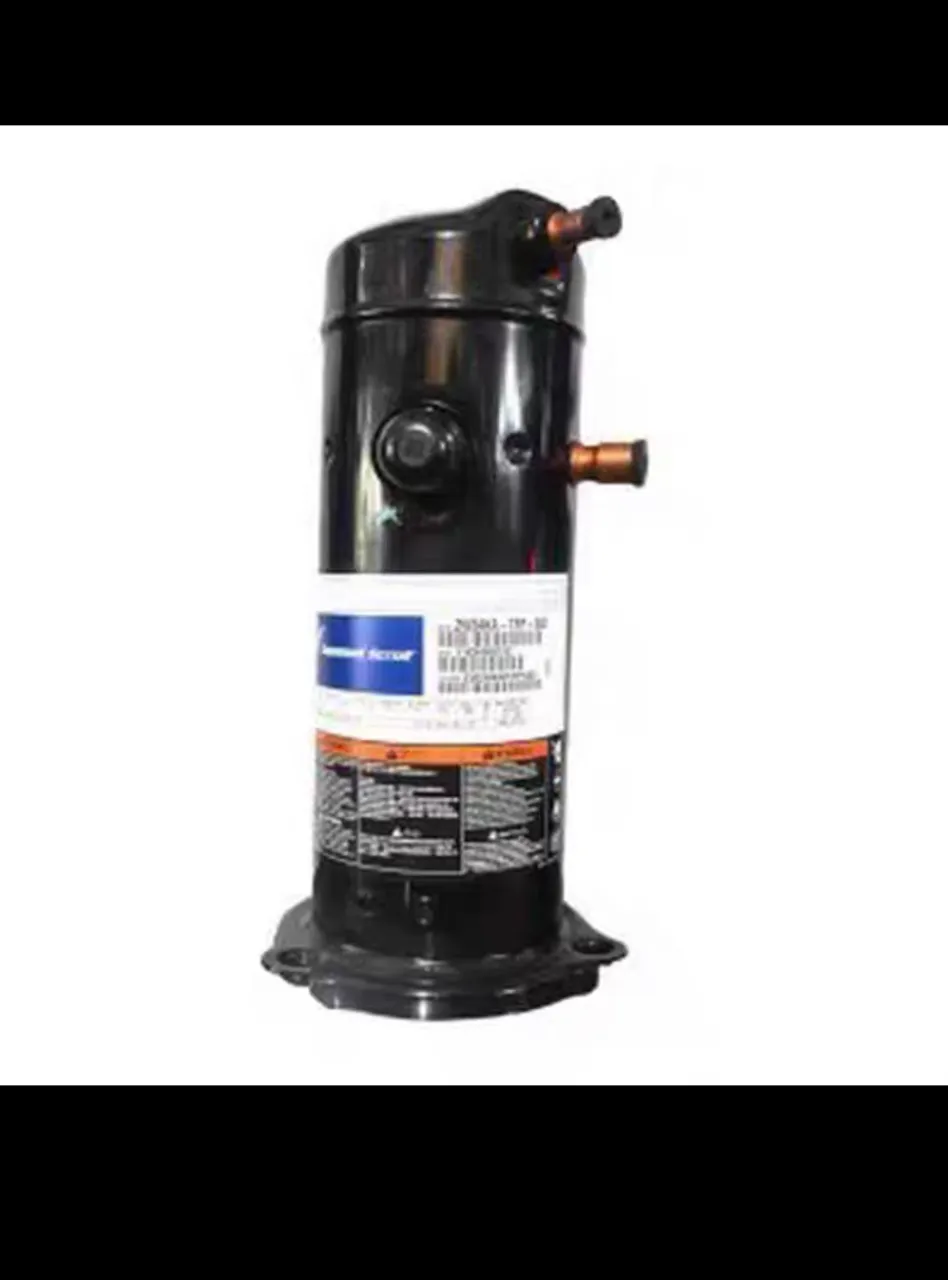
Compressor Refrigerant Compatibility Guide: R404A, R134a, R407C, R448A, R449A, R290, R32 and R454B
A practical guide to matching compressors with refrigerant, oil, pressure range, application temperature and safety class for replacements and exports.
Compressor Refrigerant Compatibility Guide: R404A, R134a, R407C, R448A, R449A, R290, R32 and R454B
Refrigeration compressor refrigerant compatibility is one of the most important checks in any replacement, retrofit, or new cold-room project. A compressor is not a universal component. It is designed around a specific refrigerant or approved refrigerant group, with matching oil, motor cooling, pressure envelope, displacement, valve design, and application temperature range.
For distributors, service companies, and refrigeration installers, this matters because the market is no longer built around only a few familiar refrigerants. Older systems using R404A and R134a are still widely serviced, while newer equipment increasingly uses lower-GWP alternatives such as R448A, R449A, R290, R32, and R454B. Export customers also face different refrigerant rules, safety codes, and installation practices depending on the destination market.
Choosing the wrong compressor can lead to poor capacity, high discharge temperature, oil return problems, electrical overload, safety non-compliance, or early failure. The right choice begins with a clear match between the refrigerant, compressor approval, oil type, operating pressure, evaporating temperature, condensing conditions, and safety classification.
Why Refrigerant Compatibility Is Not Optional
A refrigeration compressor must handle the physical and chemical behavior of the refrigerant circulating through the system. Different refrigerants operate at different pressures, carry oil differently, produce different discharge temperatures, and require different safety controls.
Compatibility affects several core operating factors:
- Pressure range: The compressor shell, valves, motor, and protection devices must be suitable for suction and discharge pressures.
- Oil type and miscibility: The lubricant must circulate with the refrigerant and return reliably to the compressor.
- Application envelope: Low-temperature, medium-temperature, high-temperature, air-conditioning, and heat pump duties require different compressor approvals.
- Motor cooling and discharge temperature: Some refrigerants run hotter or require more careful superheat control.
- Safety classification: Flammable refrigerants require compressors, electrical components, and installation practices designed for that risk.
- System components: Expansion valves, pressure switches, filter driers, heat exchangers, and controls may need to match the refrigerant as well.
A model number alone is not enough. Two compressors may look similar in size and capacity but be approved for different refrigerants and oil types. Before supplying or installing a replacement, the compressor nameplate, manufacturer documentation, refrigerant label, and system design conditions should all be checked.
Common Refrigerants and Compressor Selection Notes
R404A Compressor Applications
R404A has been widely used in commercial refrigeration, especially medium- and low-temperature systems such as supermarket equipment, cold rooms, freezers, display cases, and condensing units. Many installed systems still require R404A compressor replacements for repair and maintenance.
When selecting an R404A compressor, check whether the application is medium temperature or low temperature. A compressor approved for medium-temperature duty may not be suitable for freezer operation. Oil is also important, as many R404A systems use POE oil. Replacement compressors should be matched with the correct oil charge and system cleanliness requirements.
R404A is also a common point of transition. Some customers may ask whether an R404A compressor can run with lower-GWP alternatives such as R448A or R449A. The answer depends on the compressor manufacturer’s approval, the application envelope, and the required system adjustments. A compressor should not be assumed compatible simply because the refrigerants are used in similar systems.
R134a Compressor Applications
R134a has been a common refrigerant in medium- and high-temperature commercial refrigeration, beverage coolers, reach-in equipment, chillers, and some transport or specialty applications. It operates at lower pressures than many alternatives, so compressor selection must reflect the system’s original design.
An R134a compressor is typically selected by capacity at the required evaporating and condensing temperatures, not just by horsepower. Oil type is commonly POE in many modern systems, but legacy equipment must still be verified. If a system is being converted from R134a to another refrigerant, pressure rating, expansion device compatibility, and compressor approval must all be reviewed.
For distributors, R134a remains an important service refrigerant in many markets. Replacement buyers often need a direct equivalent compressor that fits the original electrical supply, mounting dimensions, and cooling capacity while remaining compatible with the refrigerant and oil already in the system.
R407C Compressor Applications
R407C is often associated with air-conditioning and medium-temperature applications. It is a zeotropic blend, which means it has temperature glide. That affects charging, servicing, heat exchanger performance, and system diagnostics.
Compressors for R407C must be approved for its pressure range and application type. Because R407C has glide, technicians should pay attention to bubble point and dew point when calculating superheat and subcooling. Incorrect charging or measurement methods can cause performance issues even when the compressor itself is compatible.
When replacing an R407C compressor, confirm the system was designed for that refrigerant and has not been previously retrofitted. Mixed or misidentified refrigerant is a frequent cause of unreliable troubleshooting in older field systems.
R448A and R449A Compressor Applications
R448A and R449A are commonly used as lower-GWP alternatives in commercial refrigeration, especially where older R404A systems are being redesigned, replaced, or retrofitted. They are often considered for medium- and low-temperature applications, but compressor approval must always be verified.
These refrigerants can operate with different capacity, mass flow, discharge temperature, and pressure characteristics compared with R404A. In some systems, controls, expansion valves, pressure settings, or condenser performance may need review. Discharge temperature can be a key concern in low-temperature operation, depending on system design.
For replacement buyers, the safest approach is to request a compressor model specifically approved for R448A or R449A at the intended evaporating and condensing temperatures. If the project is a retrofit from R404A, the compressor is only one part of the decision. The contractor should also check oil condition, elastomer compatibility, expansion device selection, refrigerant charging method, and labeling requirements.
R290 Compressor Applications
R290, or propane, is a hydrocarbon refrigerant used in many small commercial and self-contained refrigeration systems. It offers strong thermodynamic performance, but it is flammable. That makes safety classification and charge limits central to compressor selection and system design.
An R290 compressor must be specifically designed and approved for R290. Electrical components, relays, protectors, terminal boxes, and system construction must be suitable for flammable refrigerant use. Service work also requires technicians trained in hydrocarbon handling, proper ventilation, leak detection, and ignition source control.
R290 is not a simple drop-in for older non-flammable refrigerants. Even if capacity appears similar, the safety requirements are completely different. Distributors and repair companies should avoid supplying R290 compressors for systems that were not designed or legally permitted to use hydrocarbon refrigerants.
R32 Compressor Applications
R32 is widely used in air-conditioning and heat pump equipment. It has higher operating pressure than R134a and is classified as mildly flammable. Compressor compatibility must include pressure design, motor cooling, oil compatibility, discharge temperature management, and safety requirements.
An R32 compressor should be selected only for equipment designed for R32 or for a manufacturer-approved application. Because R32 is an A2L refrigerant, installation and service practices may differ from non-flammable refrigerants. Local codes may require specific ventilation, charge limits, labeling, leak detection, or electrical safety measures.
For export orders, R32 compatibility should be checked not only at the compressor level but also at the destination market level. A compressor that is technically suitable may still require the system builder or installer to meet local A2L refrigerant rules.
R454B Compressor Applications
R454B is an A2L lower-GWP refrigerant used mainly in air-conditioning and heat pump applications as part of the transition away from higher-GWP refrigerants. It is not interchangeable with older refrigerants unless the compressor and system are designed or approved for it.
R454B compressor selection should consider pressure range, oil, motor design, and safety classification. As with R32, mildly flammable refrigerant rules apply. Equipment labeling, service access, leak management, and compliance with regional standards are important for contractors and exporters.
For buyers replacing compressors in newer systems, the exact refrigerant on the unit nameplate should be followed. If the unit is marked for R454B, the replacement compressor must be approved for R454B and suitable for the original application envelope.
The Five Checks Before Replacing a Refrigeration Compressor
A practical replacement process should confirm more than the refrigerant name. The following checks help reduce incorrect orders and field failures.
1. Confirm the Original Refrigerant and Any Retrofit History
Start with the equipment nameplate, service labels, and maintenance records. If the system has been retrofitted, the refrigerant inside may not match the original nameplate. Do not rely only on customer memory or the old compressor model.
If the refrigerant is uncertain, recover and identify it using proper tools before selecting a new compressor. Mixed or contaminated refrigerant can damage the new compressor and make performance data unreliable.
2. Match the Compressor Application Envelope
Every compressor has an approved operating envelope. The same refrigerant may be used in different applications, but not every compressor model covers every evaporating temperature.
Check these conditions:
- Low-temperature freezer duty
- Medium-temperature cold-room duty
- High-temperature refrigeration
- Air-conditioning operation
- Heat pump operation
- Expected ambient and condensing temperature
- Required cooling capacity at real operating conditions
A compressor selected only by nominal horsepower may be oversized, undersized, or outside its approved envelope.
3. Verify Oil Type and System Cleanliness
Oil compatibility is a major part of refrigeration compressor refrigerant compatibility. POE oil is common with many HFC and HFO-blend refrigerants, while hydrocarbon and other applications may have different lubricant requirements depending on compressor design.
During replacement, contractors should check for acid, moisture, sludge, burned motor contamination, and blocked filters. If the previous compressor failed electrically or mechanically, installing a new compressor without cleaning the system can lead to repeat failure.
Useful service actions may include:
- Replacing the filter drier
- Checking oil condition where applicable
- Evacuating the system properly
- Removing moisture and non-condensables
- Confirming refrigerant charge by the correct method
- Checking oil return after startup
4. Compare Electrical and Mechanical Fit
A compatible refrigerant does not guarantee a drop-in replacement. The compressor must also match the electrical supply and installation layout.
Confirm:
- Voltage, phase, and frequency
- Starting method and capacitor requirements
- Motor protection type
- Mounting dimensions
- Suction and discharge connection sizes
- Crankcase heater requirement
- Cooling fan or airflow arrangement
- Control and protection settings
For export sales, voltage and frequency are especially important. A compressor suitable for one market may not match power supply conditions in another market.
5. Check Safety Classification and Local Compliance
Refrigerants such as R290, R32, and R454B require more attention because they are flammable or mildly flammable. Compressor approval is only one part of compliance. The full system, installation site, service procedure, and local regulation must be considered.
Buyers should confirm:
- Refrigerant safety class
- Maximum allowable charge
- Ventilation requirements
- Ignition source control
- Labeling and documentation
- Technician training requirements
- Regional product and installation standards
This is particularly important for overseas distributors and contractors who supply compressors across different regulatory environments.
Replacement and Export Buying Guidance
For refrigeration spare parts distributors, the best way to reduce returns and technical disputes is to collect complete operating information before recommending a compressor. A clear request form is often more useful than a long product list.
Important details include:
- Existing compressor model and brand
- Refrigerant currently used
- Application: freezer, chiller, cold room, display case, air conditioner, or heat pump
- Evaporating and condensing temperature, if available
- Power supply: voltage, phase, frequency
- Required capacity or equipment model
- Oil type, if known
- Country or region of installation
- Whether the system is original or retrofitted
- Any previous failure symptoms
Service and repair companies should be cautious when customers ask for a “similar compressor” without refrigerant details. A similar shell size or horsepower rating is not enough. If the refrigerant, oil, and temperature range are wrong, the replacement may fail even though it physically fits.
Cold-room contractors should also consider long-term refrigerant availability in the project market. For new installations, compressor selection should align with the refrigerant strategy, service network, spare parts availability, and local safety rules. For older systems, the commercial decision may be whether to replace the compressor like-for-like, retrofit the system, or replace the complete condensing unit.
Practical Compatibility Summary by Refrigerant
The table below gives a high-level selection view. It is not a substitute for manufacturer approval, but it helps buyers ask the right questions.
| Refrigerant | Typical use area | Key compressor selection concern |
|---|---|---|
| R404A | Commercial medium- and low-temperature refrigeration | Confirm low/medium temperature approval, POE oil, and replacement availability |
| R134a | Medium/high-temperature refrigeration, chillers, coolers | Match lower-pressure system design, oil type, and exact capacity conditions |
| R407C | Air-conditioning and some refrigeration applications | Account for temperature glide and correct charging/service practice |
| R448A | Lower-GWP commercial refrigeration alternative | Confirm compressor approval, discharge temperature, and retrofit requirements |
| R449A | Lower-GWP commercial refrigeration alternative | Verify application envelope, oil condition, controls, and expansion device suitability |
| R290 | Self-contained and small commercial refrigeration | Use only R290-approved compressors and follow flammable refrigerant safety rules |
| R32 | Air-conditioning and heat pumps | Confirm high-pressure design, A2L safety requirements, and approved application |
| R454B | Air-conditioning and heat pumps | Use R454B-approved compressors and comply with A2L installation rules |
The most reliable compressor selection is always application-based. Refrigerant compatibility is the starting point, but capacity, operating envelope, oil, power supply, safety class, and installation conditions decide whether the compressor will work correctly in the field.
For buyers managing mixed brands and international markets, the safest purchasing habit is simple: identify the refrigerant, confirm the compressor approval, match the operating conditions, and document the safety requirements before placing the order.
FAQ
Can one refrigeration compressor work with different refrigerants?
Only if the compressor manufacturer approves those refrigerants for the specific model and application envelope. A compressor may be suitable for several refrigerants, but compatibility depends on pressure range, oil type, motor design, cooling capacity, discharge temperature, and safety classification.
Can an R404A compressor be used with R448A or R449A?
It should not be assumed. R448A and R449A are often considered lower-GWP alternatives in commercial refrigeration, but the compressor must be approved for the refrigerant and the operating conditions. System controls, oil condition, expansion devices, charge procedure, and discharge temperature should also be checked.
Why is oil type important when replacing a refrigeration compressor?
The oil must be compatible with the refrigerant and return reliably to the compressor. Incorrect oil or contaminated oil can cause poor lubrication, blocked components, overheating, and repeat compressor failure. Many HFC and HFO-blend systems use POE oil, but the correct lubricant must always be verified.
Are R290, R32, and R454B compressors different from standard compressors?
Yes. R290 is flammable, while R32 and R454B are mildly flammable A2L refrigerants. Compressors for these refrigerants must be specifically approved, and the complete system must meet safety requirements for charge limits, ventilation, ignition source control, labeling, and service procedures.
What information should buyers provide when ordering a replacement compressor?
Buyers should provide the old compressor model, refrigerant, application type, evaporating and condensing conditions if available, voltage, phase, frequency, oil type, installation country, and whether the system has been retrofitted. This helps prevent incorrect compressor selection and field failures.
Buyer Next Step
Move from research to sourcing with a category shortlist, relevant product examples, and a quote request channel.