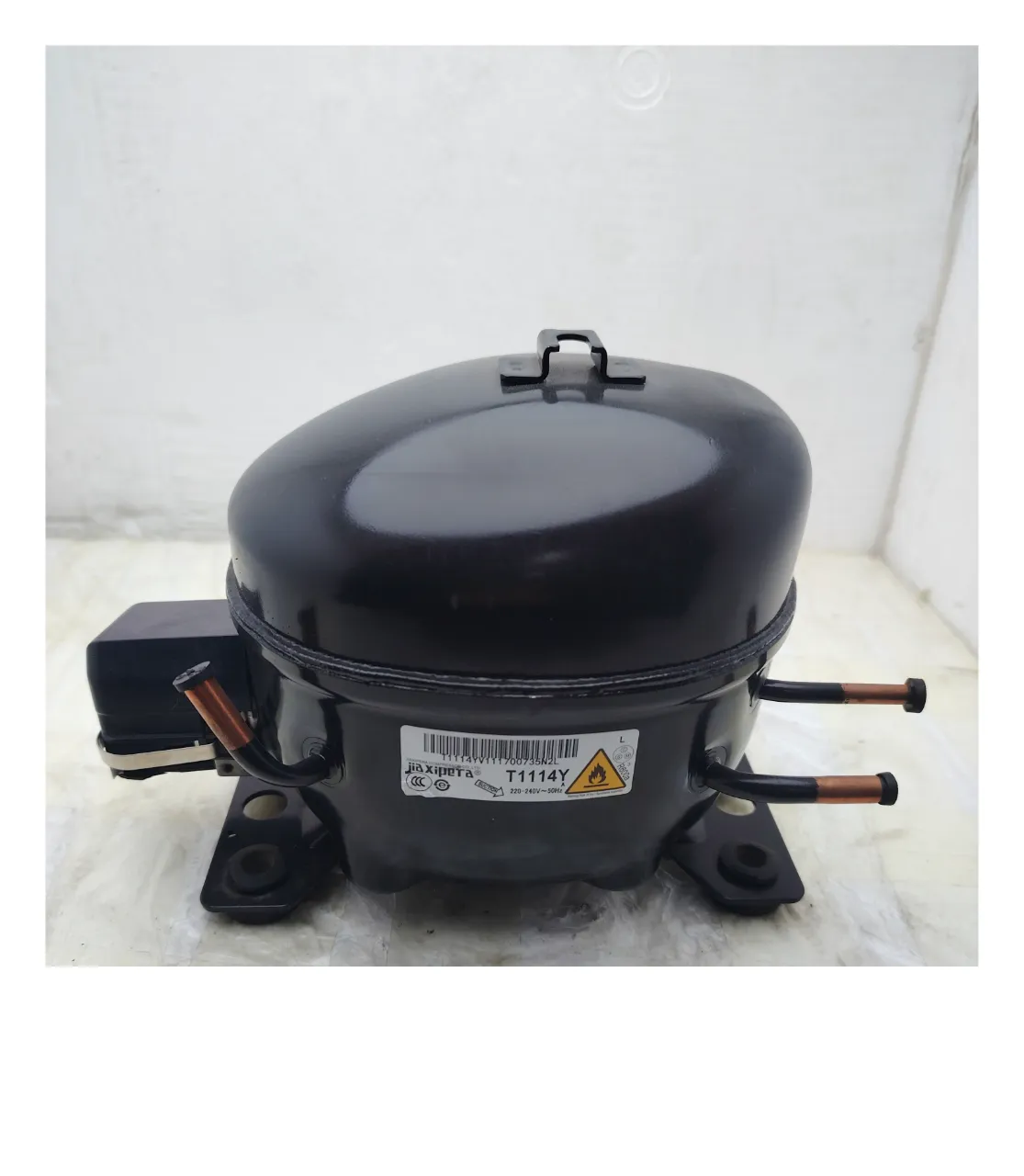
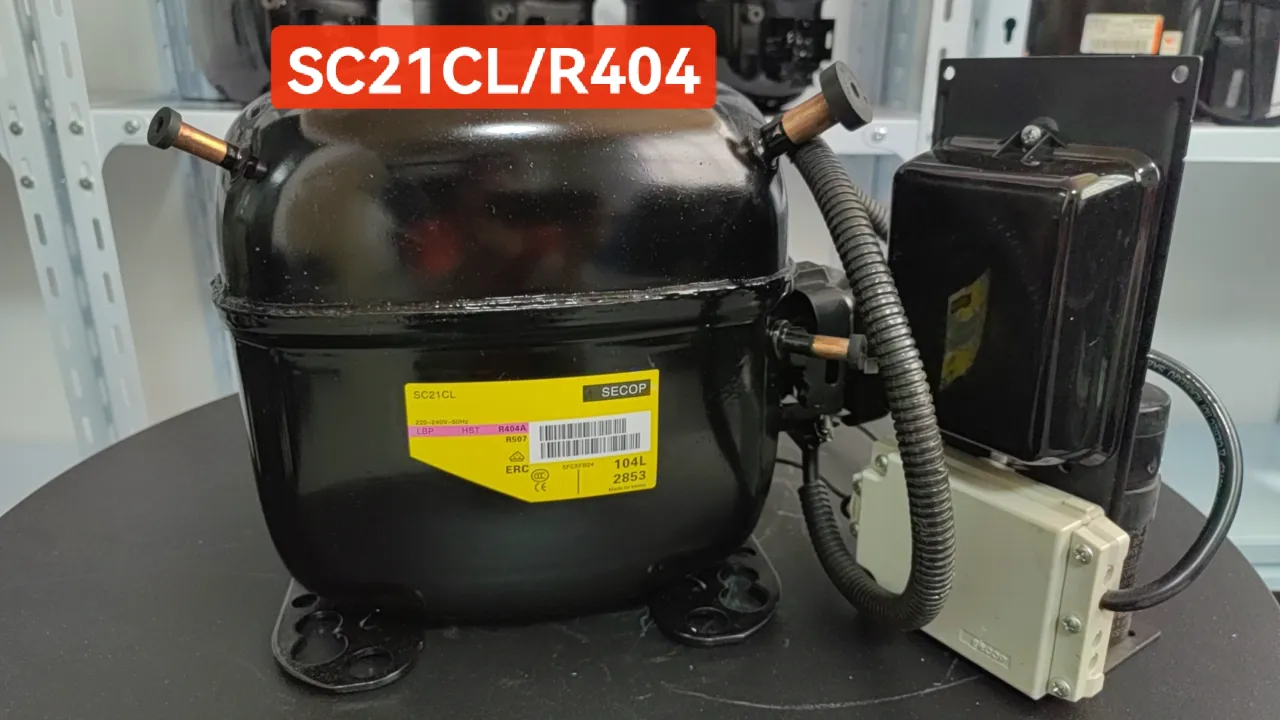
R290 Compressor Replacement Guide for Commercial Refrigerators and Freezers
A practical guide to R290 compressor replacement, covering model matching, safety checks, approved applications, and sourcing for commercial refrigeration.
R290 Compressor Replacement Guide for Commercial Refrigerators and Freezers
R290 compressor replacement is becoming a common service and procurement topic in commercial refrigeration. Propane refrigerant is used in many modern plug-in refrigerators, freezers, display cabinets, bottle coolers, ice cream freezers, and other self-contained refrigeration equipment. For distributors, repair companies, and refrigeration contractors, the challenge is not only finding a compressor with the right cooling capacity. It is confirming that the replacement is technically compatible, safe for a flammable refrigerant system, and acceptable for the original equipment design.
R290, also known as propane, is a natural refrigerant with different service requirements from traditional HFC refrigerants. A replacement compressor must be selected carefully because R290 systems are designed around specific refrigerant charge limits, electrical safety requirements, oil compatibility, displacement, cooling capacity, starting components, and operating conditions. Using a random compressor or converting a non-approved system can create safety risks, poor performance, and warranty or compliance problems.
This guide explains when R290 compressors are used, what information buyers should confirm before ordering, why non-approved conversions are risky, and how to source compatible hermetic compressors for commercial refrigerators and freezers.
Where R290 Compressors Are Used in Commercial Refrigeration
R290 compressors are commonly used in small and medium commercial refrigeration equipment, especially self-contained units where the complete refrigeration circuit is built into the appliance. Typical applications include:
- Commercial upright refrigerators and freezers
- Glass-door merchandisers and beverage coolers
- Supermarket display cabinets
- Ice cream freezers and chest freezers
- Undercounter refrigerators and freezers
- Foodservice prep tables and counters
- Small commercial cold storage units where the system is designed for R290
The key point is that R290 is not simply another refrigerant option that can be added to any system. Commercial refrigerators and freezers using R290 are normally designed as complete units around propane refrigerant. The compressor, condenser, evaporator, capillary tube or expansion device, electrical components, refrigerant charge, ventilation layout, and safety markings must work together.
Why R290 Is Used
R290 is a natural refrigerant with strong thermodynamic performance. In properly designed equipment, it can support efficient cooling in compact commercial systems. It is also used because many markets are moving away from high-GWP refrigerants in commercial refrigeration.
For service teams and replacement buyers, the practical result is simple: more R290 commercial refrigerator compressors are entering the spare parts market, and accurate model matching is increasingly important. A compressor may look physically similar to an older R134a or R404A compressor, but the refrigerant, oil, electrical approval, and application envelope may be completely different.
R290 vs. R600a in Service Work
R290 and R600a are both hydrocarbon refrigerants, but they are not interchangeable. R600a is isobutane and is widely used in domestic refrigerators and some small appliances. R290 is propane and is more common in many commercial refrigeration applications. A technician or buyer should never assume that a compressor for R600a can replace an R290 compressor, or that the same service procedure applies without checking specifications.
For R600a R290 compressor service, the compressor label, cabinet nameplate, refrigerant type, charge quantity, electrical rating, and manufacturer data must be checked before any parts are selected.
Information Buyers Must Confirm Before Ordering an R290 Compressor Replacement
A reliable R290 compressor replacement begins with correct identification. In many procurement cases, a buyer only sends a photo of the old compressor or a partial model number. That may be enough for an initial search, but it is rarely enough for final confirmation.
1. Original Compressor Model and Brand
The old compressor model number is the most important starting point. It helps identify displacement, motor type, refrigerant, application range, voltage, frequency, oil type, and cooling capacity. Buyers should provide:
- Compressor brand
- Full compressor model number
- Serial number if available
- Clear photos of the compressor label
- Photos of electrical terminals and starting components if replacement accessories are needed
A direct model-to-model replacement is often the safest route. If the original model is discontinued or not available, a cross-reference may be possible, but it must be based on technical data rather than appearance alone.
2. Refrigerant Type and Charge Quantity
The cabinet nameplate should clearly indicate R290 and the factory charge quantity. This information matters because hydrocarbon refrigerant charge limits and safety design are part of the equipment approval. If the system nameplate does not specify R290, the buyer should not order an R290 compressor for conversion unless the equipment manufacturer has approved that change.
The replacement compressor must be suitable for propane refrigeration compressor applications. A compressor intended for a non-flammable refrigerant should not be used simply because the capacity seems close.
3. Application Temperature Range
Commercial refrigeration compressors are selected by application range. Common categories include low back pressure, medium back pressure, and high back pressure operation. A freezer compressor and a refrigerator compressor may have different operating envelopes even if the physical size is similar.
Before ordering, confirm whether the compressor is used for:
- Low-temperature freezer operation
- Medium-temperature refrigerator operation
- Display cabinet service
- Beverage cooler operation
- Ice cream freezer duty
- Other special commercial applications
An R290 freezer compressor must be able to operate reliably under low evaporating temperature conditions. Using a medium-temperature compressor in a freezer application can lead to overheating, poor pull-down performance, or early failure.
4. Cooling Capacity and Test Conditions
Cooling capacity should be compared under the same or similar test conditions. A capacity value without evaporating temperature, condensing temperature, return gas temperature, ambient conditions, and frequency can be misleading.
For example, two compressors may both be described with similar wattage, but their actual capacity at freezer conditions may differ. When a direct model is unavailable, buyers should request a technical comparison using manufacturer performance data.
5. Electrical Specification
Voltage and frequency must match the local market and the equipment design. Common export markets may require different electrical versions, such as 220–240V 50Hz, 220–240V 60Hz, or 115V 60Hz. The motor type and starting components also matter.
Confirm the following details:
- Rated voltage and frequency
- Single-phase or three-phase design
- Starting relay, PTC, capacitor, or electronic starting device requirements
- Overload protector compatibility
- Plug or terminal configuration if supplied as a kit
Electrical mismatch can prevent starting, damage the motor, or create unsafe operating conditions.
6. Oil Type and Refrigerant Compatibility
The compressor oil must be compatible with R290 and the system design. For replacement work, the safest approach is to match the original compressor specification. Mixing unknown oil types or installing a compressor not designed for hydrocarbon refrigerant can reduce lubrication reliability and system performance.
7. Physical Dimensions and Connection Layout
Even when the technical capacity is correct, the compressor must fit the equipment. Buyers should confirm:
- Base mounting dimensions
- Overall height and width
- Suction, discharge, and process tube positions
- Tube diameter and connection direction
- Space for electrical cover and accessories
- Vibration mounting requirements
This is especially important for compact commercial cabinets where the machine compartment has limited clearance.
Safety Considerations for R290 Compressor Service
R290 is flammable. In a properly designed, sealed refrigeration system with the correct charge quantity, it can be used safely. During service work, however, the circuit may be opened, and the technician must follow procedures suitable for hydrocarbon refrigerants.
Work Only With Trained Personnel
R290 compressor replacement should be handled by technicians trained in hydrocarbon refrigerant service. Service teams need the correct tools, leak detection methods, ventilation practices, and ignition control procedures. General refrigeration experience is not always enough if the technician has not worked with flammable refrigerants.
Control Ignition Sources
When servicing an R290 system, ignition sources must be controlled. This includes sparks, open flames, hot surfaces, non-approved electrical devices, and unsafe switching operations near the work area. The service space should be well ventilated, and the technician should understand how to recover or safely handle the refrigerant according to local requirements.
Use Components Suitable for R290 Systems
The compressor is not the only safety-related component. Electrical parts, relays, protectors, switches, fans, and connectors may need to meet the requirements of the original R290 equipment design. Replacing the compressor while ignoring other damaged or non-compliant parts can leave the system unsafe.
A compatible R290 commercial refrigerator compressor should be used with approved electrical accessories and protective devices. If a compressor supplier provides a start kit or accessory set, buyers should verify that it matches the specific compressor model and application.
Check for Leaks After Replacement
Leak testing is critical after brazing, tube connection, or system repair. Hydrocarbon systems should be tested using appropriate methods and equipment. The system must not be charged above the specified factory charge. After repair, labels and service records should clearly indicate the refrigerant type and charge.
Avoid Unverified Substitutions
In some markets, technicians may try to substitute compressors due to urgent repair needs or limited stock. With R290 systems, this is particularly risky. A non-approved compressor may have unsuitable electrical construction, incorrect motor protection, incompatible oil, wrong capacity, or an operating envelope outside the application.
Why Non-Approved R290 Conversions Are Risky
One of the most important points for buyers and service companies is the difference between replacing an R290 compressor in an R290-designed system and converting a non-R290 system to propane. These are not the same job.
A proper R290 compressor replacement keeps the system within its original refrigerant design. A non-approved conversion changes the refrigerant and may require redesign of the refrigeration circuit, electrical safety concept, ventilation, charge limit, markings, and compliance documentation.
Equipment Approval May No Longer Apply
Commercial refrigerators and freezers are typically approved as complete systems. If the refrigerant is changed without manufacturer approval, the original safety and performance approval may no longer apply. This can create liability problems for repair companies, installers, distributors, and end users.
Charge Limits and Cabinet Design Matter
R290 systems are designed with specific refrigerant charge quantities and safety assumptions. A cabinet designed for another refrigerant may not have the same charge limit, airflow, component protection, or labeling. Simply installing an R290 compressor does not make the system safe or compliant.
Performance Can Be Unstable
A compressor conversion based only on horsepower or displacement can produce poor results. The capillary tube or expansion valve, condenser size, evaporator design, and refrigerant charge all affect operation. The system may show high discharge temperature, unstable pressure, poor cooling, oil return issues, or repeated compressor failure.
Procurement Risk Increases
For spare parts distributors, selling an R290 compressor for an unapproved conversion can create disputes if the system fails or the customer later discovers compliance issues. A better practice is to ask whether the original equipment is factory-designed for R290 and request the cabinet nameplate before confirming the replacement.
How to Source Compatible Hermetic Compressors for Commercial Refrigeration
R290 replacement demand is increasing across many export markets, but buyers still need a disciplined sourcing process. The best supplier is not only the one with stock. It is the one that can help confirm compatibility, provide technical data, and supply consistent models or approved alternatives.
Prepare a Complete Inquiry
A strong inquiry reduces mistakes and saves time. Buyers should send:
- Old compressor model and brand
- Photos of compressor label and cabinet nameplate
- Refrigerant type and charge quantity
- Application: refrigerator, freezer, display cabinet, beverage cooler, or other equipment
- Voltage and frequency
- Required quantity
- Destination market
- Need for accessories such as relay, overload protector, capacitor, rubber mounts, or terminal cover
For distributors, creating a standard compressor inquiry form can greatly improve replacement accuracy across different customer languages and markets.
Ask for Technical Matching, Not Only Price
Price matters, but a low-cost compressor that does not match the application can become expensive after repeat failure or return claims. Buyers should request confirmation of:
- Refrigerant compatibility with R290
- Application temperature range
- Cooling capacity under relevant conditions
- Electrical specification
- Oil type
- Starting components
- Physical dimensions and tube layout
If the original model is unavailable, the supplier should explain why the proposed alternative is compatible. A short technical comparison is often more useful than a simple cross-reference list.
Consider Brand Availability and Replacement Continuity
The commercial compressor market includes many domestic and international brands. For overseas distributors, availability can change by region, model, and production cycle. A practical sourcing strategy may include direct replacements where available and carefully selected alternative models where direct replacements are difficult to obtain.
Because R290 is a safety-sensitive application, distributors should avoid building a product line around unknown or poorly documented models. Technical documentation, labels, packaging consistency, and accessory compatibility are important for long-term after-sales support.
Verify Packaging and Transport Requirements
Compressors are heavy, oil-filled mechanical products and can be damaged by poor packing or rough handling. For export orders, buyers should pay attention to carton strength, palletization, moisture protection, and clear model identification. Mixed-model shipments should be packed and labeled in a way that warehouse teams can easily manage.
Keep Replacement Records
Service companies and distributors should record which compressor model was installed, the equipment model, refrigerant charge, date of service, and any replaced accessories. This helps future troubleshooting and improves purchasing decisions. For repeat customers, these records can also support faster reordering.
Practical Takeaways for Replacement Buyers
R290 compressor replacement is a technical purchasing decision, not a simple parts swap. The safest and most reliable result comes from matching the original system design as closely as possible.
Buyers should pay special attention to these points:
- Confirm that the equipment is factory-designed for R290 before ordering an R290 compressor.
- Match the original compressor model whenever possible.
- Check refrigerant, charge quantity, application range, voltage, frequency, and starting components.
- Do not use R600a, R134a, R404A, or other compressor models as substitutes unless technical compatibility is clearly confirmed.
- Avoid non-approved propane conversions of equipment designed for other refrigerants.
- Work with trained hydrocarbon refrigerant technicians for installation and service.
- Source from suppliers that can provide model confirmation, technical data, and consistent accessory support.
For distributors, repair companies, and refrigeration installers, a careful R290 compressor sourcing process reduces service risk and improves customer confidence. As natural refrigerant compressor demand grows in commercial refrigeration, the companies that handle model matching and safety documentation well will be better positioned to serve overseas replacement markets.
FAQ
Can any compressor be used as an R290 compressor replacement?
No. The replacement compressor must be designed for R290 refrigerant and must match the original equipment requirements, including capacity, application range, voltage, frequency, oil type, starting components, and physical dimensions.
Is it safe to convert a non-R290 refrigerator or freezer to R290?
A non-approved conversion is risky because the original equipment may not be designed for propane refrigerant, charge limits, electrical safety, ventilation, or required labeling. Conversions should not be performed unless approved by the equipment manufacturer and local regulations.
What information should buyers provide when sourcing an R290 commercial refrigerator compressor?
Buyers should provide the original compressor model, compressor label photo, cabinet nameplate photo, refrigerant type and charge quantity, application, voltage and frequency, required quantity, and any needed accessories such as relay, overload protector, capacitor, or mounting parts.
Are R290 and R600a compressors interchangeable?
No. R290 is propane and R600a is isobutane. Both are hydrocarbon refrigerants, but compressors and systems are designed for specific refrigerants and applications. Always confirm the exact refrigerant and compressor specification before replacement.
Who should install an R290 freezer compressor?
Installation should be performed by technicians trained in hydrocarbon refrigerant service. R290 is flammable, so proper ventilation, leak testing, ignition source control, charging practice, and approved components are essential.
Buyer Next Step
Move from research to sourcing with a category shortlist, relevant product examples, and a quote request channel.