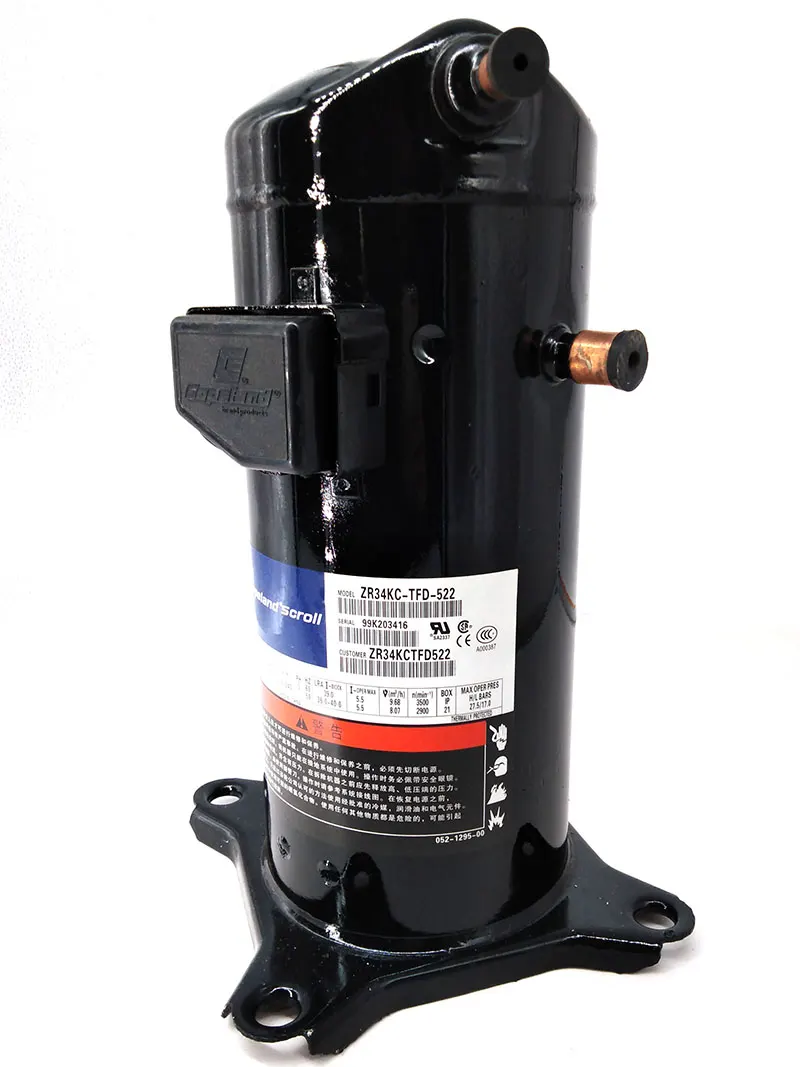
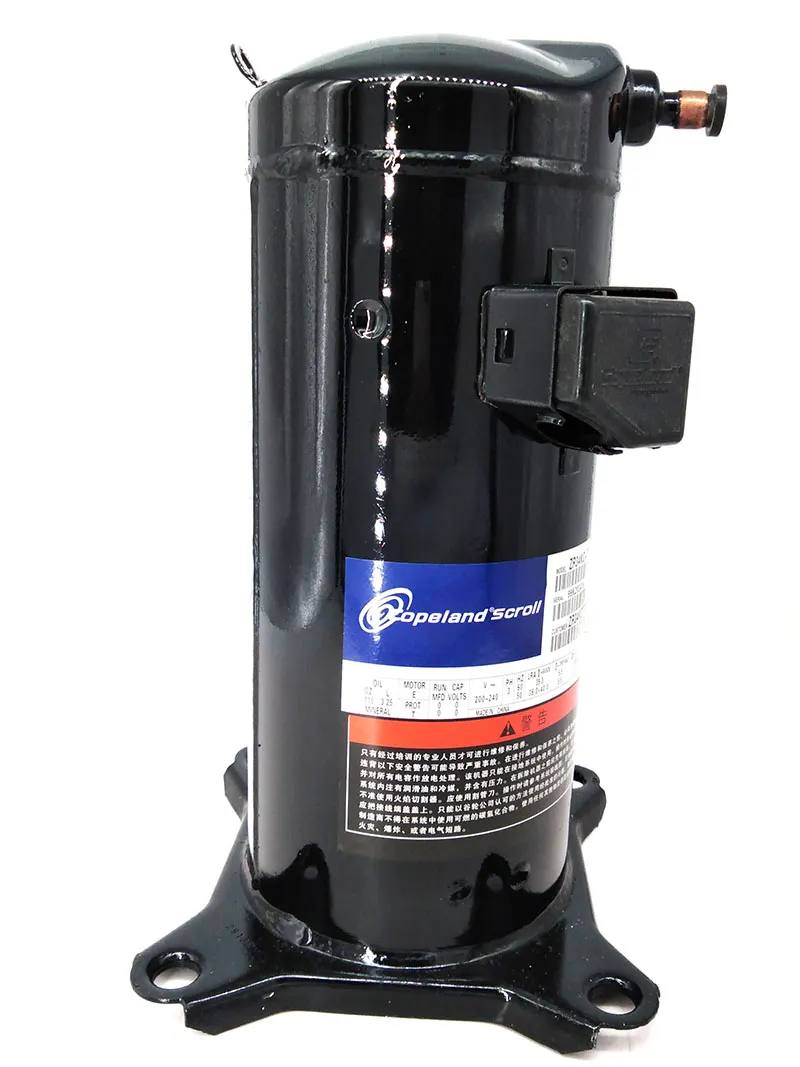
A2L Refrigeration Compressor Guide for Importers, Contractors, and Service Companies
A practical guide to A2L refrigeration compressors, common low-GWP refrigerants, safety checks, system matching, and ordering requirements.
The transition to lower-GWP refrigerants is changing how refrigeration compressors are selected, stocked, installed, and serviced. For importers, spare parts distributors, cold-room contractors, and repair companies, the phrase A2L refrigeration compressor is becoming more common in product inquiries and replacement discussions.
A2L-ready compressors are designed and approved for use with refrigerants classified as A2L: lower toxicity and lower flammability. These refrigerants are often used as part of the move away from higher-GWP HFC refrigerants in commercial refrigeration, cold rooms, heat pumps, and selected air-conditioning applications.
For buyers, the key point is simple: an A2L compressor is not just a standard compressor with a different refrigerant label. It must be matched with the correct refrigerant, oil, electrical design, safety components, application envelope, and local compliance requirements. Ordering only by horsepower or displacement can lead to wrong selections, installation delays, or unsafe systems.
What Is an A2L Refrigeration Compressor?
An A2L refrigeration compressor is a compressor that the manufacturer has specified, tested, and approved for operation with one or more A2L refrigerants. The A2L classification comes from refrigerant safety standards that consider toxicity and flammability. In plain terms, A2L refrigerants have low toxicity and are mildly flammable compared with A1 refrigerants, which are generally treated as non-flammable under the same classification system.
A2L-ready compressors may be found in several compressor types, including:
- Hermetic reciprocating compressors
- Scroll compressors
- Semi-hermetic compressors
- Rotary compressors in selected applications
- Compressor units designed for commercial refrigeration or heat pump systems
The exact range depends on the compressor manufacturer and the intended refrigerant. Buyers should not assume that a compressor series is A2L-approved unless the model plate, datasheet, selection software, or manufacturer documentation clearly confirms it.
A2L-ready does not mean universal compatibility
A compressor approved for one A2L refrigerant is not automatically approved for every A2L refrigerant. For example, a model suitable for R454C may not be suitable for R455A, R32, or another blend unless the manufacturer lists those refrigerants for that model.
Compatibility depends on factors such as:
- Refrigerant pressure and temperature characteristics
- Compressor motor cooling and electrical design
- Lubricating oil compatibility
- Discharge temperature limits
- Application envelope for medium-temperature or low-temperature use
- Capacity, mass flow, and operating conditions
- Required safety devices and controls
For distributors and service companies, this makes model verification essential before quoting or ordering.
Where A2L Compressors Are Used
A2L compressors are mainly used where system designers, manufacturers, or end users want lower-GWP refrigerants while maintaining practical refrigeration performance. Their use varies by country, local regulation, equipment type, and application standard.
Commercial refrigeration and cold rooms
Cold rooms, walk-in coolers, freezers, display cabinets, condensing units, and refrigeration racks may use A2L refrigerants when the full system is designed for them. Contractors working on cold storage projects should confirm the refrigerant charge limit, room size, ventilation conditions, leak detection needs, and equipment certification before selecting a compressor.
In replacement projects, the existing system design is especially important. A compressor suitable for an older A1 refrigerant cannot normally be replaced with an A2L compressor and A2L refrigerant without checking whether the full system can meet the safety and performance requirements.
Heat pumps and air-conditioning systems
A2L refrigerants are also common in heat pumps and air-conditioning equipment, depending on market and product type. Compressors in these systems are selected around specific operating envelopes, seasonal performance targets, and safety requirements. Importers dealing in both refrigeration and HVAC compressors should separate product requests carefully, because an air-conditioning compressor and a commercial refrigeration compressor may have different operating ranges even when the refrigerant family appears similar.
OEM production, retrofit, and service replacement
A2L compressor demand can come from three different purchasing situations:
- OEM or equipment assembly projects requiring approved compressor models
- Contractor-built systems for cold rooms or refrigeration engineering projects
- Service replacement where an existing compressor has failed
Each situation has different risk. OEM and new-build projects allow the system to be designed around the refrigerant. Service replacement is more sensitive because the compressor must match the existing system, safety design, refrigerant, oil, voltage, controls, and installation conditions.
Common A2L Refrigerants Buyers Ask About
Several A2L refrigerants are used or discussed in commercial refrigeration and related cooling applications. Availability and suitability depend on the region, equipment design, and compressor manufacturer approval.
R454C compressor applications
An R454C compressor is commonly discussed for low-GWP refrigeration projects because R454C is positioned as an alternative in certain commercial refrigeration applications. Buyers should check whether the compressor is approved for medium-temperature, low-temperature, or both application ranges. They should also confirm the required oil type, operating envelope, and safety instructions.
R454C is a zeotropic blend, so correct charging and service handling are important. Contractors should follow refrigerant supplier and equipment manufacturer procedures, including liquid charging guidance where applicable.
R455A compressor applications
An R455A compressor may be requested for cold rooms, condensing units, or other refrigeration systems designed around this refrigerant. As with R454C, model approval is critical. A compressor supplier should be able to confirm whether the exact model is listed for R455A and provide the relevant technical data.
For installers, R455A system design requires attention to expansion valves, pressure controls, leak detection strategy, ventilation, and service practices. The compressor is only one part of the compliance picture.
Other A2L refrigerants
Depending on application and market, buyers may also encounter A2L refrigerants such as R32, R454A, R454B, or other blends. Not all are used in the same way. Some are more common in air-conditioning or heat pump systems, while others are more closely associated with commercial refrigeration.
The safest procurement approach is to start with the intended refrigerant and application, then select a compressor that is explicitly approved for that combination.
What Buyers Must Confirm Before Ordering
A2L compressor procurement requires more technical confirmation than a simple like-for-like compressor purchase. Importers and distributors should build a checklist into their quotation process, especially when dealing with overseas customers, mixed brands, or urgent repair orders.
1. Exact refrigerant approval
Ask for the exact refrigerant name and confirm it against the compressor datasheet or selection software. Do not rely on general phrases such as “low GWP compressor” or “A2L compatible” unless the specific refrigerant is listed.
Confirm:
- Refrigerant type, such as R454C or R455A
- Approved application range
- Evaporating and condensing temperature limits
- Maximum discharge temperature
- Required superheat and subcooling assumptions
- Any restrictions from the compressor manufacturer
This is especially important for an A2L compressor replacement, where the failed compressor may have been running on a different refrigerant.
2. System application and operating envelope
A compressor that works in one temperature range may be unsuitable in another. Buyers should provide the application details before ordering, including:
- Medium-temperature, low-temperature, or high-temperature use
- Cold-room temperature target
- Evaporating and condensing conditions
- Ambient temperature range
- Cooling capacity requirement
- Power supply and voltage
- Single-phase or three-phase operation
- Starting method and control type
For cold-room contractors, operating conditions are not a formality. They determine capacity, reliability, and whether the compressor can run within its approved envelope.
3. Electrical safety and ignition risk control
Because A2L refrigerants are mildly flammable, system design must reduce ignition risk. The compressor and connected electrical components should be suitable for the intended equipment design and local code requirements.
Items to verify may include:
- Approved compressor terminal box or electrical enclosure design
- Correct contactors, relays, overloads, and starting components
- Suitable pressure switches and sensors
- Wiring practices required by the manufacturer
- Grounding and insulation requirements
- Whether additional enclosure ventilation or leak management is required
Service companies should avoid replacing electrical parts with non-approved alternatives if the system was certified or designed for A2L refrigerant.
4. Safety components and system controls
The compressor alone does not make an A2L system compliant. Depending on application and local rules, the system may need additional safety measures.
Common items to review include:
- Refrigerant leak detection
- Mechanical or natural ventilation
- Charge limits based on room size and equipment location
- Pressure relief strategy
- Shut-off valves and service valve arrangement
- Compatible expansion valves
- High-pressure and low-pressure protection
- Crankcase heater requirements
- Liquid line solenoid and pump-down control where applicable
For distributors, it is useful to ask whether the customer needs only a compressor or a wider package of matching refrigeration components. Many ordering problems happen when the compressor is correct but the control components are not suitable for the refrigerant or application.
5. Oil compatibility and service materials
Compressor oil must match the refrigerant and manufacturer requirements. Many modern refrigeration compressors use synthetic oils, but the correct oil grade and type must be confirmed by model.
Before shipment, buyers should check:
- Whether the compressor is supplied pre-charged with oil
- Oil type and viscosity
- Whether additional oil is needed for the system
- Oil return requirements for long pipe runs or multi-evaporator systems
- Service procedures if the system was previously operated with another refrigerant
Incorrect oil selection can cause lubrication problems, poor oil return, and compressor damage.
6. Documentation for import, installation, and warranty
Overseas buyers often need technical documentation for customs clearance, project submittals, local inspection, or customer approval. Documentation needs vary by country and project, but buyers should request it before shipment rather than after the equipment arrives.
Useful documents may include:
- Compressor datasheet
- Refrigerant approval list
- Operating envelope or performance data
- Wiring diagram
- Installation manual
- Safety instructions for A2L refrigerants
- Product label or nameplate information
- Declaration or certification documents where applicable
- Packing list and commercial invoice details
For engineering contractors, documentation also helps avoid disputes at commissioning. For distributors, it reduces after-sales questions and supports correct resale.
A2L Compressor Replacement: Practical Notes for Service Teams
Replacement work needs extra caution because the technician is dealing with an existing system. The safest starting point is to identify the original refrigerant, compressor model, oil type, and system design.
When like-for-like replacement is possible
If the system was originally designed for an A2L refrigerant and the failed compressor model is still available, a like-for-like replacement may be straightforward. The technician should still confirm the exact model code, voltage, refrigerant, oil, and accessories before installation.
When conversion is being considered
If the customer wants to move from an older refrigerant to a low-GWP alternative, the job becomes a system conversion rather than a simple compressor replacement. The contractor must evaluate whether the system can legally and safely use the new refrigerant.
Key checks include:
- Component pressure rating
- Compatibility of seals, valves, and controls
- Refrigerant charge amount
- Equipment location and ventilation
- Electrical components and ignition sources
- Expansion device suitability
- Lubricant compatibility
- Local regulation and applicable safety standards
In many cases, replacing the complete condensing unit or redesigning the system may be more appropriate than changing only the compressor.
Why model codes matter
Compressor model codes often contain important information about capacity, motor type, voltage, application range, and refrigerant approval. A small difference in suffix or version can indicate a different configuration. Importers should request a clear photo of the old nameplate and avoid quoting from incomplete model numbers.
Procurement Checklist for Importers and Distributors
A structured ordering process helps prevent incorrect shipments and technical disputes. Before confirming an A2L compressor order, collect the following information from the customer:
- Required refrigerant, such as R454C or R455A
- Existing compressor model or target compressor model
- Application: cold room, freezer, display case, condensing unit, chiller, heat pump, or air-conditioning system
- Required capacity and temperature range
- Power supply, voltage, phase, and frequency
- Ambient temperature and installation location
- Replacement or new equipment production
- Required safety components or accessories
- Documentation and certification needs
- Quantity, packing requirements, and destination country
For mixed-brand distributors, it is also helpful to offer alternative approved models when the requested compressor is unavailable. However, alternatives should be selected by refrigerant, capacity, operating envelope, electrical specification, and physical installation constraints—not by size or horsepower alone.
What Makes a Compressor “Future Proof”?
Many buyers ask for a future proof compressor during the refrigerant transition. In practical terms, a future-proof choice is not the newest refrigerant or the lowest GWP number in isolation. It is a compressor and system design that can be supported in the buyer’s market with available refrigerant, trained service technicians, compliant components, and clear documentation.
A future-ready purchasing decision should consider:
- Local refrigerant regulations and market direction
- Compressor manufacturer approval and availability
- Spare parts and service support
- Safety requirements for installation and maintenance
- Total system compatibility
- Customer acceptance and technician training
A2L compressors will continue to be an important part of low-GWP refrigeration planning, but successful adoption depends on correct selection and installation discipline.
Key Takeaways for A2L Compressor Buyers
An A2L refrigeration compressor is a technical component within a safety-managed system. For importers, contractors, and service companies, the most important purchasing rule is to verify the complete application before ordering.
Before confirming a purchase, make sure the compressor is approved for the exact refrigerant, fits the required operating envelope, matches the electrical supply, uses the correct oil, and is supported by proper documentation. If the project involves replacement or refrigerant conversion, check the full system rather than assuming the compressor can solve the transition alone.
Careful selection reduces installation risk, protects after-sales relationships, and helps buyers move toward low-GWP refrigeration solutions with fewer surprises.
FAQ
What is an A2L refrigeration compressor?
An A2L refrigeration compressor is a compressor approved by its manufacturer for use with one or more A2L refrigerants. A2L refrigerants are lower toxicity and mildly flammable, so the compressor must be matched with the correct refrigerant, oil, operating envelope, electrical design, and safety requirements.
Can I use an A2L compressor to replace any old refrigeration compressor?
No. A2L compressor replacement must be checked against the existing system design. The refrigerant, oil, pressure rating, electrical components, expansion device, charge amount, ventilation, and local safety rules all need confirmation. A refrigerant conversion is not the same as a simple compressor replacement.
Which A2L refrigerants are commonly requested for refrigeration compressors?
Common A2L refrigerants discussed in refrigeration and related cooling applications include R454C and R455A, with other blends used depending on equipment type and market. The compressor must be specifically approved for the exact refrigerant, not just described as A2L-compatible.
What should importers confirm before ordering A2L compressors?
Importers should confirm the exact refrigerant, compressor model, application temperature range, capacity, voltage, phase, frequency, oil type, safety component requirements, certification needs, and required technical documents. A clear nameplate photo is useful for replacement orders.
Does an A2L-ready compressor make the whole system compliant?
No. The compressor is only one part of an A2L refrigeration system. Compliance may also depend on leak detection, ventilation, charge limits, pressure protection, electrical safety, component compatibility, installation location, and local regulations or standards.
Buyer Next Step
Move from research to sourcing with a category shortlist, relevant product examples, and a quote request channel.