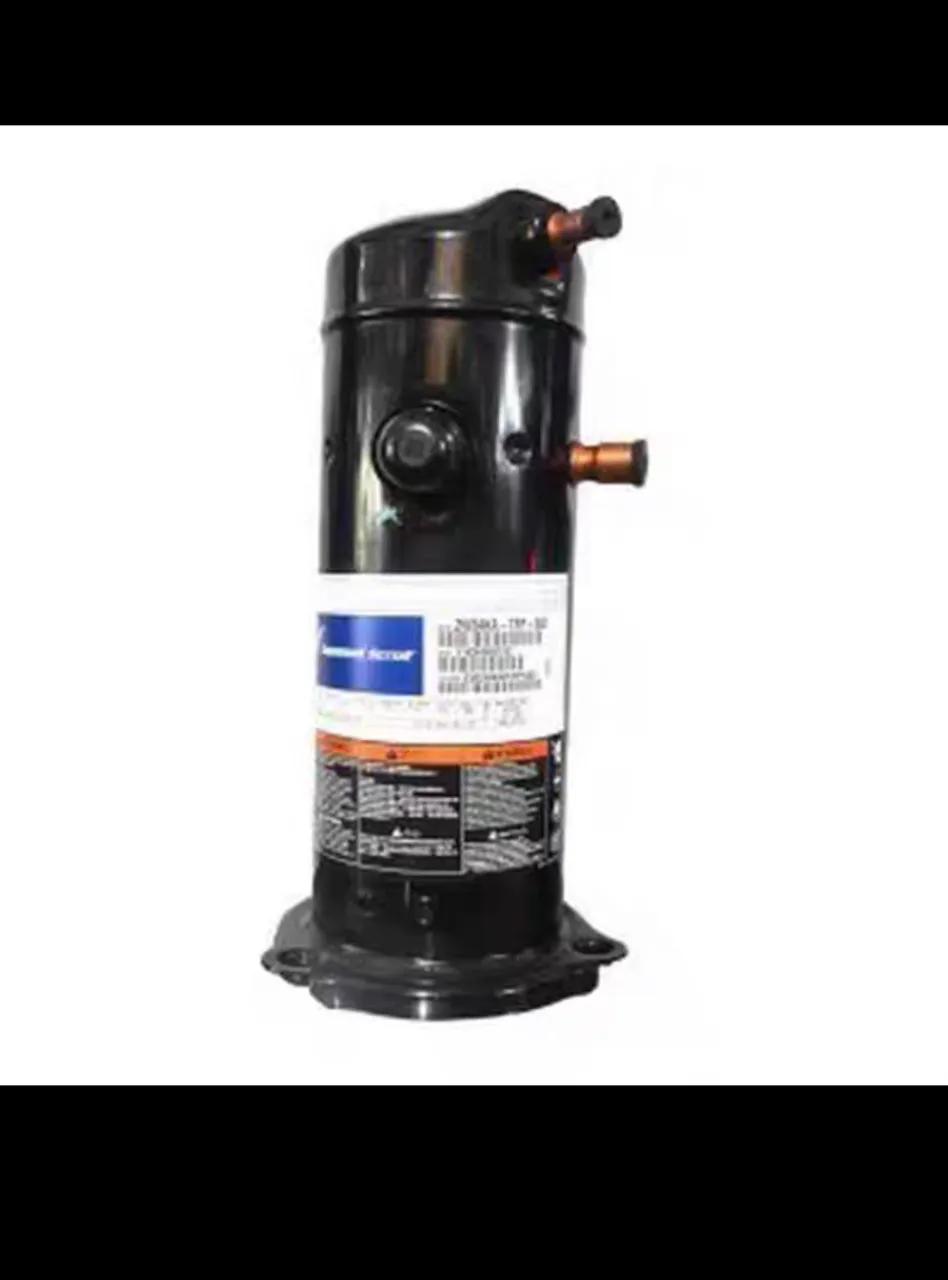
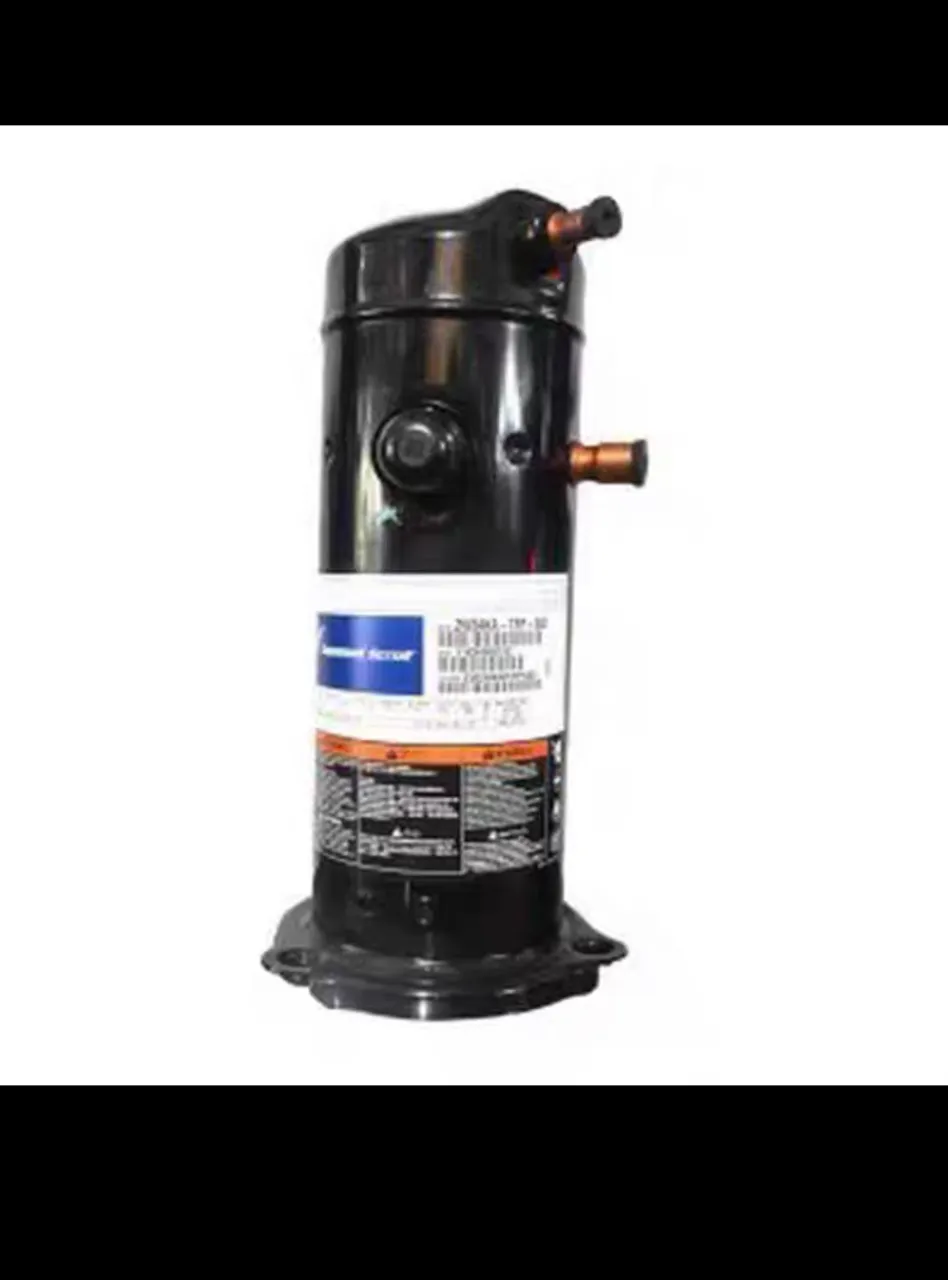
Compressor Refrigerant Compatibility Guide for R134a, R404A, R410A, R290, and Other Common Refrigerants
A practical compressor refrigerant compatibility guide covering R134a, R404A, R410A, R290, oil selection, retrofit risks, and replacement buying checks.
Choosing a replacement compressor is not only about horsepower, voltage, or brand. Refrigerant compatibility is one of the most important checks in refrigeration and air-conditioning service, because the wrong match can lead to poor capacity, oil return problems, overheating, high discharge temperature, or complete compressor failure.
For distributors, repair companies, and cold-room installers serving overseas markets, this is a daily issue. Many systems in the field still run on legacy refrigerants, while new projects increasingly use lower-GWP options and hydrocarbons. That creates a mixed installed base where buyers need clear answers: which compressor families are suitable for which refrigerants, what cannot be mixed, and when a retrofit is realistic.
This guide explains the practical side of compressor refrigerant compatibility for common refrigerants including R134a, R404A, R410A, and R290, with attention to oil choice, application range, operating temperature, and replacement risk.
Why compressor refrigerant compatibility matters
A compressor is designed around the thermodynamic and chemical behavior of a specific refrigerant or refrigerant group. Even when two refrigerants seem close in pressure or temperature range, they may not be interchangeable in real service conditions.
Compatibility affects several critical areas:
- Operating pressure: Different refrigerants run at different suction and discharge pressures.
- Mass flow and capacity: A compressor sized for one refrigerant may deliver too little or too much capacity with another.
- Discharge temperature: Some refrigerants create higher discharge temperatures, which can shorten compressor life.
- Motor loading: Current draw and motor cooling can change significantly.
- Lubricant behavior: Oil miscibility and oil return depend heavily on refrigerant type.
- Seal and material compatibility: Gaskets, elastomers, and internal components may not be suitable for a different refrigerant or oil.
- Safety classification: Some refrigerants are flammable, and that changes compressor design and installation rules.
In short, a compressor is never simply a mechanical pump that can accept any gas. Refrigerant choice is tied directly to reliability, safety, and performance.
Which compressor families are commonly used with which refrigerants
There is no universal compatibility chart that applies to every brand and model, but common industry patterns are consistent enough to guide preliminary selection.
Compressors for R134a
R134a is widely used in medium-temperature refrigeration and in some older commercial and appliance applications. Compressors designed for R134a are usually optimized for:
- Medium back pressure applications
- Moderate compression ratios
- Oil systems typically using POE or, in some legacy designs, other lubricants depending on the original application
Typical uses include:
- Beverage coolers
- Reach-in cabinets
- Small commercial refrigeration equipment
- Some transport or specialty systems
A compressor for R134a is not automatically suitable for R404A or R410A. Pressure levels, displacement needs, and discharge conditions differ too much in many cases.
Compressors for R404A and similar low-temperature blends
R404A has long been associated with commercial low- and medium-temperature refrigeration, especially where strong pull-down and freezer duty are needed. Compressors for R404A are generally built to handle:
- Higher mass flow demand than R134a in comparable low-temperature duty
- Lower evaporating temperatures
- Challenging discharge temperatures in freezer applications
- POE oil in most modern systems
Typical uses include:
- Freezer cabinets
- Cold rooms
- Display freezers
- Commercial low-temperature condensing units
When buyers search for a compressor for R404A, they often need to confirm whether the replacement is for low-temperature freezer duty or medium-temperature refrigeration. That distinction matters because compressor application envelopes can differ even within the same refrigerant family.
Compressors for R410A
R410A operates at much higher pressures than R22, R134a, or R404A. Compressors designed for R410A are usually found in air-conditioning and heat pump applications rather than standard commercial refrigeration.
Key characteristics include:
- High-pressure design
- Specific motor and shell construction for R410A operating conditions
- POE oil requirement in most cases
- Application mainly in split AC, rooftop units, and heat pumps
An R410A compressor should not be treated as a general-purpose replacement for lower-pressure refrigerants. The pressure class alone makes cross-use unsuitable in most situations.
Compressors for R290
R290 is propane, a hydrocarbon refrigerant with low GWP and strong thermodynamic performance. A R290 compressor is typically engineered for both refrigerant performance and safety compliance.
Important points:
- R290 is flammable
- Compressors for R290 are designed with electrical and safety considerations specific to hydrocarbon use
- Oil selection and charge quantity rules are application-sensitive
- Equipment design, ventilation, and service procedures matter as much as compressor selection
R290 is increasingly used in:
- Plug-in commercial cabinets
- Small condensing units in suitable designs
- Beverage and food retail refrigeration
- Certain domestic and light commercial systems
A compressor that works with non-flammable HFC refrigerants is not automatically suitable for R290, even if capacity appears similar. Flammability classification changes the selection rules.
Other common refrigerants and replacement families
Depending on market and region, buyers may also encounter compressors listed for refrigerants such as:
- R22 in legacy air-conditioning and refrigeration systems
- R507 as a low-temperature alternative in some existing installations
- R407C for air-conditioning and some retrofit work
- R448A or R449A in lower-GWP commercial refrigeration retrofits
- R600a in domestic and small-charge applications
These products are often grouped by compressor manufacturers into approved refrigerant families. The safest buying practice is to match the exact approved refrigerant list for the compressor model, not only the application type.
What cannot be mixed
This is where many field problems begin. Similar duty does not mean compatibility.
Do not assume refrigerants are interchangeable
Common unsafe assumptions include:
- Replacing an R134a compressor with an R404A compressor because the cabinet size is similar
- Using an R410A compressor in a lower-pressure refrigerant system
- Charging R290 into equipment and compressors not approved for flammable refrigerants
- Treating retrofit blends as direct drop-ins without checking compressor application limits
Even when the piping connects and the unit starts, long-term operation may be unstable or unsafe.
Do not mix oils casually
Compressor oil compatibility is central to refrigerant compatibility. Different refrigerants require different lubricant behavior for oil return and bearing protection.
Common practical rules:
- POE oil is widely used with many HFC and HFO blends, but the exact viscosity and formulation still matter.
- Mineral oil and alkylbenzene remain relevant in certain legacy systems, especially older refrigerant designs.
- Hydrocarbon refrigerants may use different lubricant recommendations depending on compressor design.
- Mixing oil types without approval can reduce lubrication quality and create return problems.
Oil chemistry also affects moisture tolerance. POE oil is hygroscopic, so open-system exposure during service should be minimized.
Do not ignore pressure class and temperature range
A compressor suitable for medium-temperature cooling may fail quickly in low-temperature freezer service. Likewise, a compressor intended for one refrigerant’s pressure range may overload or run outside its safe envelope with another.
Before approving a replacement, check:
- Refrigerant designation
n- Application range: high, medium, or low temperature
- Evaporating and condensing conditions
- Cooling method and return gas temperature
- Electrical characteristics
- Oil type and charge
Retrofit cautions: when a refrigerant change is possible and when it is not
Retrofit questions often come from customers trying to extend the life of existing systems or move toward lower-GWP refrigerants. In practice, some retrofits are manageable, while others create too many mechanical, oil, control, and safety problems.
A refrigerant retrofit is not just a gas change
When changing refrigerant, technicians may also need to review:
- Compressor approval for the target refrigerant
- Oil type and oil viscosity
- Expansion valve selection or adjustment
- Pressure control settings
- Motor current under new operating conditions
- Discharge line temperature
- Defrost and control strategy
- Labeling and safety requirements
For this reason, a low GWP refrigerant retrofit should be treated as a system conversion project, not a refill shortcut.
Legacy HFC to lower-GWP blends
In commercial refrigeration, some existing R404A systems are considered for replacement blends such as R448A or R449A. These conversions may be possible in certain systems, but compressor suitability must be verified carefully.
Watch for:
- Higher discharge temperature than the original refrigerant
- Capacity shift at low and medium temperatures
- Oil return behavior
- Expansion device adjustment needs
- Compressor envelope limits in freezer duty
A compressor that survives the first week after retrofit is not necessarily operating correctly for long-term reliability.
Conversion to hydrocarbons requires extra caution
Converting an existing HFC system to R290 or another hydrocarbon is not a routine refrigerant substitution. Even if the thermodynamics are attractive, the safety classification changes the entire risk profile.
Critical concerns include:
- Flammability compliance
- Electrical component suitability
- Refrigerant charge limitations
- Service environment and technician procedures
- Compressor approval specifically for hydrocarbon use
For most field service teams, hydrocarbon conversion should never be treated as an informal workaround.
How refrigerant choice affects oil, capacity, and discharge temperature
These three areas are where compressor compatibility becomes visible in day-to-day operation.
Oil return and lubricant stability
The compressor depends on a stable lubricant circuit. If the refrigerant and oil do not work well together, the system may suffer:
- Poor oil return from the evaporator
- Foaming or dilution issues
- Bearing wear
- Reduced cooling of moving parts
- Shortened compressor life
This is why oil must be checked by both type and viscosity grade, not only by broad family name.
Capacity and system performance
Changing refrigerant can shift compressor capacity in either direction. That affects box pull-down, evaporator feeding, suction pressure, and cycling behavior.
Possible outcomes include:
- The system runs longer to reach setpoint
- The compressor short cycles because capacity no longer matches load
- The expansion valve becomes poorly matched
- Condensing unit performance no longer aligns with evaporator duty
For distributors supplying replacement parts, this is why the original refrigerant, evaporating temperature, and application type should be requested before quoting a compressor.
Discharge temperature and reliability risk
High discharge temperature is a common warning sign after an incorrect refrigerant substitution or poorly planned retrofit. Excessive discharge temperature can damage oil, stress valves, and reduce motor life.
Conditions that often raise discharge temperature include:
- Low evaporating temperature operation
- High compression ratio
- Inadequate suction gas cooling
- Use of a refrigerant outside the compressor’s intended envelope
- Wrong expansion device setting after retrofit
In freezer applications especially, discharge temperature should never be an afterthought.
A practical buying and replacement checklist
When evaluating a compressor replacement or alternative brand, collect these details before ordering:
Minimum technical checks
- Original compressor model
- Refrigerant currently used
- Application: air-conditioning, medium temp refrigeration, or low temp refrigeration
- Voltage, frequency, and phase
- Evaporating and condensing conditions if available
- Oil type
- Cooling requirement and box temperature
- Whether the system is original or previously retrofitted
Questions distributors and service teams should ask
- Is the replacement approved for the exact refrigerant?
- Is it approved for the required temperature range?
- Does the oil specification match the application?
- Is the compressor intended for AC, refrigeration, or heat pump duty?
- If the refrigerant has changed before, what controls or components were also changed?
- Are there flammability or compliance issues with the target refrigerant?
When to stop and verify with the manufacturer or supplier
Do not rely on visual similarity or shell size alone if any of the following apply:
- The refrigerant is changing from HFC to hydrocarbon
- The system is a freezer or low-temperature cold room
- The replacement compressor belongs to a different refrigerant family
- Oil type is unknown
- The unit has already been retrofitted once
- The application involves R410A or other high-pressure refrigerants
Bottom line
Compressor refrigerant compatibility is not a minor catalog detail. It affects safety, lubrication, pressure handling, capacity, discharge temperature, and service life. For overseas distributors, repair companies, and installers, the safest path is to treat refrigerant as a primary selection criterion rather than a secondary note.
As a working rule:
- Match the compressor to the approved refrigerant list
- Verify oil compatibility, not only refrigerant name
- Separate air-conditioning, medium-temp, and low-temp applications clearly
- Treat retrofits as engineering changes, not simple replacements
- Use extra caution with high-pressure refrigerants and flammable refrigerants
A clear refrigerant compatibility check at the quotation stage can prevent misapplication, returns, and expensive field failures later.
FAQ
Can I use an R404A compressor in place of an R134a compressor?
Not as a general rule. R404A and R134a have different operating characteristics, capacity behavior, and application envelopes. Even if the mounting and electrical details look similar, the replacement may run with the wrong pressures, oil return, or discharge temperature. Always check the compressor’s approved refrigerants and temperature range.
Why is compressor oil compatibility so important when changing refrigerant?
The oil must circulate correctly with the refrigerant and still protect bearings and moving parts. If the oil type or viscosity is wrong, the system can suffer poor oil return, lubrication failure, overheating, and early compressor damage. Oil should be checked together with refrigerant approval, not as a separate afterthought.
Is R290 a drop-in replacement for HFC refrigerants?
No. R290 is a flammable hydrocarbon refrigerant, so it requires compressor approval, suitable electrical design, correct charge management, and safe installation and service procedures. A system designed for non-flammable HFC refrigerants should not be converted casually to R290.
What should I confirm before ordering a replacement compressor?
At minimum, confirm the original compressor model, refrigerant, application type, voltage and frequency, oil type, and whether the system is medium- or low-temperature. If the unit has been retrofitted before or uses a flammable refrigerant, verify the exact compressor approval with the manufacturer or supplier.
Buyer Next Step
Move from research to sourcing with a category shortlist, relevant product examples, and a quote request channel.