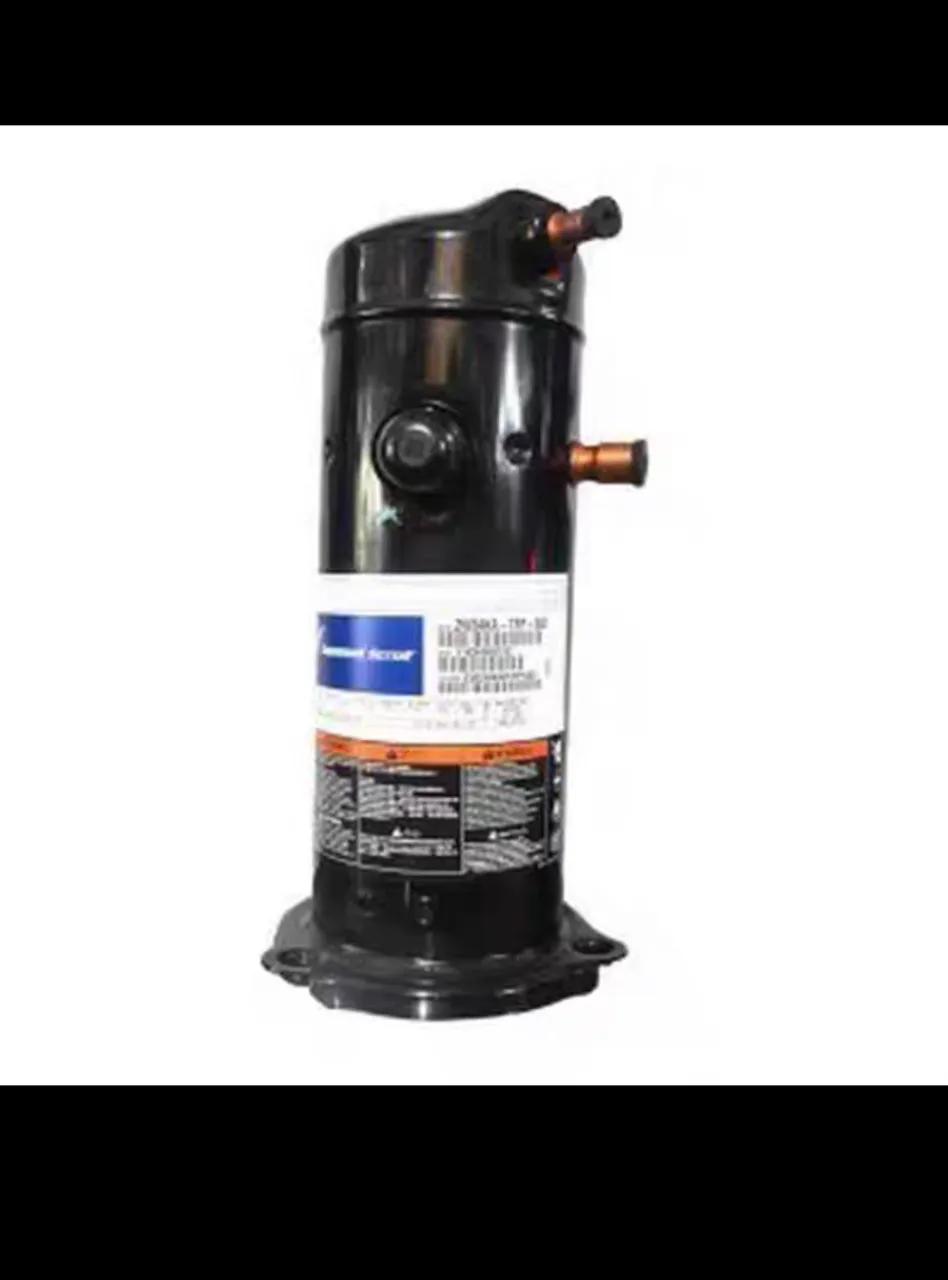
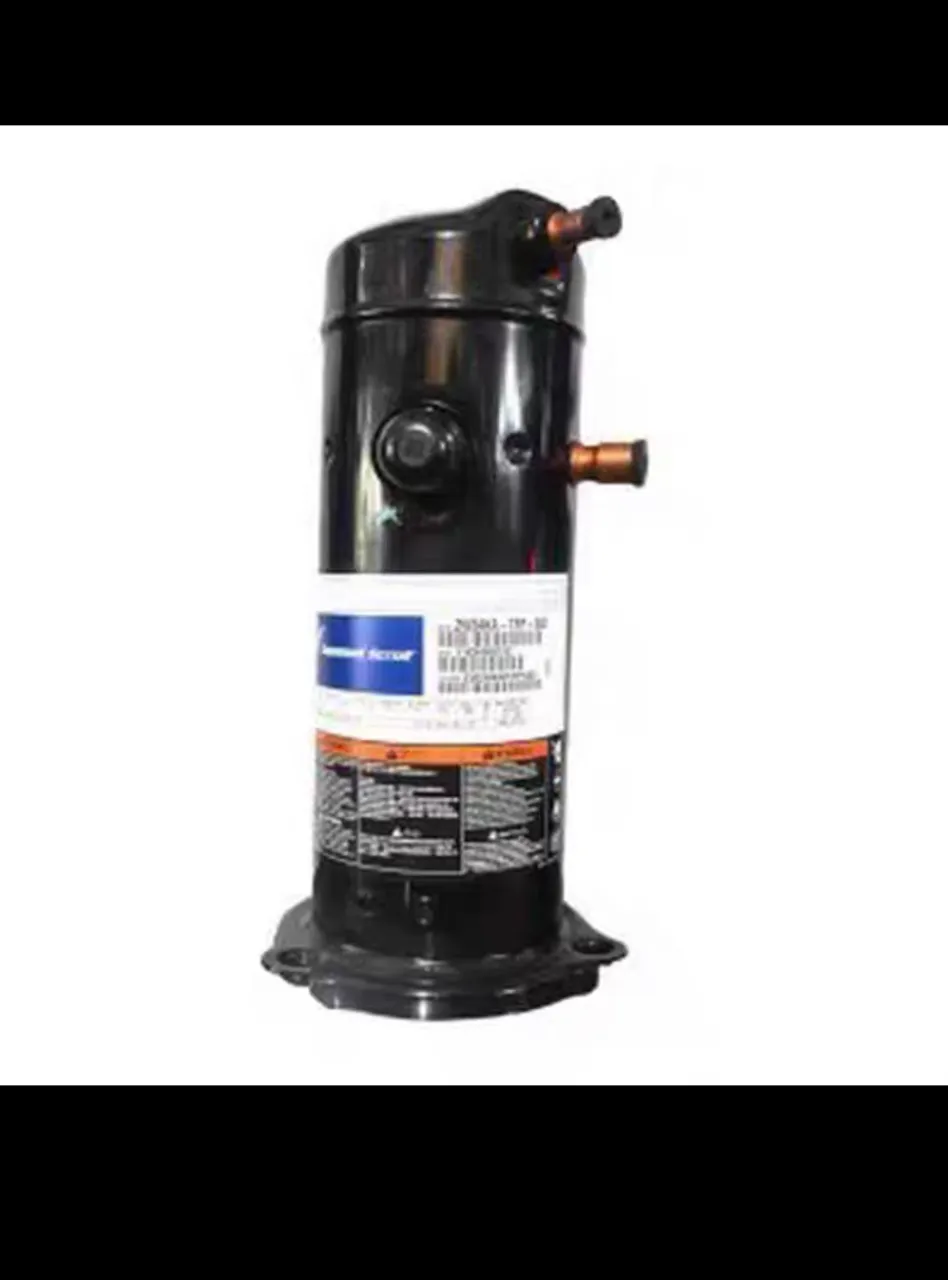
Compressor Refrigerant Compatibility Guide: R134a, R404A, R407C, R410A, R32, R454B and R290
A practical compressor refrigerant compatibility chart for legacy replacements, low-GWP options, oil selection, pressure design and safety class checks.
Why Compressor Refrigerant Compatibility Matters
Choosing a compressor is not only a question of horsepower, voltage, displacement or connection size. The compressor must be designed for the refrigerant in the system. A mismatch can lead to poor cooling capacity, high discharge temperature, oil return problems, electrical overload, unsafe operation or early compressor failure.
This is especially important as many markets move away from traditional high-GWP refrigerants and toward lower-GWP alternatives. Buyers are now comparing legacy options such as R134a, R404A and R407C with newer refrigerants such as R32, R454B and R290. At the same time, service companies still need practical replacement compressors for existing equipment already installed in supermarkets, restaurants, cold rooms, display cabinets, process cooling systems and air-conditioning units.
A compressor refrigerant compatibility chart is a useful starting point, but it should never be the only selection tool. Real compatibility depends on four main factors:
- Refrigerant type and operating pressure
- Compressor design envelope and motor cooling
- Lubricant type and oil return behavior
- Refrigerant safety class, including flammability requirements
For distributors, installers and repair technicians, the safest approach is to match the compressor to the original refrigerant wherever possible, then verify the compressor model data, application envelope and system components before installation.
Compressor Refrigerant Compatibility Chart
The following chart gives a practical overview of common refrigerants and compressor selection considerations. It is intended for procurement and service planning, not as a substitute for compressor manufacturer data.
| Refrigerant | Common applications | Typical compressor compatibility notes | Oil considerations | Safety / handling notes |
|---|---|---|---|---|
| R134a | Medium-temperature refrigeration, chillers, beverage coolers, automotive-type systems, some commercial cabinets | Requires compressors designed for R134a pressure and mass flow. Not interchangeable with high-pressure HFCs such as R410A. | Usually POE oil in modern refrigeration compressors; some older systems may differ. | A1 non-flammable refrigerant, but still requires proper recovery and handling. |
| R404A | Low- and medium-temperature commercial refrigeration, cold rooms, freezers, display cases | Use compressors specifically rated for R404A or approved similar refrigerants. Common in legacy commercial refrigeration. | Usually POE oil. Oil return must be checked in long-pipe or low-temperature systems. | A1 non-flammable refrigerant. Many markets are reducing its use due to high GWP. |
| R407C | Air conditioning, chillers, some medium-temperature systems | Often used as an R22 replacement in suitable systems, but compressor approval and glide must be considered. | Usually POE oil for HFC systems. | A1 non-flammable refrigerant. It is a zeotropic blend with temperature glide. |
| R410A | Residential and light commercial air conditioning, heat pumps | Requires high-pressure compressors designed for R410A. Not compatible with R22 or R134a compressors. | Usually POE oil. Moisture control is important. | A1 non-flammable refrigerant, but higher pressure requires correct components and service tools. |
| R32 | Air conditioning, heat pumps, some modern split and packaged systems | Requires compressors specifically designed and approved for R32 pressure, discharge temperature and A2L use. | Usually POE oil or manufacturer-specified lubricant. | A2L mildly flammable. Requires compatible electrical design, charge limits and safe service practice. |
| R454B | Newer air-conditioning and heat pump equipment in some markets | Requires A2L-approved compressors and system components. Often considered as a lower-GWP replacement direction for R410A equipment designs, not a simple drop-in replacement. | Manufacturer-specified oil, commonly POE-based depending on compressor design. | A2L mildly flammable. Requires A2L-rated components, labeling, ventilation and correct handling. |
| R290 | Plug-in cabinets, small commercial refrigeration, heat pump and specialty systems designed for hydrocarbons | Requires compressors specifically approved for propane. Not suitable for standard non-hydrocarbon compressors. | Oil depends on compressor design; follow manufacturer data. | A3 highly flammable. Requires strict charge limits, spark-safe design and trained handling. |
What the chart does and does not mean
The chart helps narrow down the type of compressor needed. It does not mean refrigerants can be freely substituted in an existing system. Even refrigerants with similar applications may require different compressor motors, valves, gaskets, pressure ratings, oil types, capillary tubes, expansion valves, condensers, evaporators or controls.
For example, an R410A compressor is built for much higher operating pressure than an R134a compressor. An R32 compressor must be designed for both the pressure and the mildly flammable safety class. An R290 compressor must be approved for hydrocarbon use, with suitable electrical protection and system design.
Key Compatibility Factors to Check Before Buying a Compressor
1. Refrigerant approval
The compressor label, catalog or technical sheet should clearly identify approved refrigerants. If the required refrigerant is not listed, do not assume compatibility based on displacement or cooling capacity alone.
For replacement buyers, this is the most important first check. A compressor may look physically similar to the original model but be designed for a different refrigerant family.
Common examples include:
- R134a compressor models for medium-temperature refrigeration
- R404A compressor replacement models for low-temperature freezers and cold rooms
- R410A compressor models for air-conditioning and heat pumps
- R32 compressor models for newer A2L air-conditioning systems
- R290 compressor models for hydrocarbon commercial cabinets
If a compressor is approved for multiple refrigerants, the operating envelope may still differ by refrigerant. Capacity, input power, discharge temperature and maximum current can change significantly.
2. Pressure design and application envelope
Every refrigerant operates at a different pressure level. The compressor must be mechanically and electrically suitable for the expected evaporating and condensing conditions.
Important checks include:
- Maximum allowable pressure
- Evaporating temperature range
- Condensing temperature range
- Return gas temperature
- Discharge temperature limits
- Motor current and overload protection
- Starting torque requirements
A compressor used outside its approved envelope may run for a short time but fail prematurely. This is common when a replacement compressor is selected only by nominal horsepower instead of actual refrigeration duty.
Pressure design is especially critical when comparing R134a, R404A, R410A and R32. R410A and R32 air-conditioning compressors are not interchangeable with lower-pressure refrigeration compressors. A service team should also confirm that service gauges, recovery machines, hoses and cylinders are rated for the refrigerant being handled.
3. Lubricant and oil return
Refrigerant and oil must work together. The lubricant affects bearing protection, motor cooling, oil circulation and system reliability. In many modern HFC and HFO-blend systems, POE oil is common, while other compressor designs may use different oils depending on the refrigerant and manufacturer.
Oil-related compatibility problems can appear as:
- Poor oil return from the evaporator
- Foaming at startup
- High compressor temperature
- Bearing wear
- Reduced heat transfer
- Blocked capillary tubes or expansion devices due to contamination
When replacing a compressor, do not mix oils unless the compressor and refrigerant supplier allow it. If a retrofit has already been performed, identify the current refrigerant and oil type before ordering a replacement.
4. Safety class and electrical design
Refrigerants are classified by toxicity and flammability. Many traditional refrigerants used in commercial refrigeration and air conditioning are A1, meaning lower toxicity and no flame propagation under standard classification conditions. Newer low-GWP options often include A2L mildly flammable refrigerants, while hydrocarbons such as R290 are A3 highly flammable.
This matters because the compressor is part of an electrical and mechanical system. A2L and A3 systems may require specific design features such as:
- Approved compressor construction
- Suitable electrical components
- Correct terminal protection
- Refrigerant leak management
- Charge amount limits
- System labeling
- Ventilation and installation controls
- Technician training and safe tools
An A2L compressor or A3 compressor should only be used in equipment designed for that refrigerant class. Replacing an A1 compressor with an A2L or A3 compressor in a standard system is not a normal service substitution.
Notes by Refrigerant: Legacy and Modern Compressor Selection
R134a compressor selection
R134a remains common in medium-temperature commercial refrigeration and some chiller applications. It is a lower-pressure HFC compared with R410A and is often found in beverage coolers, display cabinets and other systems that do not require very low evaporating temperatures.
When selecting an R134a compressor, check the evaporating temperature range and cooling capacity at the actual operating condition. A compressor rated for one medium-temperature duty may not be suitable for a different application with higher condensing temperatures or weak ventilation around the condenser.
For replacements, confirm whether the failed compressor used POE oil and whether the system is clean. Acid, moisture or burnt motor contamination can quickly damage a new compressor if the system is not properly cleaned and evacuated.
R404A compressor replacement
R404A has been widely used in low-temperature and medium-temperature commercial refrigeration, including cold rooms, freezers and display cases. Because of refrigerant transition policies in many markets, some buyers now look for replacements, alternatives or retrofit options.
For a direct R404A compressor replacement, the simplest path is normally to select a compressor approved for R404A with similar capacity, voltage, phase, displacement, mounting and connection requirements. However, service teams should also verify expansion valve selection, condenser performance and oil return, especially in low-temperature cold-room systems with long piping.
If the system is being converted from R404A to another refrigerant, the compressor must be approved for the new refrigerant. Capacity and pressure differences can require changes to expansion devices, controls, seals and charging procedure. A retrofit is an engineering decision, not only a compressor purchase.
R407C compressor applications
R407C is often associated with air-conditioning and chiller systems, and it has also been used as a replacement direction for some older R22 equipment where the system is suitable. It is a zeotropic blend, which means it has temperature glide. Technicians must account for this when charging, measuring superheat and subcooling, and evaluating evaporator or condenser performance.
A compressor for R407C should be checked for approved refrigerant listing and operating envelope. Because R407C systems commonly use POE oil, moisture control is important during service. Proper evacuation and filter drier replacement are practical steps that help protect the compressor after installation.
R410A compressor selection
R410A is a common refrigerant in residential and light commercial air-conditioning and heat pump systems. It operates at higher pressure than many older refrigerants, which means the compressor, heat exchangers, valves, hoses and service tools must all be suitable for R410A pressure.
A R410A compressor should not be replaced with a compressor designed for R22, R134a or R404A. Even if the physical size appears similar, pressure rating and motor design are not the same.
For replacement work, confirm the original compressor type, including rotary, scroll or reciprocating design, as well as voltage, phase, frequency, capacity and oil type. In heat pump systems, also check reversing valve operation and defrost controls before condemning the compressor.
R32 compressor and A2L considerations
R32 is used in many newer air-conditioning and heat pump systems. It has different performance characteristics from R410A and is classified as A2L, meaning mildly flammable. A R32 compressor must be approved for R32 and for the safety requirements of the complete system.
R32 is not a casual drop-in replacement for R410A in existing equipment. The compressor, controls, heat exchangers, charge amount, safety labeling and installation conditions must be considered. Service technicians also need A2L-compatible recovery and handling practices.
When buying R32 compressors for export markets, distributors should confirm the destination market requirements and the equipment manufacturer’s specifications. Compressor compatibility alone does not guarantee that the finished system is compliant.
R454B compressor and lower-GWP system design
R454B is one of the lower-GWP A2L refrigerants being used in newer air-conditioning and heat pump equipment designs. It is often discussed in relation to R410A transition planning, but it should not be treated as a direct replacement in existing R410A equipment unless the system manufacturer has specifically approved the conversion.
A R454B compressor must be designed for the refrigerant’s pressure, temperature and A2L safety requirements. The complete system must use compatible components, including controls and electrical parts appropriate for mildly flammable refrigerants.
For buyers, the key point is to distinguish between replacement compressors for installed R410A systems and compressors for new equipment platforms designed around R454B. The procurement question is not only “Does the compressor fit?” but “Was the system designed for this refrigerant?”
R290 compressor and hydrocarbon refrigeration
R290, or propane, is used in many compact commercial refrigeration systems and selected heat pump applications. It offers strong thermodynamic performance, but it is classified as A3, highly flammable. This makes compressor approval and system design especially important.
An R290 compressor must be specifically rated for hydrocarbon refrigerant. Standard compressors for A1 refrigerants should not be used in R290 systems. Electrical components, switches, relays, enclosures and service procedures must be suitable for the application.
R290 systems also often have strict refrigerant charge considerations. For repair companies, this means technicians must be trained, tools must be appropriate, and the work area must be controlled to prevent ignition risks.
Practical Buying Checklist for Distributors, Repair Teams and Installers
A reliable compressor replacement starts with accurate information. Before ordering, collect as much system data as possible.
Compressor identification
Record the original compressor brand, model number, serial information, refrigerant, voltage, phase, frequency, cooling capacity and application type. If the nameplate is damaged, identify the equipment model and system operating conditions.
System condition
A failed compressor may be the result of another system problem. Before replacing it, check for:
- Poor condenser airflow
- Dirty coils
- Incorrect refrigerant charge
- Blocked filter drier
- Moisture or acid in the circuit
- Faulty expansion valve
- Liquid floodback
- Electrical supply problems
- Incorrect pressure controls
Installing a new compressor without correcting the root cause can lead to repeat failure.
Refrigerant and oil confirmation
Never assume the refrigerant in the system is the same as the original label, especially on older equipment that may have been serviced or retrofitted. Recover and identify refrigerant where necessary, and confirm the oil type before choosing a replacement compressor.
Capacity matching
Match compressor capacity at the real evaporating and condensing temperatures, not only by horsepower. Two compressors with the same nominal horsepower may deliver different cooling capacity depending on refrigerant, design and application envelope.
Electrical and mechanical fit
Check voltage, phase, frequency, locked rotor current, running current, capacitor requirements, overload protection, mounting dimensions, suction and discharge connections, oil sight glass, crankcase heater and accessories.
Safety and compliance
For A2L and A3 refrigerants, verify that the compressor and the complete system are suitable for the refrigerant safety class. Confirm local installation rules, charge limits, ventilation requirements and service procedures in the destination market.
How to Use a Compatibility Guide Without Making a Costly Mistake
A compressor refrigerant compatibility chart is most useful at the early selection stage. It helps a distributor or service buyer avoid obvious mismatches, such as using an R134a compressor in a high-pressure R410A system or installing a non-hydrocarbon compressor in an R290 cabinet.
The final selection should always be based on compressor manufacturer data and the actual operating conditions of the equipment. In practice, the best replacement choice is the one that matches refrigerant approval, oil type, pressure envelope, capacity, electrical rating and safety class.
For legacy systems, direct replacement with an approved equivalent is often the lowest-risk option when the refrigerant remains available and legal for service in that market. For systems moving to lower-GWP refrigerants, the compressor decision becomes part of a wider engineering review. R32, R454B and R290 can be effective refrigerants in properly designed systems, but they require the correct compressor and safe handling procedures.
For procurement teams, the most valuable question is not simply “Which compressor is compatible with this refrigerant?” It is “Which compressor is approved for this refrigerant, this application, this oil, this pressure range and this safety class?” That broader check is what protects system performance, service reliability and customer confidence.
FAQ
Can I use the same compressor with different refrigerants?
Only if the compressor manufacturer specifically approves those refrigerants for that model and operating envelope. Refrigerants differ in pressure, mass flow, discharge temperature, oil behavior and safety class, so physical fit alone is not enough.
Is an R410A compressor compatible with R32 or R454B?
Not automatically. R32 and R454B are A2L mildly flammable refrigerants and require compressors and systems designed for A2L use. Some new equipment platforms are designed around these refrigerants, but existing R410A systems should not be converted unless the equipment manufacturer approves it.
What should I check when buying an R404A compressor replacement?
Confirm the original compressor model, refrigerant, voltage, phase, capacity, oil type, application temperature and connection layout. Also check the system for the cause of failure, such as poor condenser airflow, liquid floodback, moisture, acid or a blocked filter drier.
Why is oil type important for compressor refrigerant compatibility?
Oil must circulate with the refrigerant and return to the compressor while protecting bearings and internal parts. The wrong oil can cause poor lubrication, oil logging, overheating or early compressor failure. Modern HFC and HFO-blend systems commonly use POE oil, but the compressor data should always be checked.
Can a standard refrigeration compressor be used with R290?
No. R290 is propane and is classified as A3 highly flammable. It requires a compressor specifically approved for hydrocarbon refrigerant, along with compatible electrical components, charge limits, labeling and safe service procedures.
Buyer Next Step
Move from research to sourcing with a category shortlist, relevant product examples, and a quote request channel.