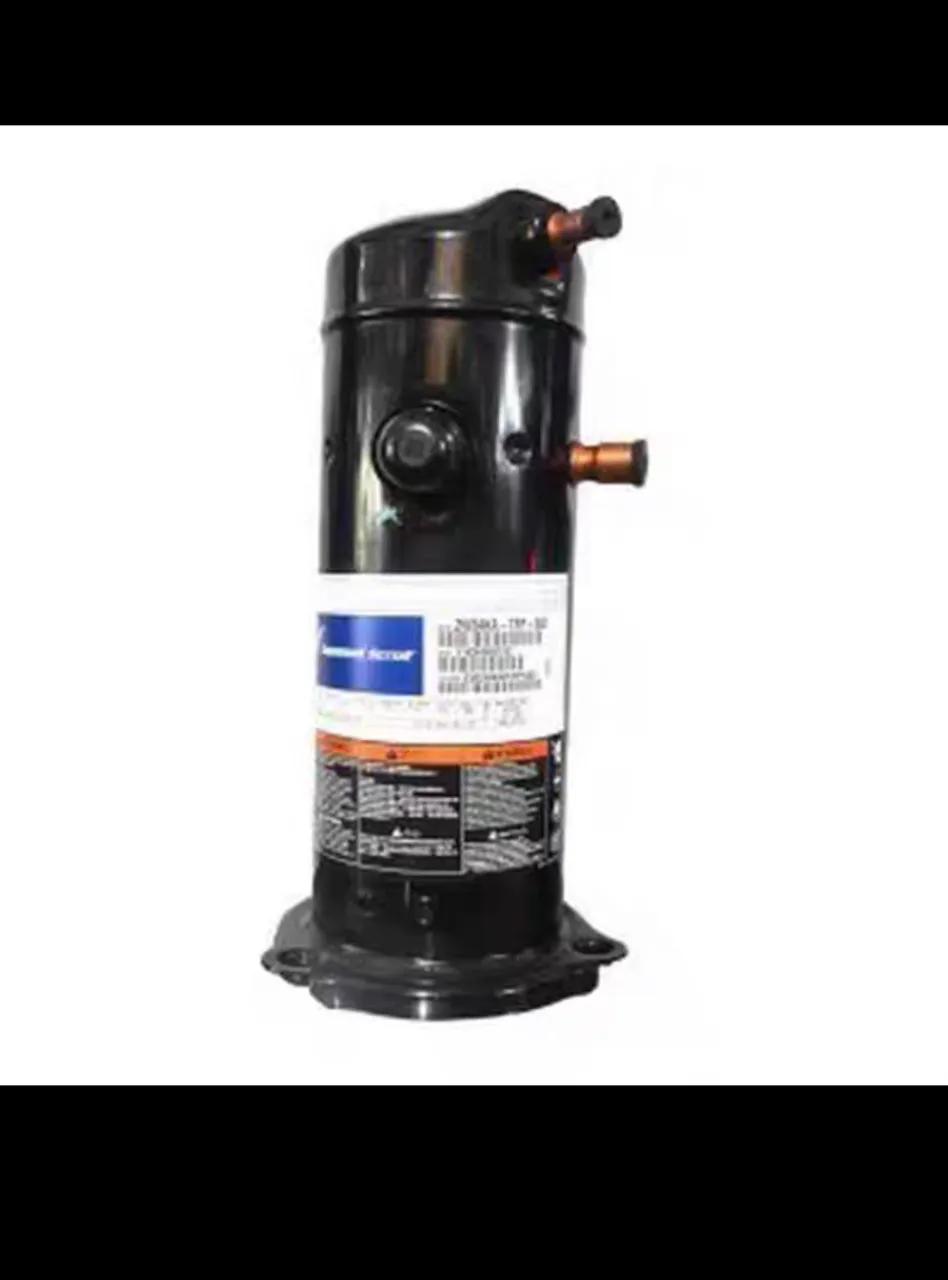
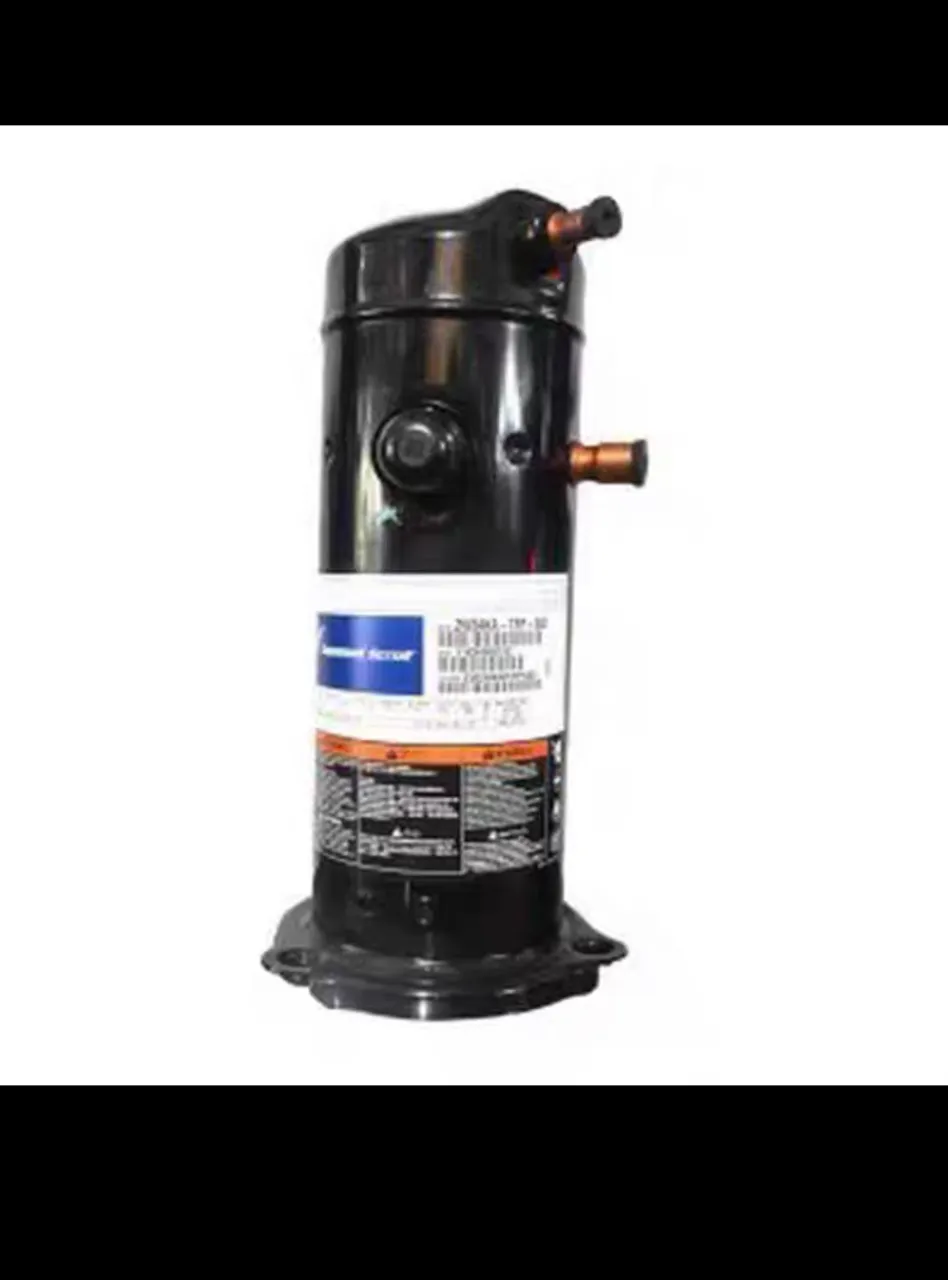
R404A Phase-Out: Complete Guide to Replacement Compressors and Refrigerant Alternatives
A practical guide to R404A compressor replacement options, refrigerant alternatives, compatibility checks, and what buyers and service teams should review now.
R404A has been a standard refrigerant in commercial refrigeration for years, especially in low- and medium-temperature systems such as display cases, condensing units, cold rooms, freezer rooms, and transportable refrigeration equipment. That position is changing fast. As high-GWP refrigerants face tighter controls in many markets, owners, distributors, contractors, and service companies are being pushed toward retrofit plans, equipment upgrades, and compressor replacement decisions.
For buyers outside China who manage international supply chains, the issue is not only regulatory. It also affects spare parts planning, service response, refrigerant availability, and long-term equipment value. Choosing the right R404A compressor replacement option means looking at the refrigerant transition, application temperature, oil compatibility, system pressure range, motor loading, and whether the job is a retrofit or a full condensing unit or rack upgrade.
This guide explains what is changing, why it matters, and how to approach replacement compressors and refrigerant alternatives in a practical way.
Why R404A Is Being Replaced
R404A became popular because it delivered reliable performance in commercial refrigeration, particularly in low-temperature applications. The problem is its high global warming impact compared with newer options. In many regions, environmental policy has shifted the market toward lower-GWP refrigerants, and that has reduced the long-term viability of R404A-based systems.
For contractors and parts distributors, the phase-out trend creates three immediate effects:
- R404A equipment becomes harder to future-proof
- Service strategies must adapt to alternative refrigerants
- Compressor replacement can no longer be treated as a simple like-for-like decision
The same broader transition has already affected R22 in air conditioning and refrigeration. That is why many buyers now review refrigerant compliance and compressor compatibility together rather than separately.
Why this matters in day-to-day operations
An end user may only notice that an old compressor failed. But for the service team, the real question is larger:
- Should the failed R404A compressor be replaced with the same refrigerant in mind?
- Is a retrofit refrigerant more practical?
- Is it better to change the compressor, expansion settings, oil, and controls at the same time?
- Will the selected compressor remain serviceable as refrigerant rules tighten further?
That is why the best replacement decision depends on the application, not only on compressor horsepower or displacement.
Main R404A Refrigerant Alternatives and What They Mean for Compressor Selection
Several lower-GWP refrigerant options are commonly considered when replacing or retrofitting R404A systems. The most discussed alternatives in commercial refrigeration include blends such as R448A and R449A, while some projects may also consider other refrigerants depending on application design and regional acceptance.
R448A and R449A: the most common transition path
For many supermarket, cold room, and condensing unit applications, R448A and R449A are among the most common alternatives to R404A. They are often evaluated because they offer a lower-GWP path while remaining relevant to existing commercial refrigeration system architectures.
However, “drop-in replacement” is too simplistic for real field work. Before selecting a compressor for R448A or R449A, teams should review:
- Approved refrigerant list from the compressor manufacturer
- Required lubricant type and oil return behavior
- Operating envelope at medium- or low-temperature conditions
- Discharge temperature characteristics
- Capacity and efficiency differences versus R404A
- Expansion valve suitability and control adjustments
- Defrost and case temperature performance under actual load
In many cases, an existing compressor model family may have approved variants for R404A, R448A, and R449A, but not every model should be assumed interchangeable without checking published compatibility.
Why compressor compatibility is not just about refrigerant name
A replacement compressor must be matched to the system’s real operating conditions. Even where an alternative refrigerant is technically usable, the application may still require attention to:
- Motor size and current draw
- Suction and discharge pressure ratio
- Cooling capacity at design evaporating temperature
- Compressor cooling method
- Discharge line temperature
- Internal protection settings
- Valve plate and compression design
This is especially important in freezer rooms and other low-temperature systems, where compressor stress can increase significantly after a refrigerant change if the application envelope is not properly reviewed.
R404A Compressor Replacement Options by Application
The right replacement path depends heavily on whether the system is a repair job, a retrofit, or a full equipment upgrade.
Low-temperature cold rooms and freezer rooms
Low-temperature systems are often the most sensitive during the R404A transition. These applications may run with low suction temperatures, high compression ratios, and heavy pull-down demands. That means compressor selection should prioritize application envelope and discharge temperature control.
For these systems, buyers and technicians usually evaluate:
- Semi-hermetic reciprocating compressors for serviceable cold room installations
- Scroll compressors where system design and refrigerant approval support them
- Condensing unit replacement if the original system is outdated or inefficient
- Compressors specifically approved for R448A or R449A in low-temp use
Key checks include:
- Low-temperature capacity at required evaporating condition
- Motor loading under summer ambient conditions
- Oil type and return performance
- Need for liquid injection, vapor injection, or additional cooling measures depending on design
Medium-temperature commercial refrigeration
Display cabinets, reach-in systems, and medium-temp cold rooms often offer more flexibility for retrofit than freezer applications. In these jobs, R448A and R449A are commonly reviewed because they can support a transition away from R404A while keeping much of the system architecture in place.
Compressor replacement in medium-temperature systems typically focuses on:
- Matching cooling capacity to the actual cabinet or room load
- Confirming refrigerant approval for the exact compressor model
- Reviewing compressor efficiency under the new refrigerant
- Checking control settings, superheat, and condensing conditions
For service companies, these jobs often become a good opportunity to replace not only the failed compressor but also worn accessories such as contactors, oil separators, filter driers, and pressure controls where needed.
Condensing units and packaged refrigeration systems
When the compressor has failed in an older condensing unit, buyers should consider whether replacing the compressor alone still makes commercial sense. If the unit uses an outdated refrigerant, has poor coil condition, or lacks efficient controls, a full condensing unit replacement may deliver better long-term value.
Signs a complete unit review is worth considering include:
- Repeated compressor failures
- Poor system cleanliness or acid contamination
- Limited spare part availability
- High leak history
- Customer pressure to improve refrigerant compliance
- Uncertain support for future refrigerant servicing
In many international markets, distributors are increasingly asked for complete replacement packages rather than compressor-only supply, especially for cold room installers who want a cleaner conversion path.
How to Choose the Right Replacement Compressor
A successful replacement starts with correct technical identification. Too many failed retrofit projects begin with a compressor chosen only by nominal horsepower.
Core data to confirm before ordering
Buyers, parts distributors, and repair teams should collect the following before selecting an R404A replacement compressor:
- Original compressor model number
- Refrigerant currently in the system
- Application type: low, medium, or high temperature
- Evaporating and condensing conditions if available
- Voltage, phase, and frequency
- Connection type and mounting dimensions
- Lubricant type
- Existing capacity control or unloading features
- Whether the system will stay on R404A temporarily or convert to another refrigerant
Retrofit replacement vs direct replacement
There are two broad pathways:
1. Direct replacement on the existing refrigerant
If the market still allows service on R404A and the customer needs the fastest repair, a direct replacement compressor with the same refrigerant approval may be the shortest path. This is often used where uptime matters more than long-term refrigerant strategy.
The drawback is that the end user may face the same compliance and availability issue again later.
2. Replacement aligned with a refrigerant transition
If the customer wants a more future-ready solution, it is often smarter to choose a compressor approved for a lower-GWP refrigerant and carry out a structured retrofit or equipment conversion. This may involve more up-front technical checks, but it usually reduces repeat disruption.
Practical compatibility checklist
Before confirming a compressor replacement for R404A alternatives, review:
- Is the new refrigerant approved for the exact compressor model?
- Is the oil compatible, or does it need to be changed?
- Are capacity and current within safe operating limits?
- Will the compressor run within its published application envelope?
- Do the expansion device and controls need adjustment?
- Is discharge temperature likely to increase?
- Are seals, filter driers, and elastomers suitable for the refrigerant and oil combination?
- Does the customer need compliance documentation for the market where the system operates?
What Distributors, Service Teams, and Installers Should Pay Attention To
The R404A phase-out is not only a technical question. It changes procurement, stocking, and field service priorities.
For refrigeration spare parts distributors
Distributors should avoid treating all R404A replacements as generic stock items. A better approach is to build cross-reference support around:
- Refrigerant approval
- Application temperature range
- Compressor type
- Voltage and frequency options
- Regional demand for retrofit refrigerants such as R448A and R449A
Customers increasingly ask not just for the original model, but for a compressor that helps them move away from older refrigerants without creating a new compatibility problem.
For repair and maintenance companies
Service teams should be prepared to explain the difference between emergency repair and strategic replacement. That means checking whether replacing a failed compressor on R404A solves the real problem or only delays a refrigerant transition that the customer will need anyway.
Field teams should also watch for:
- Burnout contamination after compressor failure
- Incorrect oil remaining in the system after conversion attempts
- Poor expansion valve tuning after refrigerant change
- High discharge temperatures in low-temp applications
- Misapplied compressors that match physically but not thermodynamically
For refrigeration engineering contractors and cold room installers
Installers and project buyers should use the refrigerant transition as a design review point. If a cold room project still specifies R404A-based hardware, it may be worth reconsidering the refrigerant and compressor choice before installation rather than after commissioning.
A project review should cover:
- Local refrigerant compliance expectations
- Availability of future service gas
- Spare compressor availability in the export market
- System efficiency under actual design conditions
- Long-term maintenance practicality
R22 Phase-Out Lessons That Also Apply to R404A
The industry has already seen what happens when a widely used refrigerant loses long-term support. The R22 transition taught buyers several useful lessons:
- Delaying the transition usually increases replacement pressure later
- Compressor failure often becomes the trigger for a bigger system decision
- Approved refrigerant and oil combinations matter more than informal field habits
- Documentation and model verification save costly callbacks
- A cheaper compressor is not a better choice if it creates future service risk
Those lessons apply directly to R404A compressor replacement options today. The most effective buyers are not simply searching for a part number. They are looking for a replacement path that keeps the system serviceable, compliant, and commercially practical.
The Smart Way to Approach R404A Replacement Today
There is no single universal answer for every R404A system. Some end users still need a like-for-like repair to restore operation quickly. Others are better served by moving to a compressor and refrigerant combination aligned with lower-GWP requirements.
The strongest replacement decisions usually follow the same logic:
- Identify the real operating conditions of the system
- Confirm whether the customer wants short-term repair or longer-term transition
- Match the compressor to both application and approved refrigerant
- Review oil, controls, expansion components, and discharge temperature risks
- Plan around future serviceability, not just today’s emergency
For overseas buyers, distributors, and contractors, that approach reduces misapplication risk and helps turn a forced replacement into a more durable refrigeration solution.
FAQ
What are the main replacement refrigerants for R404A systems?
R448A and R449A are among the most common alternatives considered for commercial refrigeration systems previously using R404A. Suitability depends on the exact compressor model, lubricant, application temperature, and system controls, so compatibility should always be verified before conversion.
Can I replace an R404A compressor with any compressor of the same horsepower?
No. Horsepower alone is not enough. The replacement compressor must match the refrigerant approval, application envelope, electrical specification, oil requirement, capacity range, and operating conditions of the system. A physical fit does not guarantee safe or efficient performance.
Is R448A compressor compatibility automatic in older R404A equipment?
No. Some compressor families support both R404A and R448A, but compatibility is model-specific. Technicians should check manufacturer approval, oil requirements, discharge temperature behavior, and system component suitability before using R448A in older equipment.
When should a contractor replace the whole condensing unit instead of only the compressor?
A full condensing unit replacement is often worth reviewing when the system is old, repeatedly failing, contaminated after burnout, difficult to service, or built around an outdated refrigerant strategy. In those cases, replacing only the compressor may restore operation but not solve long-term compliance or reliability issues.
Buyer Next Step
Move from research to sourcing with a category shortlist, relevant product examples, and a quote request channel.