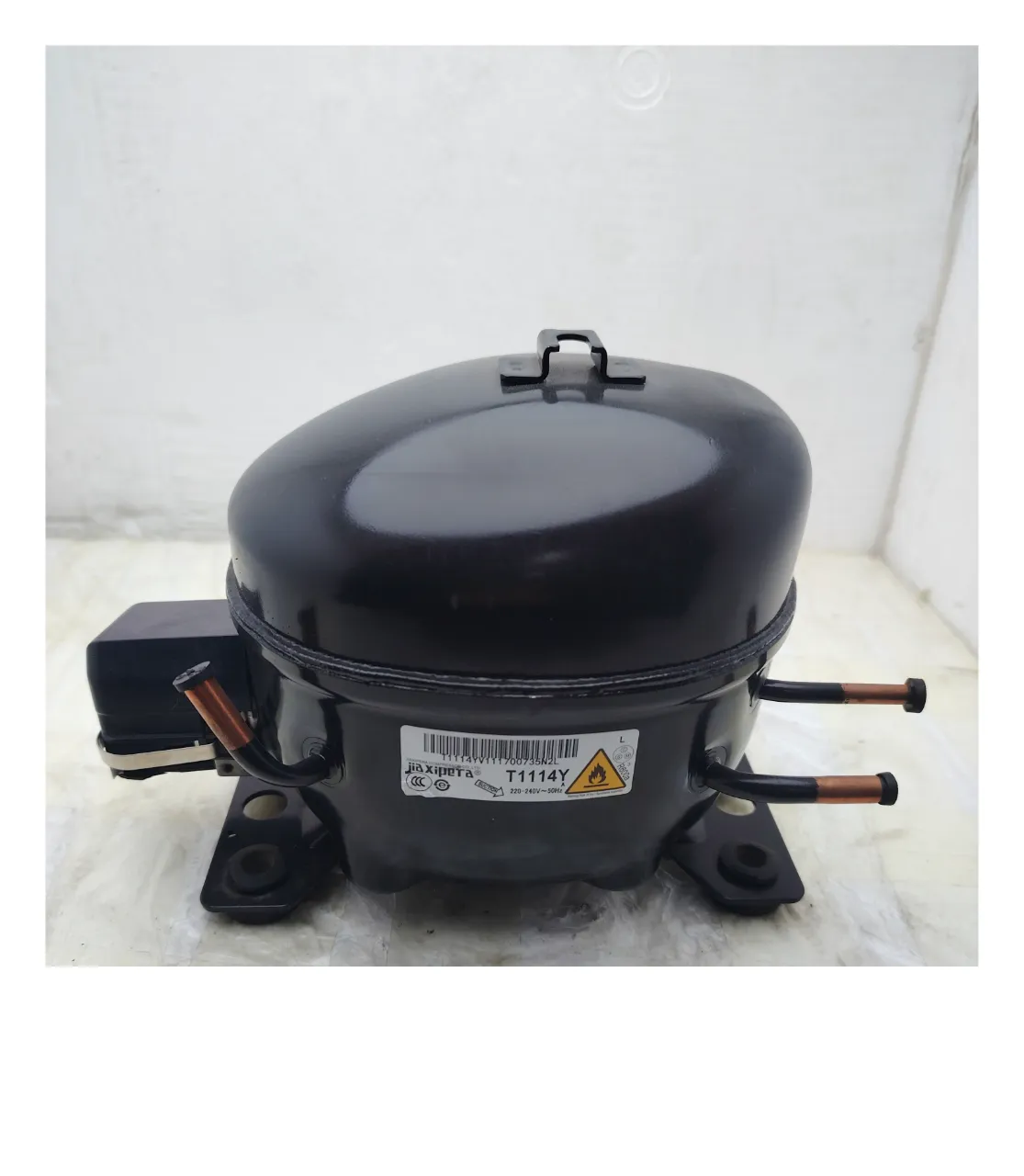
How to Choose an R600a Refrigerator Compressor Replacement Safely
A practical buyer guide for selecting an R600a refrigerator compressor replacement, covering capacity, LBP use, start parts, and flammable refrigerant safety.
Replacing a refrigerator compressor is no longer only a matter of matching horsepower and pipe size. With the wider use of R600a, also known as isobutane, repair buyers must check the compressor specification, the refrigerator application, and the service environment before placing an order.
An R600a refrigerator compressor replacement must be selected for the correct refrigerant, cooling capacity, voltage, application range, and starting system. It must also be handled under proper flammable refrigerant service rules. R600a is efficient in domestic refrigeration, but it is not a universal substitute for older R134a, R12, or other refrigerant systems.
For spare-parts distributors, service companies, and overseas repair buyers, the goal is simple: supply a compressor that restores cooling performance without creating electrical, mechanical, or safety risks. The following guide explains what to check before buying an R600a compressor and where replacement mistakes commonly happen.
What Is an R600a Refrigerator Compressor?
An R600a compressor is a hermetic compressor designed to operate with R600a refrigerant, a hydrocarbon refrigerant also called isobutane. It is widely used in domestic refrigerators, freezers, beverage coolers, and other small refrigeration appliances where low refrigerant charge and energy efficiency are important.
R600a belongs to the flammable refrigerant category. This affects compressor construction, service procedures, labeling, transportation, and workshop safety. A compressor designed for R600a should be used only in systems designed and approved for R600a.
Common applications include:
- Household refrigerators and freezers
- Small commercial display coolers using hydrocarbon refrigerant
- Bottle coolers and mini bars
- Low back pressure domestic refrigeration systems
- Selected light commercial appliances with suitable refrigerant charge and safety design
For procurement teams, the important point is that an “R600a compressor” is not defined by size alone. The same physical compressor shell size may exist in different refrigerants, capacities, voltages, and application ranges. A visual match is not enough.
Key Checks Before Buying an R600a Refrigerator Compressor Replacement
A safe replacement starts with identification. The best information normally comes from the refrigerator nameplate, the original compressor label, and the equipment service documentation. If these are missing or damaged, the buyer should avoid guessing and confirm the system requirements through technical comparison.
Confirm the Refrigerant Is R600a
The replacement compressor must match the refrigerant used by the appliance. If the refrigerator nameplate states R600a, choose an R600a compressor. If the appliance was originally built for R134a, R12, or another refrigerant, do not simply install an R600a compressor as a shortcut.
R600a has different pressure characteristics, oil compatibility requirements, refrigerant charge considerations, and safety requirements from many older refrigerants. The refrigeration circuit, capillary tube, evaporator, condenser, electrical components, and cabinet labeling must be suitable for hydrocarbon refrigerant use.
A buyer should check:
- Refrigerant type on the appliance nameplate
- Refrigerant type on the original compressor label
- Refrigerant charge amount specified by the manufacturer
- Whether the cabinet and electrical parts are approved for flammable refrigerant use
- Local regulations covering hydrocarbon refrigerant service
If the compressor label and refrigerator nameplate do not agree, the system may have been modified before. In that case, a qualified technician should inspect the appliance before any compressor is sold or installed.
Match Cooling Capacity, Not Only Horsepower
One of the most common replacement mistakes is choosing by horsepower. Compressor horsepower can be useful for rough grouping, but it is not precise enough for refrigeration replacement. Cooling capacity is more important.
Cooling capacity is usually expressed in watts, kcal/h, or BTU/h under specified test conditions. A domestic refrigerator compressor must be matched to the heat load of the appliance and the operating temperatures of the system. If the capacity is too low, the refrigerator may run continuously and fail to reach the target temperature. If the capacity is too high, it may short-cycle, create unstable temperatures, or reduce system efficiency.
For R600a refrigerator compressor replacement, compare:
- Cooling capacity at relevant evaporating and condensing conditions
- Motor input power
- Coefficient of performance where available
- Displacement and compressor series
- Application temperature range
- Cabinet size and intended use
A distributor may receive requests such as “send a 1/6 HP R600a compressor.” That request is incomplete. A better purchasing request includes the original model number, voltage, frequency, refrigerant, application type, and cooling capacity. When the exact model is unavailable, the replacement should be selected from a reliable cross-reference with similar capacity and application range.
Check LBP Application for Domestic Refrigerators
Most household refrigerators and freezers use low back pressure compressors. In product listings, this is commonly shown as LBP. An LBP compressor is designed for low evaporating temperature applications, such as refrigerators and freezers.
R600a domestic refrigerator compressor replacement usually requires an LBP model, but buyers should still verify the application. Compressors may also be marked for MBP, HBP, or multiple application ranges depending on the model and manufacturer. Using the wrong application type can result in poor cooling, high motor load, overheating, or shortened service life.
Typical application categories include:
- LBP: low back pressure, commonly for refrigerators and freezers
- MBP: medium back pressure, often for coolers and medium-temperature equipment
- HBP: high back pressure, generally for air-conditioning or high-temperature refrigeration applications
For refrigerator repair buyers, LBP should be treated as a critical specification, not a secondary detail. If the original refrigerator is a freezer or a fridge-freezer combination, the evaporating conditions may be lower than a beverage cooler. The compressor must be selected accordingly.
Verify Voltage, Frequency, and Electrical Compatibility
Overseas buyers often serve multiple markets with different power supplies. A compressor that is correct for refrigerant and capacity can still be wrong if the electrical rating does not match the local supply.
Before ordering, check:
- Rated voltage, such as 110-120 V or 220-240 V
- Frequency, such as 50 Hz or 60 Hz
- Single-phase supply requirements
- Starting torque requirements
- Electrical protection devices
- Plug, terminal cover, and wiring configuration
Some compressor models have different versions for different voltage and frequency markets. A 220-240 V 50 Hz unit should not be assumed to perform correctly on another supply unless the compressor rating permits it. For distributors, separating stock by voltage and frequency reduces costly returns and installation failures.
Match Start Components and Overload Protection
A hermetic refrigerator compressor depends on the correct start device and overload protector. These parts are not universal accessories. Incorrect start components can cause hard starting, repeated tripping, winding damage, or failure to start under normal system pressure.
Depending on the compressor design, the starting system may include:
- PTC start relay
- Current relay
- Start capacitor or run capacitor where specified
- Overload protector
- Terminal cover and retaining clip
- Electrical connector set
When selling an R600a compressor replacement, it is best to supply the correct matching start kit if the buyer cannot reuse the original approved components. However, old electrical parts from a failed compressor should be inspected carefully. A compressor failure may have been caused by electrical damage, voltage problems, or a faulty relay.
For service companies, replacing the compressor without checking the start device can lead to repeat call-backs. For spare-parts wholesalers, providing the compressor and matching electrical components as a properly identified set can reduce installation problems.
Confirm Oil Type and System Cleanliness
Hermetic compressors are supplied with the proper oil for their intended refrigerant and application. Buyers normally do not choose the oil separately, but they must ensure the replacement compressor is designed for R600a.
System cleanliness is equally important. When a compressor fails, contaminants may remain in the refrigeration circuit. A blocked capillary tube, dirty condenser, moisture, acid, or non-condensable gas can damage the new compressor. The drier should usually be replaced during compressor replacement, and the system should be evacuated properly before charging.
A replacement compressor should never be used as a diagnostic shortcut. If the root cause of the original failure is not corrected, the new compressor may fail again.
Why R600a Is Not a Drop-In Replacement for Older Systems
R600a is sometimes misunderstood as a simple replacement refrigerant because it is used in many modern refrigerators. In practice, converting an older R134a or R12 refrigerator to R600a is not the same as replacing a failed compressor in an existing R600a appliance.
Different Refrigerant Properties
R600a operates with different pressures, mass flow, and charge behavior compared with R134a. The compressor displacement, capillary tube, heat exchangers, and system charge are designed around the refrigerant. A compressor selected for R600a may not provide the correct performance in a circuit designed for R134a.
The refrigerant charge for R600a systems is also very small compared with many non-hydrocarbon systems. Charging accuracy matters. Overcharging or undercharging can seriously affect performance and safety.
Flammability Changes the Service Requirements
R600a is flammable. Systems designed for R600a include safety considerations for electrical components, refrigerant charge, labeling, ventilation, and service access. Older systems that were not designed for flammable refrigerants may contain components that are not suitable for hydrocarbon use.
This is why R600a compressor replacement should be limited to systems originally designed for R600a unless a qualified engineering evaluation and legally compliant conversion procedure is performed. In many repair situations, conversion is not practical or permitted.
The Capillary Tube and Heat Exchangers May Not Match
Domestic refrigerators usually use a capillary tube as the expansion device. The capillary tube size and length are part of the refrigerant system design. Changing to R600a without redesigning the metering device can cause incorrect evaporating pressure, poor cooling, compressor overheating, or liquid return.
A refrigerator may look simple from outside, but its sealed system is a matched design. Compressor replacement works best when the replacement model stays within the original design requirements.
Safe Handling Rules for R600a Compressor Replacement
Because R600a is flammable, service and installation must be handled by trained personnel using suitable tools and procedures. Procurement teams should also understand these requirements because they affect which customers should receive hydrocarbon compressors and how products are labeled, stored, and supported.
Work in a Ventilated Area Away From Ignition Sources
R600a service should be carried out in a well-ventilated area. Open flames, sparks, smoking, and non-approved electrical tools should be kept away from the work area. Technicians should control static electricity and avoid creating ignition sources during recovery, brazing, evacuation, and charging.
Before brazing or cutting into the sealed system, refrigerant must be safely removed according to applicable rules. The system should not be opened near ignition sources.
Use Tools Suitable for Flammable Refrigerants
Technicians should use service tools and equipment suitable for hydrocarbon refrigerants. This may include approved leak detectors, charging scales, vacuum pumps, recovery equipment where applicable, and spark-free procedures. Electrical test equipment and workshop ventilation should also be considered.
Important service practices include:
- Identify refrigerant type before starting work
- Avoid venting refrigerant in unsafe conditions
- Replace the filter drier when opening the sealed system
- Evacuate the system properly before charging
- Charge by weight using the specified amount
- Leak-test carefully after repair
- Reinstall all terminal covers and protective parts
Charging by pressure alone is especially risky on small R600a systems. The refrigerant charge is small, so accurate weighing is important.
Keep Compressor Electrical Parts Properly Covered
Compressor terminals, relays, overload protectors, and covers are part of the safe electrical assembly. After replacement, the terminal cover should be reinstalled securely. Loose wiring, exposed terminals, or incorrect relays can create operational and safety hazards.
For distributors, selling incomplete compressor kits can create problems for installers. If start components are not included, the invoice or product description should clearly state what is supplied and what must be purchased separately.
Procurement Checklist for Distributors and Repair Buyers
A well-structured inquiry helps suppliers recommend the right R600a compressor and helps buyers avoid delays. Before requesting a quotation, collect the following information.
Required Information for a Replacement Inquiry
- Original compressor brand and model number
- Appliance type, such as refrigerator, freezer, or display cooler
- Refrigerant type shown on the appliance nameplate
- Cooling capacity or compressor displacement where available
- Application range, especially LBP for domestic refrigerators
- Voltage and frequency
- Starting components required or original relay/protector model
- Refrigerant charge amount on the appliance label
- Suction and discharge tube position and approximate size
- Quantity required and destination market requirements
Photos of the original compressor label and refrigerator nameplate can reduce mistakes, especially when model numbers are hard to read or when multiple versions exist.
Red Flags Before Ordering
Do not proceed with a replacement order without further checking if:
- The buyer only provides horsepower and no model number
- The appliance refrigerant is unknown
- The original system used R134a but the buyer asks for R600a
- The voltage or frequency is unclear
- The compressor application range is not identified
- Start components are missing or mismatched
- The refrigerator has had previous sealed-system modifications
These situations are common in international spare-parts trade. Taking time to confirm the details protects both the distributor and the repair customer.
Stocking Strategy for Spare-Parts Wholesalers
Wholesalers serving refrigeration repair markets can improve availability by stocking common R600a LBP compressor ranges, but stock should be organized by specification rather than only by physical size. Clear labeling helps sales teams avoid accidental substitution.
Useful stock categories include:
- R600a LBP domestic refrigerator compressors
- R600a freezer compressor models
- Voltage-specific versions for target markets
- Matching relay and overload kits
- Filter driers and basic sealed-system service parts
Technical support does not need to be complicated. A simple model cross-reference, capacity table, and inquiry checklist can prevent most wrong orders.
Practical Buying Advice
The safest R600a refrigerator compressor replacement is one that matches the original design as closely as possible. If the exact compressor model is available, that is usually the easiest route. If it is discontinued or unavailable, choose a technically equivalent model by refrigerant, capacity, application range, voltage, frequency, and start components.
For repair companies, the compressor is only one part of a successful job. The system must be diagnosed, cleaned, evacuated, charged accurately, and leak-tested. For distributors, the commercial value is in supplying a correct and complete replacement, not just a compressor that fits the mounting base.
R600a offers good performance in modern domestic refrigeration, but it requires respect for flammable refrigerant rules. Treating it as a normal spare part without checking the technical and safety details can lead to poor cooling, repeat failures, or unsafe repairs.
A good replacement decision answers four questions clearly: Is the appliance designed for R600a? Is the compressor the right capacity and LBP application? Are the electrical start parts correct? Can the installer service flammable refrigerant safely? If the answer to all four is yes, the replacement is far more likely to perform reliably in the field.
FAQ
Can I replace an R134a compressor with an R600a compressor?
Not as a simple drop-in replacement. R600a has different refrigerant properties and is flammable, so the compressor, capillary tube, electrical parts, refrigerant charge, labeling, and safety design must be suitable for R600a. In normal repair work, use R600a compressors only in appliances originally designed for R600a unless a qualified and compliant conversion is performed.
What does LBP mean on an R600a refrigerator compressor?
LBP means low back pressure. It is the application range commonly used for domestic refrigerators and freezers with low evaporating temperatures. When selecting an R600a refrigerator compressor replacement, LBP is a key specification and should be matched to the original appliance application.
Is horsepower enough to choose a replacement refrigerator compressor?
No. Horsepower is only a rough indicator. Buyers should compare refrigerant type, cooling capacity, application range, voltage, frequency, displacement, and start components. Choosing only by horsepower can lead to poor cooling, short cycling, overheating, or compressor failure.
Do I need to replace the start relay and overload protector with the compressor?
The start relay and overload protector must match the compressor model. If the original parts are damaged, missing, or not approved for the replacement compressor, they should be replaced with the correct matching components. Using the wrong start device can cause hard starting, nuisance tripping, or winding damage.
What safety precautions are important when servicing R600a systems?
R600a is flammable, so service should be performed by trained technicians in a ventilated area away from ignition sources. Use tools suitable for flammable refrigerants, charge by weight, replace the filter drier when opening the system, leak-test carefully, and reinstall all electrical covers and protective parts.
Buyer Next Step
Move from research to sourcing with a category shortlist, relevant product examples, and a quote request channel.