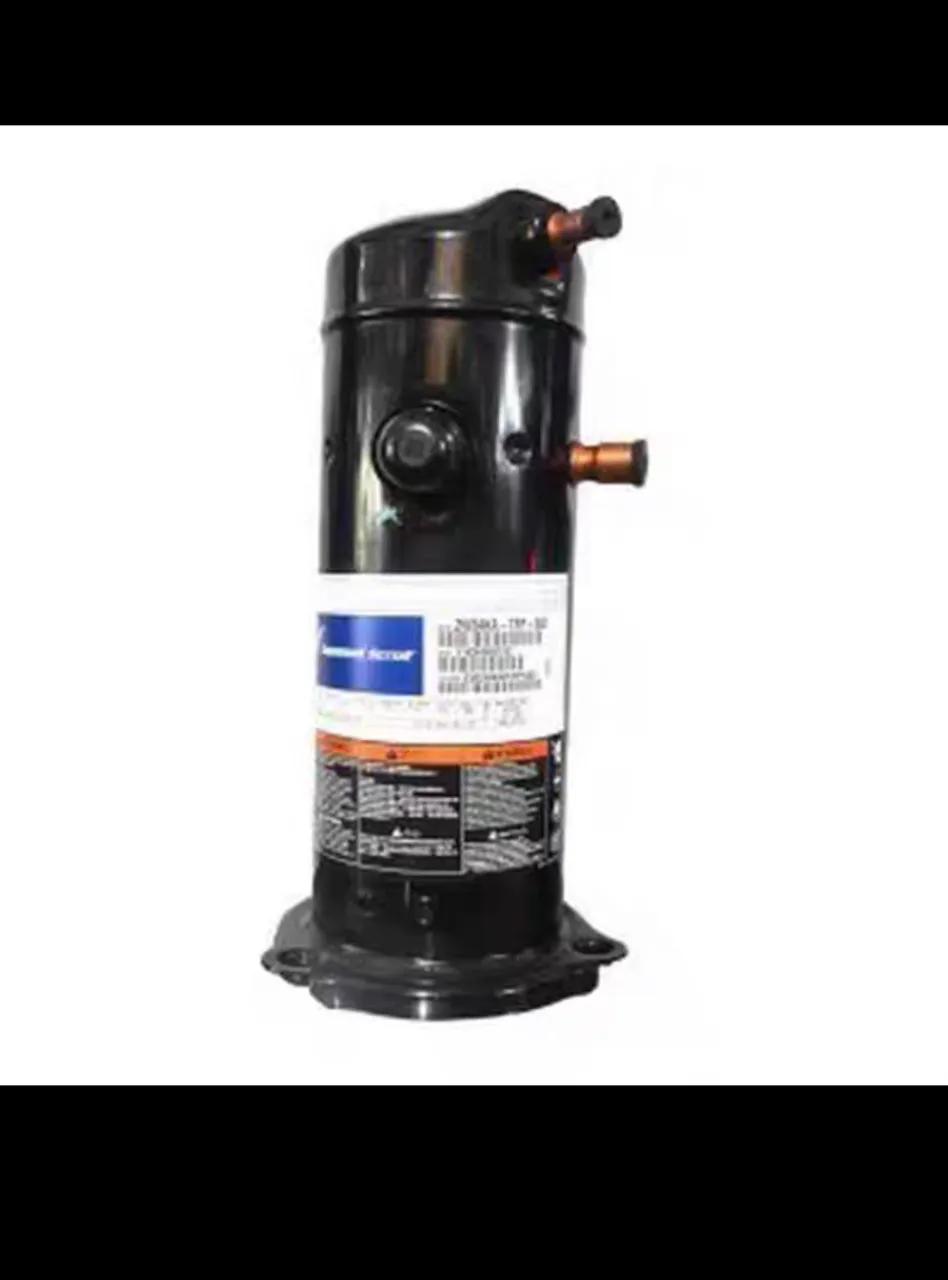
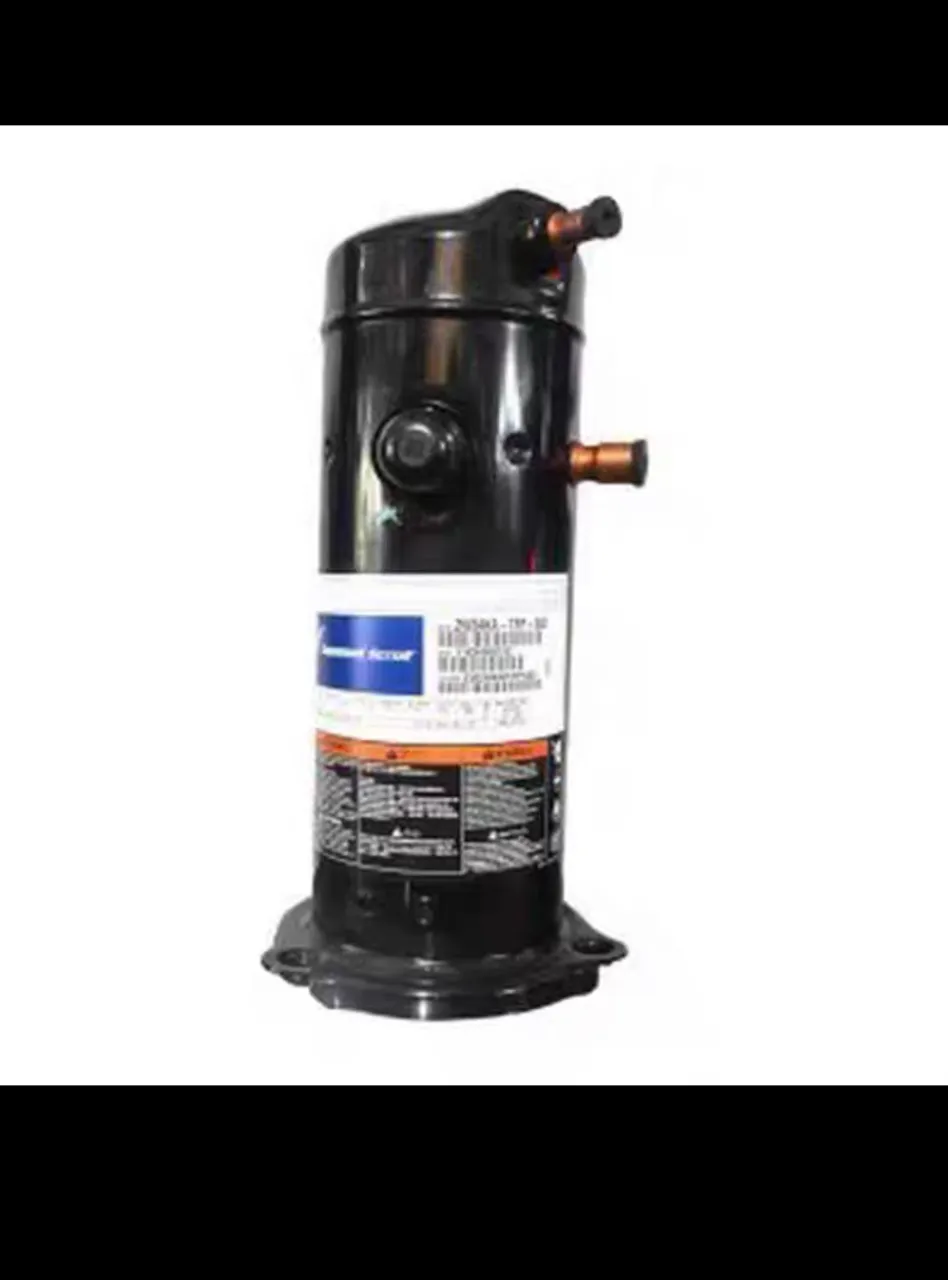
R404A Compressor Replacement: What Buyers Should Check Before Switching Refrigerants
Replacing an R404A compressor is no longer just a like-for-like job. Check refrigerant choice, oil, valves, envelope, and driers before ordering.
R404A compressor replacement has become a practical purchasing issue for many refrigeration businesses. Cold rooms, supermarket cabinets, blast freezers, ice machines, and commercial refrigeration packs built around R404A are still operating in many markets, but refrigerant phase-down pressure, service availability, and lower-GWP retrofit options are changing how replacement compressors are selected.
For distributors, repair companies, and cold-room contractors, the key question is not simply whether a compressor has the same horsepower or displacement as the failed unit. A replacement may need to work with the existing R404A charge, or it may be part of a retrofit to refrigerants such as R448A, R449A, R452A, or in some medium-temperature cases R134a. Each route has implications for compressor approvals, oil compatibility, expansion valves, operating envelope, filter driers, controls, and warranty risk.
A good replacement decision starts with the complete system condition, not just the compressor nameplate. The following checks help buyers avoid mismatched inventory, repeat failures, and site delays when servicing R404A systems.
Why R404A Compressor Replacement Needs More Care Today
R404A has been widely used in low- and medium-temperature commercial refrigeration because it offered strong performance and broad component availability. Many installed systems still depend on it. The challenge is that service strategies are changing as more markets move toward lower-GWP refrigerants and tighter refrigerant management.
That shift affects replacement compressors in three ways:
- Some customers still want a direct R404A replacement compressor to restore operation quickly.
- Some projects use the compressor replacement as the right time to retrofit away from R404A.
- Some regions may have limited or costly R404A supply, making long-term service planning more important.
A compressor that is correct for R404A may not automatically be suitable for R448A, R449A, R452A, or R134a. Even when a refrigerant is marketed as a retrofit option, the compressor manufacturer’s application limits and technical approval remain the deciding factors.
For overseas buyers sourcing compressors from multiple brands, this matters commercially. A distributor may stock a replacement model that fits the mounting and electrical data, but if it is not approved for the intended refrigerant, the sale can create service disputes. Contractors also need to avoid arriving on site with a compressor that cannot cover the required evaporating and condensing conditions.
Start With the Existing System: Direct Replacement or Retrofit?
Before ordering an R404A compressor replacement, confirm whether the job is a like-for-like repair or a refrigerant conversion. The answer changes the purchasing checklist.
Direct R404A replacement
A direct replacement normally keeps the existing refrigerant type, oil type, system controls, and application design. This is often the fastest route when the customer needs urgent cooling restoration and local rules still allow R404A service.
For a direct replacement, check:
- Original compressor model, capacity, voltage, phase, and frequency
- Application range: low temperature, medium temperature, or high back pressure where relevant
- Starting method and electrical accessories
- Oil type and charge requirements
- Connection size and mounting pattern
- Existing system cause of failure, especially overheating, floodback, contamination, or poor airflow
Direct replacement does not mean skipping system checks. If the previous compressor failed because of liquid return, dirty condensers, blocked driers, incorrect superheat, or voltage problems, the new compressor may fail quickly.
Retrofit during compressor replacement
A retrofit means changing the refrigerant to a different option. It may also require changing lubricant, expansion valves, gaskets, seals, filter driers, pressure controls, and labels. Compressor replacement is a common retrofit moment because the system is already open and downtime has been accepted.
For a retrofit, buyers should ask these procurement questions before confirming stock:
- Is the compressor approved by the manufacturer for the selected replacement refrigerant?
- Does the selected model cover the required evaporating and condensing temperatures?
- Is the compressor oil compatible with the new refrigerant?
- Are capacity and efficiency close enough for the customer’s load profile?
- Do valves, controls, and safety settings need adjustment or replacement?
- Are the correct filter driers, sight glass, oil, and service parts available with the compressor?
A retrofit should be treated as an engineered service job, not only a gas change. Refrigerant blends can have different mass flow, discharge temperature behavior, pressure-temperature relationships, and glide characteristics. These differences affect both compressor operation and system adjustment.
Comparing Common R404A Replacement Refrigerants
There is no single universal R404A replacement refrigerant for every system. The right option depends on application temperature, compressor approval, local regulations, customer budget, and expected service life.
R448A and compressor compatibility
R448A is commonly discussed as a lower-GWP replacement option for R404A in commercial refrigeration applications. It is used in both medium- and low-temperature systems where components and conditions are suitable.
When considering R448A compressor compatibility, pay close attention to the compressor operating envelope. Some compressors may be approved only within certain evaporating and condensing temperature limits. Discharge temperature can also become a concern in some low-temperature applications, especially if the system already runs with high compression ratios or poor condenser conditions.
Buyers should confirm:
- Compressor model approval for R448A
- Required lubricant type, usually POE in many retrofit applications
- Capacity change compared with the original R404A system
- Expansion valve suitability and superheat adjustment range
- Pressure control and defrost settings after conversion
R448A is a zeotropic blend, so technicians must account for temperature glide when setting superheat and subcooling. Charging should follow the refrigerant supplier’s handling guidance, typically using liquid charging for blended refrigerants.
R449A compressor selection
R449A is another widely used lower-GWP option for systems originally designed for R404A. As with R448A, it can be attractive for commercial refrigeration retrofit projects, but compressor approval and application limits must be verified.
For an R449A compressor replacement, buyers should not rely only on capacity matching. Confirm the exact model, refrigerant approval, oil, and envelope from the compressor manufacturer or authorized data. Some compressor series may have different approvals by generation, motor type, or application class.
R449A may require expansion valve adjustment or replacement because system mass flow and pressure-temperature behavior differ from R404A. Contractors should also label the system clearly after retrofit so future service teams do not recharge it as R404A.
R452A for selected R404A applications
R452A is often considered where a system needs operating behavior closer to R404A, particularly in some transport refrigeration and low-temperature applications. It may help reduce changes in performance compared with other alternatives, but it still requires compressor and component approval.
For cold-room and commercial refrigeration buyers, R452A should be evaluated against the specific compressor model and the project’s regulatory requirements. It may not be the lowest-GWP option available, so local compliance and customer targets should be checked before stocking it as a standard answer.
R134a is not a general R404A drop-in
R134a is used in many medium-temperature and high-temperature refrigeration and air-conditioning applications, but it is not a simple replacement for R404A in most low-temperature systems. Its capacity, pressure levels, and application range are different.
A change from R404A to R134a may involve major system redesign, not just a compressor swap. In many cases, the compressor displacement, heat exchangers, expansion device, and controls would need reassessment. Buyers should treat R134a as a separate design selection unless the equipment manufacturer or a qualified engineer confirms suitability.
Technical Checks Before Ordering the Compressor
The most reliable R404A compressor replacement process is built around a technical checklist. This protects both the distributor and the installer.
1. Match the compressor to the application, not only the model number
Model number cross-reference is useful, but it is not enough. Confirm the refrigeration application:
- Low temperature, such as freezer rooms and frozen cabinets
- Medium temperature, such as chill rooms and display cases
- Air-conditioning or high-temperature refrigeration applications
- Single compressor, condensing unit, rack, or parallel system
A compressor designed for one application range may not be suitable for another, even if displacement looks similar. The operating envelope must include the expected evaporating temperature, condensing temperature, return gas condition, and ambient range.
2. Check oil compatibility and oil management
Oil compatibility is one of the main reasons retrofits fail. Many R404A systems use POE oil, especially in HFC applications, but the actual oil in the compressor and system must be confirmed. If the system has been serviced multiple times, do not assume the oil condition is clean or correct.
Important oil checks include:
- Required oil type for the new compressor and refrigerant
- Oil viscosity grade recommended by the compressor manufacturer
- Existing oil contamination after burnout or mechanical failure
- Oil return performance at the expected load and piping conditions
- Need for oil separator inspection or replacement in larger systems
After a compressor burnout, acid and moisture control become especially important. A standard replacement drier may not be enough; service teams may need burnout cleanup procedures and follow-up acid testing depending on system condition.
3. Verify expansion valves and refrigerant controls
R404A replacement refrigerants can require different expansion valve settings or valve selection. A valve that was stable with R404A may hunt, starve the evaporator, or allow floodback after a retrofit.
Check whether the system uses:
- Thermostatic expansion valve
- Electronic expansion valve
- Capillary tube or fixed orifice
- Hot gas bypass or evaporator pressure regulation
- Mechanical or electronic pressure controls
For R448A and R449A, superheat adjustment must account for glide and the correct dew-point or bubble-point reference depending on the measurement. Incorrect superheat setup can cause high discharge temperature, poor cooling capacity, or liquid return.
4. Replace filter driers and inspect moisture indicators
Any compressor replacement opens the refrigeration circuit. Filter drier replacement should be treated as standard good practice, especially after a compressor failure or refrigerant retrofit.
Buyers should supply compatible filter driers with the compressor order when possible. Confirm that the drier is suitable for the refrigerant and oil combination. In retrofit jobs, the system may also need a new sight glass or moisture indicator if the existing component is old, contaminated, or not suitable for the new refrigerant.
For distributors, stocking compressors without matching driers, oil, contactors, start components, and service valves can slow down repairs. A practical replacement kit approach often helps repair companies reduce return visits.
5. Review electrical and protection devices
The replacement compressor must match the site power supply and control circuit. Confirm voltage, phase, frequency, locked rotor current, running current, motor protection, contactor rating, overloads, capacitors, relays, crankcase heater, and pressure safety controls.
When changing refrigerant, running conditions may shift. The compressor could operate at different suction pressure, discharge pressure, current draw, or discharge temperature than before. Service teams should commission the system under real load and check that protection devices are set correctly.
Commercial Buying Tips for Distributors and Contractors
A refrigeration distributor does not need to engineer every retrofit, but it does need enough technical discipline to sell the correct compressor and avoid preventable disputes.
Build a replacement inquiry form
For R404A compressor replacement inquiries, collect the following information before quoting:
- Original compressor brand and model
- Refrigerant currently in the system
- Refrigerant planned after repair or retrofit
- Application temperature and equipment type
- Voltage, phase, and frequency
- Compressor failure reason if known
- Condensing unit or rack information
- Required accessories, oil, drier, and electrical parts
This small process helps separate simple direct replacement from retrofit projects that require deeper checks.
Avoid unsupported cross-brand substitutions
Cross-brand replacement is common in international compressor distribution. It can work well when capacity, refrigerant approval, envelope, electrical data, mounting, connections, and accessories are all checked. It becomes risky when the only basis is nominal horsepower.
Horsepower ratings are not a precise capacity match across compressor brands. Use manufacturer performance data where available, including evaporating and condensing conditions. For cold-room applications, buyers should also consider pull-down load, door openings, ambient temperature, and condenser condition.
Stock parts that complete the job
For active R404A service markets, distributors may need both direct replacement compressors and models approved for lower-GWP alternatives. Stock planning should also include service items commonly needed during replacement:
- POE oil in correct grades
- Filter driers and suction line driers where required
- Contactors, overloads, relays, and capacitors
- Crankcase heaters and mounting kits
- Service valves and gaskets
- Labels for retrofit refrigerant identification
The goal is not to push unnecessary parts. It is to make sure the technician can complete a reliable repair when the system is open and downtime is expensive.
Practical Takeaway
R404A compressor replacement should be treated as a refrigerant and system compatibility decision, not just a compressor availability decision. R448A, R449A, and R452A may be suitable retrofit options in many commercial refrigeration cases, but only when the compressor, oil, operating envelope, valves, controls, and service parts are confirmed. R134a should not be treated as a general drop-in substitute for R404A.
For buyers, the safest approach is to define the repair path before ordering: direct R404A service or lower-GWP retrofit. For distributors, the strongest commercial value is accurate matching, complete accessory support, and clear questions at the quotation stage. For contractors and repair teams, reliable commissioning after replacement is just as important as selecting the correct compressor model.
FAQ
Can I replace an R404A compressor with the same model and keep using R404A?
In many service situations, a direct R404A compressor replacement is possible if local regulations allow continued R404A service and the replacement model matches the original application, voltage, capacity, oil, and operating envelope. The system should still be checked for the cause of failure before the new compressor is installed.
Are R448A and R449A drop-in replacements for R404A compressors?
R448A and R449A are common lower-GWP retrofit options for some R404A commercial refrigeration systems, but they are not universal drop-ins. The compressor must be approved for the selected refrigerant, and the technician must check oil compatibility, operating envelope, expansion valve settings, controls, and filter driers.
Can R134a be used instead of R404A in a cold room system?
R134a is not a general replacement for R404A, especially in low-temperature cold room or freezer applications. It has different pressure and capacity characteristics, so using it may require compressor resizing and wider system redesign. It should only be used where the equipment design and compressor data support it.
Should the filter drier be replaced during an R404A compressor replacement?
Yes. Replacing the filter drier is standard good practice whenever the refrigeration circuit is opened, and it is especially important after compressor failure or refrigerant retrofit. The new drier must be compatible with the refrigerant and oil used in the system.
What information should buyers provide when asking for an R404A replacement compressor?
Buyers should provide the original compressor model, refrigerant in use, planned replacement refrigerant, application temperature, equipment type, voltage, phase, frequency, failure reason if known, and required accessories such as oil, driers, valves, and electrical parts.
Buyer Next Step
Move from research to sourcing with a category shortlist, relevant product examples, and a quote request channel.