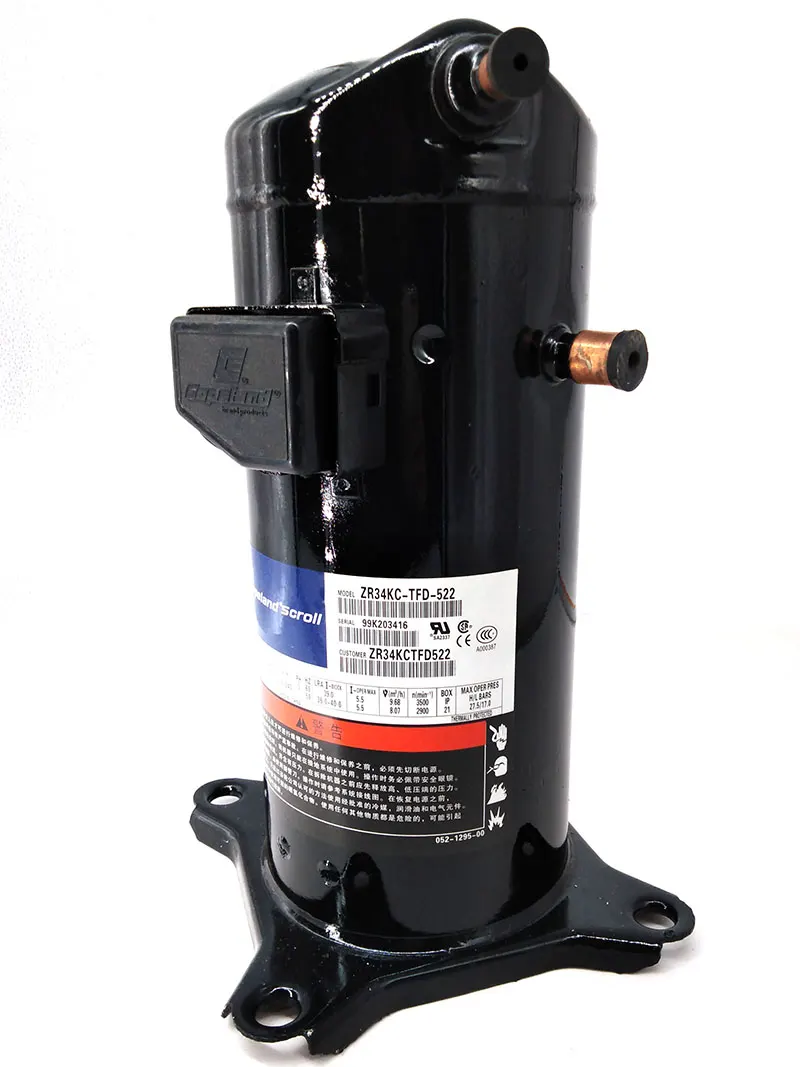
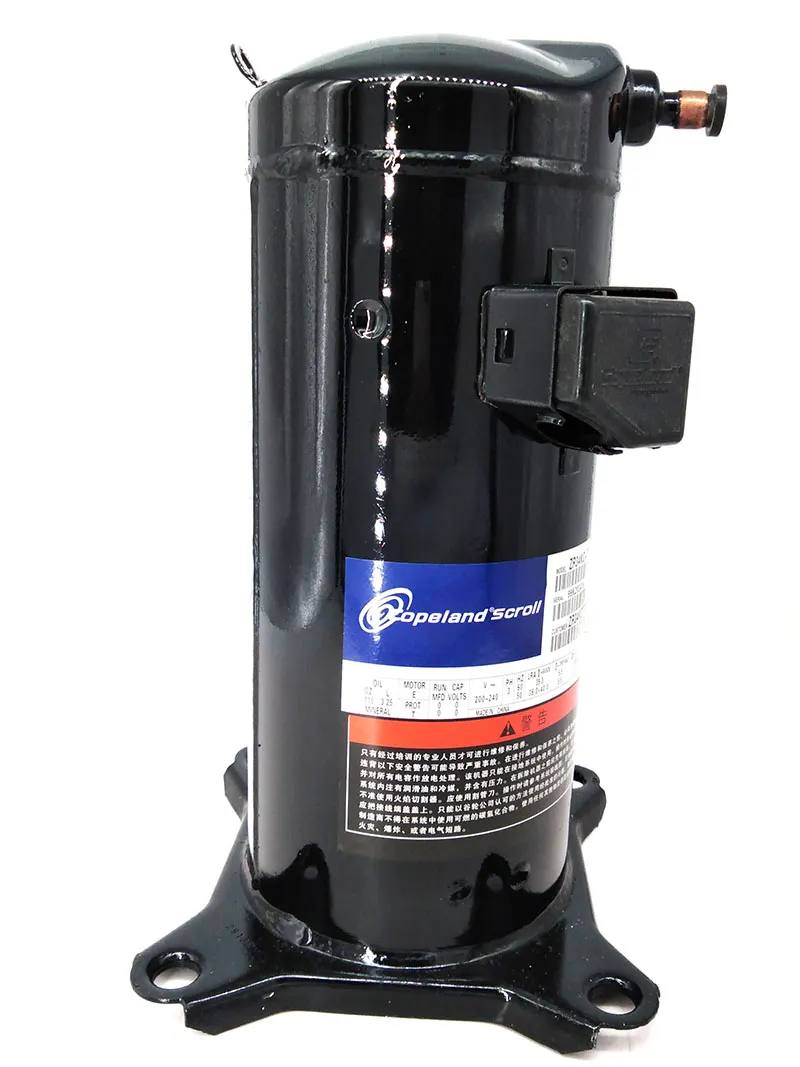
Importing Refrigeration Compressors: HS Codes, Duties, and International Shipping Guide
A practical guide to import compressor customs HS code selection, duties, shipping paperwork, and delivery planning for refrigeration buyers worldwide.
Refrigeration compressor imports often become difficult for reasons that have nothing to do with product quality. A shipment can be delayed by the wrong customs code, incomplete commercial documents, packaging that fails inspection, or uncertainty over who is responsible for import clearance and local taxes.
For overseas buyers, the issue is not only cost. It is continuity. A spare parts distributor needs stock to arrive on time. A repair contractor needs the right replacement compressor without customs surprises. A cold-room installer needs predictable landed cost before quoting a project.
This guide explains how to approach the import compressor customs HS code, duties, shipping, and documentation for refrigeration compressors used in air-conditioning, refrigeration, and cold-room applications. The goal is to reduce clearance problems and help buyers, distributors, and service teams ask the right questions before placing an order.
Why the correct import compressor customs HS code matters
The HS code is the starting point for customs classification. It affects more than paperwork. In many markets, the code influences:
- import duty rates
- VAT, GST, or similar indirect taxes
- customs inspection likelihood
- licensing or certification checks
- trade remedy exposure in some jurisdictions
- how quickly goods are released
A common mistake is assuming there is one universal compressor code for every product. In practice, classification depends on the product description and how the destination customs authority interprets it. A refrigeration compressor for a condensing unit, a hermetic motor-compressor, and a compressor imported as part of a larger system may not be treated the same way.
Buyers should also remember that customs codes operate at different levels. The first digits follow the international HS structure, while the full import code used for declaration may vary by country. That means the same compressor may share a general HS heading globally but require a different national tariff line in the EU, Middle East, Latin America, Africa, or other destination markets.
Why misclassification creates real business risk
If the declared code does not match the customs authority's view, the importer may face:
- duty reassessment
- customs delays
- additional document requests
- storage or demurrage charges
- penalties in serious cases
- disruption to customer delivery schedules
For replacement buyers and service companies, even a short delay can create operational losses. If a supermarket freezer, cold room, or packaged refrigeration unit is down, the compressor is not just a product line item. It is a critical repair component.
How refrigeration compressors are commonly classified for import
There is no safe shortcut for classification. The proper approach is to match the exact product with the import rules of the destination country.
In practical terms, buyers should verify these points before shipment:
Product type
Customs may look at whether the unit is:
- hermetic compressor
- semi-hermetic compressor
- scroll compressor
- reciprocating compressor
- rotary compressor
- inverter or variable-speed compressor
- compressor supplied alone or as part of an assembly
End use and application
Application may influence how the goods are described in customs documents, such as:
- air-conditioning systems
- commercial refrigeration
- cold-room systems
- transport refrigeration
- heat pump applications
- household refrigeration repair parts
Electrical and technical specifications
Detailed specifications help support the declared classification and avoid ambiguity:
- refrigerant type
- voltage and frequency
- cooling capacity range
- displacement or model family
- motor-compressor design
- whether the unit contains oil
- whether accessories are packed together
Condition of goods
New and used goods may not be handled the same way by customs or local import regulators. Used compressors can trigger more questions about valuation, condition, residue, contamination, or import restrictions.
Import format
A compressor imported as a standalone spare part can be treated differently from one packed in a condensing unit, refrigeration rack, or complete machine.
Duties, taxes, and landed cost: what buyers should calculate before ordering
Many buyers focus on unit price and freight, then discover that the true landed cost is higher than expected. Import planning should include the full chain of customs and delivery expenses.
The main cost elements
A refrigeration compressor import usually involves some combination of the following:
- product cost
- export packing cost
- freight charges
- insurance, if applicable
- import duty
- VAT, GST, or sales-related import tax
- customs broker fees
- terminal handling charges
- inspection charges if required
- inland delivery to warehouse or project site
The exact duty rate depends on the destination country and the declared tariff code. Tax treatment also varies widely. Some markets calculate indirect tax on the customs value plus duty and freight-related charges, not only on the invoice value.
Why Incoterms matter to landed cost
The shipping term used in the order changes who pays for what and who manages each stage.
Common examples include:
- EXW: buyer handles most logistics from the seller's premises
- FOB: seller delivers goods to the port of shipment; buyer manages the main transport and import side
- CFR/CIF: seller arranges ocean transport, with CIF typically including insurance
- DAP/DDP: seller arranges delivery further into the destination chain, though buyers should confirm exactly what taxes and customs responsibilities are included
For compressor buyers, unclear Incoterms often cause confusion over who books freight, who prepares the shipping documents, who pays destination port charges, and who is responsible for customs clearance.
A practical landed-cost checklist
Before confirming a purchase order, ask for:
- product description exactly as it will appear on shipping documents
- proposed HS code or customs classification reference used by the shipper
- gross and net weight
- package dimensions and package count
- country of origin
- Incoterm and named place or port
- estimated freight mode and transit time
- whether insurance is included
- whether the compressor contains oil or other materials requiring special declaration
This information helps importers and brokers estimate duty and tax exposure before the shipment leaves origin.
Shipping refrigeration compressors internationally: paperwork and packing points to check
A compressor is a technical product, but in logistics it must also be treated as cargo that can survive handling, customs inspection, and final delivery.
Core shipping documents
Most imports require a standard set of commercial and logistics documents, often including:
- commercial invoice
- packing list
- bill of lading or air waybill
- certificate of origin, if requested or required
- insurance certificate where relevant
- any conformity, test, or product compliance documents required by the destination market
The commercial invoice should be clear and consistent. Customs authorities compare descriptions across invoice, packing list, and transport documents. If the compressor model, quantity, or description differs between documents, clearance can slow down quickly.
How to describe the goods clearly
A vague description like "compressor parts" is often not enough. A more useful declaration usually includes:
- compressor type
- model number
- whether it is for refrigeration or air-conditioning use
- quantity
- unit value
- country of origin
For example, customs brokers generally work more efficiently with a description such as "hermetic refrigeration compressor" than with a broad term that does not identify the product.
Packaging requirements that reduce transit damage
Compressors are heavy, vibration-sensitive components. Weak packaging can create damage claims, oil leakage concerns, or hidden internal impact issues.
Buyers should confirm:
- strong export carton or crate design
- palletization suitable for forklift handling
- secure internal bracing where needed
- protection of pipe connections and terminals
- clear labels for model, quantity, and handling
- moisture protection for long ocean transit
If the shipment includes multiple models, outer label accuracy becomes especially important for distributors and service parts warehouses. Misidentified cartons create receiving errors and downstream service delays.
Ocean freight vs air freight
The right mode depends on urgency, shipment size, and budget.
Ocean freight is commonly used for stock orders and project shipments because it reduces transport cost per unit. The trade-off is longer transit time and more exposure to port congestion or seasonal delays.
Air freight is often chosen for urgent replacement compressors, warranty-related needs, or service emergencies. It is faster but substantially more expensive and may trigger stricter packaging and cargo acceptance checks.
For time-sensitive repairs, buyers should compare the extra freight cost against the operational loss caused by downtime.
Common customs and shipping problems when importing compressors
Even experienced importers run into recurring issues. Most of them can be prevented before dispatch.
1. The HS code is assumed, not verified
A supplier's usual export code may not match the importer's national tariff line. The importer or appointed broker should confirm destination-country classification before the goods ship.
2. Product descriptions are too broad
Short or generic descriptions invite customs questions. A clearer description reduces back-and-forth with brokers and inspectors.
3. Country of origin is unclear
The shipping origin and manufacturing origin are not always the same. Customs may require the actual country of origin for tariff treatment or trade compliance.
4. Technical compliance is checked too late
Some markets require product labeling, electrical conformity, efficiency-related documentation, or other import compliance checks. If these are handled only after arrival, delivery schedules can slip.
5. Spare parts urgency is not reflected in shipping choice
A distributor replenishing stock can usually wait for ocean freight. A repair team replacing a failed compressor at a customer site often cannot. Matching freight mode to operational urgency is one of the simplest ways to reduce friction.
6. Destination charges are not discussed in advance
Low quoted freight does not always mean low landed cost. Buyers should ask about terminal fees, broker charges, last-mile delivery, and any local handling costs before booking.
What distributors, repair teams, and installers should pay attention to
Different buyers face different import priorities.
For refrigeration spare parts distributors
Distributors usually need repeatable customs handling and clean warehouse intake. Key concerns include:
- consistent product descriptions across shipments
- standard labeling for model identification
- reliable carton counts and pallet counts
- predictable lead times for stock planning
- advance notice of any model substitution
For distribution businesses, customs consistency matters almost as much as purchase price. A shipment that clears smoothly every time is easier to scale.
For service and repair companies
Repair companies usually care most about speed and fit-for-purpose replacement. Before importing, they should confirm:
- exact compressor model and application compatibility
- whether electrical specifications match local supply conditions
- whether urgent shipping is required
- whether the unit is shipped with oil and protective caps intact
- whether customs paperwork clearly identifies it as a compressor, not a vague spare part
A fast shipment can still fail if the paperwork is incomplete or the wrong model arrives.
For refrigeration engineering contractors and cold-room installers
Project buyers need cost control and scheduling certainty. Their focus should include:
- landed cost budgeting before quotation
- project delivery timing and staging
- whether compressors are standalone or part of a larger assembly
- inspection readiness at destination
- coordination with site installation schedule
For project cargo, customs delay can affect commissioning dates, labor planning, and customer handover.
Best practices before placing an international compressor order
A disciplined pre-shipment process prevents most import issues.
Ask these questions before payment or dispatch
- What product description will appear on the invoice and packing list?
- What HS code is being proposed for the shipment?
- Has the destination-country customs broker confirmed the full import tariff code?
- What is the country of origin?
- Which Incoterm applies, and what destination costs remain on the buyer side?
- Are there any destination compliance documents required before arrival?
- What is the gross weight, packaging method, and freight mode?
- Is the compressor being shipped alone or with accessories, mounting parts, or related components?
- Does the compressor contain oil or require any special declaration?
- Who is responsible if customs asks for additional technical information?
A simple rule for smoother imports
Treat compressor purchasing as both a technical and customs process. The right model alone is not enough. A successful import needs correct classification, accurate documents, suitable packaging, and a clear logistics plan.
For overseas buyers, that is what reduces total friction: fewer customs questions, more predictable landed cost, and better delivery performance to the warehouse, workshop, or installation site.
When the product details, import code, duties, and shipping responsibilities are aligned before dispatch, compressor purchasing becomes far more manageable.
FAQ
What is the correct import compressor customs HS code for a refrigeration compressor?
There is no single universal code that fits every compressor. The correct code depends on the compressor type, whether it is imported alone or as part of an assembly, and how the destination country applies its tariff schedule. Importers should confirm the national tariff line with their customs broker before shipment.
Why does the HS code matter when importing refrigeration compressors?
The HS code affects duty rates, taxes, customs checks, and clearance speed. If the code is wrong, the shipment may be delayed, reassessed for additional duty, or subject to extra documentation requests.
What documents are usually needed to import a compressor internationally?
Most shipments need a commercial invoice, packing list, and bill of lading or air waybill. Depending on the destination, buyers may also need a certificate of origin, insurance documents, and any product compliance paperwork required by local authorities.
How can buyers reduce customs delays on compressor shipments?
Use a precise product description, verify the destination-country tariff code in advance, keep invoice and packing list details consistent, confirm country of origin, and check whether the destination market requires any technical or conformity documents before arrival.
Buyer Next Step
Move from research to sourcing with a category shortlist, relevant product examples, and a quote request channel.