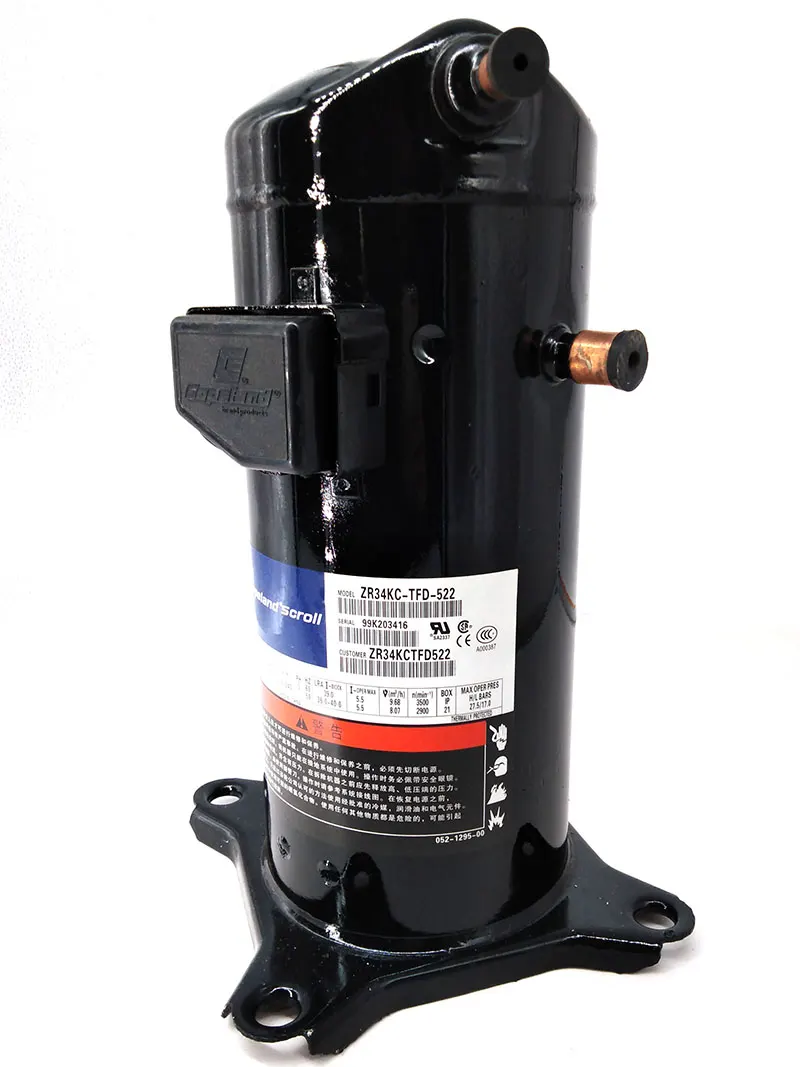
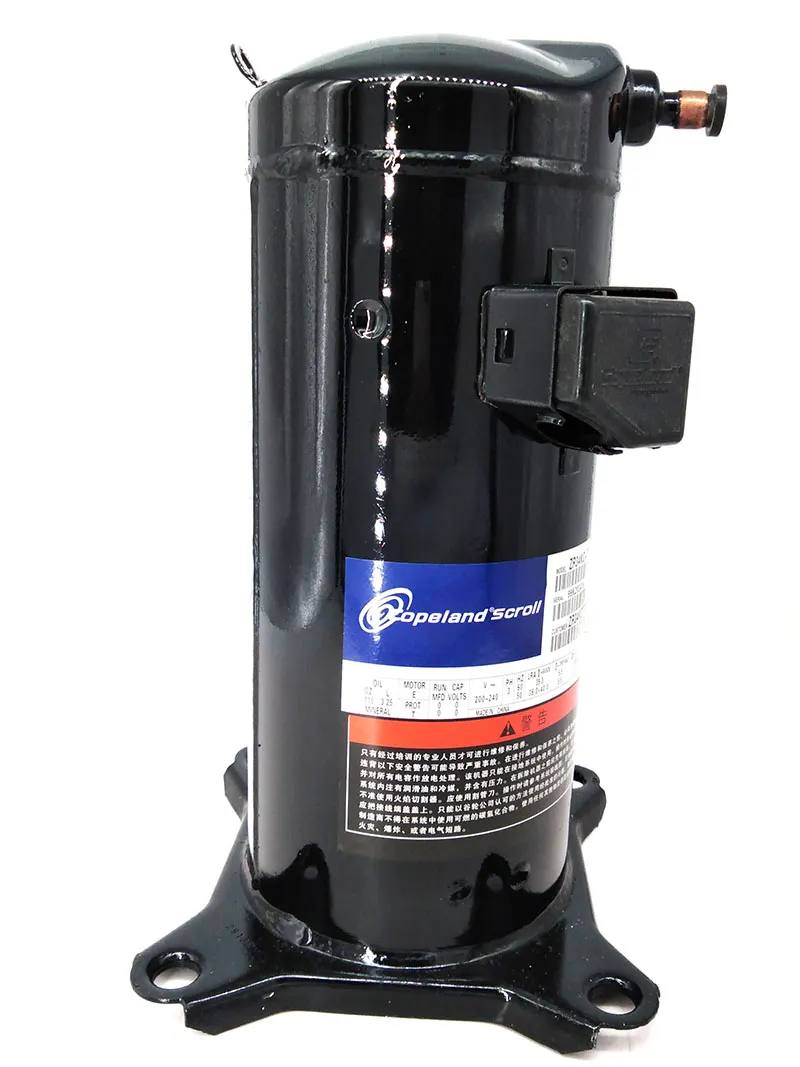
Bitzer Compressor Selection Guide for Refrigeration and Air Conditioning Buyers
A practical guide to choosing Bitzer semi-hermetic compressors, screw compressors, and condensing units for cold rooms, supermarkets, chillers, and industrial projects.
Bitzer Compressor Selection Guide for Refrigeration and Air Conditioning Buyers
Bitzer compressors are widely used in commercial refrigeration, air conditioning, process cooling, supermarkets, cold rooms, and industrial refrigeration systems. For buyers, however, selecting the right Bitzer model is not simply a matter of matching horsepower or replacing one compressor with another that looks similar. The correct choice depends on cooling duty, evaporating and condensing conditions, refrigerant, electrical supply, oil management, capacity control, application limits, and the existing system design.
This Bitzer compressor selection guide is written for refrigeration spare parts distributors, service companies, cold-room contractors, and engineering installers who need a practical way to evaluate options before purchasing or quoting. It focuses on the main product categories buyers commonly ask for: Bitzer semi-hermetic compressors, Bitzer screw compressors, and Bitzer condensing units.
The goal is not to replace detailed engineering calculation or official selection software. Instead, it explains the key decision points that help buyers ask the right questions, avoid common replacement mistakes, and communicate more clearly with suppliers.
What Bitzer Compressor Buyers Need to Confirm Before Selection
A compressor should be selected around the refrigeration duty, not only around the compressor nameplate. Two compressors with similar motor power can deliver very different capacity depending on refrigerant, evaporating temperature, condensing temperature, and operating envelope.
Before choosing a Bitzer compressor for a new project or replacement job, confirm the following information as accurately as possible.
Application and temperature range
The operating application determines the evaporating temperature and compressor type.
Common examples include:
- High-temperature refrigeration: display cases, beverage coolers, preparation rooms, and air conditioning-type cooling loads
- Medium-temperature refrigeration: cold rooms for fresh food, dairy, vegetables, and general chilled storage
- Low-temperature refrigeration: freezer rooms, frozen food storage, blast freezing, and ice cream applications
- Process and industrial cooling: chillers, brine systems, process water cooling, and larger refrigeration plants
A Bitzer compressor for cold room use must be selected according to the required room temperature and evaporating temperature. A chiller compressor may run under different conditions from a freezer compressor even if the cooling capacity looks similar on paper.
Cooling capacity at real conditions
Cooling capacity must be checked at the expected evaporating and condensing temperatures. A compressor rated at one condition may not deliver the same output in a hot climate, a poorly ventilated plant room, or a low-temperature freezer application.
Buyers should avoid relying only on nominal horsepower. Instead, request or calculate:
- Required cooling capacity in kW or BTU/h
- Evaporating temperature
- Condensing temperature
- Refrigerant type
- Superheat and subcooling assumptions where relevant
- Voltage and frequency
- Ambient temperature for air-cooled equipment
This is especially important for overseas buyers because ambient conditions, electrical standards, and installation practices vary by market.
Refrigerant compatibility
Bitzer compressor refrigerant compatibility is a central selection point. A compressor model is not automatically suitable for every refrigerant used in the field. Refrigerant choice affects displacement, capacity, discharge temperature, oil type, pressure level, and application limits.
When checking compatibility, confirm:
- The refrigerant currently used or planned for the system
- Whether the compressor is approved for that refrigerant
- The oil type required
- Whether accessories or controls need adjustment
- Whether the application is medium temperature, low temperature, air conditioning, or chiller duty
For replacement projects, never assume that a compressor can be changed to a new refrigerant without reviewing the complete system. Expansion valves, pressure controls, safety devices, oil, seals, and heat exchangers may also need attention.
Electrical data and starting method
International buyers should confirm voltage, phase, and frequency before ordering. Many refrigeration markets use different power standards, and compressors may be configured for specific electrical systems.
Important electrical details include:
- Supply voltage and allowable range
- 50 Hz or 60 Hz operation
- Three-phase or single-phase supply, where applicable
- Starting method, such as direct-on-line, part winding, star-delta, or inverter operation
- Motor protection requirements
- Control panel compatibility
Incorrect electrical matching can lead to starting failure, nuisance trips, overheating, or motor damage.
Choosing Between Bitzer Semi-Hermetic, Screw, and Condensing Unit Solutions
Bitzer offers multiple compressor technologies for different system sizes and applications. For most commercial and industrial buyers, the practical decision is whether to use a semi-hermetic reciprocating compressor, a screw compressor, or a packaged condensing unit.
Bitzer semi-hermetic compressor selection
A Bitzer semi-hermetic compressor is commonly used in commercial refrigeration and air conditioning systems where serviceability, reliability, and broad application coverage are important. Semi-hermetic reciprocating compressors are often selected for cold rooms, supermarket systems, food service refrigeration, small to medium chillers, and replacement jobs.
They are popular with distributors and service companies because many systems in the market are already built around semi-hermetic compressor technology. The bolted construction allows internal service in suitable workshop conditions, and many components are familiar to refrigeration technicians.
A Bitzer semi-hermetic compressor may be suitable when:
- The project requires medium or low temperature refrigeration
- The system capacity is in the commercial refrigeration range
- Service access and repairability are important
- The installation uses traditional expansion valves, receivers, oil controls, and pressure controls
- The buyer is replacing an existing semi-hermetic compressor
Key selection points include displacement, number of cylinders, motor version, application envelope, refrigerant, oil type, capacity control options, and the required accessories.
For replacement orders, the exact model number is very important. Bitzer model references can include details that affect capacity, motor version, refrigerant suitability, and connection layout. If the original nameplate is damaged, buyers should collect photographs of the compressor, system drawings, operating conditions, and any existing quotation or maintenance record.
Bitzer screw compressor selection
Bitzer screw compressors are typically used for larger refrigeration, air conditioning, and industrial cooling systems. They are common in chillers, process cooling, cold storage plants, industrial refrigeration packages, and systems that require larger capacity or efficient part-load operation.
A screw compressor may be the better choice when:
- The cooling load is large or continuous
- A chiller or industrial refrigeration package is being designed
- Stable operation over a broad capacity range is required
- The system is engineered with appropriate oil separation, controls, and protection
- The project needs a compressor technology suitable for larger plant operation
Screw compressors require careful system design. Oil management, control logic, motor starting, refrigerant return, and safety protection must be properly engineered. For this reason, screw compressor selection is usually handled by engineers, OEM package builders, or experienced refrigeration contractors rather than through a simple parts-matching approach.
Buyers should pay special attention to operating envelope, part-load control method, oil separator arrangement, economizer options where applicable, and the compatibility of the compressor with the chiller or refrigeration package design.
Bitzer condensing unit selection
A Bitzer condensing unit combines the compressor with key refrigeration components in a packaged outdoor or plant-room unit, depending on the design. Condensing units are often selected for cold rooms, food storage, restaurants, convenience stores, small warehouses, and distributed refrigeration projects.
For contractors and installers, a condensing unit can simplify procurement compared with buying a bare compressor and sourcing every component separately. However, correct sizing is still essential.
A Bitzer condensing unit may be suitable when:
- The project is a cold room or small commercial refrigeration installation
- The buyer wants a packaged solution rather than a bare compressor
- Installation speed and component matching are important
- The system load is clearly defined
- The condensing unit can be matched to the evaporator, refrigerant, and ambient condition
When selecting a condensing unit, confirm the room temperature, product load, door openings, insulation, ambient temperature, refrigerant, evaporator capacity, pipe length, and installation location. Oversizing can cause short cycling and poor humidity control, while undersizing can lead to slow pull-down, high energy use, and product temperature problems.
Application-Based Selection: Cold Rooms, Supermarkets, Chillers, and Industrial Systems
The best Bitzer compressor choice depends heavily on the application. A compressor that works well in a medium-temperature cold room may not be appropriate for a supermarket rack or an industrial chiller.
Bitzer compressor for cold room projects
Cold-room contractors often need a practical balance between capacity, availability, serviceability, and cost. For many chilled and frozen storage rooms, semi-hermetic compressors and condensing units are common choices.
Selection should start with the cold-room duty:
- Room temperature and product temperature
- Room size and insulation thickness
- Product loading and pull-down requirement
- Door opening frequency
- Ambient temperature around the condensing unit
- Required refrigerant
- Single-room or multi-room operation
For a small or medium cold room, a packaged condensing unit may be the simplest option. For larger rooms or multiple evaporators, a semi-hermetic compressor installed in a custom condensing unit or rack may be more appropriate. Low-temperature freezer rooms require additional attention to discharge temperature, oil return, defrost strategy, and operating envelope.
Supermarket and retail refrigeration
Supermarkets require stable operation across multiple display cases, cold rooms, freezers, and varying daily loads. Compressor selection may involve multiple compressors, staged capacity, rack systems, and detailed control strategies.
For supermarket buyers and service companies, the most important selection issues are part-load performance, refrigerant strategy, service access, redundancy, and control compatibility. Replacing one compressor in an existing supermarket rack requires accurate matching with the rack design, oil system, pressure controls, and controller settings.
A like-for-like model may be preferred when the objective is quick restoration of operation. If the system is being upgraded or converted to another refrigerant, the full rack design should be reviewed by qualified refrigeration engineers.
Chillers and air conditioning systems
Bitzer compressors are also used in chillers and air conditioning systems, where the evaporator is often a water or glycol heat exchanger rather than a direct-expansion cold room evaporator. Chiller selection requires attention to leaving water temperature, entering water temperature, glycol concentration, condenser type, and part-load operation.
Semi-hermetic compressors can be used in smaller or medium chiller applications, while screw compressors are common in larger chillers and process cooling equipment. Compressor replacement in a chiller should account for the original equipment design, controller logic, safety devices, and refrigerant circuit configuration.
Buyers should not select a chiller compressor using cold-room assumptions. The operating conditions and control requirements can be very different.
Industrial refrigeration and process cooling
Industrial refrigeration projects often involve continuous operation, larger capacities, complex controls, and stricter reliability requirements. Screw compressors are frequently considered for these applications, although the final choice depends on system design and load profile.
Industrial buyers should evaluate:
- Continuous versus variable load operation
- Required temperature level
- Refrigerant and oil management strategy
- Maintenance access and spare parts planning
- Control system integration
- Safety and protection requirements
- Expansion plans for future capacity
For industrial systems, compressor selection should be integrated with the full plant design rather than treated as a standalone equipment purchase.
Bitzer Compressor Replacement: Practical Checks Before Ordering
Bitzer compressor replacement is one of the most common reasons buyers contact distributors. A failed compressor can stop a cold room, supermarket rack, or chiller, so speed matters. Still, ordering too quickly without checking the technical details can create costly problems.
Confirm the exact model and nameplate data
The nameplate is the starting point for replacement. Buyers should provide clear photos showing the model, serial number where available, voltage, refrigerant information, and any other visible markings.
Also confirm:
- Compressor type and model designation
- Electrical supply
- Refrigerant used in the system
- Oil type and oil condition
- Suction and discharge connection details
- Mounting arrangement
- Accessories fitted on the old compressor
- Reason for compressor failure, if known
If the old compressor failed due to liquid return, overheating, poor oil return, electrical problems, or contamination, replacing the compressor alone may not solve the issue.
Check the cause of failure
A replacement compressor should not be installed until the cause of failure is investigated. Common system-related causes include:
- Liquid floodback from incorrect superheat or failed expansion valve
- Refrigerant migration during off cycles
- Poor oil return from incorrect piping or low load operation
- High condensing pressure from dirty condensers or poor ventilation
- Low suction pressure from restricted filters or low refrigerant charge
- Electrical imbalance, phase loss, or control panel problems
- Acid or moisture contamination after motor burnout
Service companies should clean and prepare the system properly before installing a replacement. This may include oil analysis, filter drier replacement, evacuation, leak testing, and checking safety controls.
Evaluate whether to replace like-for-like or upgrade
A like-for-like Bitzer compressor replacement is often the fastest and lowest-risk option when the system design is unchanged. However, some projects may require an alternative model due to refrigerant changes, availability, energy-efficiency upgrades, or system modifications.
When considering an alternative, confirm that the new compressor matches the required capacity, refrigerant, oil type, voltage, mounting, connection layout, and operating envelope. Accessories such as crankcase heaters, oil pressure controls, capacity control parts, motor protection modules, and service valves should also be checked.
Distributors can support customers more effectively by asking for complete system information rather than only a model number.
Buying Through a Bitzer Compressor Distributor: What to Ask
A reliable Bitzer compressor distributor should help buyers verify technical compatibility, not only provide a price. This is especially important for overseas buyers who may be sourcing compressors for different markets, climates, and electrical standards.
Before confirming an order, ask the distributor to clarify:
- Is the compressor suitable for the specified refrigerant and application?
- Is the voltage and frequency correct for the installation country?
- Are service valves, gaskets, mounting parts, oil, or accessories included or separate?
- What is the estimated lead time and packing method for export shipment?
- Are replacement parts available for the selected compressor family?
- Is the model suitable for medium-temperature, low-temperature, chiller, or air conditioning duty?
- What technical documents are available for installation and commissioning?
For spare parts distributors, it is useful to stock or source not only complete compressors but also common related items such as valves, gaskets, oil filters, protection modules, crankcase heaters, and other service parts where applicable. For repair companies, the priority is accurate matching and fast delivery. For installers, the focus is correct sizing and system compatibility.
Practical Selection Checklist for Buyers
Use this checklist before requesting a quotation for a Bitzer compressor or condensing unit:
- Application: cold room, freezer, supermarket, chiller, air conditioning, or industrial refrigeration
- Required cooling capacity at actual operating conditions
- Evaporating temperature and condensing temperature
- Refrigerant and oil type
- Ambient temperature and installation location
- Electrical supply: voltage, phase, and frequency
- Compressor type preferred: semi-hermetic, screw, or condensing unit
- Existing compressor model for replacement projects
- Connection sizes and mounting details
- Required accessories and controls
- Operating envelope and capacity control requirements
- Shipping destination and urgency
The more complete the information, the faster a supplier can identify the correct model and reduce the risk of mismatch.
Key Takeaway
Bitzer compressor selection should be based on application conditions, refrigerant compatibility, electrical data, and system design rather than model appearance or horsepower alone. Semi-hermetic compressors are widely used for commercial refrigeration and replacement work, screw compressors are suited to larger chiller and industrial applications, and condensing units can simplify cold-room installation when correctly sized.
For distributors, service technicians, repair companies, and installers, the most important step is to collect accurate operating data before ordering. A well-selected compressor improves reliability, reduces commissioning problems, and helps protect the refrigeration system from repeat failures.
FAQ
How do I choose the right Bitzer compressor for a cold room?
Start with the required room temperature, cooling capacity, evaporating temperature, condensing temperature, refrigerant, ambient temperature, and electrical supply. For many small and medium cold rooms, a Bitzer condensing unit or semi-hermetic compressor is commonly considered, but the final selection must match the real operating conditions rather than horsepower alone.
What is the difference between a Bitzer semi-hermetic compressor and a screw compressor?
A Bitzer semi-hermetic compressor is commonly used in commercial refrigeration, cold rooms, supermarkets, and smaller chillers where serviceability and broad application coverage are important. A Bitzer screw compressor is typically used for larger chillers, process cooling, and industrial refrigeration systems that need higher capacity and engineered control of part-load operation.
Can I replace a Bitzer compressor with a different model?
A different model may be possible, but it must be checked carefully for capacity, refrigerant compatibility, oil type, voltage, operating envelope, mounting, connection sizes, and accessory requirements. A like-for-like replacement is often the lowest-risk option when the system design has not changed.
Why is refrigerant compatibility important when selecting a Bitzer compressor?
Refrigerant affects compressor capacity, pressure level, discharge temperature, oil requirements, and application limits. A compressor should only be used with refrigerants approved for that model and operating condition. Changing refrigerant may also require system changes beyond the compressor itself.
What information should I send to a Bitzer compressor distributor for a quotation?
Send the application, required capacity, evaporating and condensing temperatures, refrigerant, voltage, frequency, ambient temperature, and installation country. For replacement jobs, include clear nameplate photos, the old compressor model, connection details, accessories, and the suspected cause of failure.
Buyer Next Step
Move from research to sourcing with a category shortlist, relevant product examples, and a quote request channel.