How to Read a Compressor Model Number and Nameplate
Learn how to decode compressor model numbers and nameplates so you can verify voltage, refrigerant, capacity, and replacement fit before ordering.
Why compressor model numbers matter
A compressor model number is more than a part number on a label. For distributors, service teams, and installers, it is often the fastest way to confirm whether a compressor will match the job in front of you. The wrong reading can lead to avoidable returns, delays on site, or a replacement that looks similar but does not match the electrical, refrigerant, or capacity requirements.
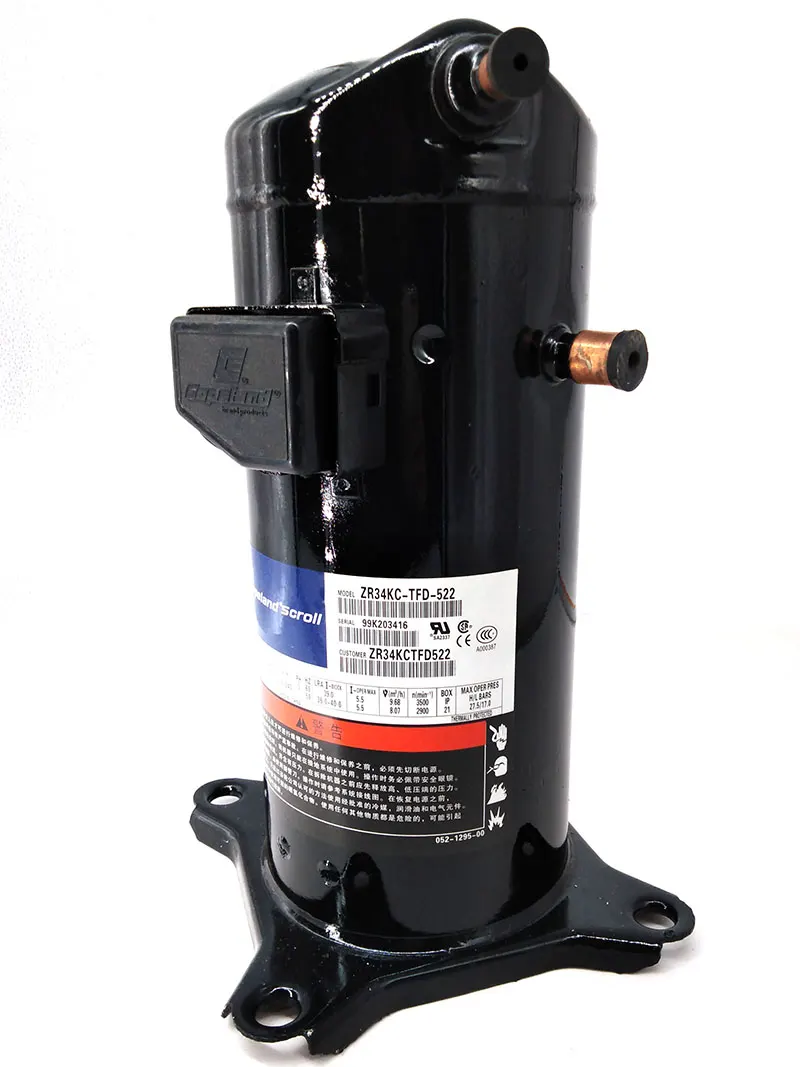
A nameplate gives you the most useful identification details in one place. In many cases it includes the model number, serial number, voltage, phase, frequency, refrigerant type, rated current, and other operating data. The challenge is that compressor naming conventions are not fully standardized. Different brands use different code structures, so the model number must always be read together with the nameplate and the manufacturer’s code table.
For overseas buyers and repair companies, this matters in day-to-day work:
- A distributor needs to confirm the exact replacement before shipping.
- A technician needs to match the electrical rating to the power supply on site.
- An installer needs to verify refrigerant compatibility before commissioning.
- A parts buyer needs to avoid ordering by appearance alone.
What a compressor model number usually tells you
Most compressor model numbers are a compact code that points to a few key characteristics. The exact meaning depends on the brand, but the structure usually helps identify the compressor family and its application.
1. Compressor family or series
The first part of the model number often identifies the product family. This can indicate whether the compressor is intended for refrigeration, air conditioning, or another application. It may also show whether the compressor belongs to a specific product series or platform.
This part is important because compressors that look similar may not share internal parts, mounting, oil type, or performance curve. If the family is wrong, the replacement is usually wrong even if the physical size appears close.
2. Capacity or displacement code
Many model numbers include a code that points to displacement, nominal capacity, or a performance class. In some systems, this is a numeric value embedded in the model. In others, it is an internal code that only makes sense when matched to the brand’s documentation.
This is where confusion often starts. A number in the model is not always the exact cooling capacity in BTU, kW, or horsepower. It may be a factory code, a displacement group, or a revision marker. Buyers should treat the model number as an identifier, not as a substitute for the full technical rating.
3. Motor or electrical version
The model may also point to the motor configuration, starting method, or power class. This is not always obvious from the main model string, which is why the nameplate remains essential. A compressor that is mechanically correct can still fail in practice if the electrical version does not fit the supply.
4. Refrigerant or application variant
Some model families have different versions for different refrigerants or duty conditions. The model code may show a refrigerant-specific variant, but in many cases the refrigerant information is printed on the nameplate rather than encoded in the model itself.
The key point is simple: do not assume every version of the same model number can be used interchangeably.
How to read the compressor nameplate
The nameplate is the practical reference point when verifying a compressor. It usually carries the data needed for ordering, replacement, and installation checks. While layouts vary by brand, the most important fields are easy to recognize.
Model number
This is the primary identifier for the compressor. Use it as the starting point, but do not stop there. A complete match should include the model number and the key operating data on the plate.
Serial number
The serial number identifies an individual unit. It can help trace production details, warranty history, or revision differences. For replacement work, it is useful when you need to confirm whether two units from the same model line are truly identical.
Voltage, phase, and frequency
This is one of the most important checks for replacement buyers. The electrical supply must match the compressor rating.
Look for:
- Voltage, such as 115V, 230V, 400V, or 460V
- Phase, such as single-phase or three-phase
- Frequency, usually 50Hz or 60Hz
A compressor with the wrong electrical specification may not start correctly, may trip protection devices, or may be damaged if installed on the wrong supply. For overseas shipments, this is a common source of ordering mistakes because regional power standards differ.
Refrigerant type
The refrigerant listed on the nameplate tells you which refrigerant the compressor is intended to work with. This is critical for both compatibility and system reliability. The compressor, oil, and operating envelope must all suit the refrigerant used in the system.
Do not assume a compressor can be swapped across refrigerants simply because the mounting and power look similar. A proper match requires confirmation of refrigerant compatibility and operating conditions.
Rated current and starting data
Many nameplates include rated current, locked rotor current, or similar electrical data. These values help technicians size protection devices and diagnose whether a compressor is operating within range.
If current draw is higher than expected, the issue may not be the compressor itself. Supply voltage, wiring, capacitor condition, contactor wear, refrigerant charge, or system pressure can all affect current.
Capacity or performance data
Some nameplates list nominal capacity, input power, or performance data under defined conditions. This is useful, but it must be read carefully. Capacity values depend on test conditions and are not universal across all systems.
A replacement decision should not rely on one number alone. Compare the compressor family, refrigerant, voltage, phase, frequency, and application before you treat capacity as a direct like-for-like match.
Oil and additional markings
The nameplate or housing may also show oil type, mounting position, approvals, or protection class. These details matter when the compressor is used in cold-room refrigeration, air conditioning, or another application with specific installation requirements.
Electrical data: the details that prevent expensive mistakes
Many replacement problems start with electrical mismatch rather than mechanical fit. A compressor can be physically compatible and still fail because its electrical rating does not fit the site.
Voltage mismatch
Voltage is the first item to verify. Even a small mismatch can cause unreliable starting, excess heat, or nuisance tripping. Confirm the rated voltage on the compressor plate and compare it with the actual supply available at the site.
Single-phase and three-phase
These are not interchangeable. A single-phase compressor is built differently from a three-phase compressor, and the wiring, control components, and protection devices are not the same. If the phase is wrong, the compressor is not a valid replacement.
50Hz and 60Hz operation
Frequency affects compressor speed and performance. A unit rated for 50Hz is not automatically suitable for 60Hz service, and the reverse is also true unless the manufacturer explicitly allows both. Always check the nameplate instead of assuming a global power standard.
Starting components and control gear
Some compressors depend on external starting components or specific control logic. When the replacement is being sourced for repair work, technicians should confirm whether the existing start relay, capacitor, overload, or controller is still suitable.
If the electrical data is incomplete, the safest approach is to compare the old compressor nameplate with the proposed replacement side by side.
Refrigerant and capacity: read them as operating limits, not labels
Refrigerant type and capacity are often the most searched fields on a compressor nameplate, but they should be handled with care.
Refrigerant type tells you compatibility
The refrigerant field is there to reduce the risk of installing the wrong compressor into an existing system. It is not a cosmetic label. It points to a specific design intent for refrigerant chemistry, lubrication, and operating conditions.
If the system uses a different refrigerant from the one listed on the compressor, compatibility must be checked before ordering. In many replacement cases, that check is the difference between a quick repair and a failed installation.
Capacity depends on test conditions
Capacity ratings are useful for comparing models, but only when the test conditions are known. The same compressor can show different performance figures depending on evaporating temperature, condensing temperature, suction superheat, and frequency.
That is why a single capacity number should not be used in isolation. For practical purchasing, compare:
- Model family
- Refrigerant type
- Voltage and phase
- Frequency
- Duty application
- Capacity range under the relevant working conditions
For cold-room projects, this is especially important because a compressor chosen only by nominal capacity may not perform correctly under the actual load and ambient conditions.
Common mistakes when decoding a compressor model number
The most frequent mistakes are simple, but they can be costly.
- Reading only the model number and ignoring the nameplate
- Assuming similar-looking model codes mean the same compressor
- Confusing displacement code with actual cooling capacity
- Matching voltage but ignoring phase or frequency
- Replacing a compressor without checking refrigerant compatibility
- Ordering by physical size instead of electrical and operating data
- Overlooking revision differences between old and new units
A good rule is to treat the model number as the first filter and the nameplate as the final confirmation.
A practical checklist before you order a replacement
Before placing an order, verify these points:
- Full model number from the compressor label
- Serial number if revision tracking is needed
- Voltage, phase, and frequency
- Refrigerant type
- Rated current and starting data if available
- Capacity or displacement reference
- Mounting style and physical dimensions
- Oil type or other application-specific notes
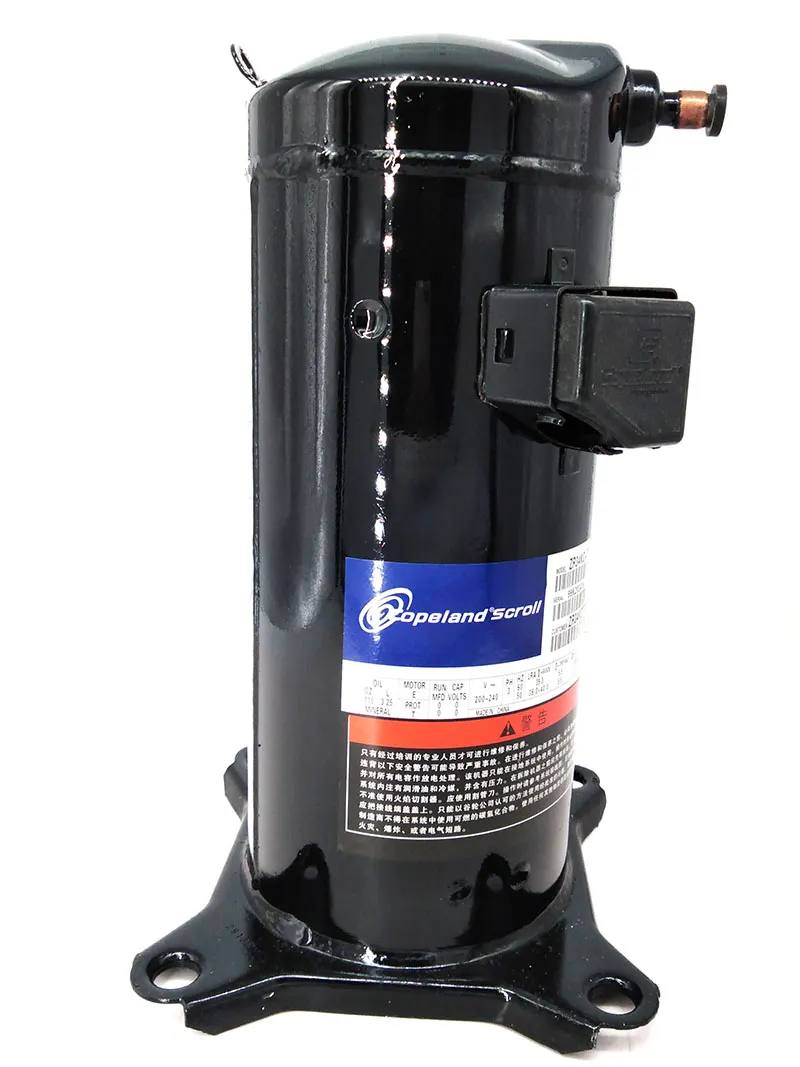
If any of these items are unclear, ask for a photo of the full nameplate and the compressor body. Clear images help avoid mistakes, especially when a model code is partially worn or translated differently across markets.
Why this matters for distributors and service teams
For spare parts distributors, accurate decoding reduces returns and prevents slow-moving stock that does not match customer demand. For service and repair companies, it shortens diagnosis time and helps confirm whether a compressor is truly the right replacement. For engineering installers, it supports proper specification before the job reaches the site.
In cross-border trade, this has extra value because product descriptions are often translated, shortened, or copied without the full technical context. A readable model number check is one of the simplest ways to protect the order process.
When in doubt, compare the old compressor nameplate, the proposed replacement data, and the manufacturer’s nomenclature table together. That three-way check is usually enough to separate a correct replacement from a risky guess.
FAQ
How do I know if a compressor model number is enough to place an order?
It is a good start, but not enough on its own. Always confirm voltage, phase, frequency, refrigerant type, and any important application details on the nameplate before ordering.
Is the compressor model number the same as the capacity?
No. The model number is an identifier. It may contain a capacity code, but that code does not always equal the actual cooling capacity. Check the technical data for the operating conditions used in the rating.
Why do two compressors with similar model numbers sometimes have different specs?
Manufacturers often use similar base codes for different electrical versions, refrigerants, or application variants. Small changes in the code can mean major differences in compatibility.
What should I do if the nameplate is damaged or hard to read?
Take clear photos from multiple angles, check the housing for stamped marks, and compare the unit with the manufacturer’s code table. If needed, match the old part against the system requirements before choosing a replacement.
Can I replace a compressor if the voltage matches but the refrigerant is different?
Not safely without checking compatibility. Refrigerant type affects compressor design, oil, and operating range. Matching voltage alone is not enough for a correct replacement.
FAQ
How do I know if a compressor model number is enough to place an order?
It is a good start, but not enough on its own. Always confirm voltage, phase, frequency, refrigerant type, and any important application details on the nameplate before ordering.
Is the compressor model number the same as the capacity?
No. The model number is an identifier. It may contain a capacity code, but that code does not always equal the actual cooling capacity. Check the technical data for the operating conditions used in the rating.
Why do two compressors with similar model numbers sometimes have different specs?
Manufacturers often use similar base codes for different electrical versions, refrigerants, or application variants. Small changes in the code can mean major differences in compatibility.
What should I do if the nameplate is damaged or hard to read?
Take clear photos from multiple angles, check the housing for stamped marks, and compare the unit with the manufacturer’s code table. If needed, match the old part against the system requirements before choosing a replacement.
Can I replace a compressor if the voltage matches but the refrigerant is different?
Not safely without checking compatibility. Refrigerant type affects compressor design, oil, and operating range. Matching voltage alone is not enough for a correct replacement.
Buyer Next Step
Move from research to sourcing with a category shortlist, relevant product examples, and a quote request channel.