How to Read Compressor Model Numbers and Nameplates: A Complete Identification Guide
Learn how to identify compressor model numbers, read nameplate data, and confirm key specs for replacement, repair, and spare parts ordering.
A compressor can look simple from the outside, but the information stamped on its shell or printed on its label decides whether a replacement will fit, run safely, and deliver the required capacity. For service technicians, parts distributors, and refrigeration installers, being able to identify a compressor correctly is one of the most practical skills in day-to-day work.
A wrong reading can lead to ordering the wrong voltage, the wrong refrigerant application, or a unit that physically fits but does not match the system. That means wasted labor, return claims, and equipment downtime.
This guide explains how to identify compressor model numbers, how to read compressor nameplates, and what details matter most when you are matching a part across different manufacturers.
Why compressor identification matters
Compressor identification is not only about finding a label and copying a code. It is about confirming that the compressor is suitable for the application, the electrical supply, and the refrigeration circuit.
Correct identification helps with:
- selecting the right replacement compressor
- confirming refrigerant compatibility
- checking voltage, phase, and frequency
- matching cooling application such as LBP, MBP, or HBP
- avoiding mounting and piping mismatch
- preventing warranty disputes caused by wrong installation
- speeding up quotations for distributors and spare parts buyers
In many field cases, the original model number is partly worn away, the nameplate is damaged, or the system has already been modified. That is why technicians should know how to use both the model number and the nameplate together.
Where to find the compressor model number and nameplate
The identification data is usually located in one or more of these places:
On the compressor shell or housing
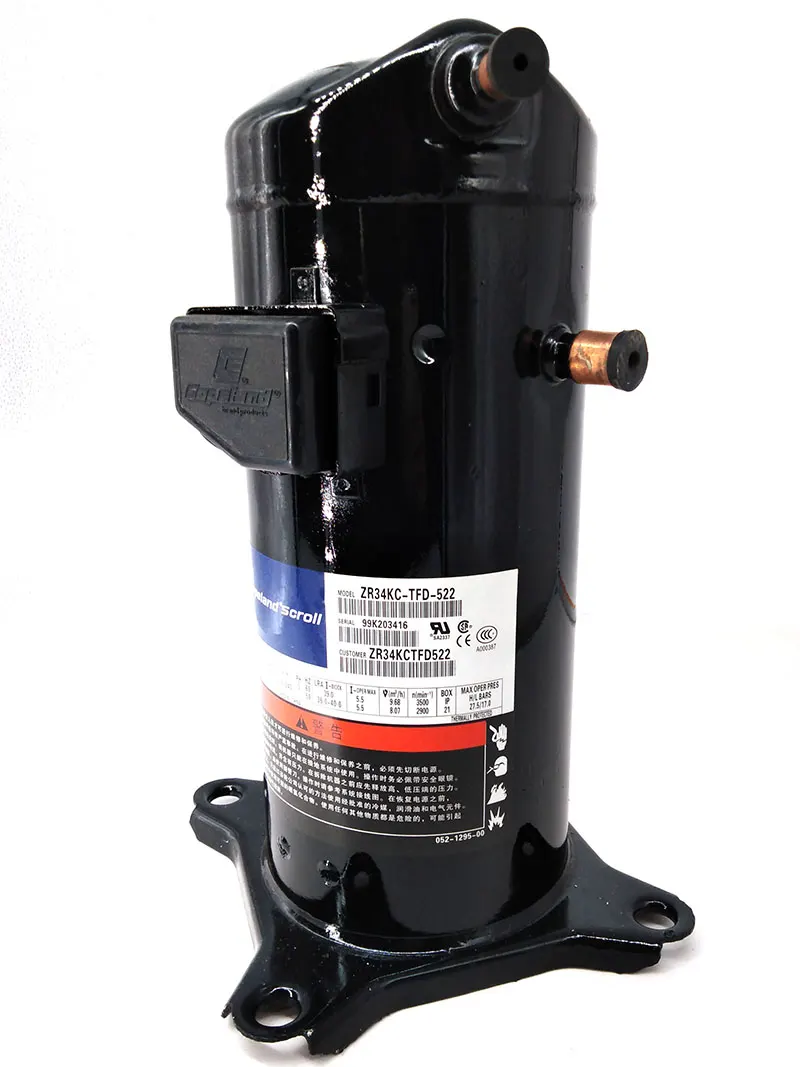
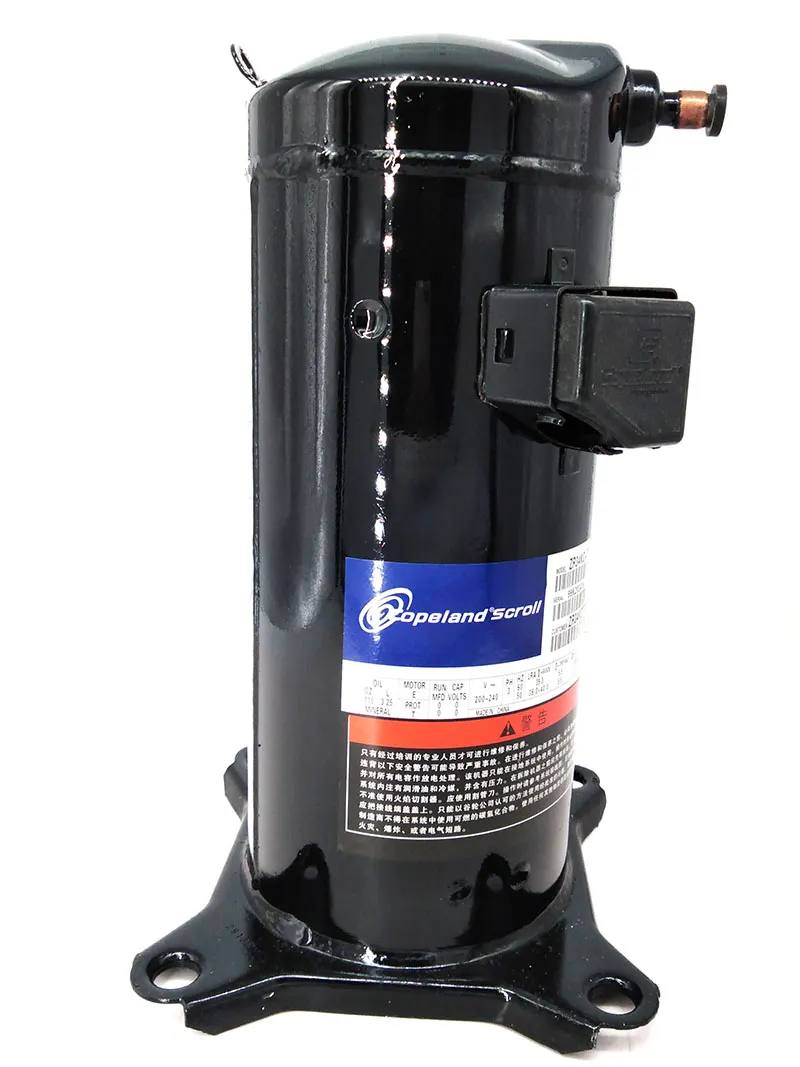
Hermetic and semi-hermetic compressors often have a printed, laser-marked, or stamped model code on the shell body. This may be easier to read than an adhesive label if the unit has been exposed to oil, moisture, or heat.
On the nameplate label
The nameplate is typically the most complete source of information. It may appear as:
- a metal plate riveted to the housing
- a printed sticker on the shell
- a side label attached near the terminal box
- a plate on the cylinder head or crankcase for semi-hermetic units
On the terminal box or electrical cover
Some brands repeat electrical data, part codes, or wiring information near the terminal area. This can help when the main label is damaged.
In system documentation
If the compressor itself is unreadable, identification may still be possible from:
- condensing unit labels
- cold room unit data plates
- service records
- spare parts lists
- equipment manuals
- old purchase orders or carton labels
When possible, take clear photos of every visible marking before cleaning or removing the compressor.
How to read a compressor model number step by step
There is no single universal coding system across all compressor brands. However, many manufacturers build their model numbers in a similar logic. The code often contains compressed information about product series, displacement or capacity class, refrigerant family, motor version, and application range.
Step 1: Find the full model code exactly as printed
Start by recording the model number character by character.
Pay attention to:
- dashes and slashes
- prefixes and suffixes
- letters that can be confused with numbers, such as O and 0, I and 1, S and 5
- revision codes at the end of the model
A missing suffix can change the motor version, mounting design, oil charge, or approved refrigerant.
Step 2: Separate the code into logical groups
Many compressor model numbers are built in sections. For example, a code may include:
- product family or series
- nominal size or displacement group
- application type
- refrigerant or generation code
- motor code
- design revision
Even when you do not know the brand-specific logic, splitting the code into sections makes it easier to compare against catalogs.
Step 3: Identify the compressor type
The model family often indicates the compressor construction. Common categories include:
- hermetic reciprocating compressors
- semi-hermetic reciprocating compressors
- scroll compressors
- rotary compressors
n- screw compressors
This matters because the replacement criteria are different for each design. A scroll model code, for example, may emphasize capacity family and electrical version, while a semi-hermetic model may make cylinder configuration and motor size more visible.
Step 4: Check application range
Many model numbers or nameplates indicate intended operating range. Typical terms include:
- LBP: low back pressure, often used for low-temperature refrigeration
- MBP: medium back pressure
- HBP: high back pressure, often for higher evaporating temperatures
Using the wrong application range can reduce performance or cause reliability problems, even if the compressor physically fits.
Step 5: Confirm refrigerant compatibility
Some manufacturers encode refrigerant family directly in the model number, while others show it only on the nameplate or technical literature. Never assume compatibility from appearance alone.
Check whether the compressor is approved for the refrigerant used in the system. This is especially important in retrofit situations and when moving between older and newer refrigerants.
Step 6: Verify electrical details separately
A model number may suggest the motor version, but the final check should come from the nameplate.
Confirm:
- voltage
- frequency
- phase
- locked rotor or starting information if relevant
- rated current or maximum operating current where shown
Two compressors with very similar model numbers may have different electrical versions for different countries or power supplies.
Step 7: Match revision or suffix codes
The last characters often identify small but important differences, such as:
- mounting style
- connection orientation
- oil type or oil charge version
- internal protection configuration
- production revision
- approved application update
For parts buyers and distributors, this is where many ordering mistakes happen.
How to read a compressor nameplate correctly
The model number identifies the product family, but the nameplate confirms the working details. If there is any conflict between a general product description and the actual unit installed, the nameplate should be treated as the key identification point.
Model number
This is the main ordering reference. Record it exactly, including all prefixes and suffixes.
Serial number
The serial number is usually unique to one compressor. It is not the same as the model number.
It can help with:
- production traceability
- confirming manufacturing variant
- checking warranty status through the brand network
- identifying date or batch code where supported
A serial number alone is usually not enough to order a replacement, but it can be valuable when the model number is partly unreadable.
Refrigerant
The nameplate may specify one refrigerant or a list of approved refrigerants. This should always match the system design and lubricant requirements.
Voltage, phase, and frequency
These are among the most critical fields on the plate. Check them carefully before ordering a replacement.
Typical examples include:
- 220-240V / 1Ph / 50Hz
- 380-420V / 3Ph / 50Hz
- 460V / 3Ph / 60Hz
A mismatch here can lead to starting failure, overheating, or immediate motor damage.
Current data
Depending on the manufacturer, the plate may show rated current, maximum current, or other electrical values. These figures help technicians compare operating conditions and troubleshoot overload issues.
Capacity or displacement reference
Some nameplates include a nominal capacity class, motor input, or displacement figure. This can help confirm whether the compressor is in the right performance range for the application.
Application or temperature range
Look for wording such as low temperature, medium temperature, air conditioning, refrigeration, or specific back pressure categories.
Protection and approvals
Some labels include internal protector information, enclosure rating, or certification marks. These can matter for export replacement, compliance checks, and project documentation.
Oil information
The plate or shell marking may indicate oil type, oil charge, or lubricant family. This is especially important when replacing a burned compressor or converting a system to another refrigerant.
What changes between manufacturers
Technicians often expect all compressor labels to work the same way, but manufacturers do not use one standard naming format. The exact meaning of letters and numbers can vary significantly.
Model number structure is brand-specific
One brand may use the first letters to identify compressor type, while another uses them to identify product generation. A number in the middle may represent displacement in one brand and motor size in another.
Nameplate depth varies
Some brands print detailed refrigerant and electrical information directly on the compressor. Others keep the label short and rely more heavily on technical documentation.
Serial number logic differs
Some serial numbers include production date coding. Others are simply traceability numbers. Unless you have the manufacturer decoding method, avoid making assumptions.
Old and new labels may differ within the same brand
Long-running compressor families may be relabeled over time. The older unit in the field and the newer replacement may not share identical markings, even if they are approved equivalents.
For this reason, compressor identification should not rely on model number pattern recognition alone. It should combine visual inspection, nameplate reading, and catalog confirmation.
A practical checklist for replacement buyers, distributors, and repair teams
When a customer asks for a compressor replacement, collect more than just one code. A complete identification request reduces mistakes and speeds up the quotation process.
Minimum information to collect
Ask for:
- full compressor model number
- serial number if visible
- clear photo of the nameplate
- refrigerant used in the system
- voltage, phase, and frequency
- application type such as freezer, chiller, cold room, or AC
- compressor type if known: scroll, reciprocating, rotary, semi-hermetic
Helpful secondary details
If the model is unclear, also request:
- photos of suction and discharge connections
- mounting base dimensions
- terminal box or wiring cover photos
- condensing unit model number
- old service report or spare part record
- compressor physical dimensions
Warning signs that need extra checking
Be careful when:
- the label is faded or partly missing
- the system refrigerant has been retrofitted before
- the customer only provides a serial number
- the old compressor was replaced previously with a non-original model
- there are multiple power supply standards in the target market
- a suffix is missing from the quoted model code
Best practice for field technicians
Before removing a failed compressor:
- photograph all labels and markings
- record the wiring connections
- note the refrigerant and oil type used
- check system application and evaporating conditions
- compare pipe orientation and mounting details
These steps are simple, but they prevent many avoidable ordering errors.
Common mistakes when identifying compressor model numbers
Even experienced buyers and technicians can make mistakes when working quickly.
Confusing model number and serial number
The model number identifies the compressor design. The serial number identifies the individual unit. Mixing them up is one of the most common parts-ordering errors.
Ignoring the suffix
A short version of the model may look correct, but the suffix may define the motor, refrigerant approval, or application range.
Assuming refrigerant compatibility
Compressors that look nearly identical may be intended for different refrigerants or lubricant systems.
Matching only by horsepower or shell size
Physical size and nominal motor rating are not enough for a proper replacement decision.
Overlooking frequency differences
A 50Hz and 60Hz version may have similar naming, but they are not the same selection.
Using visual similarity as proof
Two compressors from different series can have similar shells and terminal covers. Always verify by nameplate and technical data.
Final takeaway
If you want to identify a compressor model number correctly, do not stop at the first code you see. Read the full model number, inspect the nameplate, confirm refrigerant and electrical data, and compare all visible details before ordering.
For distributors, accurate identification reduces returns and speeds up RFQs. For repair companies, it avoids repeat visits and installation mismatch. For cold-room contractors and refrigeration installers, it protects system reliability and helps ensure the replacement compressor suits the actual operating conditions.
In short, the safest method is simple: use the model number to start the search, and use the nameplate to confirm the truth.
FAQ
How do I identify a compressor model number if the label is damaged?
Check for markings stamped or printed on the compressor shell, terminal box, or housing. Also review the condensing unit label, service records, carton labels, and equipment manuals. Clear photos of all visible markings can help cross-check the correct model.
What is the difference between a compressor model number and serial number?
The model number identifies the compressor design and specification family, while the serial number is unique to one individual unit. For ordering a replacement, the model number is usually essential, and the serial number is mainly useful for traceability or manufacturer verification.
Can I replace a compressor by matching only the horsepower or size?
No. A correct replacement must also match refrigerant compatibility, voltage, phase, frequency, application range, and often mounting and connection details. Similar horsepower or shell size does not guarantee a safe or suitable match.
Why do compressor model numbers look different between brands?
Each manufacturer uses its own coding structure. Letters and numbers may represent product family, displacement, motor version, refrigerant, or application, but the exact logic is brand-specific. That is why model numbers should be checked together with the nameplate and technical documentation.
Buyer Next Step
Move from research to sourcing with a category shortlist, relevant product examples, and a quote request channel.