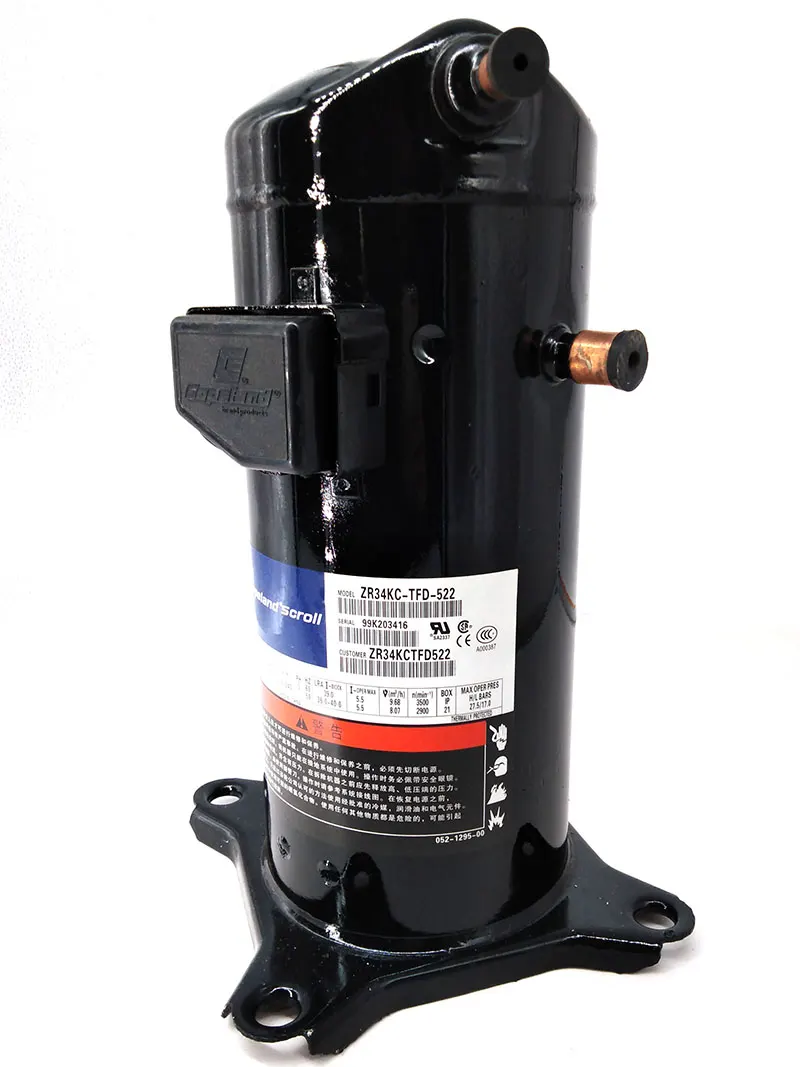
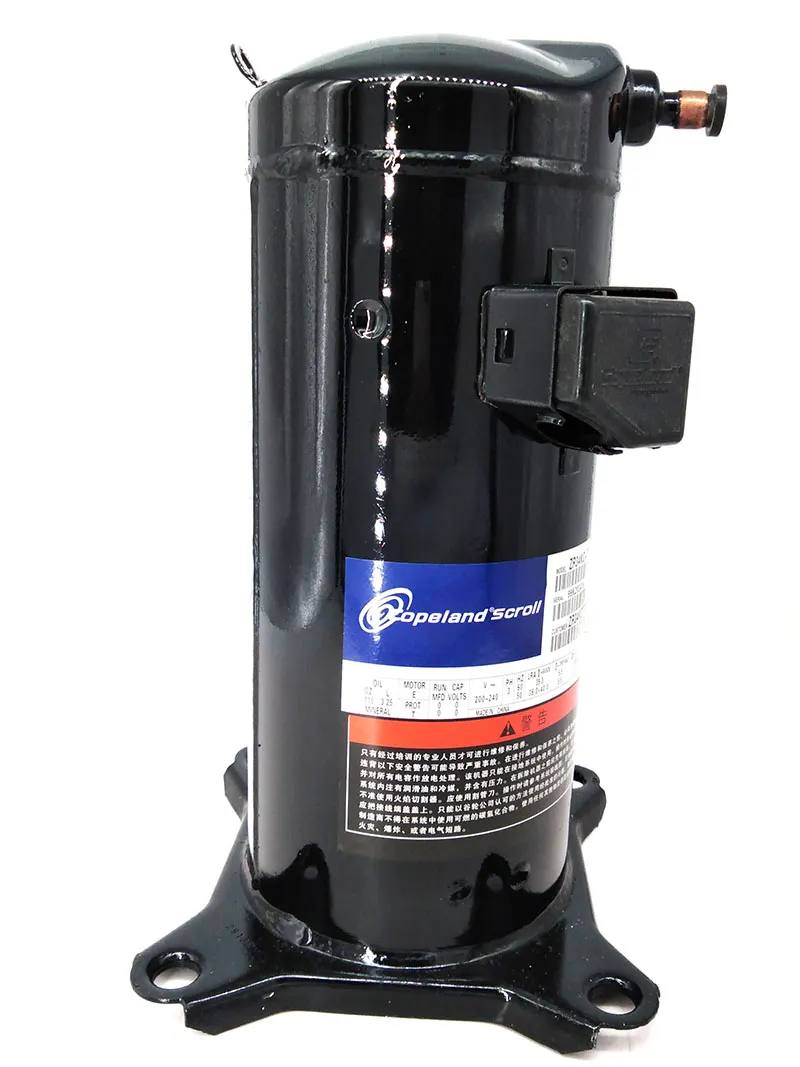
How to Match a Compressor Cross Reference Across Brands
A practical guide to matching compressor cross reference data across brands, so distributors and technicians can replace old models faster and with less risk.
How to Match a Compressor Cross Reference Across Brands
Replacing an old compressor is rarely a simple one-for-one swap. Model numbers change, brands reorganize product lines, and older units are often no longer listed in current catalogs. For distributors, repair teams, and cold-room installers, a reliable compressor cross reference is one of the fastest ways to narrow the field and keep equipment moving.
The challenge is that cross reference data is only a starting point. A compressor that looks equivalent on paper can still fail in service if the refrigerant, capacity range, electrical setup, mounting pattern, or application duty does not line up. A good replacement decision balances speed with verification.
That matters most in mixed inventories. Overseas buyers often work across multiple brands, legacy systems, and locally available stock. In that environment, a neutral compressor replacement guide is more useful than a brand-led lookup alone. It helps teams compare options across brands, confirm the practical fit, and choose a replacement that is close enough to perform correctly.
What a Compressor Cross Reference Actually Tells You
A compressor cross reference links one model to another model that may serve a similar role in a refrigeration or air-conditioning system. It is meant to reduce search time, not replace technical judgment.
A useful cross reference usually points to one or more of these items:
- Comparable cooling capacity
- Similar refrigerant compatibility
- Similar voltage and phase
- Similar displacement or application range
- Similar mounting or connection style
- A successor or substitute model in the same general duty class
What it does not guarantee is exact system equivalence. Two compressors can share broad specifications and still differ in starting characteristics, oil type, efficiency profile, sound level, or physical dimensions. That is why a cross reference chart should be treated as a shortlist, not a final verdict.
For buyers and repair teams, the value is speed. Instead of searching brand by brand, you can identify likely matches quickly, then verify the details that matter in the field.
The Data You Need Before Comparing Brands
Cross-brand matching works best when you start with complete nameplate and system data. Missing one key detail can send you toward the wrong equivalent compressor model.
Before comparing options, collect as much of the following as possible:
- Full model number from the failed compressor
- Refrigerant type in the system
- Power supply: voltage, phase, and frequency
- Application type: refrigerator, freezer, cold room, AC, or low-temperature system
- Cooling capacity requirement or original system size
- Compressor family: hermetic, semi-hermetic, or scroll, where relevant
- Mounting style and physical dimensions
- Suction and discharge connection size and location
- Oil type if it is listed or known
- Any original part number or OEM reference
If the old compressor is unreadable or partially missing, the system itself becomes the main reference point. That means checking the refrigeration circuit, cabinet type, evaporator load, and the operating conditions that the unit was designed to handle.
In many replacement jobs, the biggest risk is not choosing a compressor that is too small. It is choosing one that appears close in catalog terms but cannot support the actual load, start reliably, or fit the installation space without modification.
How to Compare Equivalent Compressor Models Across Brands
Once you have the old model details, compare candidates in layers. A true cross-brand match is not about one specification alone.
1. Match the application first
Start with the intended use. A compressor designed for a domestic refrigerator does not behave like one used in a walk-in cold room, even if both are technically small refrigeration compressors. Air-conditioning compressors also follow different operating expectations from low-temperature refrigeration models.
Check whether the replacement candidate is intended for:
- Domestic refrigeration
- Commercial refrigeration
- Low-temperature applications
- Air-conditioning
- Cold-room systems
This step filters out models that may be close in size but wrong in duty.
2. Compare capacity in the same operating conditions
Capacity is one of the most important cross reference points, but it must be read in context. Similar-looking capacities can shift depending on refrigerant, evaporating temperature, condensing temperature, and operating frequency.
A good comparison uses the same or very similar rating conditions. If those conditions are not listed, treat the match as approximate and verify carefully before shipment or installation.
When comparing equivalent compressor models, look for a candidate that sits in the same performance band rather than chasing a perfect model-number match.
3. Confirm refrigerant compatibility
A compressor may be listed as a replacement candidate, but only if it is suitable for the refrigerant used in the system. That includes both the original refrigerant and the refrigerant planned for the replacement system.
Do not assume that similar models across brands are interchangeable across all refrigerants. Cross reference charts can sometimes group models by general application, but the final choice still needs refrigerant compatibility confirmation.
4. Check electrical fit
Electrical mismatch causes avoidable failures during startup or early operation. Compare:
- Voltage
- Phase
- Frequency
- Start and run configuration
- Starting current characteristics, where available
A compressor can be mechanically close and still be a poor replacement if the power supply or start components do not align with the system.
5. Verify the physical envelope
The best cross reference in the world is not useful if the compressor does not fit the space available. Measure and compare:
- Overall height
- Base footprint
- Suction and discharge tube positions
- Service access clearance
- Mounting points or bracket style
This is especially important in repair work, where the cabinet or machine room may leave little room for adjustment. A technically sound model can still become a poor practical choice if the installer needs major rerouting or bracket changes.
6. Review oil and system details
Oil type is often overlooked in quick replacements. Incompatible lubrication can shorten compressor life or create service problems after installation. Check any available oil information before treating two models as equivalents.
Also look at details such as:
- Capillary tube or expansion valve design
- Defrost strategy in the application
- Ambient conditions around the unit
- Any history of repeated compressor failure in the same system
These details do not always appear in a basic cross reference chart, but they matter when the goal is a durable replacement rather than a temporary fix.
Where Cross Reference Charts Help and Where They Fail
A cross reference chart is useful when a model has been discontinued, renamed, or replaced by a newer generation. It is also helpful when distributors need to offer a practical substitute from available stock across multiple brands.
The chart becomes less reliable when it is used as the only decision tool.
Common failure points include:
- Matching only by horsepower or rough size
- Ignoring refrigerant differences
- Overlooking electrical ratings
- Assuming the same model number logic exists across brands
- Replacing a refrigeration compressor with a unit intended for a different duty cycle
- Using a close physical fit without confirming thermal performance
Brand-specific lookup tools can be useful, but they usually work best inside one manufacturer’s own product line. Overseas buyers and mixed-inventory distributors often need a neutral comparison that can move across brands and still keep the technical checks in view.
That is where a cross-brand replacement workflow saves time. It turns a long search into a manageable shortlist.
A Practical Replacement Workflow for Distributors and Technicians
A fast replacement process does not need to be complicated. It needs to be consistent.
Step 1: Identify the failed compressor
Record the full model number, refrigerant, and electrical data. Photograph the nameplate if possible. If the label is damaged, collect the system information instead.
Step 2: Define the real application
Confirm whether the unit is serving refrigeration, air-conditioning, or cold-room duty. Note whether it is high-, medium-, or low-temperature work.
Step 3: Search the cross reference pool
Look for same-duty models from more than one brand. Build a short list of candidates rather than stopping at the first similar part number.
Step 4: Compare critical fit points
Check capacity range, refrigerant, voltage, dimensions, mounting, and oil compatibility. Remove any option that fails a basic fit requirement.
Step 5: Confirm with the system owner or installer
If the replacement will require piping changes, cabinet modification, or altered controls, make sure the customer understands the impact before the order is placed.
Step 6: Keep a replacement record
For distributors and service companies, the best future cross reference starts with a good service record. Save the old model, the replacement model, the refrigerant, and the installation notes. That history speeds up the next job.
What Buyers Should Pay Attention to When Ordering Replacements
A replacement compressor is not just a part number. It is a fit decision.
Before placing an order, make sure the replacement candidate is clear on these points:
- Exact model or equivalent reference
- Refrigerant match
- Electrical match
- Capacity range
- Physical dimensions
- Mounting and connection layout
- Intended application
- Any special start or control requirements
For overseas buyers, this checklist helps avoid delays caused by returned stock, wrong substitutions, or field rework. It also makes communication easier between distributors, technicians, and installers when several brands are being considered at once.
A clean cross reference process reduces downtime, but it also improves inventory planning. When a distributor knows which models can substitute across brands, it becomes easier to keep a practical range of stock instead of carrying too many near-duplicate parts.
The Safer Way to Use a Compressor Cross Reference
The best use of a compressor cross reference is disciplined comparison. It speeds up replacement, but it should never replace the final technical check.
In practice, that means starting with the old model, filtering by application, and verifying the details that determine whether the new compressor will run correctly in the real system. When distributors and repair teams work this way, they make faster decisions without turning a quick substitute into a service call later.
For mixed-brand inventories, that is the difference between a reference chart and a reliable replacement process.
FAQ
What is a compressor cross reference?
A compressor cross reference links an old model to one or more replacement models that may fit the same application. It helps narrow the search, but the final choice still needs technical verification.
Can I replace a compressor with another brand?
Yes, if the replacement matches the application, refrigerant, electrical rating, capacity range, and physical fit. A cross-brand replacement should be treated as a technical match, not just a part-number comparison.
What should I check before using a cross reference chart?
Check the compressor model, refrigerant, voltage, phase, frequency, capacity, mounting, tube layout, and oil compatibility. These details matter more than the brand name alone.
Why do cross reference matches sometimes fail in the field?
They often fail when the match is based only on size or horsepower. Refrigerant, electrical, and operating-condition differences can make a model look similar while still being unsuitable for the system.
Who benefits most from a neutral compressor replacement guide?
Refrigeration spare parts distributors, service and repair companies, and cold-room installers benefit most because they often work with mixed inventories and need fast replacement decisions across brands.
Buyer Next Step
Move from research to sourcing with a category shortlist, relevant product examples, and a quote request channel.