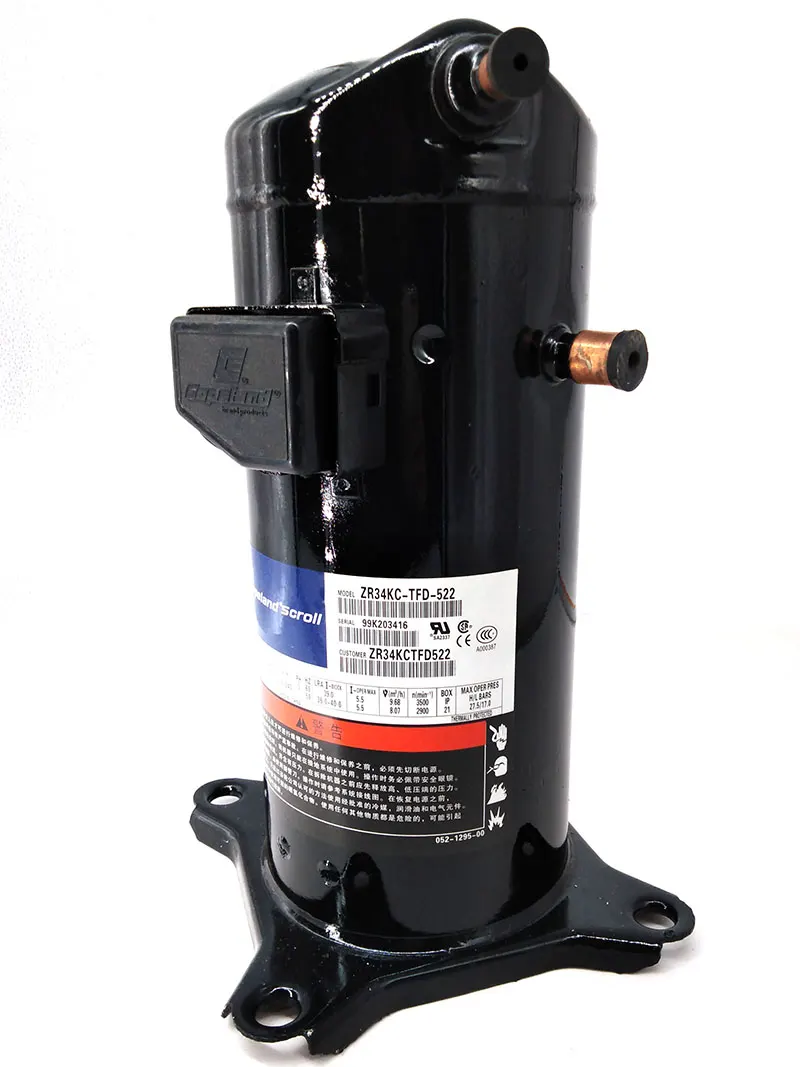
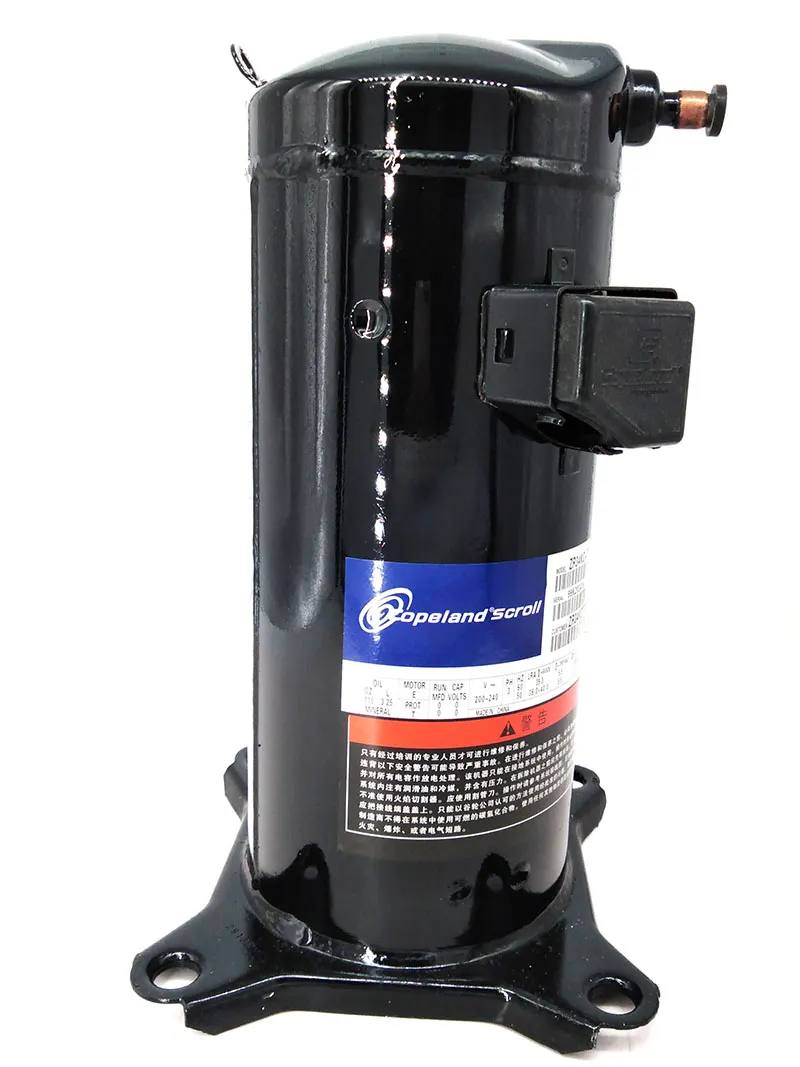
Genuine OEM vs Aftermarket Compressor Parts: How Overseas Buyers Can Reduce Risk
A practical guide for overseas refrigeration buyers comparing genuine OEM compressor parts with aftermarket options, supplier checks, and key documents.
For overseas refrigeration buyers, the choice between genuine OEM compressor parts and aftermarket compressor parts is rarely only about price. It affects system reliability, warranty exposure, service reputation, and the risk of receiving parts that do not match the compressor model in the field.
Distributors, repair companies, cold-room contractors, and HVAC service teams often work under pressure. A compressor is down, a customer needs a fast repair, and the required part may be urgent, discontinued, or difficult to source locally. In that situation, the lowest quotation can look attractive. The problem is that compressor spare parts are not simple commodities. Small differences in fit, material, electrical rating, oil compatibility, or manufacturing tolerance can lead to repeat failures and expensive site callbacks.
A practical purchasing policy should not treat OEM and aftermarket parts as a simple good-versus-bad choice. Genuine OEM parts are usually the safest option for critical repairs, warranty-sensitive jobs, and high-value refrigeration systems. High-quality aftermarket parts may be acceptable in certain applications when the supplier is transparent, the part is technically verified, and the buyer controls inspection and documentation.
What Genuine OEM Compressor Parts Mean
Genuine OEM compressor parts are parts supplied by, or under the approval of, the original equipment manufacturer. In compressor service, this may include electrical components, valves, gaskets, bearings, oil pumps, terminal plates, crankcase heaters, protection modules, connecting rods, piston rings, and other service parts designed for a specific compressor series.
The main value of OEM compressor parts is traceability. The buyer can usually confirm the part number, model applicability, packaging format, and intended use through the compressor brand's official documentation or authorized channels. This reduces the risk of receiving a visually similar part that does not meet the original specification.
OEM parts matter most when the component has a direct effect on compressor safety, efficiency, sealing, electrical protection, or mechanical operation. In these cases, small differences can create major service problems.
Situations Where OEM Parts Are Usually the Better Choice
Overseas buyers should strongly consider genuine OEM parts when:
- The compressor is still under warranty or part of a warranty-related service claim.
- The system is used in critical refrigeration, such as cold rooms, process cooling, food storage, medical storage, or continuous operation sites.
- The part affects compression, lubrication, motor protection, pressure sealing, or electrical safety.
- The customer requires documented brand authenticity.
- The repair company needs to reduce liability after a major compressor failure.
- The compressor model is high-value, uncommon, or difficult to replace quickly.
In these applications, the cost difference between OEM and aftermarket parts may be small compared with the cost of another failure, product loss, technician travel, or damaged customer trust.
Where Aftermarket Compressor Parts May Be Acceptable
Aftermarket compressor parts are produced by manufacturers other than the original compressor brand. The quality range is wide. Some aftermarket parts are engineered carefully and perform well in routine service. Others are copied mainly by appearance and may have poor material control, weak packaging, or incomplete model compatibility information.
The key question is not whether a part is aftermarket. The question is whether it is technically suitable, consistently produced, properly documented, and honestly represented by the supplier.
Aftermarket parts may be acceptable when the application risk is moderate, the part is not safety-critical, and the buyer has enough technical information to verify compatibility. They may also be considered when OEM parts are unavailable, lead times are too long, or the repaired equipment is older and outside warranty coverage.
Lower-Risk Aftermarket Use Cases
Many buyers consider aftermarket parts for:
- Non-critical accessories and mounting items.
- Certain gaskets, seals, or service kits where dimensions and materials can be verified.
- Replacement parts for older compressors that are outside warranty.
- Emergency repairs where OEM availability is limited and downtime cost is high.
- Stock programs where the distributor has tested repeat demand and supplier consistency.
Even in these cases, aftermarket compressor parts should not be purchased blindly. Buyers need clear part numbers, compressor model matching, physical inspection, and supplier accountability.
Higher-Risk Aftermarket Use Cases
Extra caution is needed when aftermarket parts involve:
- Motor protection modules or electrical components.
- Bearings, crankshafts, connecting rods, pistons, and internal mechanical parts.
- Oil pumps and lubrication-related parts.
- Valve plates, reed valves, or discharge components.
- Terminal plates and insulation-related components.
- Parts used with refrigerants or oils requiring specific compatibility.
For these parts, poor quality may not be obvious during installation. Failure may appear later under heat, vibration, load, pressure, or electrical stress. That delayed failure pattern is one reason overseas buyers should evaluate the supplier, not just the sample.
How to Evaluate a Compressor Spare Parts Supplier
A reliable compressor spare parts supplier should help buyers reduce uncertainty. This is especially important for international trade, where the buyer may not inspect goods until they arrive in another country.
The supplier should be able to identify the part accurately, explain whether it is genuine OEM or aftermarket, provide model matching support, and prepare export documents that match the shipment. Vague terms such as "OEM quality," "original type," or "same as original" should be clarified before an order is placed.
Questions Buyers Should Ask Before Ordering
Before confirming a purchase, overseas buyers should ask practical questions:
- Is the part genuine OEM, aftermarket, or compatible replacement?
- What is the exact part number and applicable compressor model range?
- Is the part new, unused, and in current saleable condition?
- Can the supplier provide photos of the actual item, label, packaging, and markings?
- What documents can be supplied with the shipment?
- Is there a minimum order quantity or mixed-brand sourcing option?
- How are parts packed for export transport?
- What is the process if the part is wrong, damaged, or not compatible?
A serious supplier will answer these questions directly. If the supplier avoids clear classification, changes part numbers without explanation, or provides only generic catalog images, the buyer should treat the quotation as higher risk.
Signs of Better Supplier Control
For refrigeration parts quality control, the best suppliers usually show consistent habits:
- They confirm compressor model numbers before quoting sensitive parts.
- They separate genuine OEM items from aftermarket items in communication and invoices.
- They use clear product photos instead of only brochure images.
- They understand cross-reference risk and do not force uncertain replacements.
- They check labels, packaging, and visible damage before shipment.
- They can consolidate parts from multiple brands while keeping traceability clear.
- They communicate realistic lead times instead of promising every item as immediately available.
For distributors and repair companies, this kind of supplier behavior is commercially valuable. It reduces time spent solving problems after the goods arrive.
Documentation Buyers Should Request
Documentation is one of the strongest ways to reduce risk in compressor parts export. It does not guarantee performance by itself, but it creates a record of what was ordered, what was supplied, and how the goods were represented.
For genuine OEM compressor parts, documentation should help confirm authenticity and traceability. For aftermarket compressor parts, documentation should help confirm compatibility, specification, and supplier responsibility.
Core Documents for Most Orders
Overseas buyers should request:
- Proforma invoice with exact part numbers, quantities, unit prices, and brand descriptions.
- Commercial invoice matching the shipment details.
- Packing list with cartons, weights, and item quantities.
- Product photos before shipment, especially for urgent or high-value parts.
- Label and packaging photos where authenticity or model matching matters.
- Air waybill, courier tracking, or bill of lading, depending on the shipping method.
For mixed shipments, the invoice and packing list should identify each brand and part number clearly. This is important for customs clearance, warehouse receiving, and later resale to service customers.
Technical and Quality Documents
Depending on the part type and buyer requirements, additional documents may include:
- Manufacturer or supplier declaration of part type, such as genuine OEM or compatible aftermarket.
- Compatibility statement listing compressor models or part number references.
- Inspection report for visible condition, quantity, packaging, and markings.
- Certificate of origin when required by the importing country or customer.
- Test or quality documents when available for electrical or mechanical components.
Buyers should be careful with certificates that look impressive but do not identify the actual goods. A useful document should connect to the order through part numbers, quantities, batch information where available, or shipment details.
Why Photos Matter
Photos are simple but powerful. They can reveal brand labels, packaging condition, part markings, terminal layouts, gasket shapes, connector types, and possible shipping damage before goods leave the supplier.
For service teams working across borders, photos also allow technicians to compare the incoming part with the failed part in the field. This can prevent expensive mistakes, especially when compressor model numbers are similar but not identical.
Practical Risk-Control Steps for Overseas Buyers
A strong purchasing process does not need to be complicated. It should make the correct part easier to buy and the wrong part harder to ship.
Match the Compressor Before Matching the Price
Many mistakes begin when buyers request a part by a short description only, such as "valve plate," "terminal board," or "oil pump." Compressor parts should be matched by compressor brand, complete model number, part number if available, voltage where relevant, and sometimes serial number or production version.
Useful information to provide includes:
- Compressor brand and complete model number.
- Existing part number and photos of the removed part.
- Nameplate photo of the compressor.
- Refrigerant and oil type, if relevant.
- Application type, such as air-conditioning, commercial refrigeration, freezer room, or cold-room project.
- Urgency and acceptable alternatives, if OEM is unavailable.
This information helps the supplier identify the correct part and advise whether OEM or aftermarket is appropriate.
Separate Critical and Non-Critical Parts
Not every compressor spare part carries the same risk. Buyers can build a simple internal policy:
- Use genuine OEM parts for high-risk electrical, mechanical, sealing, and lubrication components where failure is costly.
- Consider approved or proven aftermarket parts for lower-risk service items when compatibility is confirmed.
- Require extra documentation for urgent substitutions.
- Keep records of field performance by supplier and part category.
This approach helps distributors protect their reputation while still offering competitive options to customers with different budgets.
Inspect Goods Before Local Resale or Installation
When parts arrive, inspection should happen before they are placed into stock or sent to a job site. Basic receiving checks include carton condition, quantity, part number, label consistency, visible defects, corrosion, broken terminals, missing accessories, and packaging damage.
For high-value parts, distributors may also photograph received goods and keep the images with the purchase record. This supports claims handling and helps service teams confirm that the correct item was issued.
Be Careful With Cross-References
Cross-reference tables can be useful, but they should not replace technical verification. A part that fits one compressor model may not fit another version in the same series. Electrical ratings, connector positions, gasket dimensions, and material compatibility can vary.
When using cross-referenced aftermarket compressor parts, buyers should ask the supplier to state the replacement relationship clearly. If the supplier cannot explain why the part is compatible, the buyer should avoid using it in critical applications.
What This Means for Distributors, Repair Teams, and Installers
For HVAC spare parts distributors, the OEM versus aftermarket decision affects inventory strategy. Stocking only OEM parts may limit price flexibility, while stocking unverified aftermarket parts can create returns and damage trust. A balanced program separates critical OEM items from carefully selected compatible parts, with clear labeling and sales records.
For refrigeration service and repair companies, the priority is reducing repeat callouts. Technicians should document the compressor model, failed part, replacement part, and operating conditions after repair. When a customer chooses an aftermarket option for budget reasons, the service record should reflect that choice clearly.
For cold-room contractors and engineering installers, reliability often matters more than the lowest spare part cost. Cold rooms, freezers, and process cooling systems can expose weak parts quickly because of long run times and demanding site conditions. OEM parts or fully verified alternatives are usually the safer choice for systems where downtime creates business loss.
For replacement buyers and importers, the safest path is to work with suppliers who are transparent about sourcing. A distributor or aggregator that handles multiple compressor brands can be useful when it helps compare availability, clarify part type, and consolidate shipments without blurring the difference between genuine OEM and aftermarket parts.
Key Takeaway
The best decision is not always "OEM only" or "aftermarket only." The best decision is risk-based. Genuine OEM compressor parts provide the strongest traceability for critical repairs and warranty-sensitive work. High-quality aftermarket compressor parts can be useful when the application risk is lower, the part is technically verified, and the supplier provides clear documentation.
Overseas buyers can reduce risk by asking direct questions, confirming compressor models, requesting photos and documents, inspecting goods on arrival, and keeping performance records by supplier. In international refrigeration spare parts purchasing, transparency is often as important as price.
FAQ
What is the main difference between genuine OEM compressor parts and aftermarket compressor parts?
Genuine OEM compressor parts are supplied by or approved by the original compressor manufacturer and are usually easier to trace to a specific model and part number. Aftermarket compressor parts are made by other manufacturers as compatible replacements. Their quality varies, so buyers should verify fit, materials, ratings, documentation, and supplier reliability before use.
When should overseas buyers choose genuine OEM compressor parts?
OEM parts are usually the safer choice for warranty-related repairs, critical refrigeration systems, high-value compressors, electrical protection parts, lubrication components, internal mechanical parts, and sealing components. They are also preferred when the end customer requires brand authenticity or when repeat failure would be costly.
Are aftermarket compressor parts safe to use?
Aftermarket parts can be acceptable in lower-risk applications when compatibility is confirmed and the supplier is transparent. Buyers should avoid unverified aftermarket parts for safety-critical, electrical, lubrication, or internal mechanical components unless they have strong technical evidence and reliable supplier support.
What documents should a compressor spare parts supplier provide?
At minimum, buyers should request a proforma invoice, commercial invoice, packing list, exact part numbers, product photos, label or packaging photos, and shipping documents. For sensitive orders, a compatibility statement, supplier declaration, inspection report, certificate of origin, or available quality documents may also be useful.
How can distributors reduce risk when importing compressor parts?
Distributors should confirm full compressor model numbers before ordering, separate OEM and aftermarket inventory clearly, request photos before shipment, inspect goods on arrival, keep purchase and service records, and track field performance by supplier and part category. This creates better control over quality, returns, and customer trust.
Buyer Next Step
Move from research to sourcing with a category shortlist, relevant product examples, and a quote request channel.