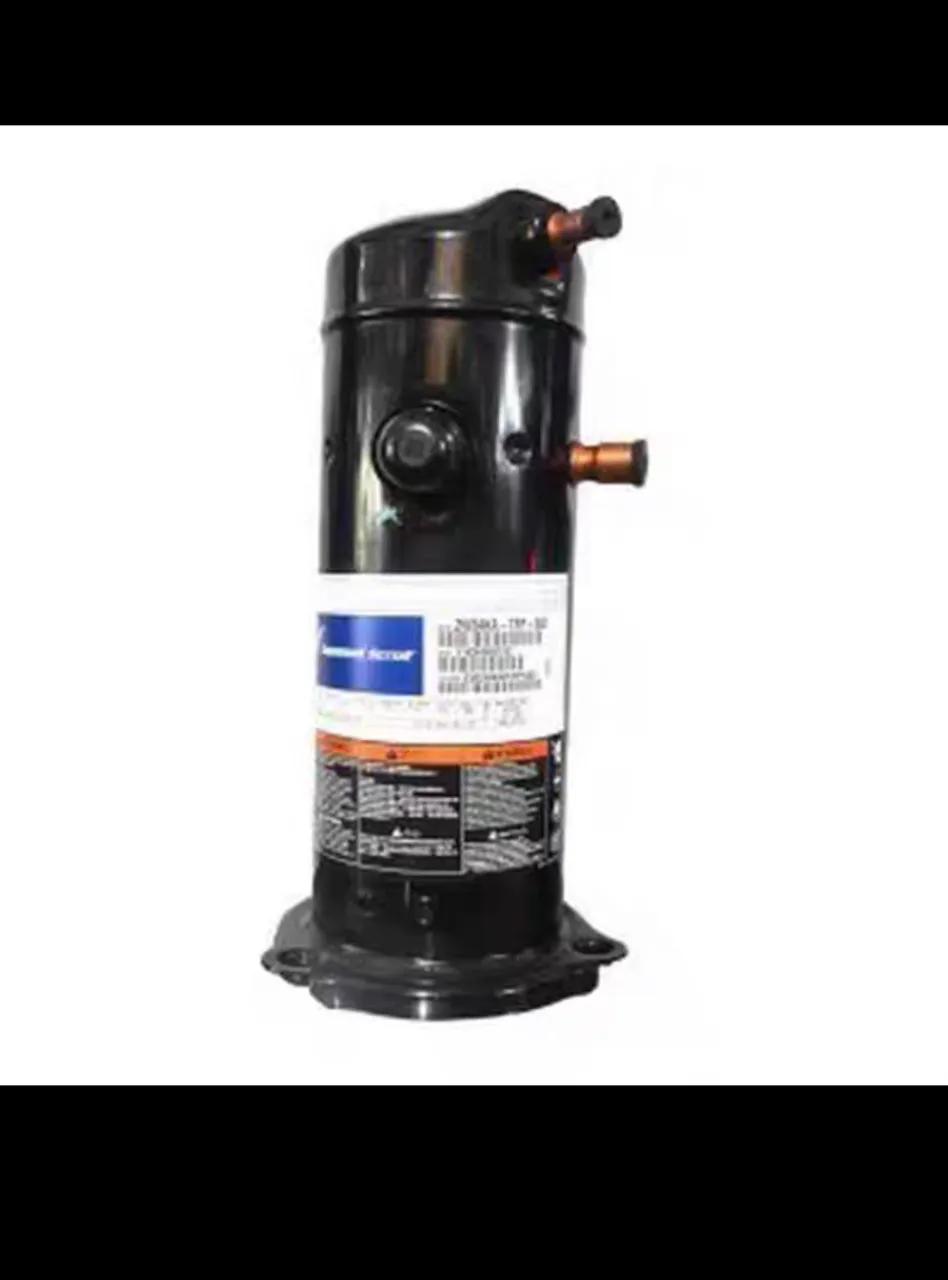
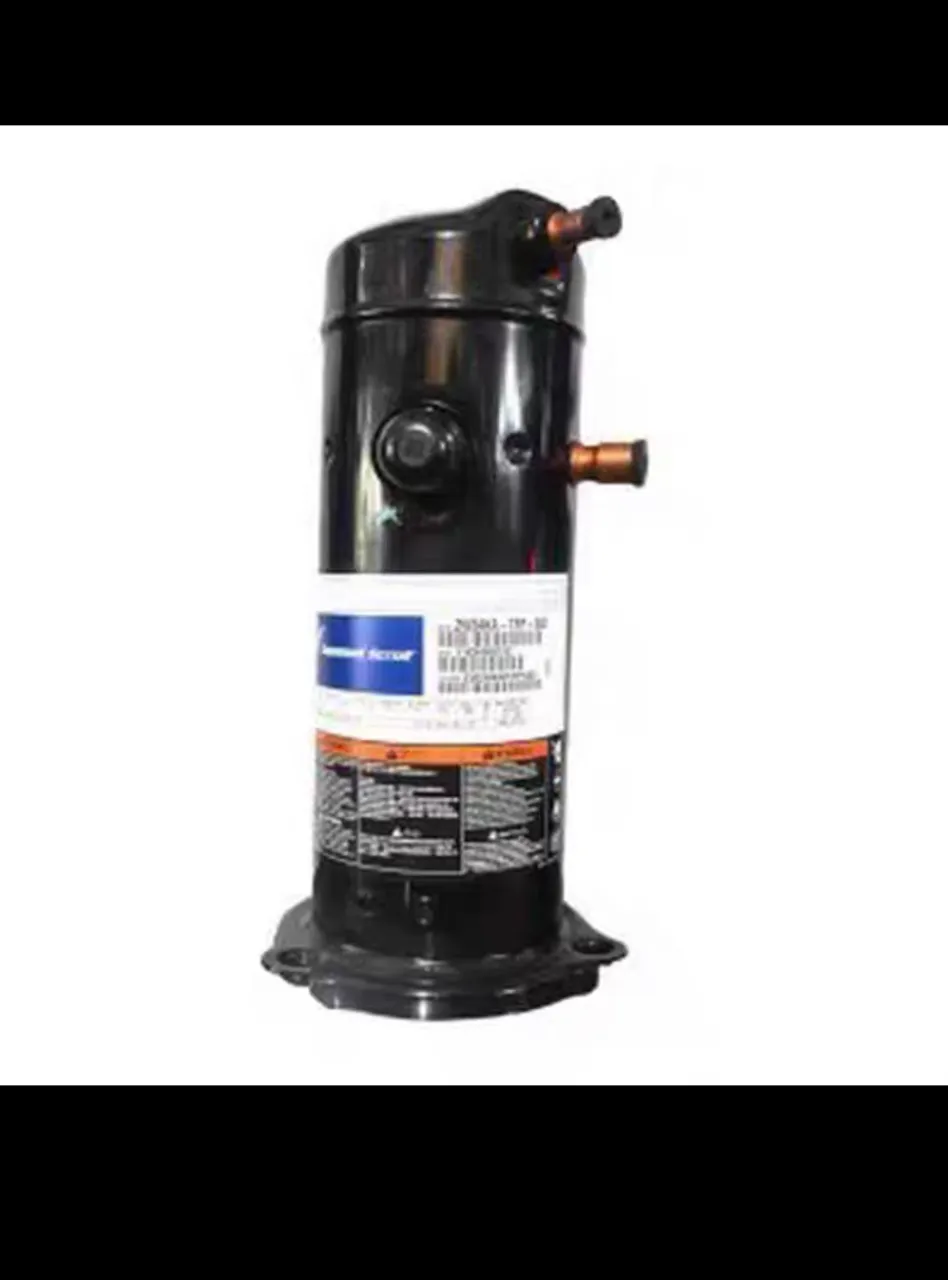
Compressor Refrigerant Compatibility Guide: R404A, R134a, R410A, R32, R600a, and R290
Learn how refrigerant, oil, pressure, temperature, and safety class affect compressor selection for R404A, R134a, R410A, R32, R600a, and R290 systems.
Choosing a replacement compressor by horsepower or displacement alone can lead to poor performance, oil return problems, excessive discharge temperature, or serious safety risks. Refrigerant compatibility is a system-level question: the compressor must match the refrigerant, evaporating and condensing conditions, lubricant, electrical supply, and application.
This matters when selecting an R404A compressor, R134a compressor, R410A compressor, R32 compressor, R600a compressor, or R290 compressor. Refrigerants that appear similar in a catalog may require different compressor construction, motor design, pressure ratings, oil charges, and control practices.
For distributors, repair companies, installers, and replacement buyers, the safest approach is to identify the original compressor and operating conditions before comparing alternative models.
Why Compressor Refrigerant Compatibility Matters
A refrigeration compressor is designed to operate within a defined envelope. That envelope includes suction pressure, discharge pressure, mass flow, motor load, discharge temperature, and oil circulation. The refrigerant influences each of these factors.
Two compressors with the same nominal capacity may not be interchangeable because they may be designed for different refrigerants or temperature ranges. A compressor selected for a low-temperature freezer, for example, may not provide the required performance in a medium-temperature cold room. An air-conditioning compressor may also have a pressure range that is unsuitable for a refrigerator or commercial freezer.
Poor compatibility can cause:
- Insufficient cooling capacity
- Excessive motor current or overload trips
- High discharge temperature
- Inadequate oil return
- Liquid slugging or floodback damage
- Seal, winding, or insulation problems
- Noise and vibration after installation
- Unsafe operation with flammable refrigerants
Refrigerant designation is therefore an essential starting point, but it is not the only selection criterion. The compressor model, application, oil specification, voltage, frequency, mounting arrangement, and connection sizes must also be checked.
Refrigerant Compatibility at a Glance
The six refrigerants in this guide serve different types of equipment and impose different selection requirements.
R404A compressors
R404A has been widely used in commercial refrigeration, including freezers, display cases, and cold-room systems. Compressors for R404A are commonly selected for low- and medium-temperature applications, but the correct operating envelope still depends on the specific model and system design.
Because R404A operates at pressures and temperatures that are not equivalent to R134a, an R404A compressor should not be treated as a direct substitute for an R134a model. Oil type, evaporating temperature, condenser conditions, capacity, and motor loading all need to be verified.
When replacing an older R404A compressor, confirm whether the replacement is approved for R404A or for a different refrigerant intended as part of a system conversion. A compressor approved for an alternative refrigerant is not automatically suitable for the existing charge and controls.
R134a compressors
R134a has been used in refrigeration, air-conditioning, transport, and other applications. Compressor requirements vary significantly between household refrigerators, commercial cabinets, chillers, and automotive systems.
An R134a compressor is selected according to the application temperature and capacity range, not simply the refrigerant name. A small hermetic compressor for a domestic refrigerator may have a completely different design and operating envelope from a commercial R134a compressor.
The oil specification must also be confirmed. Refrigeration compressors may use different lubricants depending on the compressor family and system. Do not assume that oil from one R134a model can be used in another without checking the manufacturer’s technical data.
R410A compressors
R410A is associated primarily with air-conditioning and heat-pump equipment. It operates at substantially higher pressure than many traditional refrigeration refrigerants, so an R410A compressor requires suitable pressure-rated components and system accessories.
An R410A compressor is not an appropriate replacement for an R32 compressor simply because both are used in air-conditioning equipment. Their pressure behavior, mass flow, oil requirements, electrical characteristics, and application approvals can differ.
For air-conditioning replacements, check the compressor’s rated cooling or heating capacity, operating frequency, inverter or fixed-speed design, refrigerant approval, discharge temperature limits, and compatibility with the original control system.
R32 compressors
R32 is used in various air-conditioning applications and is classified as mildly flammable. A compressor approved for R32 must be used with equipment designed for that refrigerant and its safety requirements.
R32 compressors may require attention to pressure rating, motor protection, electrical components, lubricant, and flammability-related system design. The compressor itself is only one part of the safety assessment. The installation, refrigerant charge, room conditions, leak management, service procedures, and electrical equipment must follow applicable regulations and equipment instructions.
An R32 compressor should not be selected as a general replacement for R410A equipment. A conversion between refrigerants requires a complete engineering assessment rather than a compressor-only change.
R600a compressors
R600a, or isobutane, is widely associated with domestic refrigerators and freezers. It is a hydrocarbon refrigerant and is highly flammable, so compressors and systems using R600a must be designed and serviced with appropriate precautions.
R600a systems generally use small refrigerant charges and low mass flow compared with many commercial systems. This means an R600a compressor is not interchangeable with an R134a compressor even when the cabinet size or electrical rating appears similar.
Replacement work should verify the exact refrigerant, compressor displacement, application temperature, starting equipment, oil specification, and electrical protection. Service technicians should also use procedures and tools suitable for flammable refrigerants.
R290 compressors
R290, or propane, is another hydrocarbon refrigerant used in selected commercial and industrial refrigeration applications. It is highly flammable and requires equipment, components, and service procedures specifically intended for the refrigerant.
An R290 compressor must be approved for the application and system design. Pressure, discharge temperature, motor protection, lubricant, electrical components, and charge limits all matter. R290 equipment may be used in applications ranging from commercial refrigeration to certain low-temperature systems, but the compressor’s rated envelope must be checked for the actual duty.
R290 and R600a are both hydrocarbons, but that does not make their compressors interchangeable. Their thermodynamic properties and application requirements differ, and the compressor manufacturer’s approval remains decisive.
The Five Compatibility Checks Buyers Should Make
1. Confirm the application temperature
Application temperature is one of the most important compressor selection factors. Suppliers may describe models as suitable for low-temperature, medium-temperature, high-temperature, freezer, refrigerator, cold-room, or air-conditioning use.
These descriptions should be matched with the actual evaporating temperature and expected condensing conditions. Ambient temperature, condenser cleanliness, airflow, room load, defrost operation, and pull-down requirements can all affect compressor duty.
A buyer should provide, where available:
- Evaporating or suction temperature
- Condensing temperature or expected ambient range
- Required cooling capacity
- Refrigeration application, such as freezer, cold room, cabinet, or air conditioner
- Whether the system is fixed-speed or inverter-driven
Nominal horsepower is useful for an initial comparison, but it cannot replace capacity data at defined rating conditions.
2. Check the oil type and oil return
Refrigerant and oil must work together. The lubricant must provide reliable motor and bearing protection while circulating through the system and returning to the compressor at the expected temperatures.
Oil selection may involve mineral oil, alkylbenzene, POE, or another specified lubricant, depending on the compressor and refrigerant. The correct oil is determined by the compressor design and manufacturer’s instructions, not by a broad refrigerant category alone.
Oil-related compatibility problems may appear as poor oil return, reduced lubrication, foaming, blocked components, or loss of capacity. During a retrofit, technicians should determine whether the existing oil must be recovered, drained, flushed, or replaced. Mixing lubricants without technical approval can create avoidable problems.
3. Verify the pressure range
Pressure rating is especially important when comparing traditional refrigeration compressors with air-conditioning compressors. R410A and R32 systems, for example, require equipment designed for their operating pressures. A compressor intended for a lower-pressure refrigerant cannot be treated as suitable merely because its electrical power or mounting pattern matches.
Review the compressor’s allowable suction and discharge pressures, maximum operating pressure, pressure-temperature relationship, and expected pressure at the system’s design conditions. The system’s expansion device, receiver, piping, service valves, pressure controls, and safety devices must also be suitable.
4. Identify the refrigerant safety class
Safety classification affects compressor selection, installation, servicing, and component approval. R600a and R290 are highly flammable refrigerants. R32 is mildly flammable. Other refrigerants may present different toxicity or flammability considerations.
For flammable refrigerants, the compressor and associated electrical components must be intended for the application. Technicians need suitable recovery equipment, leak detection practices, ventilation, ignition-source control, and training. A replacement compressor that fits mechanically may still be unsuitable from a safety and compliance perspective.
Safety classification also affects the wider system. Changing to a different refrigerant can alter charge limits, component requirements, service procedures, and installation restrictions.
5. Match the electrical and mechanical details
Even when refrigerant and capacity are correct, the compressor must fit the equipment physically and electrically. Verify:
- Supply voltage and frequency
- Single-phase or three-phase operation
- Fixed-speed or variable-speed control
- Starting method and start components
- Motor protection and overload arrangement
- Mounting dimensions and rubber grommets
- Suction and discharge connection sizes
- Compressor orientation and service access
- Terminal configuration and wiring requirements
A replacement model should be compared using its complete specification. Product photos and dimensions can help identify a model, but they should not be used as the sole basis for approval.
Are These Refrigerants Interchangeable?
In most cases, no. Refrigerants with different pressure characteristics, capacity behavior, oil requirements, and safety classes should not be considered direct substitutes without a designed conversion.
R404A and R134a
R404A and R134a have different operating characteristics and are used across different application ranges. An R134a compressor is not automatically a replacement for an R404A compressor, and the reverse is also true. Capacity, discharge temperature, oil, expansion device, controls, and operating pressures must be reassessed.
R410A and R32
R410A and R32 are both common in air-conditioning, but their compressor approvals and system requirements are not identical. A compressor swap between these refrigerants should be considered only when the compressor and the complete equipment design support the change.
R600a and R290
Both are flammable hydrocarbon refrigerants, but they have different thermodynamic behavior and equipment applications. An R600a compressor cannot be selected for R290 solely because both refrigerants are hydrocarbons.
Legacy replacements and retrofits
A modern replacement may be designed for a different refrigerant from the original compressor. Such a replacement can be valid when it is part of an approved retrofit or new system design. The conversion may require changes to oil, controls, metering devices, safety components, charge, labels, and operating procedures.
For distributors and repair teams, the key distinction is between a model replacement within the same approved refrigerant family and a refrigerant conversion. The former may be a routine compatibility check; the latter requires technical review.
What Information Should Buyers Provide?
A clear inquiry helps a compressor supplier identify suitable options across multiple brands. Send the original nameplate information whenever possible, including:
- Compressor brand and complete model number
- Refrigerant currently used
- Application type and temperature range
- Cooling capacity or original equipment rating
- Voltage, frequency, and phase
- Oil type, if listed
- Compressor displacement, if available
- Mounting and connection details
- Start relay, capacitor, or inverter information
- Quantity required and destination market
Photos of the nameplate, terminal cover, mounting feet, and pipe connections can resolve identification issues when model numbers are incomplete. Buyers should also state whether they need an exact replacement, a cross-reference, or a system conversion recommendation.
The final selection should be checked against the compressor manufacturer’s data and the equipment design. A cross-reference is a starting point for evaluation, not a guarantee that every system condition is identical.
Practical Takeaways for Global Buyers
Refrigerant compatibility is best treated as a filter applied before price and availability. For every R404A, R134a, R410A, R32, R600a, or R290 compressor inquiry, confirm the refrigerant, application temperature, capacity, oil, pressure range, safety class, and electrical specification.
For distributors, keeping complete model data and cross-reference notes reduces incorrect shipments. For service technicians, photographing the original installation and nameplate helps avoid assumptions. For installers and engineering contractors, reviewing the entire operating envelope is essential when designing a new system or changing refrigerants.
The most reliable replacement is the model that matches the actual duty and system requirements, not simply the model with the closest horsepower or physical appearance.
FAQ
Can an R134a compressor replace an R404A compressor?
Not automatically. R134a and R404A compressors have different operating characteristics, capacity behavior, pressure conditions, and application ranges. A replacement requires checking the compressor envelope, oil, metering device, controls, and system design.
Can an R32 compressor be used in an R410A air conditioner?
Only when the compressor and the complete system are specifically designed and approved for that refrigerant change. R32 and R410A equipment may have different pressure, oil, motor, control, and flammability requirements, so a compressor-only swap is not a general solution.
What information is needed to select a replacement compressor?
Provide the original compressor model, refrigerant, application, evaporating or operating temperature, cooling capacity, voltage, frequency, phase, oil information, connection sizes, mounting details, and whether the system is fixed-speed or inverter-driven.
Are R600a and R290 compressors interchangeable?
No. Although both are flammable hydrocarbon refrigerants, they have different thermodynamic properties and equipment applications. The compressor must be approved for the specific refrigerant, operating conditions, electrical design, and safety requirements.
Is compressor horsepower enough to confirm compatibility?
No. Horsepower is only a rough reference. Refrigerant approval, application temperature, cooling capacity at rating conditions, pressure range, oil, electrical specification, mounting, and safety class must also match.
Buyer Next Step
Move from research to sourcing with a category shortlist, relevant product examples, and a quote request channel.