Refrigeration Compressor Oil Compatibility Chart: POE, Mineral, and Synthetic Oils
A practical compressor oil compatibility chart covering POE, mineral, and synthetic oils, plus refrigerant matching, retrofit cautions, and conversion tips.
Choosing the right compressor oil is not a minor maintenance detail. In refrigeration and air-conditioning systems, oil selection affects lubrication, heat transfer, seal condition, system cleanliness, and long-term compressor reliability. A mismatch between oil and refrigerant can lead to poor oil return, sludge formation, acid problems, blocked capillaries, or compressor failure.
For distributors, service companies, and refrigeration installers, a compressor oil compatibility chart is a tool that gets used repeatedly. It helps answer everyday questions: Can mineral oil stay in the system? When is POE required? Is an alkylbenzene or other synthetic oil acceptable? How much residual oil is too much during conversion? And what should buyers check when replacing a compressor from a different brand?
This guide explains the main refrigeration compressor oil types, shows where they are commonly used, and highlights the warnings that matter during service, retrofit, and compressor replacement.
Why compressor oil compatibility matters
Compressor oil does more than lubricate bearings and moving parts. In most refrigeration systems, oil circulates with refrigerant through the entire loop and must return reliably to the compressor. That means oil must work not only with the compressor design, but also with the refrigerant and operating conditions.
The main compatibility issues usually fall into four categories:
- Oil miscibility with refrigerant: If the oil does not move properly with the refrigerant, oil return may become unstable.
- Material compatibility: Seals, elastomers, varnish, and internal motor materials can react differently to different oils.
- Moisture behavior: Some oils absorb water more easily than others, increasing the risk of acid formation and insulation damage.
- Residual oil contamination during retrofit: Even if the new oil is correct, too much old oil left in the system can affect performance and reliability.
For buyers and replacement teams, the most important point is simple: compressor oil selection should follow the refrigerant and the compressor maker's specification, not habit or appearance.
Compressor oil compatibility chart for common refrigerants
The chart below is a practical reference for common refrigeration and air-conditioning applications. It is not a substitute for the compressor manufacturer's technical data, because approved oil grades and viscosities can vary by brand, model, temperature range, and compressor design.
General refrigerant oil chart
| Refrigerant | Common oil type(s) | Typical service note |
|---|---|---|
| R22 | Mineral oil, alkylbenzene in some cases | Traditional choice in older systems; retrofit decisions require care |
| R134a | POE, sometimes specific synthetic oils approved by manufacturer | Usually requires hygroscopic moisture control |
| R404A | POE | Common in low and medium temp commercial refrigeration |
| R407C | POE | Usually not compatible with legacy mineral oil practices |
| R410A | POE | Requires correct viscosity and strong moisture control |
| R507 | POE | Similar service expectations to R404A applications |
| Hydrocarbon refrigerants | Application-specific oils per compressor approval | Check flammability and compressor approval carefully |
| CO2 systems | Manufacturer-specified synthetic oils | High-pressure application; follow exact compressor requirements |
Oil family overview
Mineral oil
Mineral oil has long been used in older refrigeration systems, especially with refrigerants such as R22. It remains relevant in legacy equipment and in parts markets where older installations are still widely serviced.
Best known features:
- Common in older systems
- Familiar handling for service teams
- Not suitable for many HFC refrigerants that require better miscibility characteristics
Main caution:
- Mineral oil is usually not the correct choice for many newer HFC systems using refrigerants such as R404A, R407C, R410A, and R134a unless a compressor maker specifically states otherwise.
POE oil
POE, or polyol ester oil, is widely used with many modern HFC refrigeration and air-conditioning refrigerants. It offers the miscibility needed in many systems, but it also absorbs moisture quickly.
Best known features:
- Widely required for modern refrigerants
- Good refrigerant miscibility in many applications
- Standard choice for many replacement compressors used with R134a, R404A, R407C, R410A, and R507
Main cautions:
- Highly hygroscopic compared with mineral oil
- Must be handled with strict moisture control
- Cross-contamination with old oil can create reliability issues after retrofit
Synthetic oils beyond POE
The term synthetic oil can cover several families, including alkylbenzene and other specialist formulations. In refrigeration service, synthetic does not automatically mean universal compatibility.
Best known features:
- Some synthetic oils are used in specific compressor or refrigerant applications
- Alkylbenzene may appear in selected retrofit or legacy applications
- Specialty systems may use dedicated synthetic lubricants specified by the compressor maker
Main caution:
- Synthetic oil type must be identified precisely. A general label such as synthetic is not enough for safe compressor selection.
What changes when moving from mineral oil to POE
Many oil compatibility questions appear during retrofit, refrigerant change, or compressor replacement. The most common example is an older system that originally ran with mineral oil and now needs a compressor or refrigerant that requires POE.
This is where technicians and buyers need to pay close attention.
Why the change matters
POE and mineral oil behave differently in the system. If a system designed around mineral oil is moved to a refrigerant and compressor combination that requires POE, leaving too much mineral oil behind can create several problems:
- Reduced oil return
- Uncertain viscosity behavior in circulation
- Poor lubrication at critical load points
- Deposits, dark oil, or unstable operation over time
- Warranty risk if the compressor manufacturer requires a cleaner conversion
For distributors and contractors, this affects not only the oil sale but also related service parts, including:
- Filter driers
- Acid test kits
- System flush materials where appropriate
- Oil charging tools
- Sight glasses and moisture indicators
Practical conversion procedure
The exact process varies by system design, but a safe field approach usually includes these steps:
1. Confirm the required oil from the compressor specification
Never assume that a replacement compressor uses the same oil as the removed unit, especially when changing brand, refrigerant, or product generation.
Check:
- Approved refrigerant
- Approved oil family
- Required viscosity grade
- Required initial oil charge
- Any limits on residual old oil
2. Recover refrigerant and remove as much old oil as possible
Drain oil from the failed compressor and any accessible oil traps, separators, or low points. In some systems, only part of the total oil can be removed in one step.
3. Replace critical service components
In many conversions or burn-out situations, replacing the filter drier is essential. If the previous compressor failed electrically or mechanically, additional clean-up steps may be needed.
4. Recharge with the correct oil type and amount
Use only the specified oil family and viscosity. Too much oil can reduce cooling performance; too little can damage the compressor.
5. Run the system and evaluate oil condition
After operation, some systems may need another oil change if residual contamination remains too high. This is especially relevant in larger systems or retrofits where old mineral oil was widely distributed through the pipework.
6. Monitor return, temperature, and pressure behavior
Verify stable oil return, normal operating temperatures, and acceptable suction and discharge conditions.
Key warning during conversion
A frequent field mistake is mixing oils because the system appears to run normally at start-up. Short-term operation does not prove long-term compatibility. Moisture, residual contaminants, and unstable oil return often show up later, not immediately.
Brand and replacement compressor considerations
Many overseas buyers work with multiple compressor brands across aftermarket service, cold-room installations, and spare parts distribution. That makes oil selection more complicated than simply matching refrigerant.
Same refrigerant does not always mean same oil requirement
Two compressors running on the same refrigerant may still require different oil grades or viscosities. Reasons include:
- Different bearing design
- Different internal motor cooling method
- Different operating envelope
- Different discharge temperature management
- Brand-specific approval lists
A replacement buyer should always confirm:
- Compressor model number
- Refrigerant application
- Factory oil charge status
- Oil type supplied from factory
- Whether top-up oil must match the original factory fill exactly
Semi-hermetic, hermetic, and scroll applications
Oil handling priorities can differ by compressor type.
Hermetic compressors
These are common in domestic, light commercial, and packaged systems. Oil compatibility errors often appear during direct replacement when technicians assume all small compressors use the same lubricant.
Semi-hermetic compressors
These are common in cold rooms, condensing units, and commercial systems. Oil management becomes more critical because of larger charge volumes, oil separators, and wider operating conditions.
Scroll compressors
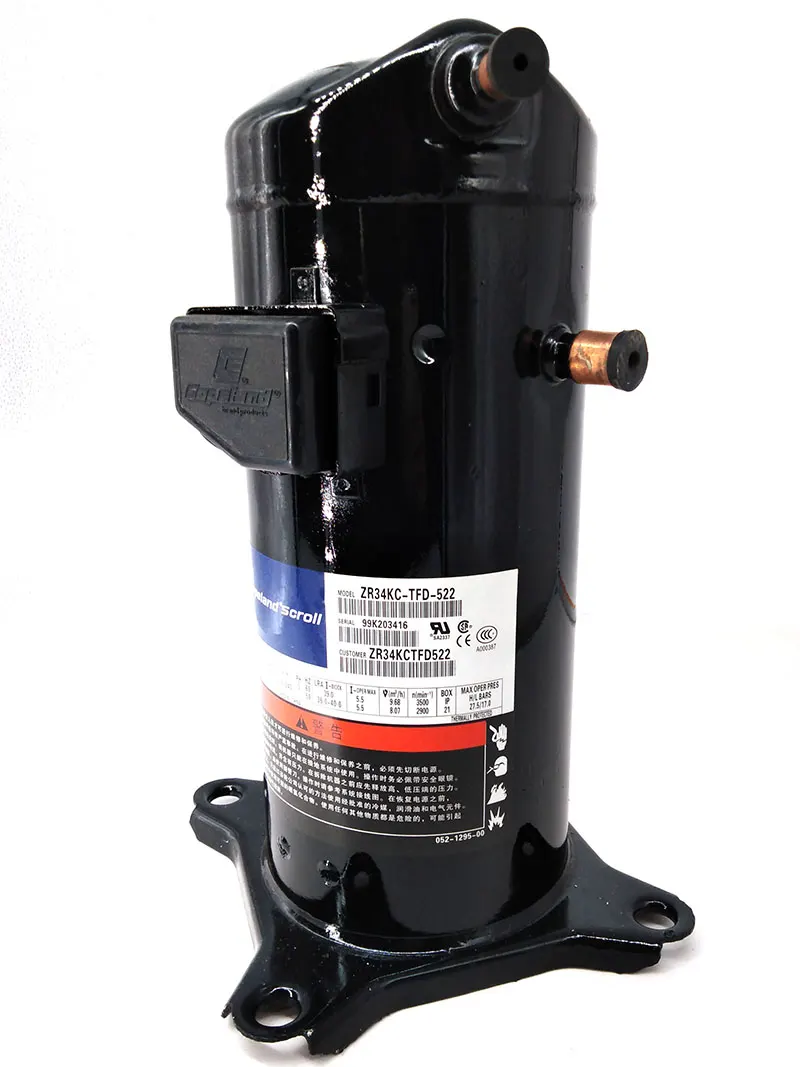
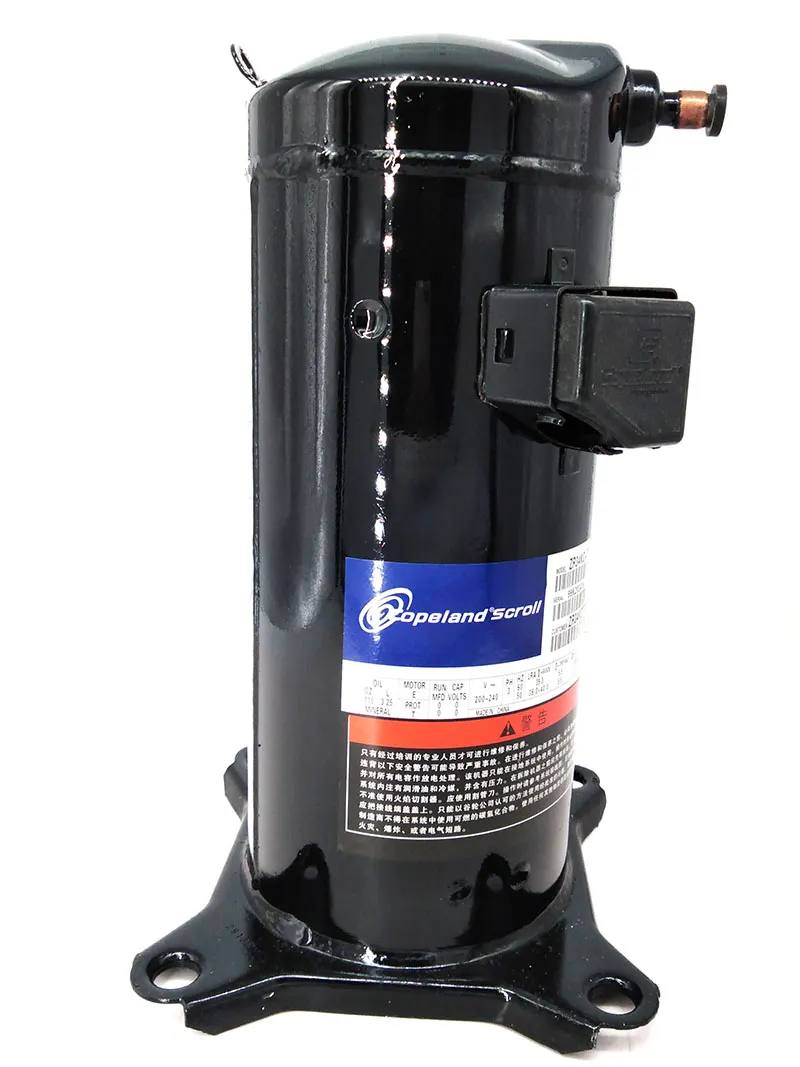
Scroll systems often require strict adherence to approved POE grades, especially in air-conditioning and medium-temperature refrigeration applications. Viscosity and cleanliness are particularly important.
When switching compressor brands
If a replacement compressor comes from a different manufacturer than the original unit, buyers should not rely on old oil labels alone. The replacement compressor's own specification takes priority.
Important checks include:
- Is the compressor pre-charged with oil?
- If yes, what oil family and viscosity is inside?
- Is partial oil equalization allowed in the field?
- Are there limits on mixing with residual oil from the old system?
- Does the warranty require documented oil compliance?
Common compatibility mistakes to avoid
In real service work, the same errors appear again and again. Avoiding them reduces repeat failures and unnecessary compressor returns.
1. Treating POE as a universal substitute
POE is common, but not universal. The correct POE grade and viscosity still matter, and some applications require different synthetic lubricants.
2. Ignoring moisture exposure
POE oil absorbs moisture quickly once opened. Containers should be kept sealed, and charging should be done carefully. Open containers left in workshop air can create problems before the oil ever enters the system.
3. Mixing oil types without checking limits
Some residual mixing may be unavoidable during retrofit, but that is different from intentionally blending oils without approval. Uncontrolled mixing can change lubrication performance and chemical stability.
4. Focusing only on refrigerant, not compressor design
A refrigerant-oil match is only part of the decision. Compressor architecture and manufacturer approval are equally important.
5. Reusing contaminated oil after burn-out
If a compressor has failed due to burn-out, acid formation, or severe mechanical damage, oil and system cleanliness become major concerns. Simply fitting a new compressor without proper clean-up can lead to another failure.
How buyers, distributors, and service teams should use an oil compatibility chart
A good compressor oil compatibility chart is best used as a screening tool, not as the final technical approval.
For spare parts distributors
Use the chart to narrow the likely oil family quickly, then confirm the exact oil grade from the compressor model and refrigerant application. This improves quotation accuracy and reduces incorrect parts dispatch.
For repair companies
Use it to identify likely retrofit risks before onsite work begins. If the job involves an oil type change, plan for driers, clean-up materials, and possible repeat oil changes.
For cold-room installers and engineering contractors
Use it during project planning and replacement specification. Mixed fleets often contain older refrigerants, newer HFC systems, and different compressor brands, so oil management should be part of the scope, not an afterthought.
For overseas replacement buyers
Ask suppliers for three details before ordering:
- Refrigerant compatibility
- Oil type and viscosity
- Factory oil charge condition
This simple check prevents many cross-border ordering mistakes, especially when replacing compressors in markets with mixed legacy and modern refrigerants.
Quick selection rules to keep in mind
For day-to-day decision-making, these rules are useful:
- Older R22 systems often use mineral oil or, in some cases, approved alkylbenzene products.
- Many HFC refrigerants such as R134a, R404A, R407C, R410A, and R507 commonly require POE.
- Synthetic oil is not a single universal category; the exact type matters.
- Compressor brand approval and viscosity are as important as the oil family.
- During retrofit, residual old oil and moisture control are often the biggest hidden risks.
A compressor oil compatibility chart is valuable because it speeds up decisions, but it should always lead to a final check against the compressor specification. In refrigeration service, lubrication errors are expensive, avoidable, and often discovered only after the system has already gone back into operation.
FAQ
Can POE oil be mixed with mineral oil in a refrigeration system?
Deliberate mixing should not be treated as standard practice unless the compressor manufacturer permits it. During retrofit, some residual mineral oil may remain in the system, but too much carryover can affect oil return, lubrication behavior, and long-term reliability.
Which refrigerants commonly require POE oil?
Many HFC refrigerants used in refrigeration and air-conditioning, including R134a, R404A, R407C, R410A, and R507, commonly use POE oil. The exact approved oil grade and viscosity must still be confirmed against the compressor model specification.
Is synthetic compressor oil the same as POE oil?
No. POE is one type of synthetic refrigeration oil, but synthetic oil is a broader category that can include other formulations such as alkylbenzene and specialty lubricants. The exact oil family matters for compatibility.
What should buyers check when replacing a compressor with another brand?
Confirm the refrigerant, oil type, viscosity grade, and whether the replacement compressor is factory-filled with oil. Buyers should also check any limits on residual old oil and whether the warranty requires a specific lubricant.
Buyer Next Step
Move from research to sourcing with a category shortlist, relevant product examples, and a quote request channel.