How to Read Compressor Model Numbers: Copeland, Danfoss, Bitzer, Tecumseh and Embraco
A practical guide to compressor model number meaning, covering voltage, refrigerant, application range, motor type, displacement and replacement checks.
When a compressor fails, the model number is often the fastest way to identify a suitable replacement. For overseas buyers, distributors, service companies and cold-room contractors, the model code on the compressor nameplate can confirm much more than brand and size. It may point to the compressor series, refrigerant compatibility, application temperature range, motor configuration, voltage, phase, displacement, capacity family, oil type or electrical option.
The challenge is that there is no single global model-number system. Copeland, Danfoss, Bitzer, Tecumseh and Embraco each use their own coding structure, and the same letter may mean different things from one manufacturer to another. A code that looks like a horsepower rating in one brand may describe displacement or application range in another.
For quotation and replacement work, the goal is not to “guess” from the code alone. The goal is to use the compressor model number meaning as a technical starting point, then verify it against the nameplate, datasheet and system requirements.
Why Compressor Model Numbers Matter in Replacement Buying
A compressor model number is more than a product label. It is a compressed technical description designed for selection, inventory and service identification. When a buyer sends only a photo of an old compressor, the model number and nameplate data often determine whether the supplier can quote quickly or must ask for more information.
For distributors and repair teams, reading the code correctly helps avoid common replacement mistakes such as:
- Supplying a compressor with the wrong voltage or phase
- Mixing low-temperature and medium-temperature applications
- Selecting a model for the wrong refrigerant
- Replacing a scroll compressor with the wrong capacity family
- Ignoring start components, motor protection or oil requirements
- Confusing nominal horsepower with actual cooling capacity
- Ordering a physically incompatible model for the mounting space or pipe connections
Model decoding is especially useful for older units where the system label is damaged, the original bill of materials is unavailable, or the end user only knows the brand name. However, model numbers should always be checked together with compressor nameplate information, not used as the only source of truth.
The Core Items Buyers Should Decode
Most compressor model numbers contain several layers of information. The exact order differs by brand, but the same technical questions apply across air-conditioning, refrigeration and cold-room compressors.
Series or platform code
The beginning of the model number usually identifies the compressor family. This may indicate whether the unit is hermetic, semi-hermetic, scroll, reciprocating, rotary or a specific commercial platform.
Examples include well-known brand families such as Copeland scroll series, Danfoss Maneurop and commercial compressor series, Bitzer semi-hermetic series, Tecumseh hermetic series and Embraco light commercial refrigeration series. The series code is important because compressors from different platforms may not be interchangeable even if capacity appears similar.
Horsepower or capacity family
Many buyers ask for “1 HP,” “3 HP” or “10 HP” compressors, but horsepower is not always the most accurate selection point. Some model numbers include nominal horsepower, while others use displacement or capacity-related digits. Cooling capacity changes with evaporating temperature, condensing temperature, refrigerant and power supply.
For accurate replacement, compare:
- Original compressor model
- Refrigerant type
- Evaporating and condensing conditions
- Required cooling capacity
- Voltage and phase
- Application range
A compressor described as 3 HP for one market may not match another brand’s 3 HP compressor under the same working conditions.
Voltage, phase and frequency
Electrical code sections are critical in export orders. A compressor suitable for 220-240 V single phase is not interchangeable with a 380-420 V three-phase version. Frequency also matters because many overseas markets use either 50 Hz or 60 Hz, and compressor capacity and motor behavior can vary.
When sending an inquiry, always include a clear photo of the nameplate showing voltage, phase and frequency. If the nameplate is unreadable, provide the country of installation and power supply details.
Refrigerant compatibility
The model number may indicate refrigerant family or may be tied to a series designed for specific refrigerants. Older compressors may have been used with R22, while newer replacements may need to support refrigerants such as R134a, R404A, R407C, R410A, R507, R448A, R449A, R513A, R290 or R600a depending on the system design and local regulations.
Refrigerant compatibility is not just a label issue. It affects oil type, operating pressures, discharge temperature, motor load and system components. Never assume a replacement compressor is suitable simply because the capacity looks close.
Application range
Refrigeration compressors are commonly selected for high, medium or low evaporating temperature ranges. A cold-room freezer compressor works under different conditions from a beverage cooler, display cabinet, chiller or air-conditioning unit.
Application range is one of the most important checks when reading compressor codes. Some brands use letters to indicate low-temperature, medium-temperature or air-conditioning applications. Others separate application range by product family.
Before approving a replacement, confirm the intended use:
- Air-conditioning or heat pump
- Chiller
- Medium-temperature cold room
- Low-temperature freezer room
- Display cabinet
- Ice machine
- Transport or special refrigeration system
Motor type and starting method
Compressors may use different motor types and starting arrangements. Single-phase compressors often require start relays, capacitors, PTC devices or specific electrical kits. Three-phase compressors may require different protection arrangements. Some models have internal protection, while others depend on external modules.
A correct model match should include the electrical version, not only the mechanical compressor body. For service companies, this is especially important when replacing compact hermetic compressors or commercial scroll compressors.
Displacement and mechanical configuration
Displacement is a key indicator of compressor size, especially for semi-hermetic and open-type selections. Model numbers may include digits that relate to displacement, number of cylinders, frame size or nominal capacity. For Bitzer-style semi-hermetic compressors, for example, the model code can communicate frame and cylinder arrangement as well as capacity family.
Physical configuration should also be checked:
- Mounting footprint
- Suction and discharge connection size
- Connection position
- Oil sight glass and service valve arrangement
- Shell size and height
- Accessories and mounting hardware
Even when the model number is correct, installation constraints can affect whether the replacement is practical.
Brand-by-Brand Model Number Reading Tips
Each compressor manufacturer has its own naming logic. The following guidance is intended for practical quotation and identification work, not as a substitute for the latest manufacturer datasheet.
Copeland model number meaning
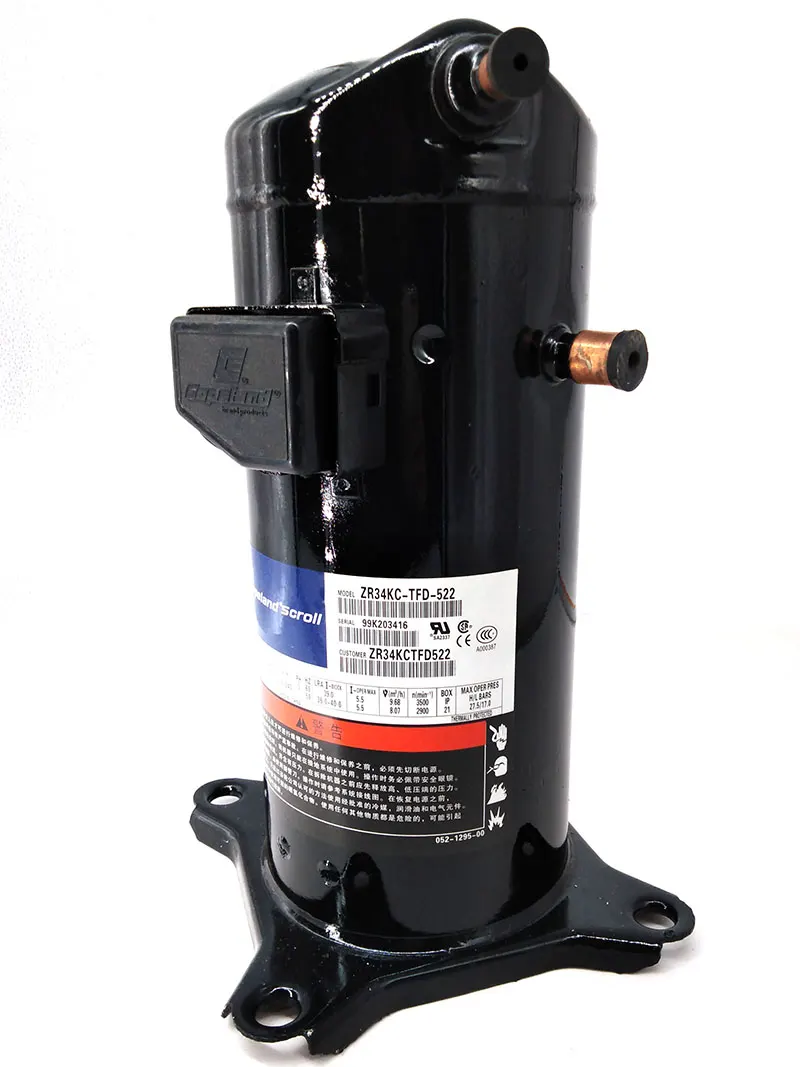
Copeland model numbers often start with a series code that identifies the compressor family. In many commercial applications, buyers will see scroll compressor prefixes such as ZR, ZF, ZB, ZH or related families. These prefixes help indicate the general application area or platform, such as air-conditioning, refrigeration, heat pump or low-temperature use depending on the specific series.
The digits that follow usually relate to capacity family or model size. Suffixes and additional letters can identify electrical version, motor protection, oil, bill of material, connection option or regional configuration.
When decoding a Copeland compressor, pay attention to:
- Prefix letters identifying the series and application family
- Capacity-related digits in the middle of the code
- Electrical suffix for voltage and phase
- Refrigerant and oil compatibility from the datasheet
- Whether the unit is scroll, semi-hermetic or another design
- Service replacement cross-reference where available
A common mistake is to match only the middle capacity digits while ignoring the suffix. Two compressors with similar base codes may have different voltages, protection modules or approved refrigerants.
Danfoss compressor model number
Danfoss compressor codes vary by product line. Buyers may encounter compact hermetic compressors, commercial reciprocating compressors, scroll compressors and Maneurop models. Prefixes such as MT, MTZ, NTZ, SM, SY or similar series identifiers are commonly used in the market for different compressor families and applications.
In Danfoss model numbers, the series code often gives the first clue about refrigerant suitability and application range. The following digits generally indicate size or displacement family. Additional suffixes or code numbers identify electrical version, packaging, oil, connection type or approved configuration.
For Danfoss inquiries, the most useful information includes:
- Full model number, not only the series and size
- Code number if available on the nameplate or label
- Refrigerant currently used in the system
- Voltage, phase and frequency
- Application temperature range
- Whether the compressor is original equipment or a previous replacement
Danfoss products often have both model designations and code numbers in the supply chain. Providing both reduces the risk of quoting the wrong variant.
Bitzer compressor model number
Bitzer compressor model numbers are widely used in cold-room, rack, chiller and industrial refrigeration applications. Many Bitzer semi-hermetic reciprocating models use codes that reflect the compressor series, cylinder arrangement and capacity family. Buyers may also see screw, scroll or condensing unit-related model formats depending on the application.
In semi-hermetic reciprocating models, the first part of the code may indicate the compressor frame and cylinder configuration, while the number section points to displacement or capacity family. Suffix letters may indicate refrigerant, oil, motor version or design generation.
When reading a Bitzer compressor model number, check:
- Compressor type: semi-hermetic reciprocating, screw, scroll or other
- Frame and cylinder configuration
- Displacement or nominal capacity family
- Motor version and voltage code
- Refrigerant and oil approval
- Application envelope for evaporating and condensing temperatures
Bitzer replacements should be selected carefully because compressor application envelopes are important. A model that is suitable for medium-temperature storage may not be suitable for a low-temperature freezer unless the operating conditions and configuration are approved.
Tecumseh compressor code
Tecumseh model numbers are common in light commercial refrigeration, beverage coolers, small cold rooms, display cabinets and service replacement markets. Buyers may see series identifiers such as AE, AJ, AK, FH, TF or other family codes depending on compressor type and region.
Tecumseh codes typically combine a family or platform identifier with size digits and suffixes for refrigerant, voltage, application and electrical configuration. Because many Tecumseh compressors are used in smaller systems, the starting components and electrical kit are often just as important as the compressor body.
For Tecumseh replacement inquiries, confirm:
- Complete compressor model and any suffix
- Refrigerant type
- Voltage and frequency
- Low, medium or high temperature application
- Start relay, capacitor or electrical kit requirements
- Mounting and connection layout
If an old Tecumseh compressor has been replaced before, the installed model may not be the original design. Service technicians should compare the compressor with the cabinet or system specification whenever possible.
Embraco compressor model
Embraco compressors are widely used in domestic refrigeration and light commercial refrigeration equipment. Model codes often include a platform or family prefix, followed by digits and suffixes that indicate displacement or capacity family, refrigerant, voltage and application configuration.
For small hermetic compressors, the nameplate is especially important because the same general capacity range may have different refrigerant versions, such as models designed for hydrocarbon refrigerants or HFC refrigerants. Electrical accessories must also match the compressor version.
When decoding an Embraco compressor model, check:
- Model family and full suffix
- Refrigerant shown on the system and compressor label
- Voltage and frequency
- Application: domestic refrigerator, freezer, merchandiser, cooler or light commercial cabinet
- Starting device and overload protector
- Physical dimensions and tube positions
For distributors, Embraco replacement requests are often high-volume and time-sensitive. Clear nameplate photos and full suffixes help prevent wrong shipments.
How to Use the Compressor Nameplate Correctly
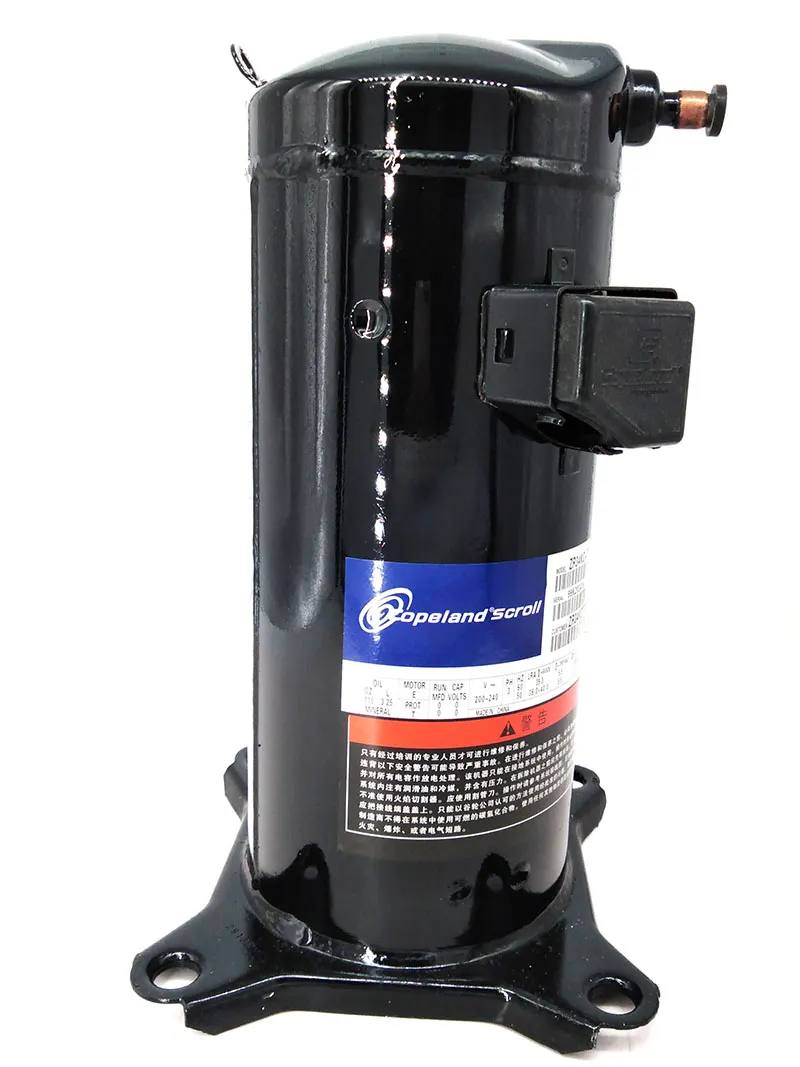
The compressor nameplate is the main evidence for identification. Model numbers can be printed on labels, stamped on shells or shown on equipment documentation. If possible, collect all visible markings because old compressors may have separate labels for model, serial number, electrical data and refrigerant approval.
A useful compressor nameplate photo should show:
- Full model number
- Brand and series
- Serial number or manufacturing code if readable
- Voltage, phase and frequency
- Locked rotor and rated current data if shown
- Refrigerant information if shown
- Oil type or charge information if shown
- Certification marks or regional version if relevant
For quotation purposes, do not crop the photo too tightly. A wider photo of the compressor in the unit can also help suppliers see connection positions, mounting style and available space.
Information to send with a replacement request
A model number alone is not always enough. For faster and more accurate quotations, buyers should send the following information together:
- Full compressor model number and brand
- Clear compressor nameplate photo
- Refrigerant used in the system
- Application type, such as cold room, freezer, chiller or air conditioner
- Power supply: voltage, phase and frequency
- Required quantity
- Country or destination market
- Photos of the installed compressor and pipe connections
- Any preferred brand or acceptable alternative brands
This is especially important for third-party sourcing, where a distributor may compare original models with equivalent options from multiple brands.
Common Mistakes When Decoding Compressor Model Numbers
Reading compressor codes can speed up buying, but several mistakes create avoidable delays.
Treating horsepower as the only selection standard
Horsepower is a rough commercial description, not a complete engineering specification. Always verify capacity under the intended operating conditions.
Ignoring suffix letters
Suffixes often identify the electrical version, refrigerant configuration, oil type or bill of material. Missing one suffix can change the product.
Assuming refrigerant interchangeability
Compressors designed for different refrigerants may require different oils, pressure ratings, motor characteristics or system components. Retrofit decisions should be made with technical approval.
Overlooking application temperature
Medium-temperature and low-temperature compressors are not always interchangeable. Check the operating envelope before replacing a cold-room compressor.
Using an old cross-reference without verification
Cross-reference tables can be helpful, but product ranges change. Confirm the current replacement option with updated technical data.
Forgetting electrical accessories
For single-phase hermetic compressors, the correct relay, capacitor, PTC starter and overload protector are part of a reliable replacement. For larger compressors, motor protection and control modules must be checked.
Practical Takeaway for Buyers and Distributors
Compressor model number meaning is best understood as a structured identification method. The code helps narrow the selection, but the final replacement decision should be based on the complete operating and electrical requirements.
For overseas buyers, the most efficient workflow is simple: send the full model number, nameplate photo, refrigerant, voltage, phase, frequency and application. For distributors and repair companies, building a habit of collecting these details reduces quotation time and lowers the risk of wrong inventory.
Copeland, Danfoss, Bitzer, Tecumseh and Embraco all use different coding systems, but the key checks remain the same: series, capacity or displacement, refrigerant, application range, motor type, voltage and physical fit. Once these points are confirmed, a supplier can compare original models, available replacements and equivalent alternatives with much greater confidence.
FAQ
What does a compressor model number usually tell you?
A compressor model number usually identifies the series, capacity or displacement family, refrigerant or application range, electrical version, motor type and configuration. The exact meaning depends on the brand, so the code should be checked with the compressor nameplate and datasheet.
Can I replace a compressor by matching only the horsepower?
No. Horsepower is only a rough guide. A correct replacement must also match refrigerant, voltage, phase, frequency, application temperature range, capacity under operating conditions, motor type, oil requirements and physical installation details.
Why is the suffix in a compressor model number important?
Suffix letters or numbers often identify the electrical version, voltage, motor protection, oil type, refrigerant approval, connection option or bill of material. Two compressors with the same main model code but different suffixes may not be interchangeable.
What information should I send when asking for a compressor quotation?
Send the full compressor model number, clear nameplate photo, refrigerant, voltage, phase, frequency, application type, quantity, destination market and photos of the installed compressor. This helps suppliers identify the correct model or suitable alternative.
Are Copeland, Danfoss, Bitzer, Tecumseh and Embraco model numbers decoded the same way?
No. Each manufacturer uses its own coding structure. However, buyers should always look for the same core details: series code, capacity or displacement, refrigerant compatibility, application range, voltage, phase, motor type and physical configuration.
Buyer Next Step
Move from research to sourcing with a category shortlist, relevant product examples, and a quote request channel.