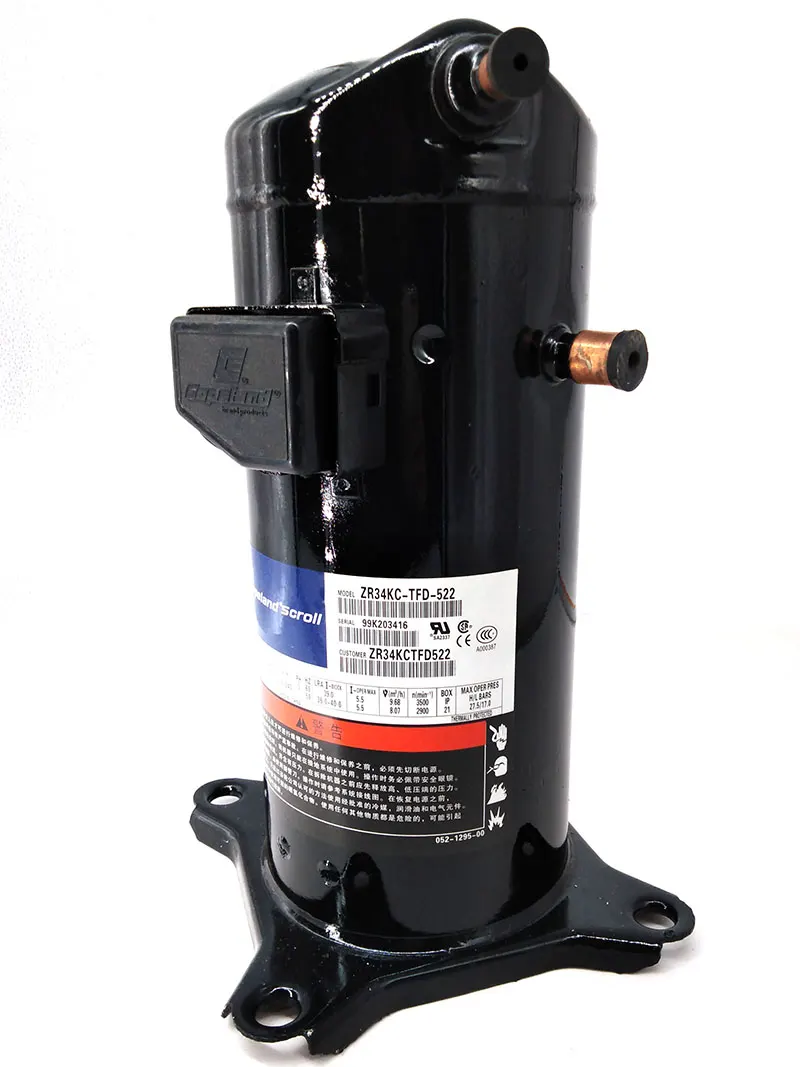
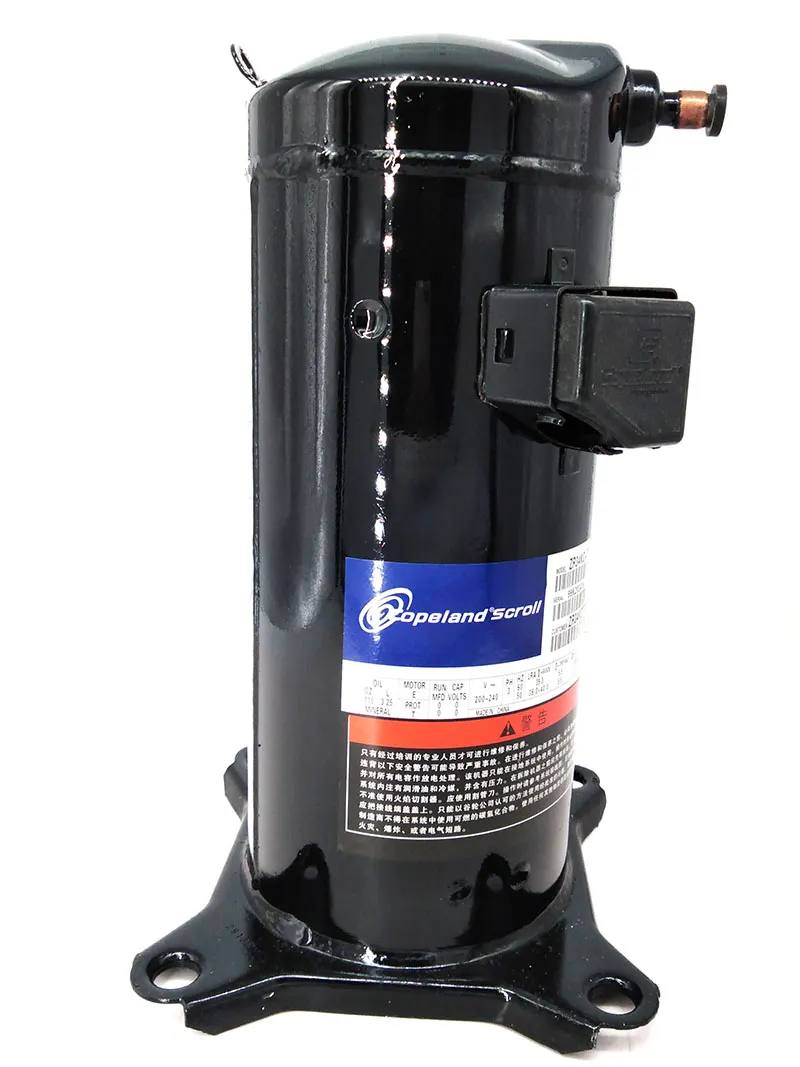
Compressor Export Packing and Shipping Checklist for International Buyers
Use this practical compressor export packing and shipping checklist to prevent transit damage, verify models, manage oil, and prepare documents for global delivery.
Compressor Export Packing and Shipping Checklist for International Buyers
Compressor export packing and shipping requires more than placing a unit in a carton and booking transport. Refrigeration and air-conditioning compressors are heavy, precision-built components that can be damaged by impact, vibration, moisture, incorrect positioning, or poor load restraint. A shipment can also be delayed when the model, quantity, packaging, or customs documents do not match the purchase order.
For overseas distributors, service companies, repair teams, and cold-room installers, reliable delivery starts before the compressor leaves the warehouse. The shipment should be checked at four stages: product verification, protective packing, transport preparation, and receiving inspection. The correct process reduces avoidable claims and helps the buyer place replacement compressors into stock or service work without unnecessary delays.
1. Verify the Compressor Before Packing
The most common shipping problem is not always physical damage. A compressor can arrive in good condition and still be unusable if the model, refrigerant, voltage, frequency, capacity, or connection configuration is wrong. Product verification should be completed before the unit is packed, not after it reaches the customer.
Match the shipment to the order
The packing team should compare every compressor with the commercial invoice, purchase order, and confirmed product list. Important details include:
- Brand and complete model number
- Compressor type, such as reciprocating, rotary, scroll, or semi-hermetic
- Refrigerant application
- Rated voltage and frequency
- Phase configuration
- Cooling capacity or displacement, where applicable
- Suction and discharge connection sizes
- Quantity and packaging unit
- Accessories, terminals, mounting hardware, or protective covers
Model numbers often contain small characters that identify voltage, refrigerant, oil type, or application. A similar-looking replacement is not automatically an equivalent replacement. The buyer should receive the exact confirmed model or a clearly approved substitute.
Record the product condition
Before packing, inspect the housing, terminals, mounting feet, service valves, connection tubes, and nameplate. Check for dents, corrosion, loose components, damaged paint, and open or missing protective caps. Photographing the nameplate and the exterior condition can provide a useful record for both the supplier and the buyer.
For larger or higher-value shipments, the packing record can include the serial number, quantity per case, gross weight, net weight, and pallet or case number. These details make warehouse receiving and shortage investigation easier.
Confirm oil and sealed-system protection
Many compressors are supplied with oil inside the shell. The unit must remain sealed, and the suction and discharge openings should have secure caps or plugs during storage and transit. These closures help prevent moisture, dust, and other contaminants from entering the refrigeration circuit.
Do not drain compressor oil merely to simplify shipping unless the manufacturer or qualified technical representative specifically requires it. Oil quantity and oil type are part of compressor compatibility. If a compressor is supplied with an oil charge, the shipping documents and product information should make that condition clear where relevant.
2. Use Packing That Controls Impact, Moisture, and Movement
Export packaging has three practical jobs: protect the compressor from external impact, keep it stable inside the package, and reduce exposure to moisture and contamination. The right packaging depends on compressor size, weight, construction, transport mode, handling points, and the number of units packed together.
Protect vulnerable components
Compressors are generally robust, but several parts need specific protection. Terminal covers, electrical connectors, service ports, pipe stubs, mounting brackets, and painted surfaces can be damaged by contact with other cargo or by movement inside a case.
Protective measures may include:
- Caps or plugs on open pipe connections
- Covers over electrical terminals and connector areas
- Foam, corrugated board, or molded supports around vulnerable parts
- Separators between individual compressors
- Anti-scratch material for painted or exposed surfaces
- Reinforced protection around pipe stubs and mounting feet
Protective material should not place excessive pressure on terminals, valves, or tubing. Cushioning is useful only when it is combined with secure positioning.
Prevent movement inside the package
A heavy compressor can generate damaging forces when it shifts inside a carton, crate, or wooden case. Internal blocking, bracing, dividers, and suitable strapping should hold the unit in position without crushing the housing or bending the connection tubes.
Multiple compressors should not be allowed to strike each other. Each unit needs enough separation to prevent metal-to-metal contact during lifting, vibration, and sudden stops. Empty space around the product should be filled with appropriate protective material, while the package should remain balanced for manual or mechanical handling.
Select cartons, pallets, or wooden cases by shipment risk
Small and light compressors may be suitable for heavy-duty export cartons with internal cushioning and a stable pallet base. Heavier compressors, mixed shipments, long-distance sea freight, or cargo that will be handled repeatedly may require a wooden case or reinforced crate.
A wooden case should be properly constructed for the load. Its base must support the compressor and allow safe movement by pallet truck or forklift where needed. The case should resist compression, impact, and stacking pressure expected during the journey. Internal braces should hold the product securely while leaving enough room for protective materials and inspection access when appropriate.
Wood packaging used in international trade may be subject to treatment, marking, or import requirements in the destination country. The exporter and buyer should confirm the applicable rules before production of the packing materials. A package that does not meet destination requirements can create customs delays even when the compressor itself is correct.
Add moisture protection for ocean and humid routes
Sea freight and humid storage conditions can expose metal and electrical components to condensation. Moisture-resistant wrapping, sealed inner protection, desiccant, and suitable corrosion protection may be considered according to the route and packaging design.
Moisture protection should not replace sealed connection caps or proper case construction. It is also important to keep packaging materials dry before loading. If a compressor is packed while wet or exposed to condensation, the outer case may hide a problem until the shipment is opened.
3. Label, Document, and Load the Shipment Correctly
Correct labels and documents help the cargo move through warehouses, customs offices, carriers, and the buyer's receiving department. They also reduce the risk of incorrect orientation or rough handling.
Apply clear handling marks
Each package should have a durable label that remains readable after normal handling. Useful information can include:
- Consignee and shipment reference
- Package number, such as 1 of 4
- Product description
- Model number or item reference
- Quantity inside the package
- Net and gross weight
- Dimensions, where required
- Country of origin information, where required
- Handling symbols such as "Keep Dry," "This Side Up," or "Do Not Stack," when applicable
- Center-of-gravity or lifting information for heavy cases
Handling marks should be placed on more than one visible side when the package may be stored in different orientations. Labels should match the packing list. A package number that appears on the case but not in the documents creates avoidable receiving work.
Prepare a consistent document set
The commercial and transport documents should describe the cargo consistently. The exact document requirements depend on the transaction, destination, carrier, and shipping method, but an international compressor shipment commonly requires information such as:
- Commercial invoice
- Packing list
- Transport document, such as a bill of lading or air waybill
- Purchase order or order reference
- Product model and quantity details
- Declared weights and package dimensions
- Country of origin details where required
- Customs classification information where required
- Any requested compliance or product documentation
The invoice, packing list, shipping label, and booking data should use the same model descriptions and quantities. Differences in spelling, model suffixes, weights, or package counts can trigger clarification requests and delay clearance.
Compressors may contain oil, electrical components, or other items that require carrier review. The exporter should confirm the carrier's declaration and acceptance requirements before dispatch, especially for air freight and courier shipments. Product-specific safety data or technical declarations should be supplied when requested by the carrier or customs broker.
Load for the selected transport mode
The same package may not be suitable for air freight, sea freight, and courier delivery. Transport mode changes the expected handling pattern, transit time, consolidation risk, and cost pressure.
Sea freight: Sea shipments may experience extended storage, humidity, container movement, and multiple handling points. Use stable palletization, secure case construction, moisture protection, and load restraint. Heavy packages should be positioned to avoid shifting and should not overload weak sections of the container or pallet.
Air freight: Air cargo is usually subject to strict weight and dimension limits. The packaging must be compact but strong, with clear lifting and handling information. Confirm carrier requirements for oil-filled or sealed equipment, package dimensions, and any required declarations before handover.
Courier delivery: Courier networks can involve frequent transfers and automated handling. Individual compressors need strong outer cartons, internal immobilization, visible labels, and protection for terminals and tubing. A package designed only for warehouse storage may not withstand parcel handling.
The exporter should confirm whether the shipment is loose cargo, palletized, crated, or consolidated with other freight. A secure package can still be damaged if it is poorly restrained or stacked with unsuitable cargo.
4. Use a Pre-Dispatch Compressor Shipping Checklist
A short pre-dispatch review can catch errors while correction is still inexpensive. The checklist should be completed by the packing team and shared with the buyer or logistics contact when the order requires close coordination.
Product checks
- Confirm brand, model, refrigerant, voltage, frequency, phase, and capacity.
- Confirm the quantity against the purchase order.
- Inspect the nameplate and housing for visible damage.
- Record serial numbers or package references when required.
- Confirm oil condition and any manufacturer-specific shipping instructions.
- Install caps or plugs on suction, discharge, and service connections.
Packaging checks
- Protect terminals, connectors, valves, tubing, and mounting feet.
- Prevent unit-to-unit contact.
- Block and brace heavy compressors against movement.
- Check that the pallet, carton, crate, or wooden case can support the load.
- Add moisture protection appropriate to the route.
- Confirm wood packaging treatment or marking requirements where applicable.
- Check that the package can be lifted and handled safely.
Document and label checks
- Match the commercial invoice and packing list.
- Confirm model numbers and quantities on the package labels.
- Verify package count, weights, dimensions, and shipment references.
- Confirm carrier acceptance requirements.
- Provide any requested technical, customs, or compliance information.
- Send the buyer packing photos and dispatch details when agreed.
5. What Buyers Should Check on Arrival
The receiving inspection should begin before the package is discarded. The buyer, distributor, or service company should examine the outer packaging for punctures, crushing, broken boards, water marks, displaced straps, or signs that the case was opened during transit.
Photograph visible damage before unloading or unpacking where practical. Compare the package count with the transport document and packing list. After opening, check each compressor against the model and quantity ordered. Inspect the housing, terminals, pipe connections, mounting feet, nameplate, and protective caps.
If damage or shortage is found, record it promptly and keep the packaging. The carrier, insurer, supplier, or customs representative may need photographs, package markings, delivery notes, and a description of the condition. Do not install a compressor with a cracked housing, damaged terminal area, bent connection, missing cap, or other suspected transport damage until it has been assessed.
Storage after delivery also matters. Keep compressors in a clean, dry area, protected from impact and contamination. Follow the manufacturer's storage and installation instructions, including orientation requirements. A correct export package cannot compensate for poor warehouse handling after arrival.
Practical Takeaways for International Compressor Buyers
Reliable compressor export packing and shipping depends on coordination between the product team, packing team, carrier, customs broker, and consignee. The most important controls are simple and repeatable:
- Verify the complete model and application before packing.
- Keep the compressor sealed and protect its oil and connection points.
- Immobilize heavy units and protect vulnerable components.
- Choose cartons, pallets, crates, or wooden cases for the actual route and load.
- Make package labels, invoices, packing lists, and transport data consistent.
- Confirm carrier and destination requirements before dispatch.
- Inspect and document the shipment immediately after delivery.
For HVAC spare parts exporters, refrigeration distributors, repair companies, and engineering installers, this process turns shipping from a handover task into a controlled part of compressor procurement. It helps protect product condition, shorten receiving work, and resolve transport problems with better evidence when an issue occurs.
FAQ
How should a refrigeration compressor be packed for export?
Protect terminals, valves, tubing, mounting feet, and painted surfaces; cap or plug open connections; immobilize the compressor with internal blocking or separators; and use a heavy-duty carton, pallet, crate, or wooden case suited to its weight and route. Add moisture protection for humid or sea-freight shipments.
Can a compressor be shipped with oil inside?
Many compressors are shipped with an oil charge, but the correct procedure depends on the product and carrier. Keep the shell sealed, protect all connection openings, and confirm the carrier's requirements for oil-filled or sealed equipment before dispatch. Do not drain oil unless the manufacturer or qualified technical representative instructs you to do so.
What documents are needed for international compressor shipping?
Common documents include a commercial invoice, packing list, and transport document such as a bill of lading or air waybill. The shipment may also require model and quantity details, weights, dimensions, origin information, customs classification data, and carrier-requested technical or compliance documents.
Is a wooden case necessary for every compressor export shipment?
No. Smaller or lighter compressors may be shipped in reinforced cartons with suitable internal protection, while heavy units, long-distance sea freight, mixed cargo, or repeated handling may justify a wooden case or crate. The packaging should be selected according to compressor weight, transport route, handling risk, and destination requirements.
Buyer Next Step
Move from research to sourcing with a category shortlist, relevant product examples, and a quote request channel.