Wholesale Air Conditioning Compressors: Buyer Checklist for Importers and Repair Parts Distributors
A practical procurement checklist for air conditioning compressor wholesale buyers covering brands, voltage, refrigerant, MOQ, documents, warranty, and compatibility.
Air conditioning compressor wholesale purchasing is not only a price comparison exercise. For importers, HVAC compressor wholesale companies, repair parts distributors, and engineering contractors, the real cost of a compressor order is shaped by compatibility, documentation, packaging, warranty handling, and how quickly the correct replacement can be identified in the field.
A compressor that looks attractive on a quotation can become expensive if the voltage is wrong for the destination market, the refrigerant does not match local service demand, the packaging cannot survive export handling, or the model is difficult for technicians to cross-reference. A reliable AC compressor supplier should help buyers reduce these risks before shipment, especially when orders include mixed brands, mixed capacities, or replacement models for different air conditioner platforms.
This buyer checklist is designed for overseas commercial buyers sourcing air conditioning compressors for resale, service inventory, and project replacement work. It focuses on the practical details that should be checked before confirming an order with any air conditioner compressor distributor or multi-brand supplier.
1. Define the Compressor Type and Application Before Comparing Prices
Wholesale buyers often start with a brand name or model number, but the application should come before the price. Air conditioning compressors are used across residential split units, light commercial systems, packaged units, VRF/VRV systems, and some refrigeration-related HVAC applications. Each segment has different requirements for capacity, oil, refrigerant, electrical configuration, mounting, and control logic.
For distributors, the first procurement question is simple: what type of demand will this stock serve?
Common purchasing scenarios include:
- Replacement compressors for residential split air conditioners
- Compressors for commercial air conditioning repair companies
- Inventory for HVAC spare parts shops and regional distributors
- Project-based replacement demand from installers and contractors
- Mixed containers of AC and refrigeration compressors for general spare parts channels
Match Compressor Technology to Field Demand
Air conditioning compressors are available in several common designs, including rotary, scroll, reciprocating, and inverter-driven models. Rotary compressors are widely used in smaller air-conditioning systems. Scroll compressors are common in many commercial air-conditioning applications. Inverter compressors require closer attention to system electronics and control compatibility.
For wholesale purchasing, the safest approach is to separate orders by technology and application. A repair parts distributor serving general technicians may need fast-moving rotary and scroll models. A contractor working with commercial HVAC systems may need specific scroll compressor models, approved replacement references, and clear electrical data.
Confirm Capacity Units and Model Interpretation
Different markets use different capacity references. Some buyers work with horsepower, others with BTU/h, kW, model family codes, or OEM part numbers. Before confirming an order, align the capacity reference with the supplier and request model-level confirmation.
Do not rely only on a visual comparison or a partial model number. Many compressor model codes include information about refrigerant, voltage, phase, displacement, oil type, or application range. A small difference in suffix can represent a meaningful technical difference.
2. Brand Selection: Balance Availability, Recognition, and Replacement Risk
Brand selection is one of the biggest decisions in air conditioning compressor wholesale. Overseas buyers may request well-known international brands, domestic Chinese brands, or alternative replacement options depending on customer expectations, local market price levels, and after-sales requirements.
Search demand often includes terms such as Copeland AC compressor, Daikin compressor supplier, Panasonic compressor supplier, and similar brand-specific queries. These searches reflect a practical reality: technicians and distributors often identify compressors by the brand fitted in the original equipment.
How to Evaluate Compressor Brands for Wholesale Orders
A brand that works well for one market may not be the best choice for another. Importers should evaluate brand selection from both the sales side and the service side.
Key questions include:
- Is the brand recognized by local repair technicians and spare parts dealers?
- Are model numbers easy to identify and cross-reference?
- Is the product positioned for OEM replacement, general replacement, or project use?
- Are common capacities available in stable supply?
- Can the supplier support mixed-brand sourcing if one brand has limited availability?
- Are labels, nameplates, and cartons clear enough for warehouse handling and resale?
For repair parts distributors, brand familiarity can reduce hesitation at the counter. For project installers, model accuracy and technical matching may matter more than brand recognition alone.
Multi-Brand Sourcing Can Reduce Procurement Friction
Many importers prefer working with an AC compressor supplier that can provide several domestic and international compressor brands through one export channel. This can simplify communication, consolidation, shipping, and documentation. It also helps when buyers need a combination of high-recognition brands and cost-effective alternatives.
However, multi-brand sourcing should be managed carefully. Buyers should request separate model lists, brand confirmation, warranty terms, and packaging details for each brand. A mixed order should not become a mixed-risk order.
3. Technical Checklist: Voltage, Refrigerant, Oil, and Compatibility
Technical mismatches are the most common cause of expensive compressor procurement mistakes. Before placing a wholesale order, the buyer and supplier should confirm the basic operating details in writing.
Voltage and Frequency
Voltage and frequency must match the destination market and the equipment being repaired. Common electrical differences include single-phase and three-phase supply, 50 Hz and 60 Hz systems, and regional voltage standards.
Procurement teams should confirm:
- Rated voltage
- Frequency
- Phase
- Locked rotor and running current information when needed
- Terminal configuration and electrical accessories
- Whether capacitors, overload protectors, or mounting parts are included
A compressor ordered with the wrong voltage may be impossible to use in the target market or may require additional components that were not included in the original cost calculation.
Refrigerant Type
Refrigerant compatibility is essential. Compressors are designed and charged for specific refrigerants or refrigerant families, and the oil inside the compressor must be suitable for that refrigerant. Common air-conditioning replacement demand may involve refrigerants such as R22, R410A, R32, or others depending on the equipment population in the local market.
Buyers should verify the exact refrigerant on the compressor nameplate and supplier quotation. If a market is transitioning away from older refrigerants, inventory planning becomes more important. Some distributors still need replacement compressors for installed equipment, while installers may prefer models aligned with current refrigerant regulations and system designs.
Oil Type and System Cleanliness
Compressor oil compatibility affects reliability. When replacing a failed compressor, technicians must also consider system contamination, moisture, acid formation, and proper evacuation. From a wholesale perspective, buyers should make sure the compressor oil type matches the refrigerant and application.
For repair channels, it is useful to stock related service parts such as filter driers, capacitors, overload protectors, and contactors where appropriate. This improves replacement success and reduces the chance that a new compressor is installed into a dirty or electrically unstable system.
Spare Parts Compatibility and Cross-Reference Checks
Replacement buyers often ask for a compressor that can replace a discontinued or unavailable model. Cross-reference support is valuable, but it should be handled carefully. A compatible replacement should match the key technical requirements, not only capacity.
Before accepting a replacement recommendation, confirm:
- Refrigerant and oil compatibility
- Voltage, phase, and frequency
- Cooling capacity or displacement range
- Application envelope where relevant
- Mounting dimensions and suction/discharge connection position
- Starting method and electrical components
- Physical size for installation clearance
For inverter compressors, compatibility requires extra caution. The compressor may be tied to a specific drive board, control strategy, or OEM system design. General replacement is more limited than with many fixed-speed compressors.
4. Commercial Terms: MOQ, Packaging, Lead Time, and Export Documents
Commercial details determine whether a wholesale order can move smoothly from quotation to warehouse receipt. Importers should clarify terms early, especially when purchasing mixed models or testing a new supplier.
MOQ and Mixed-Model Orders
Minimum order quantity can vary by brand, model, supplier stock position, and packing method. Some buyers prefer trial orders with several fast-moving models, while others need container-scale procurement.
When discussing MOQ, ask whether the supplier can support:
- Mixed models in one shipment
- Mixed brands in one order
- Carton, pallet, or container loading plans
- Small trial orders before larger repeat purchases
- Consolidation with other refrigeration spare parts
MOQ should be evaluated together with market demand. A lower unit price is not useful if the buyer must hold slow-moving models for too long.
Export Packaging and Handling
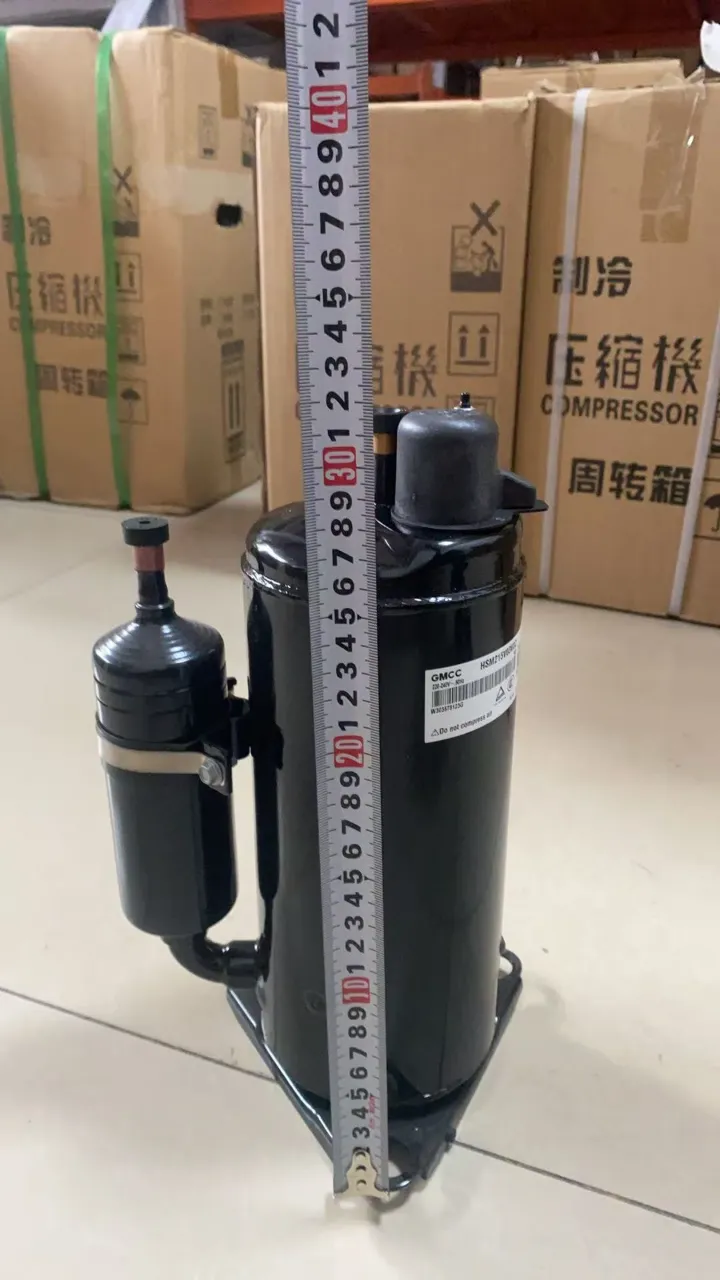
Compressors are heavy, oil-filled mechanical products. Packaging must protect the unit during inland transport, export handling, sea freight, customs inspection, and local distribution. Weak packaging can lead to dented shells, damaged terminals, broken plastic covers, oil leakage, or rejected goods.
For air conditioning compressor wholesale orders, buyers should request clear packaging information, including carton type, palletization, gross weight, dimensions, and marking requirements. For distributors, carton labeling should be easy to read in the warehouse. For project buyers, shipment identification by model and quantity is essential.
Useful packaging checks include:
- Individual carton condition and labeling
- Pallet strength and wrapping method
- Protection of terminal boxes and pipe connections
- Orientation markings where needed
- Model number visibility on carton and nameplate
- Photos before shipment for mixed orders
Documentation for Import and Resale
Importers should confirm required export and import documents before placing the order. Requirements vary by destination country and product category, so buyers should coordinate with their customs broker or logistics partner.
Common document considerations include:
- Commercial invoice and packing list
- Bill of lading or airway bill
- Certificate of origin where required
- Brand, model, quantity, and HS code details
- Product labels and nameplate consistency
- Any destination-specific compliance documents requested by the buyer
A documentation error can delay customs clearance even when the products themselves are correct. For wholesale buyers serving tenders or engineering projects, document consistency is also important for client acceptance.
Warranty Expectations and Claim Handling
Warranty expectations should be realistic and clearly agreed before shipment. Compressor failures can be caused by manufacturing defects, transport damage, installation errors, electrical problems, refrigerant contamination, poor evacuation, blocked condensers, or system design issues. This makes claim handling more complex than with simple spare parts.
Buyers should ask the supplier:
- What warranty period or policy applies to each brand?
- What evidence is required for a claim?
- Are photos, nameplate images, installation details, or failure reports required?
- How are approved claims settled: replacement, credit, parts, or other method?
- Are installation-related failures excluded?
For repair companies and distributors, the most useful warranty process is one that is clear, documented, and fast enough to protect customer relationships. Even when warranty coverage is limited, clear expectations reduce disputes.
5. Building a Practical Wholesale Buying Checklist
A good air conditioning compressor wholesale checklist helps purchasing teams avoid repeating the same questions for every order. It also improves communication between sales teams, warehouse staff, technicians, and overseas suppliers.
Pre-Order Checklist for Importers and Distributors
Before confirming a purchase order, verify the following points:
- Target application: residential AC, commercial AC, project replacement, or service inventory
- Brand preference: original brand, recognized replacement brand, or cost-effective alternative
- Exact model number and suffix
- Compressor type: rotary, scroll, reciprocating, fixed-speed, or inverter
- Refrigerant and oil type
- Voltage, frequency, and phase
- Capacity reference and cross-reference data
- Mounting and connection details
- Included accessories, if any
- MOQ and mixed-model flexibility
- Unit price, payment terms, and lead time
- Carton, pallet, and shipment packaging
- Export documents required for the destination market
- Warranty policy and claim procedure
Receiving Inspection Checklist
After goods arrive, the distributor should inspect and record key details before selling or installing the compressors.
Recommended receiving checks include:
- Compare received models and quantities with the packing list
- Check carton and pallet condition
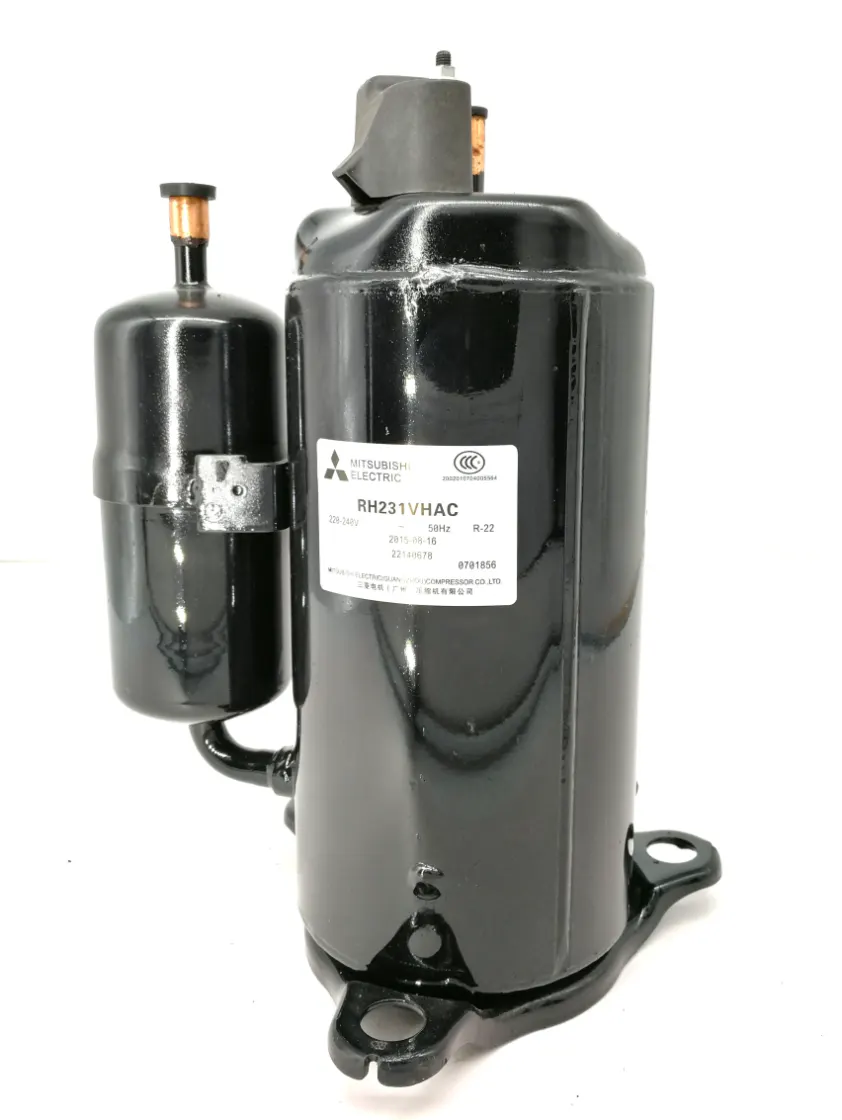
- Inspect nameplates for model, refrigerant, voltage, and brand
- Look for visible dents, damaged terminals, or oil leakage
- Record serial numbers or batch details where available
- Store compressors upright and protected from moisture
- Separate models clearly for warehouse picking
Good receiving records help resolve logistics issues and reduce mistakes when compressors are later sold to repair technicians or contractors.
What Buyers Should Pay Attention to When Comparing Suppliers
A low quotation is only one part of supplier evaluation. For overseas buyers, the best supplier is often the one that can help reduce wrong-model risk, consolidate multiple brands, provide clear documents, and support repeat purchasing.
When comparing an air conditioner compressor distributor or HVAC compressor wholesale partner, look beyond the first price sheet. Check whether the supplier asks technical questions, confirms application details, provides model photos when needed, and explains packaging and document options clearly.
For markets where technicians request brand-specific models, a supplier with access to multiple compressor brands can be useful. For price-sensitive repair channels, the ability to provide compatible alternatives may be equally important. In both cases, technical clarity is what protects the buyer's margin.
Procurement Takeaway for Wholesale Compressor Buyers
Air conditioning compressor wholesale sourcing works best when procurement teams treat each order as both a technical and commercial decision. Brand, price, and availability matter, but so do voltage, refrigerant, oil, model suffix, packaging, documentation, warranty process, and field compatibility.
For importers, repair parts distributors, and HVAC service companies, the goal is not simply to buy compressors at a lower unit cost. The goal is to receive the right compressors, in usable condition, with enough technical and commercial clarity to sell, install, or support them confidently in the local market.
FAQ
What should buyers check before placing an air conditioning compressor wholesale order?
Buyers should confirm the exact model number, compressor type, refrigerant, oil type, voltage, frequency, phase, capacity, mounting details, included accessories, MOQ, packaging, export documents, and warranty terms before confirming the order.
Why is voltage important when importing AC compressors?
Voltage, frequency, and phase must match the destination market and the equipment being repaired. A compressor with the wrong electrical specification may not operate correctly and can create installation delays or warranty disputes.
Can one compressor replace another brand or model?
Sometimes, but compatibility must be checked carefully. A replacement compressor should match refrigerant, oil, voltage, capacity range, mounting, connection position, electrical components, and application requirements. Inverter compressors usually require stricter compatibility checks.
What documents are commonly needed for wholesale compressor imports?
Common documents include a commercial invoice, packing list, bill of lading or airway bill, certificate of origin where required, and clear model, brand, quantity, and shipment details. Destination-specific compliance requirements should be confirmed with a customs broker.
How should distributors evaluate an AC compressor supplier?
Distributors should evaluate model accuracy, brand availability, technical support, mixed-order flexibility, packaging quality, lead time, documentation quality, warranty process, and the supplier's ability to support repeat purchasing without frequent specification errors.
Buyer Next Step
Move from research to sourcing with a category shortlist, relevant product examples, and a quote request channel.