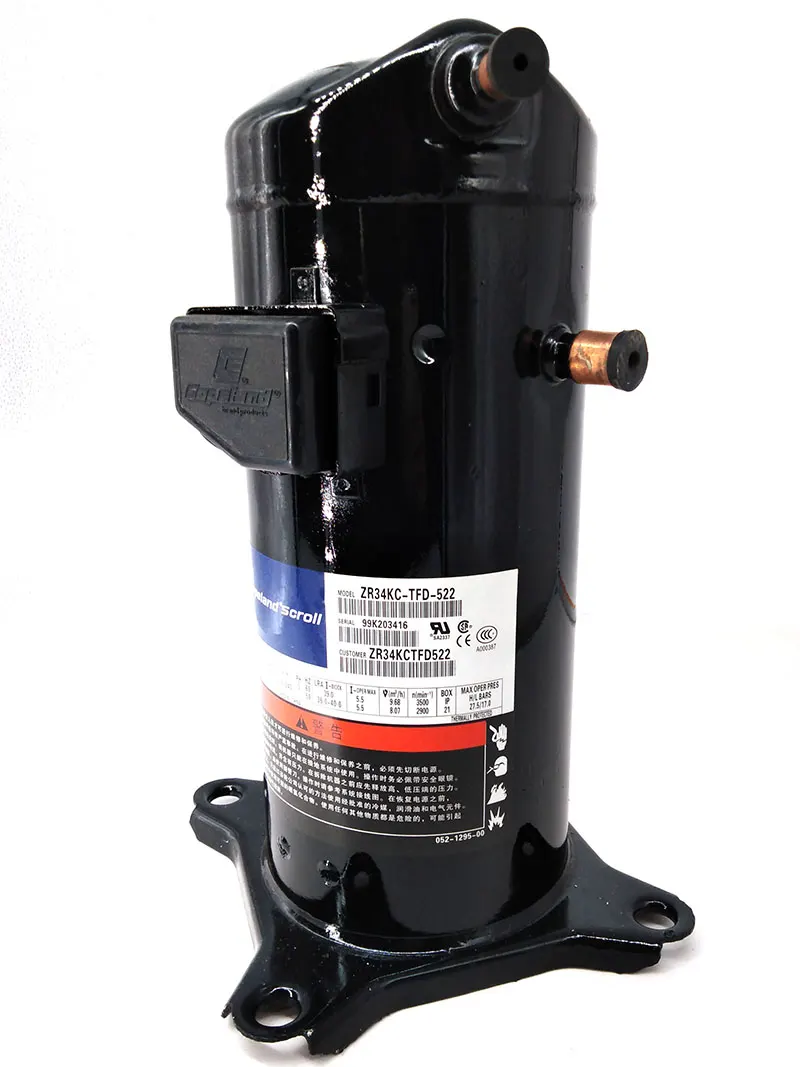
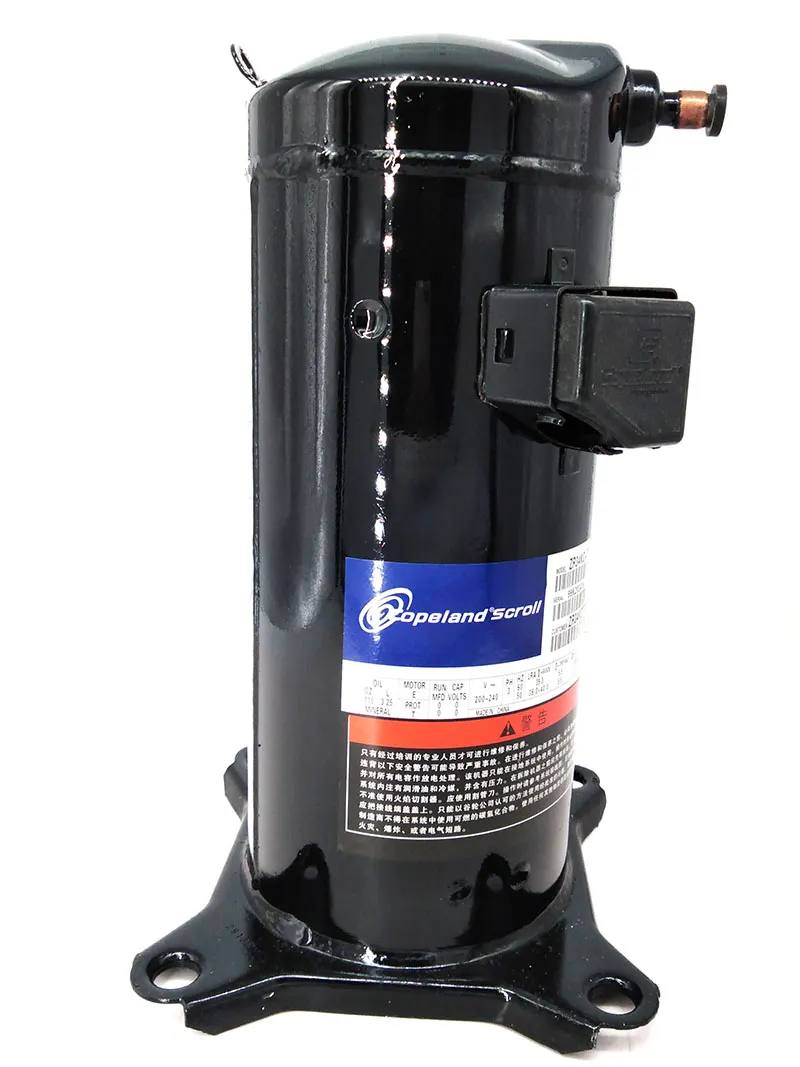
Cold Room Compressor Sizing Guide: Key Data to Prepare Before Requesting a Quote
A practical checklist for cold room compressor sizing, including room dimensions, temperatures, product load, insulation, refrigerant, voltage, and unit type.
Why Accurate Cold Room Compressor Sizing Starts With Better Project Data
Cold room compressor sizing is not just a matter of matching horsepower to room volume. A compressor that is too small may run continuously, struggle to reach the target temperature, and increase product risk. A compressor that is too large can short cycle, reduce system efficiency, create control problems, and increase the cost of the installation.
For distributors, service companies, and cold-room contractors, the fastest way to receive a meaningful quote is to provide the technical data that affects refrigeration load. A supplier can recommend a compressor, condensing unit, or complete refrigeration package only when the operating conditions are clear.
This guide explains the key information to prepare before requesting a quotation for a cold room, walk-in cooler, freezer room, or replacement compressor. It is designed for overseas buyers who need practical communication with compressor distributors and refrigeration equipment suppliers.
The Core Data Needed for Cold Room Compressor Sizing
1. Cold Room Dimensions and Internal Volume
The basic starting point is the cold room size. Provide the internal length, width, and height, preferably in meters or millimeters. Internal dimensions are more useful than external dimensions because they reflect the refrigerated air volume and storage space.
A quotation request should include:
- Internal length, width, and height
- Room layout if it is irregular in shape
- Ceiling height and usable storage height
- Whether the room is a new installation or an existing room
- Whether the room is a walk-in cooler, freezer room, processing room, or cold storage warehouse section
Room volume alone does not determine compressor capacity, but it is essential for estimating heat gain through walls, air changes, and product storage load. Two rooms with the same volume may need different refrigeration capacities if one is used for chilled vegetables and the other is used for freezing warm product.
2. Target Room Temperature
The target temperature is one of the most important inputs in how to size a cold room compressor. A medium-temperature cold room for beverages, dairy, or fresh food has a very different refrigeration duty from a low-temperature freezer room.
Provide the required room temperature range, not just a general description such as “cold” or “freezer.” For example:
- Chiller room: around 0°C to +10°C, depending on product
- Walk-in cooler: often used above freezing
- Freezer room: typically below 0°C
- Deep freezer or low-temperature storage: lower evaporating conditions and higher compressor workload
The lower the required room temperature, the larger the temperature difference between the refrigerated space and ambient environment. This affects the evaporating temperature, compressor selection, condensing unit performance, defrost method, and energy consumption.
3. Ambient Temperature at the Installation Site
Ambient temperature is often missing from quote requests, but it is critical for cold room condensing unit selection. A condensing unit installed in a mild climate does not operate under the same conditions as one installed in a hot mechanical room or outdoor area under direct sun.
Include:
- Maximum expected outdoor temperature
- Typical ambient temperature during operation
- Indoor equipment room temperature, if the condensing unit is installed indoors
- Ventilation conditions around the condenser
- Whether the site is coastal, dusty, or exposed to corrosive conditions
High ambient temperature reduces condenser heat rejection efficiency and changes compressor operating conditions. If the supplier sizes the equipment using an unrealistically low ambient temperature, the system may lose capacity during the hottest periods, exactly when cooling demand is highest.
4. Product Type, Product Temperature, and Daily Loading
Cold storage compressor capacity depends heavily on product load. A cold room used only to hold already chilled goods needs less capacity than a room that receives warm product every day.
Prepare the following details:
- Product type: meat, seafood, dairy, fruit, vegetables, beverages, pharmaceuticals, ice cream, or other goods
- Product quantity stored in the room
- Quantity loaded per day or per batch
- Product temperature when entering the room
- Required pull-down time, if product must be cooled or frozen quickly
- Whether the room is for holding, chilling, freezing, or processing
For example, a freezer room receiving unfrozen meat at a relatively high temperature will need more refrigeration capacity than a freezer room storing packaged frozen goods that arrive already at storage temperature. If the product load is not provided, the compressor quotation may be based only on room volume, which can lead to under-sizing.
5. Door Openings and Operating Pattern
Door activity adds heat and moisture to a cold room. Frequent door openings can significantly increase the refrigeration load, especially in humid climates or busy distribution operations.
Useful information includes:
- Number and size of doors
- Door type: hinged, sliding, high-speed, or strip curtain protected
- Estimated number of door openings per hour or per day
- Typical opening duration
- Whether forklifts or trolleys enter the room
- Whether an air curtain, strip curtain, or ante-room is used
A small walk-in cooler in a retail shop and a loading cold room in a logistics operation may have similar dimensions but very different infiltration loads. Door openings also affect evaporator selection, defrost demand, and humidity management.
Site and System Conditions That Affect Compressor Selection
Insulation Thickness and Panel Condition
Insulation quality directly affects heat gain. For a new cold room, provide the panel material and insulation thickness. For an existing cold room, describe the panel condition and any visible damage, air leakage, moisture ingress, or thermal bridges.
Quotation details should include:
- Wall, ceiling, and floor insulation thickness
- Panel material, if known
- Whether the floor is insulated, especially for freezer rooms
- Room age and general condition
- Any known air leakage or damaged doors/gaskets
Freezer rooms normally require careful attention to insulation and floor construction because heat gain and frost-related issues can affect long-term performance. If insulation is poor, increasing compressor size alone may not solve temperature problems and may create higher operating costs.
Refrigerant Requirement
Refrigerant choice affects compressor model availability, system design, oil compatibility, safety requirements, and serviceability. When requesting a quote, state whether the system must use a specific refrigerant or whether alternatives are acceptable.
Common request details include:
- Existing refrigerant, for replacement projects
- Preferred refrigerant for new installations
- Local regulations or customer restrictions
- Whether the system is for medium-temperature or low-temperature use
- Whether the buyer needs a compressor only or a matched condensing unit
For replacement buyers, refrigerant information is essential. A compressor should not be selected only by capacity or physical appearance. It must be compatible with the refrigerant, application temperature, oil type, voltage, and original system design.
Power Supply and Voltage
Voltage and electrical phase must be confirmed before quotation. Compressor models and condensing units are often available in different electrical versions, and the wrong voltage can delay installation or damage equipment.
Provide:
- Voltage and phase, such as single-phase or three-phase
- Frequency, such as 50 Hz or 60 Hz
- Available power capacity at site
- Starting method requirements, if any
- Local electrical standards or control panel preferences
Overseas buyers should be especially careful with frequency and voltage. A compressor selected for one market may not be suitable for another without the correct electrical specification.
Indoor or Outdoor Condensing Unit Installation
If the request is for a complete condensing unit, the installation environment matters. The condenser must have enough airflow and must be suitable for the ambient conditions.
Clarify:
- Indoor or outdoor installation
- Distance between evaporator and condensing unit
- Approximate pipe length and height difference
- Ventilation around the condensing unit
- Noise restrictions, if the unit is near offices, residences, or retail areas
- Space limitations for installation and service access
Long pipe runs, vertical lifts, and poor ventilation can affect performance and should be reviewed during system design. A supplier may need this information to recommend the right compressor, condenser size, receiver, controls, and accessories.
Compressor Only or Complete Condensing Unit?
One of the most important quotation questions is whether the buyer needs a compressor only or a complete condensing unit. These are not the same purchase.
When a Compressor-Only Quote May Be Suitable
A compressor-only quote is common for repair and replacement jobs where the existing condensing unit, evaporator, controls, and pipework remain in service. In this case, the buyer should provide the original compressor model and system details.
Prepare:
- Existing compressor brand and model number
- Nameplate photo, if available
- Refrigerant used in the system
- Application: chiller, freezer, display case, cold room, or other equipment
- Voltage, phase, and frequency
- Reason for replacement, such as burnout, mechanical failure, low capacity, or oil issue
- Existing condensing unit model, if available
For replacement projects, model cross-reference may be needed when the original compressor is discontinued or unavailable. A distributor can help identify a compatible alternative, but only if the system application and electrical data are clear.
When a Complete Condensing Unit Is the Better Request
A complete cold room condensing unit is usually more suitable for new cold rooms, major upgrades, or projects where the old outdoor unit is no longer reliable. A condensing unit typically includes the compressor, condenser, fan motor, receiver or controls depending on configuration, and other components required for heat rejection and system operation.
A condensing unit quote may be more practical when:
- The project is a new cold room installation
- The existing unit is severely aged or damaged
- The system capacity needs to be changed
- The refrigerant is being changed
- The buyer wants easier matching between compressor and condenser
- The installer wants a packaged solution for faster site work
For cold room condensing unit selection, provide both room-load data and installation-site data. The supplier needs to know not only how much cooling is required, but also where and how the unit will operate.
Do Not Select by Horsepower Alone
Horsepower is a familiar term in the refrigeration trade, but it is not enough for accurate sizing. Compressor capacity changes with evaporating temperature, condensing temperature, refrigerant, and operating conditions. A “3 HP” compressor in one application may not deliver the same useful refrigeration capacity as another 3 HP compressor in a different application.
For a reliable quotation, ask for capacity at the stated operating conditions rather than relying only on nominal horsepower. This helps avoid mismatched equipment, especially for freezer room compressor applications where low evaporating temperature reduces capacity and increases compressor load.
Practical Quotation Checklist for Cold Room Compressor Sizing
A clear checklist helps buyers, distributors, and contractors avoid repeated emails and incomplete offers. The following information should be prepared before requesting a quote.
Cold Room Details
- Internal room dimensions: length, width, and height
- Room application: cooler, chiller, freezer, processing room, or storage room
- Target room temperature range
- New installation or replacement project
- Location country and climate conditions
Product and Operation Details
- Product type and packaging
- Total product quantity stored
- Daily loading quantity
- Product temperature when entering the room
- Required cooling or freezing time
- Door size, door type, and opening frequency
- Use of strip curtains, air curtains, or ante-room
Construction and Insulation Details
- Wall and ceiling panel thickness
- Floor insulation condition, especially for freezer rooms
- Door condition and gasket condition
- Any known air leakage or damaged panels
- Whether the cold room is newly built or already operating
Refrigeration System Details
- Required refrigerant or existing refrigerant
- Compressor-only or complete condensing unit request
- Evaporator model and capacity, if existing
- Existing compressor model, if replacing
- Indoor or outdoor condensing unit installation
- Pipe length and height difference, if known
Electrical and Commercial Details
- Voltage, phase, and frequency
- Quantity required
- Destination country or port, if logistics quotation is needed
- Preferred brand or acceptable brand range
- Required documents, certificates, packaging, or spare parts list
The more complete the request, the easier it is for a supplier to provide a realistic recommendation. It also helps buyers compare quotations on technical quality rather than only on price.
Common Sizing Mistakes Buyers Should Avoid
Using Only Room Volume
Room volume is important, but it does not capture product load, door openings, insulation, or ambient temperature. A walk-in cooler used for holding sealed beverages may require a different compressor capacity than a similar-sized room used for loading warm produce every morning.
Ignoring Pull-Down Requirements
Some rooms are designed only to maintain temperature, while others must cool or freeze product within a specific time. Pull-down duty can require higher capacity and different evaporator design. If fast cooling or freezing is required, state the target time clearly.
Replacing a Compressor Without Checking the Failure Cause
If a compressor failed because of poor airflow, incorrect refrigerant charge, liquid return, electrical issues, or system contamination, installing a new compressor may not solve the problem. Repair companies should inspect the wider system before replacement.
Overlooking Ambient and Ventilation Conditions
A condensing unit installed in a hot, poorly ventilated room may operate at higher condensing temperatures. This can reduce capacity and increase stress on the compressor. Always describe the installation environment.
Comparing Quotes Without Matching Operating Conditions
Two quotations may appear similar, but one may be rated at different evaporating or condensing conditions. When comparing cold storage compressor capacity, confirm the refrigerant, temperature conditions, voltage, and included components.
What a Supplier Can Recommend Once the Data Is Complete
With complete project data, a compressor distributor or refrigeration equipment supplier can provide a more accurate selection. Depending on the request, the recommendation may include:
- Suitable compressor model or equivalent replacement
- Cooling capacity under relevant operating conditions
- Matching condensing unit option
- Refrigerant compatibility
- Electrical specification
- Suggested application range for cooler or freezer use
- Basic installation notes for contractor review
- Optional accessories or controls, where applicable
For distributors and service companies, complete sizing information also improves communication with end customers. It reduces the risk of ordering unsuitable equipment and helps ensure that the selected compressor or condensing unit matches the real operating conditions.
Cold room compressor sizing is a technical process, but the quotation stage does not need to be complicated. Start with the room dimensions, target temperature, ambient temperature, product load, door activity, insulation, refrigerant, voltage, and whether the request is for a compressor or a complete condensing unit. With these details prepared, buyers can receive faster, clearer, and more comparable refrigeration quotations.
FAQ
What information is needed for cold room compressor sizing?
Key information includes internal room dimensions, target room temperature, ambient temperature, product type, daily loading quantity, product entering temperature, door opening frequency, insulation thickness, refrigerant, voltage, and whether the request is for a compressor only or a complete condensing unit.
Can I size a cold room compressor by room volume only?
Room volume is only a starting point. Accurate sizing also depends on product load, target temperature, ambient conditions, insulation quality, door openings, and operating pattern. Two cold rooms with the same size can require different compressor capacities.
When should I request a complete condensing unit instead of only a compressor?
A complete condensing unit is usually better for new cold rooms, major upgrades, refrigerant changes, or systems with an old or damaged outdoor unit. A compressor-only request is more common for repairs when the existing system components remain suitable.
Why are ambient temperature and voltage important in a compressor quote?
Ambient temperature affects condenser performance and compressor operating conditions, especially in hot climates. Voltage, phase, and frequency must match the installation site to avoid installation delays, electrical faults, or equipment damage.
What details are most important for a freezer room compressor quote?
For a freezer room, provide the required room temperature, product entering temperature, freezing or pull-down time, insulation and floor condition, refrigerant, ambient temperature, door activity, and power supply. Low-temperature applications require careful matching of compressor capacity and operating conditions.
Buyer Next Step
Move from research to sourcing with a category shortlist, relevant product examples, and a quote request channel.