Best Cold Room Compressor Choices for Walk-In Coolers and Walk-In Freezers
A practical guide to choosing the right cold room compressor for walk-in cooler and walk-in freezer applications, with sizing tips and condensing unit matching.
Walk-in coolers and walk-in freezers may look similar from the outside, but the compressor requirements are not the same. A cold room compressor for walk in freezer duty must handle lower evaporating temperatures, higher compression ratios, and heavier stress during pull-down and door-opening events. A walk-in cooler compressor works under milder conditions and is often selected for efficiency, stable medium-temperature performance, and easier service replacement.
For distributors, contractors, and repair teams, the challenge is rarely just finding "a compressor that fits." The real job is matching compressor type, refrigerant, application temperature, condensing unit layout, and load profile so the system runs reliably in daily use. A poor match can lead to short cycling, poor box temperature control, high discharge temperature, oil return issues, and early compressor failure.
This guide explains how to choose the right compressor for medium-temp and low-temp cold rooms, what changes between walk-in coolers and walk-in freezers, how condensing unit matching affects the result, and which sizing mistakes buyers should avoid.
Walk-In Cooler vs Walk-In Freezer: Why Compressor Selection Changes
The biggest selection mistake is treating all cold rooms as one category. In practice, medium-temperature and low-temperature applications place very different demands on the refrigeration compressor.
Walk-in cooler applications
A walk in cooler compressor is usually selected for medium-temperature duty. Typical applications include:
- Fresh food storage
- Beverage rooms
- Floral cold rooms
- Dairy and produce rooms
- General commercial cold storage above freezing
These systems normally operate with higher suction temperatures than freezers. That usually means:
- Lower compression ratio
- Better volumetric efficiency
- Lower discharge temperature
- Lower mechanical stress on the compressor
- Strong focus on energy efficiency and stable cycling
For many cooler applications, reliability in frequent daily door opening is more important than extreme low-temperature capability.
Walk-in freezer applications
A cold room compressor for walk in freezer use is chosen for low-temperature operation. Typical applications include:
- Frozen food rooms
- Meat and seafood freezing storage
- Ice cream storage
- Low-temperature back-of-house rooms
- General frozen product holding rooms
These systems operate at much lower evaporating temperatures. That changes compressor selection in several ways:
- The compressor must maintain capacity at low suction conditions
- Motor cooling and discharge temperature become more critical
- Defrost strategy has a stronger impact on system stability
- Oil return can become more difficult, especially in long piping runs
- Pull-down time matters more after loading warm product
A compressor that works well in a walk-in cooler may be a poor choice in a freezer, even if the nominal horsepower looks similar.
Which Compressor Types Fit Cold Room Applications Best
The best compressor type depends on room temperature, cooling load, system layout, service preference, and replacement availability.
Hermetic reciprocating compressors
Hermetic reciprocating compressors are common in smaller packaged systems and compact condensing units. They are often used where:
- Space is limited
- Initial cost matters
- Factory-built condensing units are preferred
- Simpler replacement is needed
They can perform well in both medium-temperature and some low-temperature systems when correctly matched. For smaller walk-in coolers, they are a common choice. For walk-in freezers, selection must be more careful because low-temperature duty raises discharge temperature and compression stress.
Semi-hermetic reciprocating compressors
Semi-hermetic reciprocating compressors are widely used in commercial cold storage and are often preferred by installers and service companies for replacement flexibility and repairability. They are well suited to:
- Medium-size walk-in coolers
- Walk-in freezers with heavier load variation
- Sites where service access matters
- Projects requiring stronger durability under demanding conditions
Advantages often include:
- Better suitability for service and rebuild work
- Broader application flexibility
- Stronger acceptance in engineering and contractor markets
- Easier integration into custom condensing units
For many low temperature compressor applications, semi-hermetic designs remain a practical choice because they handle commercial cold room duty more confidently than many light packaged systems.
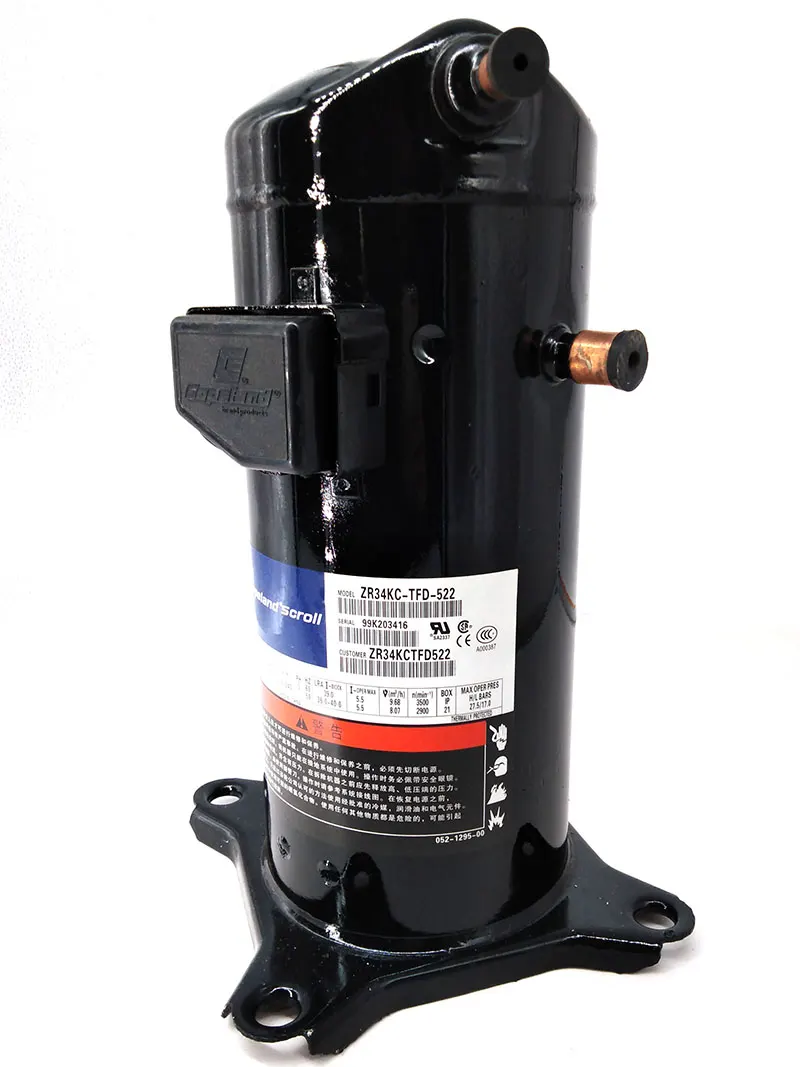
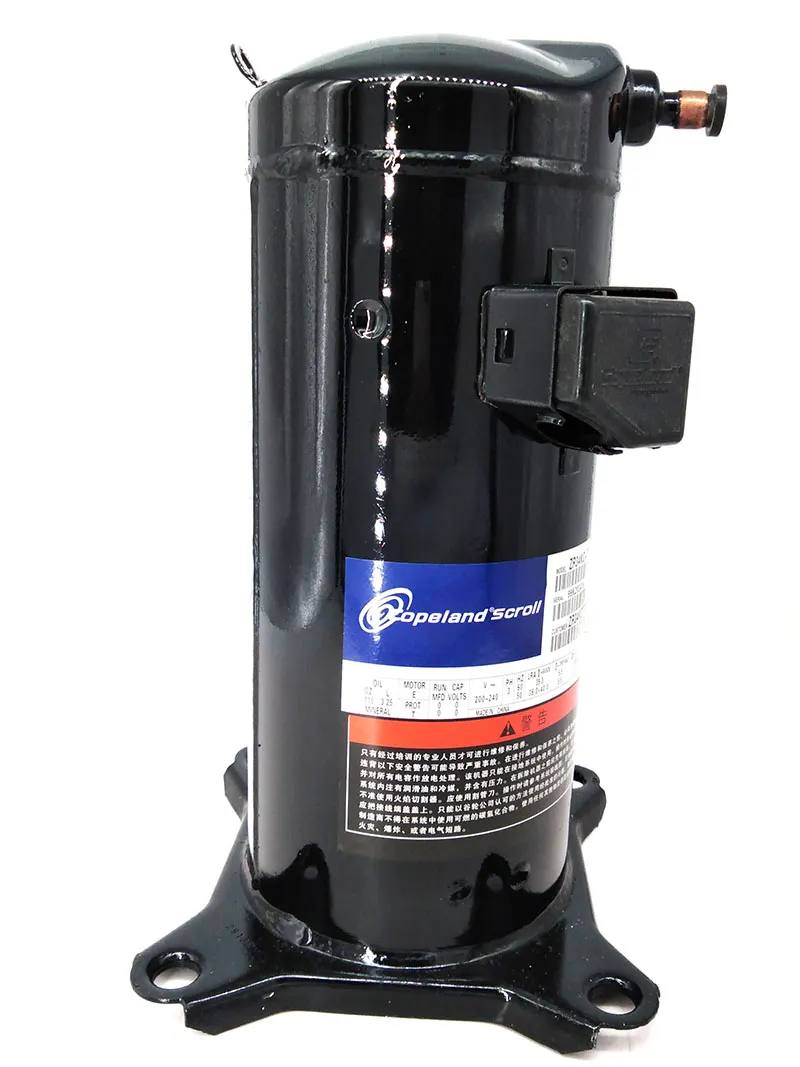
Scroll compressors
Scroll compressors are widely used in refrigeration and air-conditioning, but application fit matters. In medium-temperature walk-in cooler duty, scroll compressors can be attractive for:
- Quiet operation
- Compact footprint
- Good efficiency in properly matched systems
- Packaged condensing units
For low-temperature walk-in freezer systems, scroll use depends heavily on the approved application envelope, refrigerant, injection or cooling strategy where required, and manufacturer guidance. Not every scroll intended for refrigeration is equally suitable for freezer duty.
Parallel or multi-compressor arrangements
For larger cold storage rooms or sites with variable load, multiple compressors in one condensing unit or rack-style arrangement may offer better control and redundancy. This approach can help:
- Improve part-load performance
- Reduce temperature swing
- Maintain operation if one compressor is down
- Better match variable occupancy and product load
This is more common in larger commercial or light industrial cold room projects than in small packaged walk-ins.
Best Brand Approach: Choose by Application Envelope, Not Label Alone
Buyers often ask which brand is best for a cold storage compressor. In real projects, the better question is which brand family has the right model range for the refrigerant, temperature band, condensing conditions, and service market in your region.
Across the global refrigeration trade, buyers usually compare domestic and international compressor brands by a few practical criteria:
For walk-in cooler compressor selection
Look for brands and model lines known for:
- Stable medium temperature refrigeration performance
- Easy condensing unit integration
- Good spare parts availability
- Strong support for common commercial refrigerants used in your market
- Reliable operation under frequent cycling
For walk-in freezer compressor selection
For low-temperature duty, buyers should focus more closely on:
- Approved low-temperature application range
- Capacity retention at lower evaporating temperatures
- Discharge temperature management
- Oil management under long or cold piping runs
- Availability of low-temp condensing unit configurations
For distributors serving overseas markets, the most commercially useful compressor portfolio usually includes a mix of trusted international brands and competitive domestic brands, so buyers can balance price, lead time, replacement compatibility, and end-user expectations.
The right answer is rarely one brand for every project. Service companies may prefer models with familiar maintenance procedures. Contractors may prioritize unit matching and local refrigerant norms. Spare parts distributors may focus on cross-reference demand and replacement speed.
Matching the Compressor to the Condensing Unit
A compressor does not work alone. A walk in freezer compressor or walk in cooler compressor must be matched to the full cold room condensing unit.
Why condensing unit matching matters
Even a good compressor can perform badly if paired with the wrong condenser, fan setup, receiver, controls, or pipe sizing. Poor condensing unit matching may cause:
- High head pressure
- Excessive power draw
- Reduced cooling capacity
- Poor liquid supply stability
- Short compressor life
- Weak pull-down performance
Key points to check
1. Design temperature range
Confirm whether the condensing unit is built for medium-temperature or low-temperature operation. A medium-temp condensing unit may not support freezer conditions properly even if the compressor size seems close.
2. Refrigerant compatibility
Compressor, oil type, expansion device, and condensing unit components must all match the refrigerant used in the project. Replacement jobs often fail when technicians assume refrigerant compatibility without checking the full system.
3. Ambient conditions
Export buyers should pay close attention to local outdoor temperature. A unit that performs acceptably in a mild climate can struggle in high-ambient regions. Compressor selection must reflect expected condensing temperature, not just room temperature.
4. Defrost method
Walk-in freezers are affected heavily by defrost design. Electric defrost, hot gas defrost, and off-cycle strategies influence compressor runtime, load recovery, and box temperature stability.
5. Receiver and liquid line design
Low-temperature systems are less forgiving of poor liquid management. The right receiver sizing and liquid line design help maintain reliable feeding after defrost and during changing ambient conditions.
6. Suction line and oil return
Long piping runs, vertical risers, and low load conditions can all affect oil return. This becomes especially important in freezer applications, where low gas velocity may create return problems if the system is not designed carefully.
Common Sizing Mistakes in Walk-In Cooler and Freezer Projects
Sizing errors are one of the main reasons replacement compressors fail early or cold rooms never reach stable temperature.
Mistake 1: Using nominal horsepower as the main selection method
Horsepower is not enough. Compressor capacity changes with evaporating temperature, condensing temperature, refrigerant, and motor application limits. Two compressors with similar motor size can perform very differently in a freezer.
What to do instead:
- Select by required cooling capacity at actual design conditions
- Check the compressor application envelope
- Confirm refrigerant and operating temperatures
Mistake 2: Ignoring pull-down load
A cold room may hold temperature well once stabilized but still struggle after door openings or fresh product loading. This is common in freezer rooms and busy commercial sites.
What to do instead:
- Consider daily loading pattern
- Account for warm product entry where relevant
- Evaluate recovery time expectations
Mistake 3: Oversizing the compressor
Many buyers believe bigger is safer. In reality, oversizing can create:
- Short cycling
- Poor humidity or temperature control in coolers
- Oil return issues
- Higher starting stress
- Lower system efficiency
A walk in cooler compressor that is too large may satisfy box temperature quickly but operate inefficiently and wear faster.
Mistake 4: Undersizing for freezer duty
Undersized walk in freezer compressor selections often show up as:
- Long pull-down time
- Inability to recover after defrost
- Rising product temperature during busy operation
- High runtime with little operating margin
Freezer rooms need enough practical capacity at low evaporating temperatures, not just theoretical nameplate size.
Mistake 5: Replacing compressor only, without checking the full system
In the spare parts market, compressor-only replacement is common. But if the original failure was linked to airflow, condenser fouling, refrigerant issues, expansion valve mismatch, or contaminated oil, the new compressor may fail again.
Before replacement, check:
- Cause of previous compressor failure
- Refrigerant condition and charge quality
- Oil cleanliness and line contamination
- Condenser condition and fan performance
- Expansion device operation
- Electrical supply and controls
Practical Buying Checklist for Distributors, Installers, and Repair Teams
When selecting a medium temperature refrigeration compressor or low temperature compressor for a cold room, use a checklist that reflects actual field conditions.
For distributors
- Stock models with clear medium-temp and low-temp application separation
- Keep cross-reference options for common replacement demand
- Prioritize brands with steady spare parts support
- Confirm refrigerant and voltage versions for export markets
For refrigeration service companies
- Verify the original system duty before quoting a replacement
- Check whether the failed compressor was correctly applied
- Review superheat, head pressure, and oil return conditions
- Avoid replacing by motor size alone
For cold-room contractors and installers
- Match compressor and condensing unit as one system
- Design around local ambient conditions
- Account for room usage, door openings, and loading cycles
- Pay special attention to freezer defrost recovery
For replacement buyers
Have these details ready before ordering:
- Room type: walk-in cooler or walk-in freezer
- Refrigerant used
- Required room temperature
- Condensing unit type
- Power supply
- Existing compressor model
- Approximate room size and usage pattern
- Any history of high temperature trips or repeated failures
Choosing the Right Compressor for the Job
The best cold room compressor for walk in freezer use is not automatically the best choice for a walk-in cooler, and the reverse is equally true. Medium-temperature systems usually reward efficient, stable, well-matched compressors with smooth cycling behavior. Low-temperature freezer systems demand stronger attention to application envelope, capacity at low evaporating conditions, discharge temperature control, oil return, and defrost recovery.
For buyers and contractors, the safest path is to select by application, not by label, horsepower, or habit. Check whether the compressor is truly designed for cooler or freezer duty, confirm condensing unit compatibility, and size the system around actual room load and operating conditions. That approach reduces callbacks, improves product protection, and gives distributors and service teams a much better chance of supplying the right replacement the first time.
FAQ
What is the difference between a walk-in cooler compressor and a walk-in freezer compressor?
A walk-in cooler compressor is usually selected for medium-temperature operation, where suction temperature is higher and compression stress is lower. A walk-in freezer compressor is built or approved for low-temperature duty, where the system runs at lower evaporating temperatures and needs better capacity retention, discharge temperature control, and oil management.
Can I use the same condensing unit for both a walk-in cooler and a walk-in freezer?
Not always. Medium-temperature and low-temperature cold room condensing units are often designed differently. Even if the physical layout looks similar, compressor application range, condenser sizing, controls, receiver arrangement, and defrost requirements may not be suitable for both duties.
How do I size a cold storage compressor correctly?
Size the compressor by required cooling capacity at the real design conditions, including room temperature, evaporating temperature, condensing temperature, refrigerant, ambient climate, and load pattern. Do not rely on horsepower alone. Pull-down load, door openings, and defrost recovery should also be considered, especially for freezer rooms.
Why do replacement compressors fail quickly in walk-in freezers?
Common reasons include incorrect low-temperature application, poor condensing unit match, high discharge temperature, oil return problems, dirty condensers, incorrect refrigerant charge, or replacing the compressor without fixing the original system fault. Freezer systems are less forgiving than cooler systems when these issues are ignored.
Buyer Next Step
Move from research to sourcing with a category shortlist, relevant product examples, and a quote request channel.