How to Select a Compressor for Cold Rooms, Walk-In Chillers, and Freezers
Choose the right cold room compressor by matching temperature range, refrigerant, capacity, ambient conditions, and duty cycle to the job.
Selecting a compressor for a cold room is not just a horsepower decision. The right choice depends on the room temperature you need to hold, the evaporating temperature the system will actually run at, the refrigerant, the cooling load, the local ambient, and how hard the installation will work each day.
For distributors, contractors, service teams, and replacement buyers, cold room compressor selection starts with the application. A walk-in chiller, a freezer room, and a cold storage room may look similar on paper, but their operating conditions can be very different. A compressor that works well in medium temperature service can fail quickly in a low temperature freezer if the selection is too optimistic. On the other hand, oversizing a compressor can cause short cycling, poor control, and unnecessary wear.
A practical selection process helps avoid rework. It also makes quotation requests cleaner, reduces back-and-forth with customers, and improves the chance that the compressor, controls, expansion device, and evaporator all work together as intended.
Start With the Room Conditions
The first question in any cold room compressor selection is simple: what is the room meant to do?
A walk-in chiller is designed to keep produce, dairy, beverages, or other chilled goods at a temperature above freezing. A freezer room is built for much lower storage temperatures and usually runs with a lower evaporating temperature. Cold storage rooms can sit anywhere in that range depending on the product and the operating target.
The room setpoint matters because it drives the evaporating temperature. A compressor does not respond to room temperature alone. It responds to the pressure and temperature at which the refrigerant boils in the evaporator. In real systems, the evaporating temperature is lower than the room temperature because the evaporator needs a temperature difference to move heat out of the space.
That gap is one of the most important points in refrigeration selection. A room held near 0°C does not mean the compressor will run at 0°C evaporating temperature. A freezer room set at -18°C does not mean the compressor sees the same number inside the circuit. The actual evaporating condition depends on the evaporator design, airflow, defrost strategy, and how much temperature difference the application needs.
A good selection starts by answering these questions:
- What room temperature must be maintained?
- Is the room a chiller, freezer, or mixed-use cold storage space?
- What product is being stored, and how quickly must the room recover after loading?
- How many door openings or loading events happen in a normal day?
These points define the application before any compressor model is compared.
Evaporating Temperature and Refrigerant Matter More Than Nameplate Power
One of the most common mistakes in compressor replacement is treating compressor size as a single fixed number. In refrigeration, capacity changes with evaporating temperature, condensing temperature, and refrigerant type. Two compressors with similar motor power can deliver very different results in the same cold room.
For a walk-in chiller compressor, medium temperature operation is usually the starting point. For a walk-in freezer compressor, low temperature compressor selection is more appropriate because the evaporating temperature will be lower and the compressor must handle a harder pressure ratio.
The refrigerant also changes the picture. A compressor that works well with one refrigerant may not have the same capacity or operating envelope with another. That is why replacement buyers should always confirm the refrigerant first. If the system uses a refrigerant different from the original installation, the compressor must be checked against the intended refrigerant before quoting or installing.
When reviewing selection data, pay attention to:
- Evaporating temperature range
- Condensing temperature range
- Refrigerant compatibility
- Capacity at the exact operating point, not just a broad label
- Motor load and operating envelope
This matters especially in overseas projects where ambient conditions vary widely. A compressor rated in ideal laboratory conditions can behave differently once it is installed in a hot machine room or a site with poor airflow around the condenser.
For distributors and repair companies, this is where application-based quoting saves time. Instead of asking only for compressor brand and model, request the room temperature, refrigerant, and operating temperatures. That information usually leads to a much better replacement match.
Match Compressor Type to the Application
Not every cold room needs the same compressor design. The best compressor type depends on the temperature class, load profile, and maintenance expectations of the system.
Medium temperature applications
Medium temperature compressors are commonly used for walk-in chillers and other storage rooms that operate above freezing. These systems often need stable capacity, moderate compression ratio, and good efficiency across frequent start-stop cycles.
They are usually a better fit when:
- The room is used for chilled storage rather than deep freezing
- The evaporating temperature is relatively high
- The load is steady but not extreme
- Energy use and reliability both matter
Low temperature applications
Low temperature compressors are needed for freezers and cold rooms that run at much lower evaporating temperatures. The compressor has to compress vapor across a larger pressure difference, which raises the mechanical and thermal stress on the system.
This type of selection is important when:
- The room stores frozen products
- Pull-down time matters after loading
- Ambient conditions increase the condensing load
- The system may run for long periods or nearly continuously
Reciprocating, scroll, and other compressor types
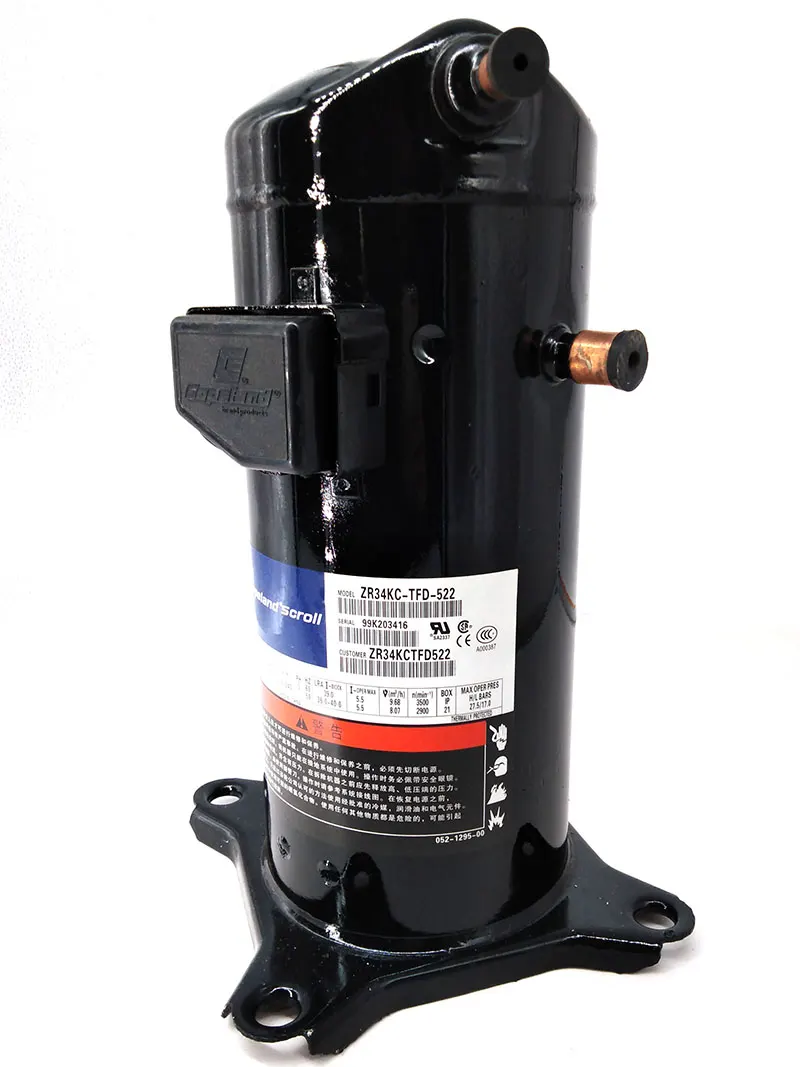
The right compressor type also depends on the system design and service strategy. Reciprocating compressors are widely used in cold room work because they are familiar to many technicians and often suitable for a broad range of capacities. Scroll compressors can be attractive in some applications for their smooth operation and compact design, depending on the temperature range and refrigerant. Semi-hermetic designs are often chosen where serviceability is important.
There is no universal best choice. The practical question is which compressor type matches the installation, the spare parts strategy, and the repair skill set available at the site.
A distributor supplying overseas buyers should treat compressor type as part of the quotation, not an afterthought. The wrong type can complicate installation, limit future serviceability, or create mismatch with the existing controls and piping layout.
Check Cooling Capacity, Ambient Temperature, and Duty Cycle
Capacity is not just about holding temperature. It must be enough to pull down the room, recover after door openings, and cope with product loads and ambient heat gain.
Cooling capacity
Cooling capacity should be reviewed at the actual application point. A compressor that looks adequate on a general specification sheet may be undersized when the system is operating at a lower evaporating temperature or a higher condensing temperature.
The useful question is not whether the compressor is “big enough” in the abstract. It is whether it can deliver the required capacity under the conditions of the project.
Ambient temperature
Ambient temperature has a direct effect on condensing pressure and compressor workload. Hot outdoor conditions, poor ventilation around the condenser, or a crowded machine room can push the system harder than expected. That can reduce net capacity and increase power consumption.
This is especially relevant in regions with high summer temperatures or installations with limited space for heat rejection. For those projects, the compressor should be selected with realistic ambient conditions in mind, not just a mild test environment.
Duty cycle
Duty cycle describes how long the compressor is expected to run and how often it starts. A lightly used chill room in a small retail site is not the same as a busy freezer in a distribution center. Frequent door openings, loading peaks, and defrost recovery can push the compressor into harsher operating patterns.
When duty cycle is high, the selection should give more attention to:
- Motor thermal stress
- Starting performance
- Oil return and lubrication stability
- Heat rejection under long run times
- Control strategy and cycling frequency
A compressor that is technically correct but constantly overloaded will not give a reliable result. The same is true for a unit that is oversized and short cycles all day. The best choice is the one that matches the real load pattern.
What Installers and Replacement Buyers Should Verify Before Ordering
For a new project or a compressor replacement, a complete application check prevents most selection errors. Before ordering, confirm the operating details that affect fit and performance.
A practical checklist includes:
- Room temperature and product type
- Required evaporating temperature range
- Refrigerant in use
- Cooling capacity requirement
- Condensing temperature or expected ambient temperature
- Power supply and electrical requirements
- Compressor type in the existing system
- Whether the job is a direct replacement or part of a larger retrofit
- Existing controls, expansion device, and evaporator condition
For replacement work, the original compressor model is useful, but it should not be the only reference. System conditions may have changed since the first installation. A degraded condenser, poor airflow, incorrect charge, or a new refrigerant can all alter the load on the replacement compressor.
Installers should also consider the wider system. Compressor selection alone does not guarantee success if the evaporator, expansion valve, defrost control, piping layout, or condenser capacity is mismatched. In many cold room problems, the compressor gets blamed for an issue created elsewhere in the circuit.
For service teams, that means selection should be handled as part of the diagnosis. For distributors, that means asking for better application data before recommending a model. For engineering installers, that means designing the system around the actual operating point rather than the catalog headline.
A Practical Way to Think About Cold Room Compressor Selection
A reliable cold room compressor selection process can be reduced to a few clear decisions:
- Define the room function: chiller, freezer, or cold storage.
- Establish the real operating temperatures, especially evaporating temperature.
- Confirm the refrigerant and capacity requirement.
- Review ambient conditions and expected duty cycle.
- Choose the compressor type that fits the temperature class and service model.
- Verify that the rest of the system supports the selection.
That process works because it follows the way refrigeration systems actually behave in the field. It helps prevent the common mistakes of under-sizing, over-sizing, or choosing a compressor that looks acceptable on paper but struggles in service.
For buyers and contractors, the best compressor is not the largest one available. It is the one that matches the application, the operating conditions, and the maintenance reality of the site.
Conclusion
Cold room compressor selection is an application problem, not a nameplate problem. Room temperature, evaporating temperature, refrigerant, cooling capacity, ambient temperature, and duty cycle all shape the right choice. Once those factors are clear, it becomes much easier to match a cold room refrigeration compressor to a walk-in chiller, walk-in freezer, or general cold storage project.
That approach helps distributors quote more accurately, gives repair companies a better replacement path, and reduces installation issues for contractors working overseas. In cold room work, good selection is usually the cheapest form of reliability.
FAQ
What is the most important factor in cold room compressor selection?
The most important factor is the real operating condition, especially room temperature and the evaporating temperature the compressor will run at. Those two points drive the capacity you actually get.
Can one compressor work for both a chiller and a freezer?
Usually not without careful checking. Chillers and freezers run at different evaporating temperatures, so the compressor must be selected for the specific temperature range and load.
Why does refrigerant matter when choosing a compressor?
Refrigerant affects capacity, operating pressure, and compressor compatibility. A compressor may perform very differently with another refrigerant, so the exact refrigerant must be confirmed before ordering.
What should replacement buyers check before ordering a compressor?
They should confirm the room temperature, refrigerant, capacity requirement, ambient conditions, existing compressor type, and whether the system has changed since the original installation.
Does a bigger compressor always improve cold room performance?
No. An oversized compressor can short cycle, reduce control quality, and create unnecessary wear. The right size is the one that matches the actual load and operating conditions.
Buyer Next Step
Move from research to sourcing with a category shortlist, relevant product examples, and a quote request channel.