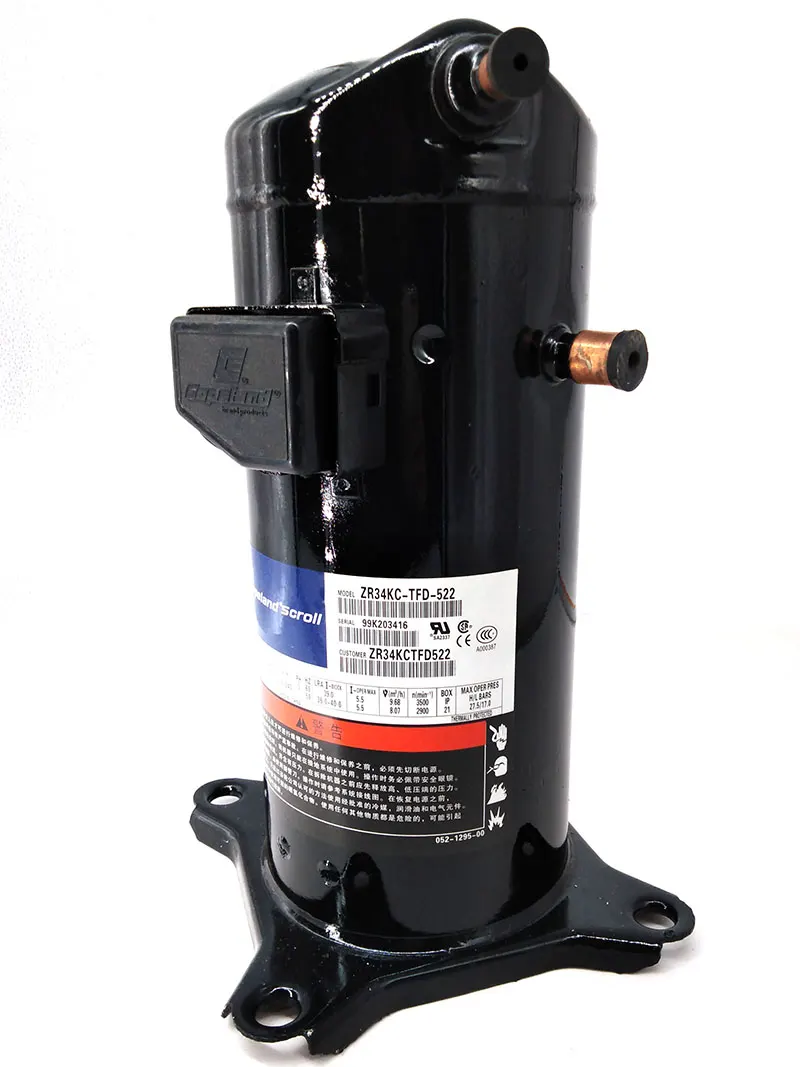
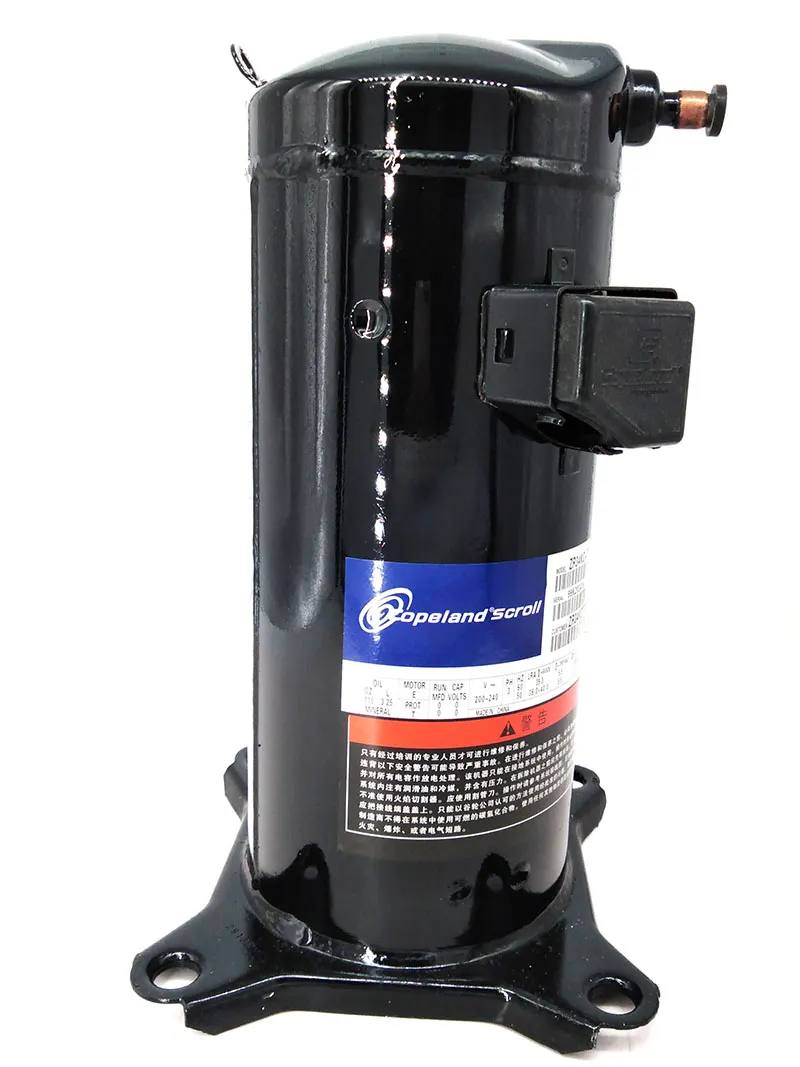
How to Choose a Compressor for a Cold Room: Temperature, Refrigerant, and Capacity Checklist
A practical cold room compressor selection guide for installers, covering room temperature, refrigerant choice, evaporating and condensing conditions, and cooling load.
Choosing a compressor for a cold room is not just a matter of matching horsepower or copying an old model number. A reliable selection starts with the room application, the target storage temperature, the refrigerant, and the real operating conditions the system will face in the field.
That matters because a compressor that works well in a walk-in cooler may not be suitable for a freezer room. A unit that looks large enough on paper can still run too hot, cycle too often, or fail early if the evaporating temperature, condensing temperature, or refrigerant does not match the actual installation.
For installers, service companies, and replacement buyers, the goal is simple: choose a compressor that fits the room load, the refrigerant circuit, and the expected operating envelope. The checklist below keeps the selection process practical and RFQ-ready.
Start With the Room Type and Temperature Range
The first step in cold room compressor selection is identifying what the room is supposed to do. Different cold storage applications place very different demands on the compressor.
Walk-in cooler and chiller room
A walk-in cooler or chiller room is usually used for fresh produce, dairy, beverages, flowers, or other chilled goods. These rooms operate at relatively moderate temperatures compared with freezers, so the compressor normally works at a higher evaporating temperature and a lighter compression ratio.
Walk-in freezer and freezer room
A walk-in freezer or freezer room operates much colder and usually demands a more robust refrigeration setup. Lower box temperatures mean lower evaporating temperatures, more run time, and a heavier load on the compressor. This is where conservative sizing matters most.
Cold room and cold storage room
“Cold room” is a broad term. In practice, it can cover chilled storage, frozen storage, and temperature-controlled processing rooms. Do not assume the room name tells you enough. Ask for the actual design temperature, product load, door use, and ambient conditions.
What installers should confirm first
Before selecting a compressor, confirm:
- Room type: cooler, freezer, or general cold room
- Target room temperature
- Pull-down requirement, if any
- Door opening frequency
- Product load and heat gain sources
- Ambient temperature around the outdoor unit or condensing section
A compressor can only be selected correctly when the room condition is clear. If the application is vague, the RFQ will be vague too.
Match the Compressor to Evaporating and Condensing Temperatures
Evaporating temperature and condensing temperature define how hard the refrigeration system has to work. These two values are more useful than a simple model match because they reflect real operating conditions.
Evaporating temperature is the working point inside the system
The evaporating temperature is related to the temperature at which the refrigerant boils in the evaporator. In cold room selection, it is one of the most important values because it affects capacity, power draw, and compressor stress.
A higher evaporating temperature usually means easier operation and better efficiency. A lower evaporating temperature means the compressor has to work harder, especially in freezer applications.
Condensing temperature reflects the heat rejection side
Condensing temperature is driven by ambient conditions, condenser size, airflow, and system cleanliness. Hot climates, poor ventilation, or dirty condensers all push condensing temperature higher. That reduces effective capacity and increases compressor load.
For overseas buyers and installers, this is a key point. A unit selected for mild ambient conditions may be undersized in a hotter market or on a rooftop installation with limited airflow.
Why the temperature pair matters
Capacity charts are only meaningful when the evaporating and condensing temperatures are set correctly. The same compressor can deliver very different performance depending on those values.
That is why cold room compressor sizing should never rely on a single nominal capacity figure. The correct question is not “What is the compressor rated at?” but “What does it deliver at the actual working point?”
Practical selection rule
When comparing compressors, check:
- Evaporating temperature for the intended room temperature
- Condensing temperature for the installation environment
- Suction gas return condition, if specified
- Whether the compressor range supports the application duty
If the compressor data sheet does not match the actual temperatures, the selection is not finished.
Choose the Right Refrigerant and Confirm Compatibility
Refrigerant choice is not a secondary detail. It directly affects compressor compatibility, operating pressure, oil return, system efficiency, and long-term reliability.
Why refrigerant matters in compressor selection
Not every compressor is suitable for every refrigerant. The compressor must be approved or designed for the refrigerant used in the system. That includes the pressure range, lubrication requirements, and the overall application envelope.
For replacement work, this is where many mistakes happen. A compressor may look physically similar to the one being replaced, but a refrigerant mismatch can still create serious problems.
What to check before ordering
Confirm the following:
- Refrigerant type used in the system
- Compressor approval for that refrigerant
- Oil type and compatibility
- Required operating pressures
- Any application limits tied to the refrigerant
If the system is being converted, do not assume the original compressor is suitable without checking the full compatibility data.
Avoid mixing up application and refrigerant
A compressor used in a chiller room application may not perform properly in a freezer room, even if the refrigerant is the same. Refrigerant compatibility is necessary, but it is not enough on its own. The compressor still has to match the room temperature and duty cycle.
For distributors and repair teams, this is a common RFQ pitfall. Always ask for both refrigerant and application conditions, not one or the other.
Size the Compressor Around the Real Cooling Load
Cooling load is the piece that turns a theoretical selection into a practical one. The cold room compressor has to handle the actual heat entering the room, not just the room size on paper.
What affects cooling load
Several factors raise the load on a cold room system:
- Product load entering the room
- Room insulation quality
- Door openings and traffic
- Ambient heat infiltration
- Lighting and internal equipment
- Defrost method and frequency
- Product pull-down requirements
A freezer room with frequent door openings can be more demanding than a larger cooler with stable usage. This is why room volume alone is not enough.
Matching capacity to operating reality
When looking at compressor capacity, check the performance at the actual evaporating and condensing temperatures, not just a catalog headline. Make sure the compressor can meet the expected load during normal operation and during peak demand.
A compressor that is too small may run continuously, struggle to maintain temperature, and wear out early. A compressor that is too large may cycle too often, reduce temperature control stability, and complicate system operation.
Replacement work needs extra caution
For compressor replacement, the safest approach is to verify more than the failed nameplate. Check:
- Original refrigerant
- Original application type
- Existing evaporating and condensing conditions
- Electrical supply and starting method
- Whether the failure was caused by an underlying system issue
Replacing a compressor without understanding why the original unit failed can repeat the same problem.
Common Mistakes in Cold Room Compressor Selection
The same selection errors appear again and again in cold room projects. Avoiding them is often the difference between a stable installation and a callback.
Selecting by horsepower alone
Horsepower is not enough. Two compressors with similar power ratings can perform very differently depending on refrigerant, temperature range, and operating envelope. Always compare actual capacity at the intended working point.
Ignoring condensing temperature
A compressor selected for a mild environment may be undersized in a hot climate or on a poorly ventilated roof. If condensing temperature is not checked, the capacity estimate is incomplete.
Using the wrong compressor for the room type
A walk-in cooler compressor and a walk-in freezer compressor are not interchangeable in every case. Freezer applications demand a different operating profile and should be treated separately.
Overlooking the rest of the system
Compressor selection should be consistent with the rest of the refrigeration circuit. Expansion device, evaporator, condenser, and defrost strategy all affect performance. A correct compressor cannot fully compensate for a poorly matched system.
Forgetting electrical and installation details
Before confirming the order, verify:
- Voltage and frequency
- Starting type
- Physical fit and connection size
- Service access and installation layout
- Ambient conditions around the compressor and condenser
These details do not replace thermal selection, but they can stop a project from moving forward if ignored.
A Simple RFQ Checklist for Installers and Buyers
When sending a request for quotation or matching a replacement compressor, include the following information:
- Room type: chiller room, walk-in cooler, freezer room, or cold room
- Target room temperature
- Refrigerant type
- Evaporating temperature
- Condensing temperature
- Estimated cooling load or room size with usage details
- Ambient temperature at the installation site
- Electrical supply information
- Existing compressor model, if replacing a unit
- Any special requirements such as low-temperature duty or frequent door opening
This checklist helps distributors quote faster, helps installers avoid mismatch, and gives repair teams a clearer path to the right compressor selection.
What Good Selection Looks Like
A well-chosen cold room compressor is not the biggest unit available. It is the unit that fits the actual room type, refrigerant, evaporating temperature, condensing temperature, and cooling load.
For chiller rooms, the selection can often focus on moderate temperature operation and stable capacity. For freezer rooms, the margin for error is smaller, so the temperature range and operating conditions need closer attention. For replacement jobs, the existing system data matters just as much as the new compressor data.
If the selection process starts with the room condition and ends with capacity at the real working point, the result is far more likely to be reliable in the field. That is the standard installers should use before they approve a compressor for a cold room project.
FAQ
What information is needed to choose a compressor for a cold room?
You need the room type, target temperature, refrigerant, evaporating temperature, condensing temperature, cooling load, and electrical details. For replacement jobs, the old compressor model and system history are also important.
Why are evaporating and condensing temperatures important in compressor selection?
They determine the compressor’s actual working conditions. Capacity, power use, and reliability all change with those temperatures, so a compressor should always be selected at the real operating point.
Can the same compressor be used for a walk-in cooler and a walk-in freezer?
Not always. Freezer applications usually require a compressor that can handle lower evaporating temperatures and a heavier duty cycle. A cooler compressor may not be suitable for freezer service.
Is refrigerant compatibility enough to confirm a compressor choice?
No. Refrigerant compatibility is necessary, but the compressor also has to match the application temperature range and load. A refrigerant-approved compressor can still be wrong for the room condition.
What is the most common mistake in cold room compressor sizing?
The most common mistake is selecting by horsepower or nameplate alone without checking actual evaporating and condensing temperatures. That can lead to undersized or oversized performance in the field.
Buyer Next Step
Move from research to sourcing with a category shortlist, relevant product examples, and a quote request channel.