How to Choose an Air Conditioner Compressor: Working Principles, Common Types, and Selection Criteria
The compressor is the core component of an air conditioning refrigeration cycle, directly affecting cooling efficiency, operational stability, and user experience. Understanding its basic principles, common types, and selection criteria helps avoid common pitfalls when choosing and using residential air conditioners.
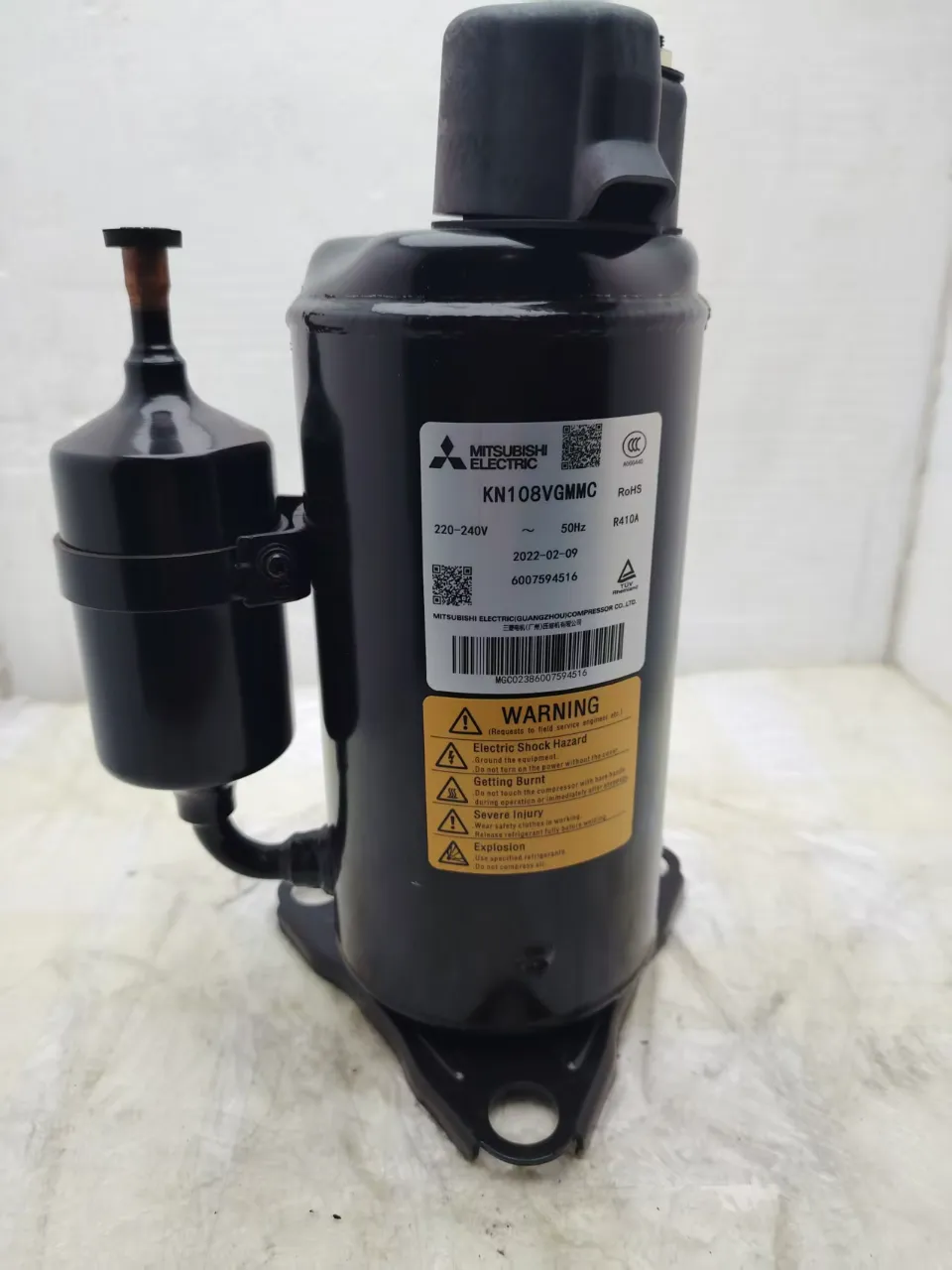
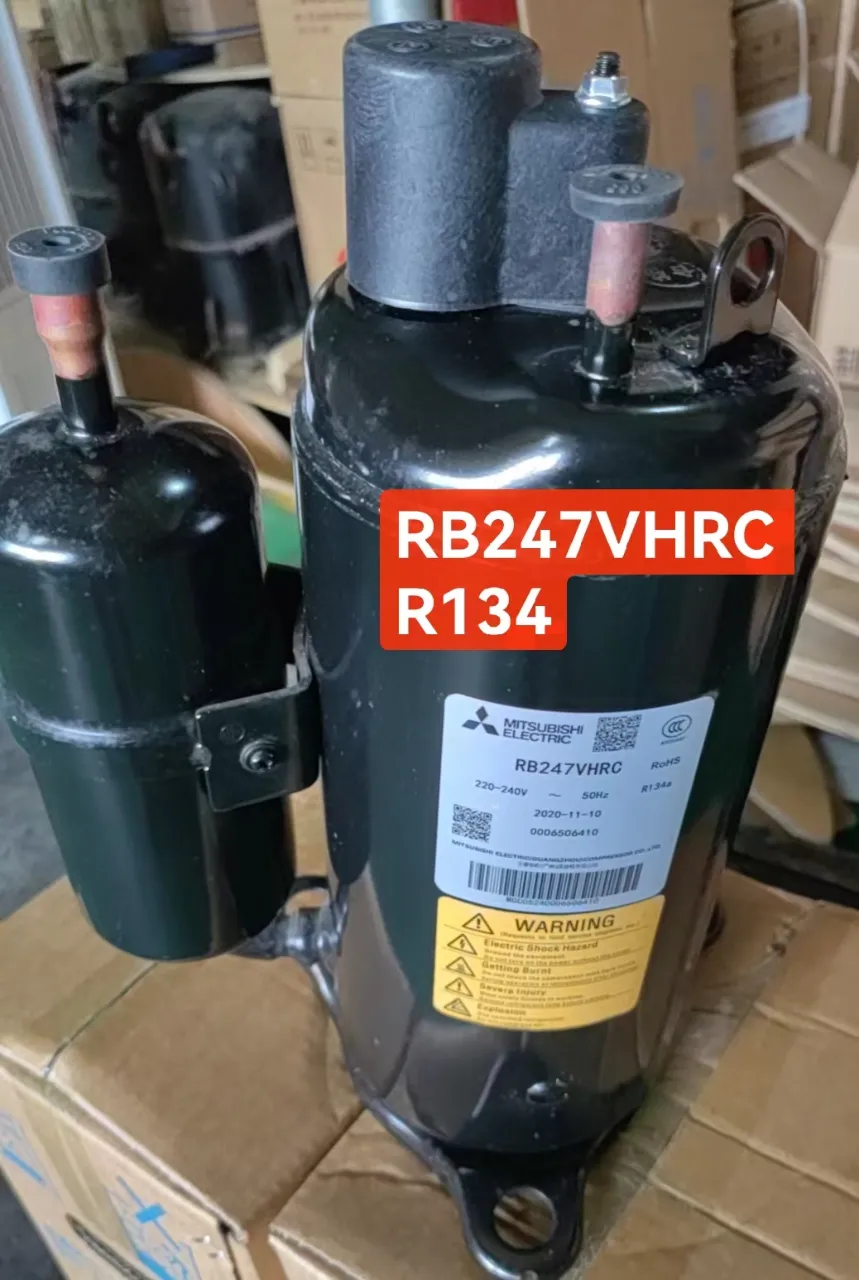
The air conditioner compressor is often called the "heart" of the unit. Typically installed inside the outdoor unit, it is the key component that drives the refrigeration cycle. Whether an air conditioner can cool reliably, operate efficiently, and deliver smooth performance depends closely on the compressor's capabilities and system integration.
The compressor's core function is to compress refrigerant and circulate it through the system. The refrigeration cycle cannot continue without the compressor's work. For typical users, understanding this point is enough to grasp what matters: the compressor is not an ordinary part, but a critical component that determines the air conditioner's fundamental capabilities.
When purchasing, many people focus only on cooling capacity ratings, appearance, or price, easily overlooking this key factor. In reality, the compressor's type and quality affect cooling performance, energy consumption, and long-term operational stability. For users seeking both comfort and durability, understanding the basic classifications and operating principles of compressors is necessary.
Air conditioner compressors are not a single form. Different types vary in structural characteristics, operational performance, and application scenarios. When purchasing, avoid focusing solely on marketing terminology. Instead, consider whether the overall system integration is sound and how the product performs in actual use. The coordination between the compressor, heat exchange system, and control system also influences the air conditioner's final effectiveness.
For residential air conditioner users, compressor information provides practical value in three areas:
- Evaluating core product configuration: The compressor is an important reference for assessing an air conditioner's core capabilities and should not be overlooked.
- Understanding performance differences: Cooling speed, operational smoothness, and other characteristics are often directly related to compressor capability.
- Supporting purchase decisions: Within budget constraints, prioritizing core component configuration helps improve long-term satisfaction.
Regarding use and maintenance, while the compressor is an internal core component that typical users need not directly manage, proper operating conditions for the entire unit remain important. Long-term reliable operation depends on proper installation, appropriate use, and regular maintenance. When air conditioners exhibit cooling abnormalities or unstable operation, the compressor and its refrigeration system are often primary troubleshooting targets.
From a practical standpoint, the compressor's importance lies not only in "whether it can cool" but in "whether the cooling process is stable, continuous, and reliable." This is why when purchasing air conditioners, surface specifications alone are insufficient—the compressor must be understood as a core consideration.
For typical consumers, understanding air conditioner compressors is not about dissecting technical details, but about identifying what matters when purchasing and setting appropriate expectations during use. Viewing the compressor as a core component affecting air conditioner performance enables more rational product comparisons and clearer understanding of performance differences between units.
FAQ
Why is the air conditioner compressor called the "heart" of the unit?
It compresses refrigerant and drives the continuous operation of the refrigeration cycle, making it the key component for temperature regulation. Without the compressor, the refrigeration cycle cannot function properly.
Where is the air conditioner compressor typically installed?
The air conditioner compressor is typically located inside the outdoor unit. It is one of the core components, primarily responsible for compression tasks in the refrigeration cycle.
Why shouldn't you choose an air conditioner based only on price and appearance?
Price and appearance reflect only partial product information. What truly affects cooling performance and operational stability is whether the overall core configuration is sound, with the compressor being a key factor.
What practical value does compressor information have for typical users?
It helps users understand performance differences between air conditioners, avoid focusing only on surface specifications, and prioritize core components that matter more for long-term satisfaction within their budget.
Buyer Next Step
Move from research to sourcing with a category shortlist, relevant product examples, and a quote request channel.