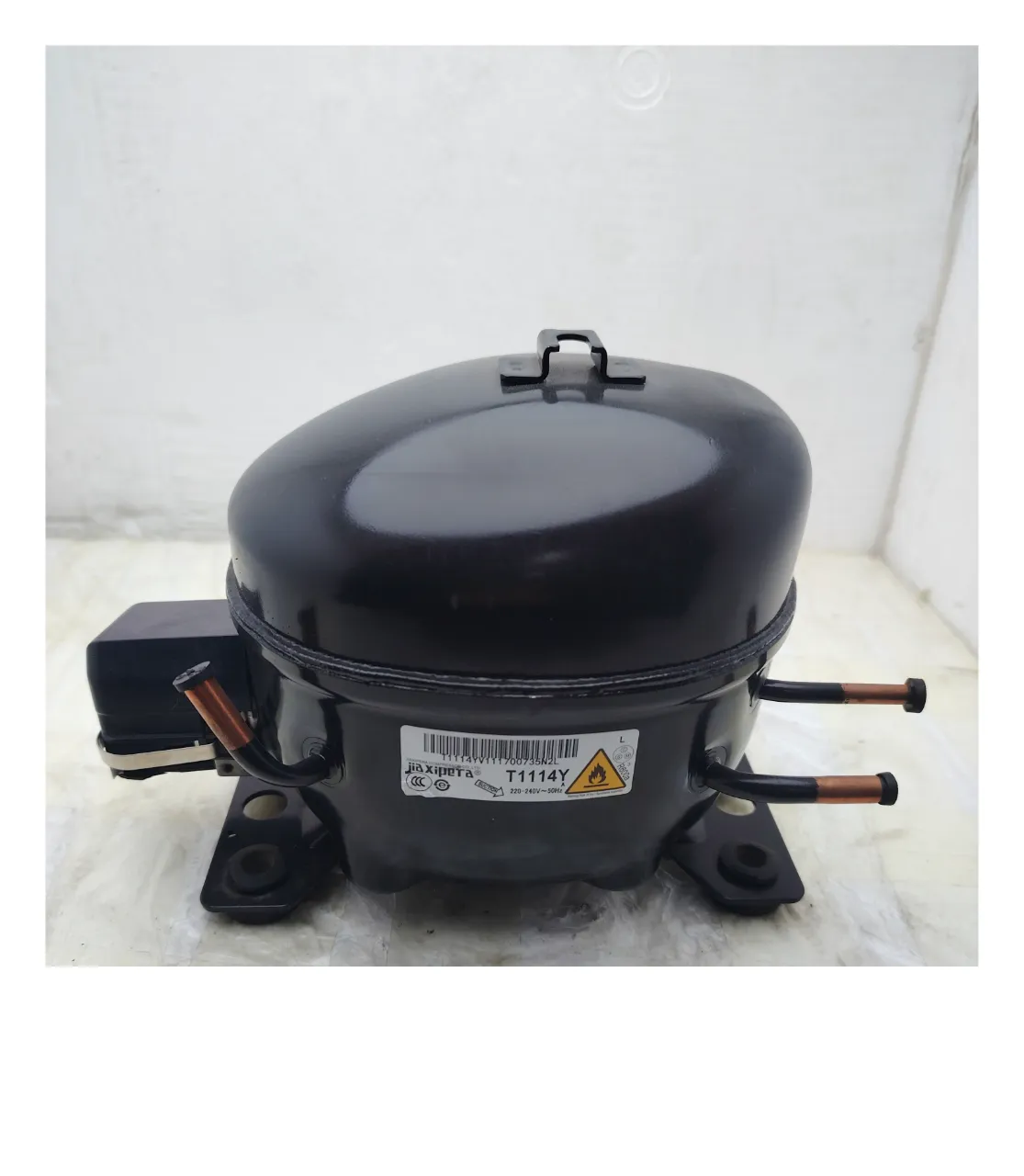
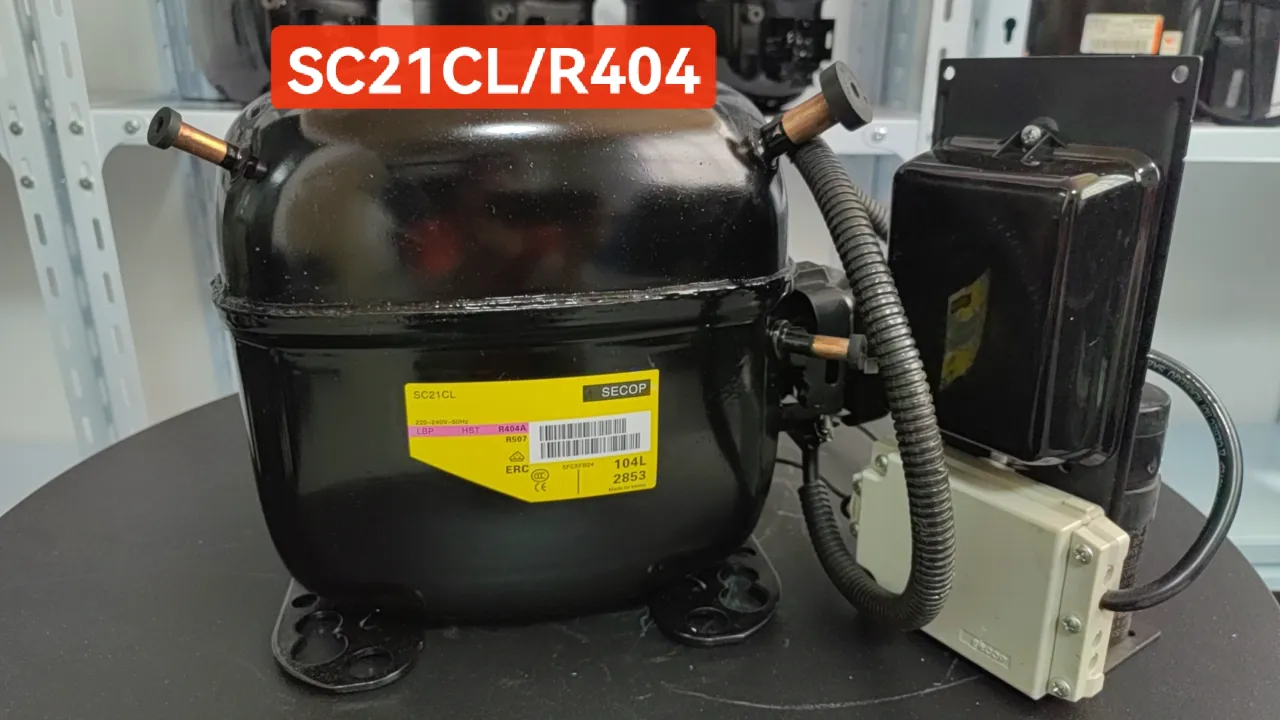
Compressor Start Relay, Capacitor, and Overload Protector: Replacement Buying Guide
A practical guide to compressor start relays, capacitors, and overload protectors—and why matched electrical parts matter when replacing compressors.
Why Start Components Matter in Compressor Replacement
A compressor is often treated as a single replacement item, but in real service work it depends on several electrical accessories to start safely and run within its designed operating range. The compressor start relay, capacitor, and overload protector are small parts compared with the compressor body, yet they can decide whether a refrigerator, air conditioner, display cabinet, or cold-room unit starts smoothly after installation.
For distributors, repair companies, and refrigeration contractors, these accessories create a common purchasing challenge. Compressors may be stocked by model number, while start devices and protection parts are sometimes sold separately, packed differently, or supplied under alternative part codes. If the wrong electrical accessories are fitted, the result can be hard starting, nuisance tripping, overheating, poor reliability, or a second service visit.
A good replacement order should not only match the compressor model. It should also confirm the correct compressor electrical parts for the application, voltage, refrigerant system design, and starting method. This guide explains what each component does, how these parts relate to compressor model numbers, and what buyers should check before placing an order.
What Are the Main Compressor Electrical Accessories?
Most single-phase refrigerator, light commercial, and small air-conditioning compressors require a set of start and protection components. The exact configuration depends on the compressor design, but the most common accessories are the start relay, capacitor, and overload protector.
Compressor Start Relay
The compressor start relay helps energize the start winding during the first moment of operation. When the compressor is at rest, it needs extra starting torque to overcome internal pressure and begin rotating. The relay allows current to pass through the start winding for a short period, then removes the start winding from the circuit once the motor reaches operating speed.
Common relay types include:
- PTC start relay: Widely used in domestic refrigerators, freezers, beverage coolers, and small refrigeration equipment. It uses a positive temperature coefficient element that changes resistance as it heats.
- Current relay: Used in some refrigeration and air-conditioning applications. It responds to motor current during startup.
- Potential relay: More common in capacitor-start systems and larger single-phase applications, where it responds to voltage generated across the start winding.
The relay is not a universal switch. Its rating and behavior must suit the compressor motor. A relay with the wrong characteristics may fail to start the compressor, keep the start winding energized too long, or drop out too early.
Compressor Capacitor
A compressor capacitor stores and releases electrical energy to support motor operation. Depending on the compressor design, the system may use a start capacitor, a run capacitor, or both.
- Start capacitor: Provides a short boost during startup. It is usually used only for a brief period and is removed from the circuit by a relay or other start device.
- Run capacitor: Stays in the circuit during operation to improve motor efficiency, phase shift, and running performance.
Capacitors are identified by capacitance, usually in microfarads (µF), and voltage rating. Both values matter. The capacitance must match the motor requirements, while the voltage rating must be suitable for the circuit. Physical size, terminal style, and mounting method also affect replacement selection.
A weak or incorrect compressor capacitor can cause slow starting, high current draw, humming, tripped protection, or intermittent operation. For field service teams, capacitor mismatch is one of the easiest ways to create an avoidable callback.
Compressor Overload Protector
The compressor overload protector is a safety device that helps protect the motor from overheating or excessive current. It opens the circuit when abnormal conditions occur, such as locked rotor, poor voltage supply, high discharge pressure, or a failing motor.
Overload protectors may be external or integrated, depending on compressor design. In many small hermetic compressors, the external overload is mounted at or near the compressor terminals and works together with the start relay.
A compressor overload protector should never be selected only by physical appearance. Trip characteristics, current rating, thermal response, and compatibility with the compressor motor are essential. A mismatched overload may trip too quickly during normal startup or fail to protect the compressor when a real fault occurs.
How Start Components Relate to Compressor Model Numbers
Compressor model numbers are the starting point for selecting accessories, but they are not always enough by themselves. A model number can indicate compressor series, cooling capacity range, refrigerant compatibility, voltage, frequency, application temperature range, and motor type. However, accessory selection can still vary by production version, market, brand, and supply package.
Why the Compressor Model Is Critical
The same-looking compressor shell can use different electrical parts depending on its exact model and electrical specification. Buyers should use the full compressor model number from the nameplate or technical label, not a shortened description from an invoice or carton.
Important details include:
- Full compressor model number
- Voltage and frequency, such as 115V/60Hz or 220-240V/50Hz
- Refrigerant type used in the system
- Application range, such as low, medium, or high temperature
- Single-phase or three-phase motor design
- Existing start component part numbers, if available
For overseas distributors and installers, voltage and frequency are especially important. A compressor intended for one regional power supply may not use the same start relay or capacitor as a similar model for another market.
Why Accessory Part Numbers May Not Match the Compressor Code
Start relays, overload protectors, and capacitors often have their own part numbers. These numbers may come from the compressor manufacturer, an electrical component supplier, or an aftermarket replacement catalog. As a result, the accessory code printed on the part may not look related to the compressor model.
This creates confusion in purchasing. A service company may request a compressor model, while a distributor may need a relay code, overload code, and capacitor value to complete the order. In other cases, the customer only has a failed relay or capacitor in hand and needs to identify the compressor it belongs to.
The safest approach is to cross-check both sides:
- Match accessories by compressor model and electrical specification.
- Confirm accessory markings, ratings, and terminal configuration.
- Use the original parts list or reliable cross-reference when available.
- Avoid assuming that parts are interchangeable only because they fit the same terminal cover.
Compressor Kits vs. Separate Accessories
Some compressors are supplied with start components included, while others are sold as bare compressors. This depends on the brand, model, packaging channel, and customer requirement. For wholesalers and contractors, it is important to clarify this before shipping.
A compressor order should state whether it includes:
- Start relay
- Overload protector
- Start capacitor
- Run capacitor
- Terminal cover and clips
- Wiring leads or connector accessories, if required
When parts are supplied separately, the buyer should request a matched accessory set. This reduces installation uncertainty and helps standardize inventory for repeat orders.
Common Replacement Problems and How to Avoid Them
Electrical accessory mismatch is a frequent issue because these parts are small, low-cost, and easy to overlook during compressor replacement. The cost of a wrong relay or capacitor, however, can be much higher than the part itself once return freight, diagnosis time, and equipment downtime are included.
The Compressor Hums but Does Not Start
A humming compressor that fails to start may point to a faulty start relay, weak capacitor, incorrect wiring, low voltage, high system pressure, or a mechanically locked compressor. If the compressor is new or recently replaced, technicians should verify that the start device matches the compressor model and that the capacitor value is correct.
For buyers, this means the accessory set should be ordered together with the compressor whenever possible. If a local technician reuses the old relay or overload on a new compressor, the replacement may fail even when the compressor itself is correct.
The Overload Trips Repeatedly
Repeated overload trips can be caused by electrical or refrigeration system faults. Possible causes include incorrect overload protector, insufficient supply voltage, high ambient temperature, blocked condenser, overcharged system, incorrect refrigerant, or compressor internal fault.
The overload protector should not be bypassed to keep the compressor running. Bypassing protection creates a safety risk and can damage the motor. The correct response is to confirm electrical ratings, inspect the refrigeration system, and verify that the overload is matched to the compressor.
The Capacitor Has the Wrong Rating
Capacitors should be replaced by matching the specified capacitance and an appropriate voltage rating. A different microfarad value may affect starting torque, motor temperature, and running current. A lower voltage rating than required can shorten capacitor life or cause failure.
When ordering compressor capacitors, buyers should provide:
- Capacitance in µF
- Voltage rating
- Start or run capacitor type
- Terminal style
- Mounting size or bracket requirement
- Quantity and packing preference for stock orders
Distributors should avoid listing capacitors only by physical dimensions. Two capacitors may look similar but perform differently in the circuit.
Old Accessories Are Reused on a New Compressor
Reusing existing electrical accessories can be tempting, especially when a replacement compressor has the same terminal layout. In some cases it may work, but it is not a reliable purchasing practice unless the parts are confirmed compatible and in good condition.
Old relays and overloads may have been affected by heat, arcing, moisture, or repeated starting problems. A weak capacitor may still read close to normal at no load but fail under real operating conditions. For service companies, replacing matched start components at the same time as the compressor is often the more dependable option.
Buying Checklist for Distributors, Repair Companies, and Installers
A clear buying process helps avoid delays and wrong-part shipments. This is especially important for overseas customers buying across brands, languages, and regional electrical standards.
Information to Confirm Before Ordering
Before placing an order for a compressor start relay capacitor overload set, collect as much technical information as possible. The most useful details are:
- Compressor brand and full model number
- Compressor serial or production code, if available
- Voltage and frequency
- Refrigerant and application type
- Equipment type, such as refrigerator, freezer, air conditioner, display cabinet, ice machine, or cold room
- Original relay, capacitor, and overload markings
- Photos of the compressor nameplate and terminal area
- Required quantity and whether parts should be packed with the compressor
For distributors, building a record of common compressor models and their matched accessories can improve quotation speed and reduce technical disputes.
Questions to Ask a Supplier
When sourcing refrigerator compressor accessories or air-conditioning compressor electrical parts, buyers should ask practical questions rather than relying only on price.
Useful questions include:
- Is the compressor supplied bare or with electrical accessories?
- Which start relay and overload protector are matched to this model?
- Does this compressor require a start capacitor, run capacitor, or both?
- Are the accessories original, approved equivalent, or aftermarket replacement parts?
- Are voltage and frequency ratings suitable for the destination market?
- Can accessories be packed together with each compressor for easier installation?
These questions are especially important for mixed-brand orders. Aggregators and distributors often handle domestic and international compressor brands in one shipment, so accessory identification should be part of the quotation process.
Stocking Strategy for Wholesalers
Spare parts wholesalers often serve repair technicians who need quick solutions. Stocking only compressors without the matching start components may create lost sales or incomplete repairs. On the other hand, stocking too many accessory variations can tie up inventory.
A practical strategy is to identify fast-moving compressor models and keep matched electrical kits for those models. For slower-moving models, keep clear cross-reference records and order accessories together when the compressor is requested.
Wholesalers can also label stock by application category:
- Domestic refrigerator compressor accessories
- Commercial freezer and display cabinet start components
- Air-conditioning compressor capacitors and relays
- Cold-room compressor electrical parts
This makes it easier for sales teams to respond when customers provide equipment type rather than complete part numbers.
Practical Takeaways for Replacement Buyers
Compressor electrical accessories should be treated as part of the compressor replacement package, not as an afterthought. A correct compressor with the wrong relay, capacitor, or overload protector may still fail to start or may operate unreliably.
For repair teams, the main priority is safe and accurate matching. Confirm the compressor model, check the electrical specifications, and avoid reusing questionable old components. For distributors, the priority is reducing ambiguity before shipment. Clarify whether the order includes start components, record accessory part numbers, and help customers match parts by full model information.
For cold-room contractors and equipment installers, reliable startup matters because downtime can affect stored goods, project schedules, and customer trust. Ordering matched compressor start components with the compressor can reduce installation risk and simplify service support.
The best purchasing practice is simple: identify the full compressor model, confirm voltage and application, and order the matched compressor start relay, capacitor, and overload protector as a complete electrical set whenever the compressor design requires them.
FAQ
What does a compressor start relay do?
A compressor start relay energizes the start winding during startup and then removes it from the circuit after the motor reaches operating speed. It helps the compressor develop the torque needed to start safely.
Should I replace the start relay, capacitor, and overload when replacing a compressor?
In many service situations, it is best to order matched start components with the replacement compressor. Reusing old parts can cause hard starting, overload trips, or unreliable operation if the accessories are worn or not compatible with the new compressor.
How do I match a compressor capacitor?
Match the capacitor by type, capacitance in microfarads, voltage rating, terminal style, and application. A start capacitor and a run capacitor are not the same, and an incorrect µF value can affect compressor startup and running performance.
Can one overload protector fit different compressor models?
Some overload protectors may fit more than one model, but selection should not be based on appearance alone. The protector must match the compressor motor characteristics, current rating, and thermal response required by the compressor manufacturer or a reliable cross-reference.
What information should buyers provide when ordering compressor electrical parts?
Buyers should provide the compressor brand, full model number, voltage and frequency, refrigerant, equipment type, original accessory markings, and photos of the nameplate or terminal area when available. This helps suppliers identify the correct relay, capacitor, and overload protector.
Buyer Next Step
Move from research to sourcing with a category shortlist, relevant product examples, and a quote request channel.