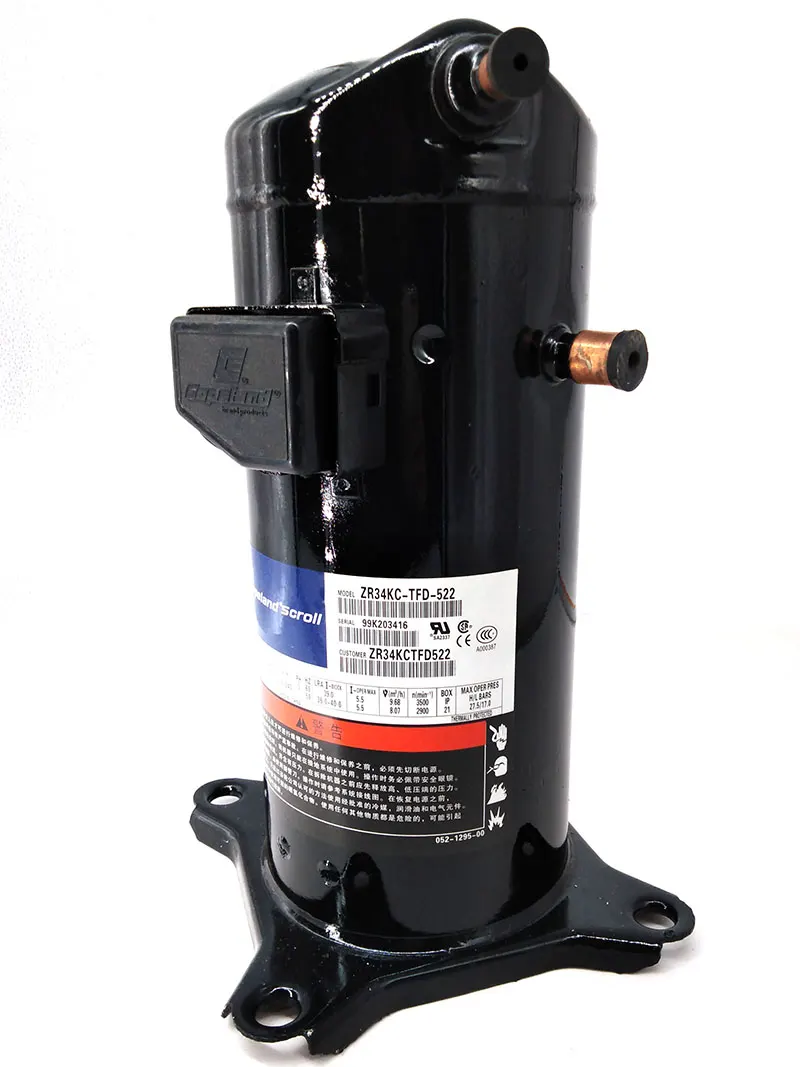
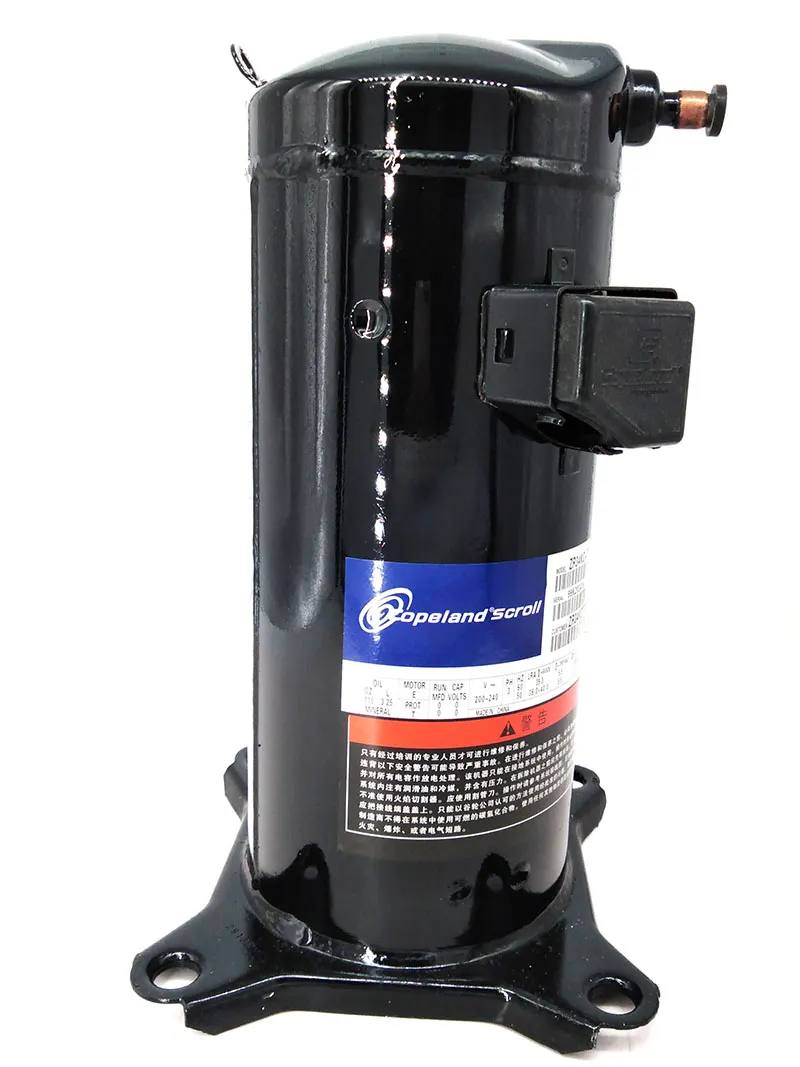
Common Compressor Questions and Practical Troubleshooting Guidance
A practical guide to compressor speed, regulation methods, cylinder cooling, unloading control, and common performance concerns.
Common Compressor Questions and Practical Troubleshooting Guidance
Compressors are central to refrigeration, air conditioning, process cooling, and many industrial utility systems. When performance changes, operators often focus on pressure or temperature first, but the root cause may involve speed, regulation strategy, cylinder cooling, valve condition, or unloading control.
This guide summarizes several common compressor questions and practical points that help technicians, buyers, and maintenance teams evaluate operating issues more clearly.
How Compressor Speed Affects Performance
Compressor speed directly affects the capacity curve of the machine. In simple terms, increasing or reducing rotational speed changes how much gas the compressor can move in a given period.
Speed control is often considered an effective regulation method because it can adjust compressor output while maintaining a relatively stable efficiency characteristic. This is why variable-speed operation is widely used in systems that need flexible capacity matching.
However, speed changes must remain within the allowable operating range of the compressor and its drive system. Excessive speed, insufficient lubrication, poor cooling, or unstable suction conditions can lead to mechanical stress and reliability problems.
Pressure Regulation, Flow Regulation, and Ratio Control
Compressor regulation can be managed in several ways depending on system requirements. Common approaches include maintaining pressure, maintaining flow, or adjusting based on pressure ratio.
Constant pressure regulation
Constant pressure regulation is used when the system must keep discharge or suction pressure within a target range. This is common in refrigeration and process applications where stable pressure supports stable temperature or process performance.
Constant flow regulation
Constant flow regulation is suitable when the downstream process requires a steady gas volume. The compressor output is adjusted so the required flow is maintained even if system resistance changes.
Pressure ratio regulation
Pressure ratio control focuses on the relationship between discharge pressure and suction pressure. This approach can be important where compression ratio has a major influence on temperature rise, energy use, and equipment load.
Choosing the right regulation method depends on the application, compressor type, control system, and operating limits.
Why Cylinder Cooling Matters
Cylinder cooling helps control temperature during compression. When gas is compressed, its temperature rises. If heat is not managed properly, high discharge temperature can reduce lubrication quality, increase wear, and affect valve and sealing performance.
Effective cooling can improve operating stability and reduce the risk of overheating. Operators should keep cooling passages, heat exchangers, fans, water lines, or related components in good working condition, depending on the compressor design.
Signs of poor cooling may include abnormal discharge temperature, frequent high-temperature alarms, reduced capacity, or accelerated lubricant degradation.
What Compressor Unloading Does
Unloading is a capacity control method that allows the compressor to reduce output when full capacity is not required. It can help reduce starting load, limit power demand, and prevent excessive cycling.
In semi-hermetic compressors and other positive displacement compressors, unloading may be achieved through mechanical or control-based methods. The exact design varies by model.
When unloading does not work correctly, the compressor may start heavily, run with unstable capacity, fail to reach the expected pressure condition, or consume more energy than expected. Maintenance teams should inspect unloading mechanisms, control signals, solenoid valves, and related pressure controls when troubleshooting.
Common Causes of Poor Compressor Performance
Compressor performance issues rarely come from one factor alone. Several common causes should be checked during troubleshooting:
- Incorrect operating speed or unstable drive control
- Excessive compression ratio
- Poor suction condition or insufficient gas supply
- High discharge pressure
- Inadequate cylinder or motor cooling
- Worn valves, piston rings, scroll components, or sealing parts
- Lubrication problems
- Blocked filters, strainers, or heat exchangers
- Incorrect unloading operation
- Control system settings that do not match the application
A structured inspection is better than replacing parts immediately. Start with operating data, then verify mechanical, electrical, and control conditions.
Practical Troubleshooting Checklist
When a compressor shows abnormal pressure, temperature, noise, or capacity, technicians can follow a basic checklist:
- Confirm suction pressure, discharge pressure, and operating temperature.
- Check whether the compressor is running within its approved speed and pressure range.
- Inspect cooling conditions and verify airflow or water flow where applicable.
- Review the control strategy, including pressure, flow, and unloading settings.
- Check for abnormal vibration, impact noise, or signs of liquid return.
- Inspect oil level, oil condition, and lubrication system operation.
- Confirm that valves, filters, and piping are not blocked or incorrectly adjusted.
- Compare actual capacity with the expected system load.
Accurate records are valuable. Trend data can reveal whether the problem is sudden, seasonal, load-related, or caused by gradual wear.
When to Seek Specialist Support
If the compressor trips repeatedly, overheats, makes abnormal mechanical noise, or cannot maintain required pressure after basic checks, professional service support is recommended. Continued operation under abnormal conditions can increase repair cost and may damage major components.
For critical refrigeration or industrial systems, selecting the correct compressor type, control method, and service plan is just as important as repairing a single fault. A well-matched compressor will operate more reliably, respond better to load changes, and support lower long-term operating risk.
FAQ
How does speed affect compressor performance?
Compressor speed changes the capacity curve by increasing or reducing the amount of gas moved over time. Speed control is often an effective regulation method, but the compressor must stay within its approved operating range.
What is the difference between pressure regulation and flow regulation?
Pressure regulation keeps suction or discharge pressure near a target value, while flow regulation maintains a required gas volume for the downstream process. The best method depends on the application and system control requirements.
Why is cylinder cooling important for a compressor?
Cylinder cooling helps control the temperature rise caused by compression. Poor cooling can lead to high discharge temperature, lubricant degradation, reduced capacity, and increased wear.
What does compressor unloading mean?
Unloading reduces compressor output when full capacity is not needed. It can reduce starting load, help match system demand, and improve operating stability when the unloading system works correctly.
What should be checked first when compressor performance drops?
Start by checking suction pressure, discharge pressure, operating temperature, speed, cooling condition, lubrication, and control settings. These readings help identify whether the issue is mechanical, electrical, or system-related.
Buyer Next Step
Move from research to sourcing with a category shortlist, relevant product examples, and a quote request channel.