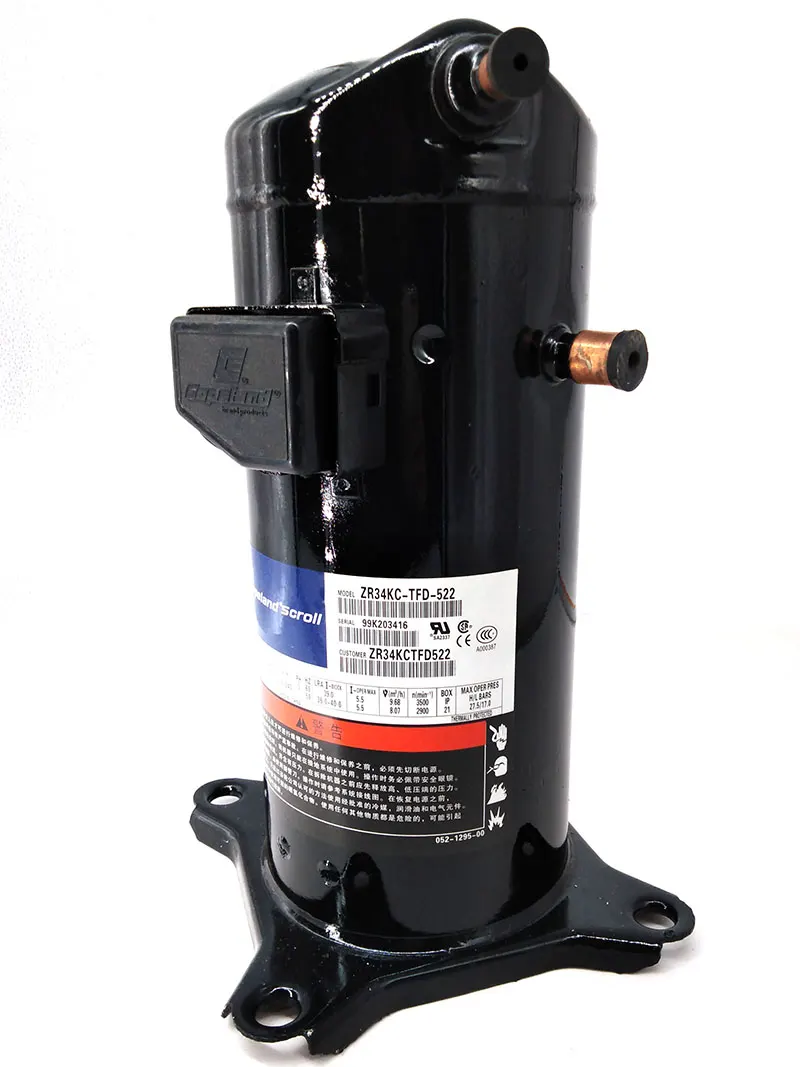
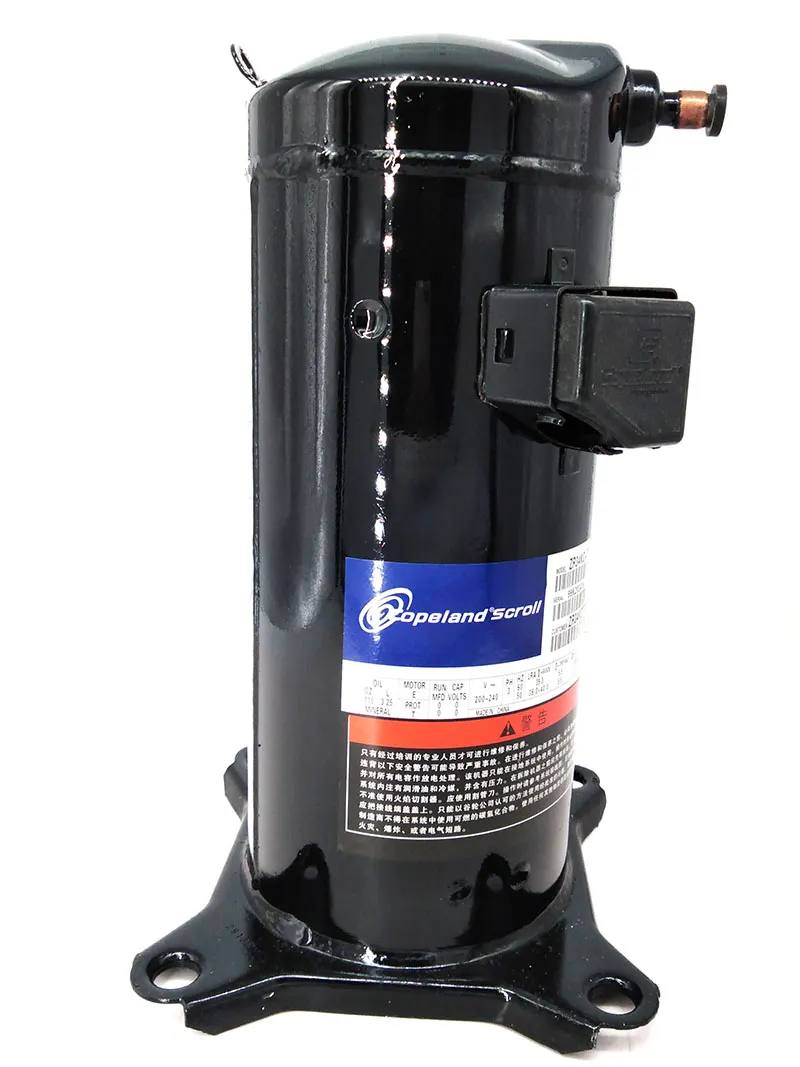
Cold Room Compressor Troubleshooting: Common Problems Before Ordering a Replacement
A practical guide to diagnosing cold room compressor faults before replacement, including no start, overload tripping, oil issues, noise, and cooling loss.
Cold room compressor troubleshooting usually starts with one urgent complaint: the room is not holding temperature. For repair technicians, service companies, and spare parts buyers, the next question is more expensive: is the compressor really failed, or is another system fault making it look that way?
A compressor is the heart of a cold room refrigeration system, but it is also affected by power supply, controls, refrigerant charge, airflow, oil return, pipework condition, and operating conditions. Replacing it too early can waste money and leave the real fault unresolved. Replacing it too late can risk product loss, repeat breakdowns, and damage to other components.
This guide covers the most common symptoms seen in commercial cold rooms and walk-in freezers: compressor not starting, overload tripping, high discharge temperature, low suction pressure, oil problems, winding failure, and abnormal noise. It also explains when repair may be reasonable and when ordering a replacement compressor is the practical decision.
Start With the Basic System Checks
Before condemning a compressor, confirm that the refrigeration system is being asked to operate under normal conditions. Many compressor failure symptoms are caused by external faults.
Confirm the operating complaint
Different complaints point to different diagnostic paths:
- Cold room not cooling: May involve compressor capacity, refrigerant shortage, evaporator icing, valve restriction, condenser problems, or control settings.
- Compressor not starting: Often electrical, control-related, or motor-related.
- Compressor starts then stops: May be overload, high pressure, low voltage, oil protection, or internal mechanical stress.
- Breaker trips immediately: Can indicate shorted windings, grounded motor, locked rotor, damaged contactor, or wiring fault.
- Noisy operation: May be mounting, pipe vibration, liquid floodback, worn internal parts, or oil return issues.
A clear symptom history helps parts buyers avoid ordering the wrong compressor type or capacity.
Check power and controls first
Basic electrical checks can prevent unnecessary compressor replacement. Technicians should verify:
- Correct supply voltage at the compressor terminals
- Phase balance on three-phase systems
- Control circuit output from thermostat, controller, pressure switch, or safety relay
- Contactor condition and contact resistance
- Overload relay setting and condition
- Loose terminals, burnt wiring, or overheated connectors
- Correct capacitor values on single-phase compressors
A compressor that does not receive proper voltage cannot be judged fairly. Low voltage, phase loss, or faulty starting components can make a healthy compressor fail to start or trip repeatedly.
Inspect airflow and heat rejection
A cold room compressor can overheat or shut down even if the compressor itself is mechanically sound. Inspect the condenser and evaporator side:
- Dirty condenser coil or blocked airflow
- Failed condenser fan motor
- High ambient temperature around the condensing unit
- Iced evaporator coil
- Failed evaporator fans
- Dirty filters or air restrictions
- Poor door sealing and excessive heat load
If the system cannot reject heat properly, discharge pressure and discharge temperature rise. This may cause overload tripping, oil breakdown, poor cooling, and long-term compressor damage.
Common Cold Room Compressor Fault Symptoms
The same compressor may show several symptoms at once. A structured diagnosis helps identify whether the compressor has failed internally or is being affected by system conditions.
Compressor not starting
A compressor not starting is one of the most common refrigeration service calls. The cause may be electrical, mechanical, or control-related.
Possible causes include:
- No power supply or incorrect voltage
- Open control circuit
- Faulty thermostat, controller, pressure switch, or time delay
- Burnt contactor or loose wiring
- Failed start capacitor, run capacitor, relay, or potential relay
- Internal overload open due to overheating
- Locked rotor or seized compressor
- Open motor winding
A useful troubleshooting step is to determine whether the compressor is receiving a start signal and correct voltage. If voltage is present but the compressor hums, draws high current, and does not start, the technician should check the start components and locked-rotor condition. On three-phase compressors, phase loss or incorrect phase condition must be ruled out.
If the compressor will not start after correct power, controls, and starting components are verified, an internal electrical or mechanical fault becomes more likely.
Compressor overload tripping
Compressor overload tripping protects the motor from excessive current or temperature. It may trip during start-up or after running for a period.
Common causes include:
- Low voltage or voltage imbalance
- High head pressure from poor condenser airflow
- Refrigerant overcharge or non-condensables
- Tight mechanical compressor parts
- Locked rotor during starting
- Incorrect overload setting
- Faulty contactor or poor electrical connection
- Compressor operating outside its application range
For a cold room, overload tripping often appears during hot ambient conditions, after a dirty condenser has been ignored, or after a refrigerant service error. Repeated resets without correcting the cause can overheat the winding insulation and shorten compressor life.
If current draw remains excessive under normal pressure and voltage conditions, the compressor may have internal mechanical wear, bearing damage, or motor deterioration.
High discharge temperature
High discharge temperature is a serious warning sign. It can carbonize oil, damage valves, weaken insulation, and eventually lead to compressor failure.
Possible causes include:
- Low refrigerant charge
- Low suction pressure or high compression ratio
- Poor evaporator airflow
- Incorrect superheat setting
- Restricted liquid line filter drier or expansion valve
- Dirty condenser or high condensing temperature
- Insufficient suction gas cooling
- Compressor operating beyond its intended temperature range
High discharge temperature does not always mean the compressor must be replaced. In many cases, the root cause is system-related: low charge, restriction, poor airflow, or improper expansion valve adjustment. However, if the compressor has run hot for an extended period, internal valve damage and oil deterioration may already be present.
Signs of severe overheating include burnt oil smell, discolored oil, damaged terminals, repeated overload trips, and poor pumping performance even after system corrections.
Low suction pressure
Low suction pressure is often linked to a cold room not cooling properly. It can also drive up discharge temperature and cause compressor overheating.
Common causes include:
- Low refrigerant charge
- Liquid line restriction
- Blocked filter drier
- Expansion valve underfeeding
- Moisture or ice restriction
- Evaporator coil icing
- Poor evaporator fan operation
- Low heat load or incorrect controller settings
A compressor should not be replaced simply because suction pressure is low. The technician needs to separate compressor pumping problems from feed and airflow problems. If suction pressure is low while superheat is high, the evaporator may be starved. If suction pressure is low with an iced evaporator, airflow or defrost issues may be involved.
A compressor with damaged valves may show poor capacity and abnormal pressure behavior, but it should be confirmed with pressure readings, current draw, temperature measurements, and system condition checks.
Oil problems
Oil problems are a major reason compressors fail in cold room applications. The compressor depends on proper oil level, oil quality, and oil return.
Typical oil-related symptoms include:
- Low oil level in sight glass where applicable
- Oil foaming during start-up
- Oil leaving the compressor and not returning
- Burnt or dark oil
- Oil pressure safety trips on semi-hermetic units
- Bearing noise or mechanical knocking
- Sludge or acid formation after burnout
Oil loss may be caused by refrigerant leaks, poor piping design, long pipe runs, incorrect pipe sizing, low refrigerant velocity, excessive floodback, or repeated short cycling. Oil foaming may indicate refrigerant migration into the crankcase during off cycles.
When an oil problem is found, replacing the compressor without correcting oil return, refrigerant migration, or piping issues can lead to another failure. This is especially important for service companies and contractors handling remote condensing units and larger cold rooms.
Winding failure
Winding failure is a strong indicator that the compressor is no longer serviceable. It may appear as an open winding, shorted winding, grounded winding, or compressor burnout.
Technicians normally check compressor windings using resistance and insulation tests. Warning signs include:
- Breaker trips instantly when compressor is energized
- Megohmmeter readings indicate insulation breakdown to ground
- Uneven winding resistance on three-phase motors
- Open circuit through a motor winding
- Burnt smell from terminals or oil
- Blackened oil after severe electrical failure
A grounded or shorted winding usually requires compressor replacement. In addition, the refrigeration circuit may require cleanup to remove acid, moisture, sludge, and debris. For distributors and parts buyers, winding failure also means the replacement order should consider compatible electrical specifications, refrigerant, application temperature range, and mounting details.
Abnormal noise and vibration
Abnormal compressor noise can come from inside the compressor or from external installation problems. The difference matters.
External causes include:
- Loose mounting bolts or worn rubber mounts
- Pipework touching the frame or wall
- Liquid line or suction line vibration
- Condenser fan contact or imbalance
- Loose panels on the condensing unit
System-related causes include:
- Liquid floodback to the compressor
- Refrigerant migration and oil dilution
- Slugging during start-up
- Poor oil return
- Excessive pressure ratio
Internal compressor causes include worn bearings, damaged valves, broken springs, or mechanical wear. A light vibration caused by pipe contact may be corrected easily. Heavy knocking, grinding, or repeated noise at start-up can indicate internal damage or liquid slugging. If liquid return is present, the cause must be corrected before a replacement compressor is installed.
How to Decide Whether the Compressor Must Be Replaced
The goal of compressor diagnosis is not only to find a fault, but to decide the most reliable and economical repair path. Replacement is not always required, but certain conditions make it the right decision.
Problems that may not require replacement
A compressor may be reusable if testing shows it is electrically and mechanically sound and the fault is external. Examples include:
- Failed capacitor, relay, or contactor
- Incorrect controller setting or faulty thermostat
- Dirty condenser coil causing high pressure
- Low refrigerant charge due to a repairable leak
- Blocked filter drier or expansion valve issue
- Evaporator fan failure or defrost fault
- Loose wiring or poor terminal connection
- Incorrect overload setting
In these cases, replacing the failed component, correcting the refrigeration fault, and monitoring compressor performance may restore normal operation.
Conditions that usually justify replacement
Compressor replacement is normally required or strongly recommended when there is clear evidence of internal failure. Common examples include:
- Grounded, shorted, or open motor winding
- Locked rotor after external electrical causes are eliminated
- Severe mechanical knocking or seized compressor
- Burnout with contaminated oil
- Repeated overload trips under normal voltage and pressure conditions
- Loss of compression due to internal valve or mechanical damage
- Chronic oil pressure failure on compressors with oil safety controls
- Physical damage to terminals, housing, or internal electrical connections
For commercial cold rooms, the cost of downtime also matters. A compressor with uncertain reliability may not be worth keeping in a food storage, pharmaceutical, logistics, or process cooling application where temperature control is critical.
Confirm compatibility before ordering
Once replacement is justified, compressor selection must be handled carefully. Spare parts distributors and contractors should confirm key details before placing an order:
- Compressor model or equivalent cross-reference
- Refrigerant type and oil type compatibility
- Application range: medium temperature, low temperature, or special use
- Cooling capacity at required evaporating and condensing conditions
- Power supply, phase, frequency, and voltage
- Starting method and electrical accessories
- Connection sizes and mounting dimensions
- Original system design and condensing unit layout
- Whether additional parts are needed, such as filter drier, contactor, overload, capacitor, oil, crankcase heater, or mounting kit
A correct replacement is not only a matching model number. The compressor must suit the cold room duty, refrigerant, operating conditions, and local electrical supply.
Practical Checks Before Installing a Replacement Compressor
A replacement compressor can fail quickly if the original system problem remains. Before installation, the technician should treat the failed compressor as evidence and look for the cause.
Identify why the old compressor failed
Common root causes include:
- Dirty condenser and high head pressure
- Refrigerant shortage and overheating
- Liquid floodback or slugging
- Poor oil return from incorrect piping
- Short cycling from control issues
- Voltage imbalance or phase loss
- Moisture, acid, or contamination in the circuit
- Wrong refrigerant charge or wrong service procedure
If the cause is unknown, the new compressor is exposed to the same risk.
Clean and protect the system
Good replacement practice may include replacing the filter drier, pressure testing, evacuation, leak repair, correct refrigerant charging, and checking superheat and subcooling. In burnout cases, additional cleanup procedures may be needed to manage contamination.
Electrical components should also be checked. A damaged contactor, weak capacitor, poor terminal, or incorrect overload can damage a new compressor even if the refrigeration circuit is clean.
Monitor after start-up
After installation, record operating data once the system stabilizes. Useful readings include:
- Suction pressure and discharge pressure
- Suction line temperature and superheat
- Liquid line temperature and subcooling where applicable
- Compressor current draw
- Supply voltage and phase balance
- Discharge temperature
- Oil level or oil pressure where applicable
- Cold room pull-down and final room temperature
These readings help confirm that the replacement compressor is operating inside a safe range and provide a baseline for future service.
Key Takeaways for Buyers, Distributors, and Service Teams
Cold room compressor troubleshooting should separate true compressor failure from system faults that only look like compressor failure. A no-start condition may be caused by a capacitor, control circuit, or contactor. Overload tripping may be caused by low voltage, dirty condenser coils, or high pressure. Low suction pressure may point to refrigerant shortage, restriction, or evaporator airflow problems. Oil issues and abnormal noise may reveal deeper system design or operating problems.
Replacement is usually required for grounded windings, open windings, locked rotor, serious mechanical damage, burnout, or confirmed loss of compression. Before ordering, confirm the compressor model, refrigerant, application temperature, capacity, electrical data, connection sizes, and any accessory requirements.
For overseas refrigeration distributors, repair companies, and cold-room installers, the best result comes from combining correct diagnosis with correct replacement selection. That approach reduces repeat failures, improves customer confidence, and keeps cold rooms operating reliably after the repair.
FAQ
How do I know if a cold room compressor has failed?
A compressor is likely failed if it has a grounded, shorted, or open winding, a locked rotor after electrical parts are verified, severe mechanical noise, burnout contamination, or poor compression under normal system conditions. Basic checks of power supply, controls, capacitors, contactors, pressures, and airflow should be completed before replacement.
Why is my cold room compressor not starting?
A compressor not starting may be caused by no power, low voltage, faulty controls, a bad contactor, failed start or run capacitor, open overload, loose wiring, phase loss, or internal motor failure. If correct voltage reaches the compressor and all starting components are good, a locked rotor or winding fault becomes more likely.
Does compressor overload tripping always mean the compressor must be replaced?
No. Overload tripping can be caused by dirty condenser coils, poor airflow, low voltage, high head pressure, incorrect overload settings, or refrigerant problems. Replacement is more likely when the compressor trips repeatedly under normal voltage and pressure conditions or shows signs of internal mechanical or winding damage.
Can low suction pressure damage a cold room compressor?
Yes. Low suction pressure can increase compression ratio and discharge temperature, which may overheat the compressor and oil. However, low suction pressure is often caused by low refrigerant charge, restrictions, expansion valve problems, evaporator icing, or poor airflow, so the root cause should be diagnosed before replacing the compressor.
What information is needed when ordering a replacement cold room compressor?
Buyers should confirm the compressor model or equivalent, refrigerant, oil type, application range, cooling capacity, voltage, phase, frequency, starting method, connection sizes, mounting dimensions, and required accessories such as filter drier, overload, capacitor, contactor, oil, or crankcase heater.
Buyer Next Step
Move from research to sourcing with a category shortlist, relevant product examples, and a quote request channel.